
When you soak in a hot tub, you expect warm, clear water that feels safe and relaxing. But this doesn’t happen by accident. The water needs to be clean, free of germs, and balanced. One key to this is liquid chlorine. Many hot tub owners wonder if it’s the right choice, how to use it, and what pitfalls to avoid. This guide will give you a deep, practical look at liquid chlorine in hot tubs—from what it is, how it works, to real tips for daily use. Whether you’re a new hot tub owner or want to improve your routine, you’ll find answers and insights here that most manuals miss.
What Is Liquid Chlorine?
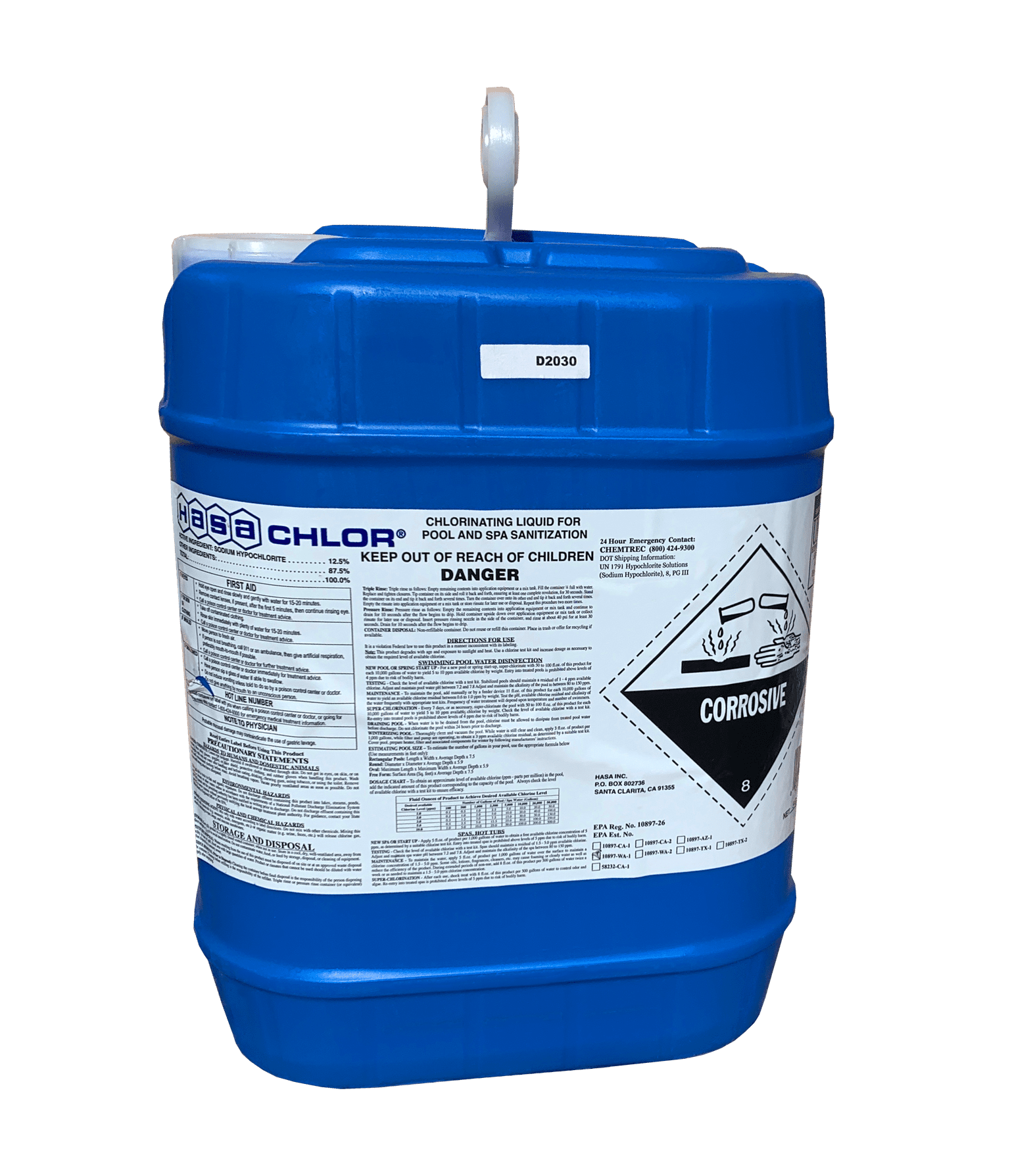
Liquid chlorine is a water sanitizer used to keep hot tubs and pools clean. It’s a solution of sodium hypochlorite (NaOCl), usually sold in bottles or jugs. Most liquid chlorine products for pools have 10–12% available chlorine, much higher than household bleach (which is typically 5–6%).
When you pour liquid chlorine into your hot tub, it quickly dissolves and starts killing bacteria, viruses, and algae. This is important because warm water is a great place for germs to grow. Without a sanitizer, hot tub water can turn cloudy, smelly, and unsafe in just a day or two.
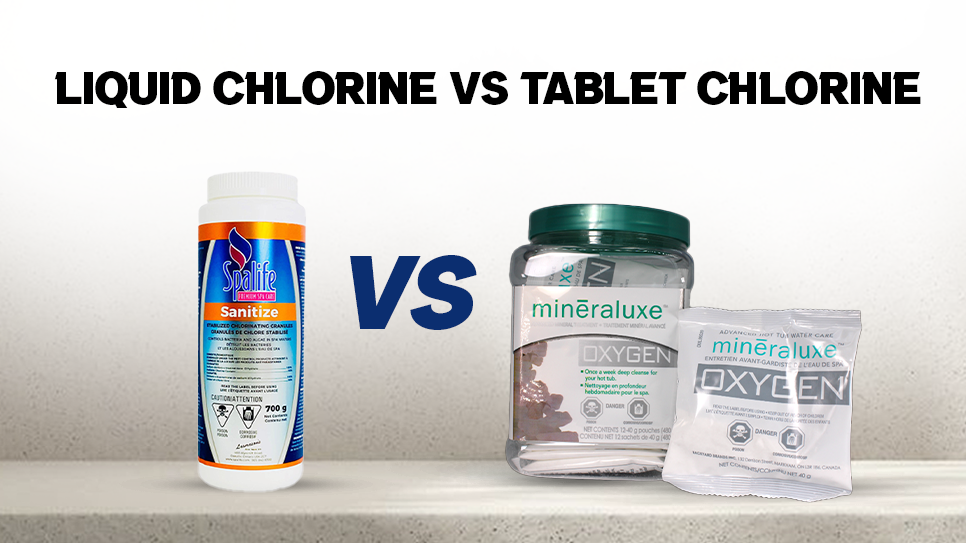
Some people confuse liquid chlorine with chlorine granules or tablets. The key difference is that liquid chlorine is fast-acting and does not need time to dissolve. It mixes instantly with water, making it easy to spread sanitizer everywhere fast.
Why Use Liquid Chlorine In A Hot Tub?
You have a few choices for sanitizing a hot tub: chlorine granules, chlorine tablets, bromine, and liquid chlorine. Each has pros and cons, but liquid chlorine offers some unique benefits.
- Fast, Even Mixing: It spreads through the water immediately. This means you get even sanitizer levels, less risk of uneven spots, and quicker action against bacteria.
- No Residue: Unlike granules or tablets, liquid chlorine leaves no residue or undissolved bits on the tub’s surface.
- Easy Dosing: You can add it with a simple measuring cup or jug, which makes adjusting levels precise and simple.
- No Need for Feeders: Tablets need a floating feeder or dispenser. Liquid chlorine can be poured directly into the water.
- Cost-Effective for Large Volumes: For people who need to sanitize bigger hot tubs or do frequent shocks, liquid chlorine can be cheaper per dose.
However, there are some drawbacks. It has a strong smell, can bleach fabrics if spilled, and breaks down faster in sunlight. If you use it in an outdoor hot tub, you’ll need to add it more often.
How Liquid Chlorine Works In Hot Tubs
When you add liquid chlorine, the sodium hypochlorite breaks down in water and releases hypochlorous acid (HOCl). This is the active sanitizer that kills bacteria and other bad stuff. In simple terms, the chlorine “attacks” and breaks apart germs, then turns into a harmless salt.
Hot tubs are different from pools. The water is hotter (usually 98–104°F or 37–40°C), and there’s less water per person. This means more sweat, oils, and germs enter the water, so sanitizing is even more important.
But here’s what many people miss: chlorine works best at the right pH. If your hot tub’s pH is too high or low, even the best chlorine won’t kill germs well. This is why every liquid chlorine routine should include regular pH testing.
Using Liquid Chlorine: Step-by-step Guide
If you want to use liquid chlorine safely and effectively, follow these steps:
1. Test Your Water First
Before adding anything, check:
- Chlorine level (free chlorine): Should be 3–5 ppm (parts per million).
- PH level: Aim for 7.2–7.8.
- Alkalinity: Should be 80–120 ppm.
Use test strips or a digital tester for accurate results.
2. Measure The Right Amount
For most hot tubs (300–500 gallons or 1,100–1,900 liters), you’ll add about 1–2 ounces (30–60 ml) of 10–12% liquid chlorine to raise chlorine by 3–5 ppm. The exact dose depends on your current levels and how much you want to raise them.
Pro Tip: Always add less first, then test again in 30 minutes. It’s easier to add more than to fix an overdose.
3. Pour Around The Edge
With the jets running, slowly pour the liquid chlorine around the edges of the tub. This helps it mix quickly and reach all areas.
4. Wait Before Using
Let the water circulate for at least 15–30 minutes. Test again to make sure chlorine is in the safe range before soaking.
5. Keep A Regular Schedule
Add liquid chlorine after each use, or at least every 2–3 days. If many people use the tub, add more often.
6. Shock Weekly
Once a week, “shock” the hot tub by adding a larger dose (usually 2–3 times the normal amount). This burns off oils and organic waste.
Comparing Liquid Chlorine To Other Sanitizers
Choosing the right sanitizer can be confusing. Here’s a side-by-side look:
| Sanitizer | Pros | Cons |
|---|---|---|
| Liquid Chlorine | Fast mixing, no residue, easy to dose | Breaks down fast in sunlight, strong smell, needs frequent adding |
| Chlorine Granules | Easy to store, slow release, less smell | Can leave residue, slow to dissolve, risk of over-chlorination |
| Chlorine Tablets | Very slow release, low effort, long-lasting | Needs feeder, can cause pH drop, not for all hot tubs |
| Bromine | Works better at high temperatures, less smell | More expensive, harder to manage, can cause skin reaction |
Key insight: Liquid chlorine is best for people who want fast, even sanitation and don’t mind adding it often. It’s not the best for “set and forget” users.
How Much Liquid Chlorine Does Your Hot Tub Need?
Getting the dose right is critical. Too little, and germs survive. Too much, and you risk skin and eye irritation, or even damage to your tub.
Here’s a simple dosing guide for a typical 400-gallon (1,500-liter) hot tub:
| Situation | Amount of Liquid Chlorine (10%) | Chlorine Goal |
|---|---|---|
| After light use | 1 oz (30 ml) | 3 ppm |
| After heavy use (party, kids) | 2 oz (60 ml) | 5 ppm |
| Weekly shock | 3 oz (90 ml) | 8–10 ppm |
Always test before and after adding to make sure you hit the right level.

Credit: us.amazon.com
Common Mistakes When Using Liquid Chlorine
Many hot tub owners make the same errors when starting out. Here’s what to watch for:
- Adding Too Much: High chlorine can bleach swimsuits, cause skin irritation, and damage seals.
- Pouring Without Circulation: Always run jets when adding. Still water means uneven mixing.
- Ignoring pH: If pH is wrong, chlorine doesn’t work well—even if you add the right amount.
- Using Household Bleach: Regular bleach is weaker and often contains perfumes or additives. Use pool-grade liquid chlorine only.
- Storing in Sunlight: Heat and light break down liquid chlorine fast. Always store in a cool, dark place.
Pro insight: Test strips can fade or give wrong readings if old. Replace them every season for accurate results.
How To Store And Handle Liquid Chlorine Safely
Liquid chlorine is strong and can irritate skin, eyes, and lungs. Proper storage keeps it effective and safe.
- Keep the bottle tightly closed and upright.
- Store in a cool, dry place—never in direct sunlight or near heat.
- Wear gloves and eye protection when pouring. Splashes can irritate skin and damage clothes.
- Never mix with other chemicals, especially acids or ammonia. Dangerous gases can form.
- Keep away from kids and pets.
If you spill liquid chlorine, rinse with lots of water right away. Avoid breathing fumes.
The Impact Of Water Temperature On Liquid Chlorine
Hot tubs run much warmer than pools—usually 98–104°F (37–40°C). This affects how liquid chlorine works:
- Chlorine breaks down faster in hot water, so you need to add it more often.
- Higher temperature means more sweat, oils, and germs, putting more demand on sanitizer.
- PH can rise quickly in hot tubs, so check it at least twice a week.
If you often use your hot tub at the highest settings, consider testing more often and keeping spare chlorine on hand.
Liquid Chlorine And Hot Tub Equipment
Some people worry that liquid chlorine will harm pumps, heaters, or seals. Used correctly, it’s safe. Problems happen if you:
- Overdose: Very high chlorine (above 10 ppm for long periods) can degrade rubber seals, fade plastics, or pit metal parts.
- Let pH go too low: Acidic water (pH below 7.0) can corrode metal.
- Let chlorine drop too low: Germs can grow inside the pipes, causing slime and odors.
Keep chlorine in the safe range (3–5 ppm) and pH between 7. 2 and 7. 8 to protect your investment.
Understanding Chlorine Demand
Every hot tub is different. The amount of chlorine your water “eats up” is called chlorine demand. It goes up if:
- More people use the tub
- Lots of lotion, sweat, or dirt enter the water
- The water is warm (high temperature)
- The tub is outdoors (sunlight breaks down chlorine)
Key tip: If you notice the chlorine level always drops fast, shock the hot tub to burn off waste, then test again. Sometimes, hidden biofilm in pipes increases demand. A deep clean can help restore balance.
Liquid Chlorine Vs. Salt Systems
Some hot tubs use saltwater systems. These make chlorine from salt using a generator. How does this compare to liquid chlorine?
| Factor | Liquid Chlorine | Salt System |
|---|---|---|
| Maintenance | Add weekly or after use | Monitor salt level, replace cells every few years |
| Upfront Cost | Low (just buy chlorine) | High (generator installation) |
| Water Feel | Classic “chlorine” feel | Softer, less odor |
| Adjustability | Easy to raise/lower quickly | Slower to adjust, but steadier |
Non-obvious insight: Salt systems still make chlorine—it’s not “chlorine-free.” But the water feels softer, and maintenance is more automatic. Liquid chlorine is better for people who want direct control and lower setup costs.
Liquid Chlorine And Water Balance
Chlorine is only part of the picture. For safe, clear water, you also need to balance:
- PH: Controls how well chlorine works and how comfortable the water feels.
- Alkalinity: Keeps pH steady.
- Calcium hardness: Prevents foaming and protects the tub.
If pH gets too high (above 7. 8), chlorine becomes less effective. If pH is too low, water becomes acidic and can harm equipment.
Quick tip: Always adjust alkalinity first, then pH, then chlorine. This order gives the most stable results.
Liquid Chlorine For Shocking A Hot Tub
“Shocking” means adding a big dose of chlorine to remove buildup and waste. Use liquid chlorine for this:
- Remove the hot tub cover.
- Set jets to high.
- Add 2–3 times the normal dose (see table above).
- Wait at least 1–2 hours before testing and using again.
Shocking helps clear up cloudy water, remove smells, and reset the sanitizer level. Do this at least once a week, or after heavy use.
Credit: mastercraftpool.com
Liquid Chlorine And Sensitive Skin
Some people worry that chlorine will dry out or irritate their skin. Here’s what helps:
- Keep chlorine in the safe range: 3–5 ppm is effective but gentle.
- Shower before and after soaking: This removes sweat and chlorine residue.
- Rinse swimsuits: Chlorine can build up in fabric.
- Consider using a moisturizer if your skin is sensitive.
If you or your guests have reactions, check for high chlorine or low pH. Sometimes, switching to bromine or using a salt system can help, but most people do well if the water is balanced.
Environmental Impact Of Liquid Chlorine
Liquid chlorine is powerful, but it breaks down quickly in water. Most of it turns into harmless salt or evaporates as gas. Still, you should:
- Never drain hot tub water into storm drains or natural streams. Chlorine can harm plants and animals.
- Let chlorine levels drop to near zero before draining.
- Dispose of empty bottles safely. Follow local recycling rules.
Advanced tip: Some cities offer programs for safe pool and hot tub chemical disposal. Check with your local waste authority for details.
Liquid Chlorine: Price And Availability
Liquid chlorine is widely available at pool stores, big-box retailers, and online. Prices vary by region and concentration.
- 1-gallon (3.8 L) jug of 10–12% pool chlorine costs about $4–$8 USD.
- One jug treats a typical hot tub for several weeks.
- Store brands and bulk purchases are often cheaper.
Avoid using household bleach as a substitute. It is weaker, may contain perfumes, and is not always safe for hot tubs.
Real-world Example: A Week With Liquid Chlorine
Let’s walk through a normal week for a family using a 400-gallon hot tub:
- Monday: Test water, add 1 oz liquid chlorine after an evening soak.
- Wednesday: Test again, add 1 oz after use.
- Friday: Heavy use—family and friends. Add 2 oz after everyone leaves.
- Sunday: Shock the hot tub with 3 oz, run jets with the cover off for 1 hour.
By following this routine, the water stays clear, safe, and odor-free.
Pros And Cons Of Liquid Chlorine In Summary
Pros:
- Fast-acting, mixes instantly
- No residue or undissolved particles
- Easy to adjust dose
- Good for quick corrections
Cons:
- Needs frequent adding
- Breaks down in sunlight and heat
- Strong smell if overdosed
- Can splash or spill if not careful
Non-obvious insight: Liquid chlorine is ideal for those who want hands-on water care and don’t mind regular testing and adding. It’s less suited for people who want a “set and forget” system.
Liquid Chlorine: Alternatives And When To Switch
If you find liquid chlorine isn’t working for you, consider:
- Chlorine tablets: Less effort, but can lower pH.
- Bromine: Gentler on skin, better for high temps.
- Saltwater system: Higher cost, but softer water.
Switch if you notice persistent skin irritation, trouble keeping levels steady, or if you want less frequent maintenance.
Troubleshooting Common Problems
Cloudy Water: Check for low chlorine, high pH, or buildup of oils. Shock the hot tub, clean filters, and test again.
Strong Chlorine Smell: This often means too many chloramines (used-up chlorine). Shock the tub to burn off waste.
Green or Slimy Water: Means not enough sanitizer. Shock with liquid chlorine, then check for hidden algae or mold in pipes.
Stinging Eyes or Itchy Skin: Usually a sign of high chlorine or low pH. Adjust levels, and rinse after soaking.
Liquid Chlorine: Expert Tips For Best Results
- Add chlorine in the evening: Sunlight breaks it down. Nighttime adding means it lasts longer.
- Clean filters weekly: Dirty filters make chlorine work harder.
- Keep a log: Write down doses and test results to spot patterns and problems.
- Check expiration dates: Old liquid chlorine loses strength and may not sanitize well.
Advanced insight: If you travel or leave your hot tub unused for weeks, switch to tablets temporarily, or ask a friend to add liquid chlorine while you’re away.
Credit: www.canadahottubparts.ca
Frequently Asked Questions
What’s The Difference Between Pool Chlorine And Household Bleach?
Pool liquid chlorine is stronger—usually 10–12% available chlorine. Household bleach is weaker (5–6%) and may contain perfumes, thickeners, or other additives that aren’t safe for hot tubs. Always use pool-grade liquid chlorine for best results.
How Soon Can I Use My Hot Tub After Adding Liquid Chlorine?
Wait at least 15–30 minutes after adding liquid chlorine, with jets running. Test the water to make sure chlorine is below 5 ppm. If you added a shock dose, wait 1–2 hours or until chlorine drops to safe levels.
Can I Mix Liquid Chlorine With Bromine In My Hot Tub?
No, never mix chlorine and bromine directly. They can react and make harmful byproducts or dangerous fumes. Stick to one sanitizer at a time, and fully drain and refill the hot tub before switching between them.
Is Liquid Chlorine Safe For All Hot Tubs?
Liquid chlorine is safe for most acrylic, fiberglass, and vinyl hot tubs if used in the right amount and with balanced pH. For wooden hot tubs or special finishes, check the manufacturer’s instructions or use a gentler sanitizer.
Where Can I Find More Information About Hot Tub Water Care?
You can find more details and in-depth guides at the CDC’s pool and spa disinfection page.
Hot tub water care takes practice, but with the right use of liquid chlorine, you can enjoy safe, sparkling water every time you soak. Regular testing, smart dosing, and a little know-how will keep your hot tub the highlight of your home.