
If you own an above-ground pool, you probably know that keeping the water clean and safe is not always simple. Many pool owners choose the Intex sand filter system because it is reliable, cost-effective, and easy to use. But sometimes, a frustrating problem appears: low pressure in your Intex sand filter. This issue can stop your pool water from staying clear and can even damage your filter system if not fixed. Let’s dive deep into why this happens, how to solve it, and how to keep your Intex sand filter running smoothly for years.
What Is An Intex Sand Filter And How Does It Work?
Before we talk about low pressure, it’s important to understand what an Intex sand filter actually does. This device is a type of pool filter that uses special filter sand to trap dirt and debris in your pool water. Water is pumped from your pool, pushed through the sand, and clean water returns back. The sand catches fine particles, leaving your pool water crystal clear.
The system is simple but effective. It usually includes:
- A pump that moves water
- A tank filled with filter sand
- A multiport valve to control the flow
Intex sand filters are popular because they are easy to maintain and the sand only needs changing every 3 to 5 years. But like all machines, they sometimes experience problems—low pressure is one of the most common.
What Does “low Pressure” Mean In An Intex Sand Filter?
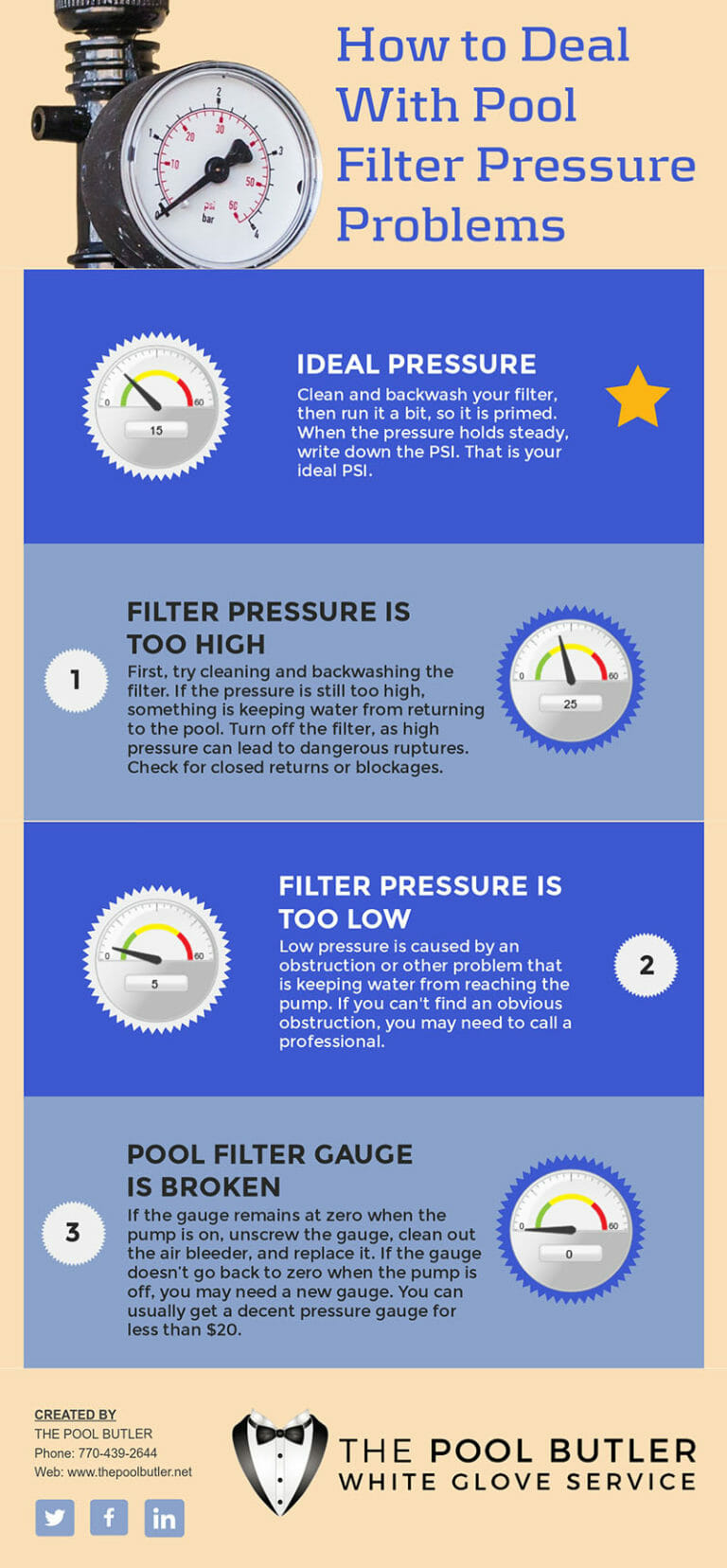
The pressure gauge on your sand filter shows how hard the pump is working to push water through the sand. When everything is normal, you will see a pressure reading within the “normal” range, often marked on the gauge. Low pressure means the number is much lower than usual—often below 5 psi (pounds per square inch) or even near zero.
Low pressure is not just a number. It often means:
- Water is not flowing properly
- The pump may be sucking in air
- The filter system is not cleaning water as it should
If ignored, low pressure can cause:
- Cloudy or dirty pool water
- Shorter filter life
- Possible pump damage
Knowing how to spot and fix low pressure can save you time and money.
Common Reasons For Low Pressure In Intex Sand Filters
Let’s look at the most common reasons why your Intex sand filter might show low pressure. Each problem has its own signs and solutions.
1. Air Leak In The System
One of the biggest causes of low pressure is air getting into the system. Sand filters are designed to work with water, not air. Even a small air leak can reduce pressure dramatically.
Where does air enter?
- Cracks or loose fittings in pipes
- Worn or missing O-rings in the pump lid
- Leaks at the connection between the pump and filter
How to check: With the pump running, look for bubbles in the pump basket or air coming out of the pool’s return jets. You may hear a sucking sound near fittings.
2. Low Water Level In The Pool
Your Intex sand filter needs enough water to work correctly. If the water level in your pool drops below the skimmer or intake, the pump can suck in air instead of water, causing low pressure.
How to check: Make sure the water level is at least halfway up the opening of your pool’s intake.
3. Clogged Skimmer Or Pump Basket
Leaves, bugs, and other debris can clog the skimmer basket or the small basket inside your pump. This reduces the flow of water to the filter, lowering the pressure.
How to check: Turn off the system and open the baskets. If you find lots of debris, clean them out.
4. Clogged Or Dirty Filter Sand
Over time, sand becomes full of dirt and cannot filter water properly. This usually causes high pressure, but in some cases, if the sand is packed tight or water finds a shortcut (called “channeling”), it can cause low pressure too.
How to check: If the sand feels hard or water flows unevenly, you may have channeling.
5. Blocked Or Collapsed Suction Hose
Sometimes, the hose connecting your pool to the filter is pinched, twisted, or blocked. This stops water from reaching the pump.
How to check: Inspect the hose for kinks, blockages, or collapsed spots. Replace if needed.
6. Faulty Or Worn Out Pump Impeller
The impeller is a spinning part inside the pump that moves water. If it is broken or jammed, water will not flow well, causing low pressure.
How to check: Remove the pump basket and shine a light inside. If you see debris or broken pieces, the impeller may be stuck.
7. Problems With The Multiport Valve
The multiport valve controls the flow of water. If the valve is set incorrectly or has a broken part inside, it can cause low pressure.
How to check: Make sure the handle is firmly in the “filter” position. If the valve feels loose or leaky, it may need repair.
8. Leaks At Hose Connections Or Fittings
Sometimes the connections where hoses join the filter or pool can become loose or cracked, allowing air to enter and water to leak out.
How to check: Look for wet spots or water sprays when the system is running.
9. Incorrect Sand Type Or Level
Using the wrong filter sand or not enough sand will reduce the filter’s ability to build pressure.
How to check: Confirm you are using #20 silica pool filter sand and the correct amount for your filter model.
10. Low Pump Speed Or Faulty Motor
Some Intex pumps allow for different speeds. If the pump is not running at full power, water flow (and pressure) will be low.
How to check: Listen to the pump. If it sounds weak or doesn’t start, the motor may need service.
How To Diagnose Low Pressure In Your Intex Sand Filter
Finding the real reason for low pressure is important. Here’s a practical way to diagnose the issue step by step.
- Turn off the system for safety.
- Check the pool water level. Fill if needed.
- Inspect the skimmer and pump baskets. Clean out all debris.
- Look for visible leaks around hoses, connections, and the pump.
- Prime the pump. Fill it with water and restart.
- Read the pressure gauge. Note the starting number.
- Open the pump lid. Check the impeller for blockages.
- Switch the multiport valve through all settings, then back to “filter.”
- Check for air bubbles. With the system running, look for bubbles in the pump basket or returning to the pool.
- Check the sand. If it is very old, clumped, or dirty, consider replacing.
How To Fix Low Pressure In Your Intex Sand Filter
Once you know the cause, you can fix the problem. Here are solutions for each common issue.
Fixing Air Leaks
- Tighten all fittings. Use Teflon tape if needed.
- Replace worn O-rings. A new O-ring can make a big difference.
- Seal cracks. Use waterproof epoxy for small cracks.
Restoring Proper Water Level
- Add water to the pool until it covers the intake.
- Check for leaks in the pool liner or walls.
Cleaning Clogged Baskets
- Remove all baskets and rinse thoroughly.
- Check baskets weekly during swim season.
Fixing Dirty Or Channeling Sand
- Backwash the filter. This reverses the water flow and flushes out trapped dirt.
- If backwashing doesn’t help, replace the sand with new pool filter sand.
Repairing Or Replacing Hoses
- Straighten kinks. Replace hoses that won’t hold their shape.
- Inspect for blockages. Remove any visible debris.
Cleaning Or Repairing The Pump Impeller
- Turn off power, open the pump, and carefully remove any debris.
- If the impeller is damaged, order a replacement part.
Servicing The Multiport Valve
- Make sure the valve is set correctly.
- If it leaks or feels loose, rebuild or replace the valve.
Checking Sand Type And Level
- Always use the recommended sand for your Intex filter.
- Add sand to the marked “fill line” inside the tank.
Fixing Low Pump Speed
- Make sure the pump is plugged into a proper outlet.
- If the motor sounds weak, have it checked by a technician.
How To Prevent Low Pressure In Your Intex Sand Filter
Prevention is always better than repair. Here are easy ways to avoid low pressure problems.
- Check water level weekly. Top off as needed.
- Clean baskets every few days during heavy use.
- Inspect hoses for kinks and replace old hoses every season.
- Backwash filter every 1-2 weeks or when pressure rises above normal.
- Check for leaks at all connections each month.
- Replace filter sand every 3-5 years or sooner if water quality drops.
- Store equipment indoors during winter to avoid cracks and aging.
Signs That Your Filter Pressure Is Too Low
Sometimes, it’s hard to know if pressure is actually a problem. Here are signs that low pressure is affecting your pool:
- Water flow from the return is weak
- Pool is cloudy, even after running the filter for hours
- The pump sounds noisy or like it’s sucking air
- The pressure gauge reads much lower than your usual baseline
What Is Normal Pressure For An Intex Sand Filter?
Most Intex sand filters operate between 5 and 15 psi. The exact number depends on your pool size and system. When the sand is clean and the system is full of water, write down the gauge reading. This is your personal “normal.”
If the pressure drops 2-5 psi below this number, and you notice weak flow, it’s time to check for issues.
How To Read And Reset Your Intex Sand Filter Pressure Gauge
The pressure gauge is a small, round dial near the top of the filter tank. It shows how much force is pushing water through the sand.
To read it:
- Make sure the pump is running
- Look at the needle; normal is usually in the green zone
To reset your “normal” after cleaning or changing sand:
- Backwash and rinse the filter
- Turn the system on, let it run for five minutes
- Write down the psi reading as your new baseline
Real-world Example: Diagnosing An Intex Sand Filter Low Pressure Issue
Imagine you notice your pool’s return jet is weak, and the pressure gauge reads 2 psi. Here’s how you could fix it:
- Check the water level—it’s a bit low. Add water.
- Clean the skimmer and pump basket—find lots of leaves.
- Inspect hoses—notice a small crack near the pump.
- Replace the cracked hose and restart the system.
- Pressure returns to 10 psi, and the water flow is strong again.
This shows how small issues can add up to big problems but are easy to fix with a systematic check.

Credit: www.reddit.com
Table: Quick Troubleshooting For Low Pressure
Here’s a comparison of the most common causes and fixes for low pressure:
| Problem | How to Check | Solution |
|---|---|---|
| Air Leak | Look for bubbles, listen for suction sounds | Tighten fittings, replace O-rings |
| Low Water Level | Check intake opening | Add water to pool |
| Clogged Basket | Open and inspect baskets | Clean out debris |
| Collapsed Hose | Look for kinks or flat spots | Straighten or replace hose |
| Dirty Sand | Hard or uneven sand, poor backwash | Backwash or change sand |
How Low Pressure Affects Pool Water Quality
A sand filter with low pressure cannot move enough water through the system. This means:
- Less dirt and debris are removed
- Pool chemicals do not mix well
- Algae and bacteria can grow faster
You may notice cloudy water, a slippery pool floor, or even a bad smell. If you ignore low pressure for too long, you might need to drain and refill the pool, which is expensive and time-consuming.
Credit: www.thepoolbutler.net
Table: Effects Of Low Vs. Normal Pressure On Pool Water
| Condition | Water Quality | Pool Maintenance Needs |
|---|---|---|
| Low Pressure | Cloudy, dirty, possible algae | More cleaning, possible water change |
| Normal Pressure | Clear, clean | Regular maintenance only |
When To Call A Professional
Most Intex sand filter problems can be fixed at home, but sometimes you need expert help:
- The pump motor is making loud noises or will not start
- You see large cracks in the filter tank
- You cannot find the source of air leaks
- Water flow is weak, even after all basic checks
If you are unsure, call a local pool repair technician or visit the Intex website for support.
Non-obvious Tips For Intex Sand Filter Owners
- Mark your normal pressure: Use a marker to highlight your system’s normal psi on the gauge. This makes it easy to spot problems at a glance.
- Check for invisible leaks: Sometimes, leaks do not spray water. Run your fingers along hoses and fittings while the system is running to feel for wet spots.
- Prime the pump: After cleaning or opening the system, always fill the pump basket with water before restarting. This avoids air lock and low pressure.
How To Choose The Right Replacement Parts
If you need to replace hoses, O-rings, or sand, always use parts made for your Intex model. Using the wrong size or brand can cause leaks and future problems.
A simple way to get the right part:
- Write down your filter’s model number and serial number.
- Search the official Intex website or ask your pool store for help.
Do not use playground sand, beach sand, or hardware store sand. Only use #20 silica pool filter sand.
Table: Differences Between Filter Sand Types
| Type of Sand | Particle Size | Best For Intex Filters? |
|---|---|---|
| #20 Silica Sand | 0.45-0.55 mm | Yes |
| Play Sand | Varies, often too fine | No |
| Beach Sand | Mixed, contains salt/debris | No |
Steps To Change Filter Sand In Your Intex Sand Filter
If you suspect the sand is the problem, here’s how to change it:
- Turn off and unplug the pump.
- Open the filter tank. Remove the multiport valve.
- Scoop out the old sand. A small cup or scoop works well.
- Rinse the tank to remove leftover dirt.
- Fill the tank halfway with water. This protects the filter’s internal parts.
- Add new #20 silica sand slowly, using the amount listed in your manual.
- Reassemble the tank and reconnect hoses.
- Backwash the filter for 2-3 minutes to clear fine dust.
- Return the valve to “filter” and turn on the system.
Changing sand is not hard, but it can be messy. Wear gloves and work outside.
Can You Use A Pressure Booster Or Upgrade The Pump?
Sometimes, pool owners think about buying a bigger pump or a pressure booster to solve low pressure. This is usually not a good idea for Intex systems.
Why?
- Pumps and filters are designed to work together. Too much pressure can crack hoses or damage the filter.
- It is better to fix the root cause (leaks, clogs, etc.) Than to force more water through.
If you want a stronger system, upgrade both the pump and filter together, following Intex recommendations.
When Is It Time To Replace Your Intex Sand Filter?
Most Intex sand filters last 5-7 years with proper care. Replace if you notice:
- Cracks in the filter tank
- Broken multiport valve that cannot be repaired
- Pressure never returns to normal, even after all troubleshooting
Newer models are often more energy efficient and quieter.

Credit: www.reddit.com
Where To Find More Help And Official Parts
For detailed guides, troubleshooting steps, and ordering official parts, visit the official Intex website or check their support section. You can also find helpful community advice on pool forums or at your local pool supply store.
For more technical details, see the Wikipedia page on sand filters.
Frequently Asked Questions
How Often Should I Backwash My Intex Sand Filter?
You should backwash your sand filter every 1 to 2 weeks or when the pressure gauge rises 7-10 psi above your normal reading. This keeps sand clean and helps maintain good water flow.
Can I Use Regular Sand In My Intex Sand Filter?
No, you must use #20 silica pool filter sand. Regular sand, like play sand or beach sand, will not filter properly and can damage the system.
What Pressure Should My Intex Sand Filter Run At?
Most Intex sand filters run best between 5 and 15 psi. Your own system might be a little different—always use your normal baseline as a guide.
Why Does My Filter Pressure Drop After Cleaning?
If the pressure drops a lot after cleaning, it usually means you removed a blockage and water is flowing better. But if the pressure is too low, check for air leaks or low water level.
How Do I Know If My Pump Impeller Is Broken?
If you hear grinding noises or the water flow is weak even after cleaning, the pump impeller might be jammed or broken. You may need to open the pump or ask a technician to check.
A well-maintained Intex sand filter is the heart of a clean, healthy pool. By understanding how your system works and knowing how to handle low pressure, you can enjoy safe, sparkling water all season long. Don’t wait for problems to grow—regular checks and quick fixes make pool care easy and stress-free.