
A sparkling pool is a source of pride and relaxation. But when dirt stains appear on the pool plaster, it can be frustrating and even embarrassing. Many pool owners struggle with stubborn marks that spoil the look of their swimming area. Sometimes, these stains seem impossible to remove, even after hours of scrubbing. If you feel stuck with unsightly patches on your pool plaster, you are not alone.
Dirt stains do not just look bad; they can also signal other problems. These marks may hide algae, minerals, or even damage beneath the surface. Leaving stains untreated may cause them to become permanent, making future cleaning much harder. In many cases, a simple cleaning routine is not enough. You need to know the right approach, which products to use, and when professional help is necessary. This guide will walk you through all the steps to remove dirt stains from pool plaster safely and effectively.
Understanding Dirt Stains On Pool Plaster
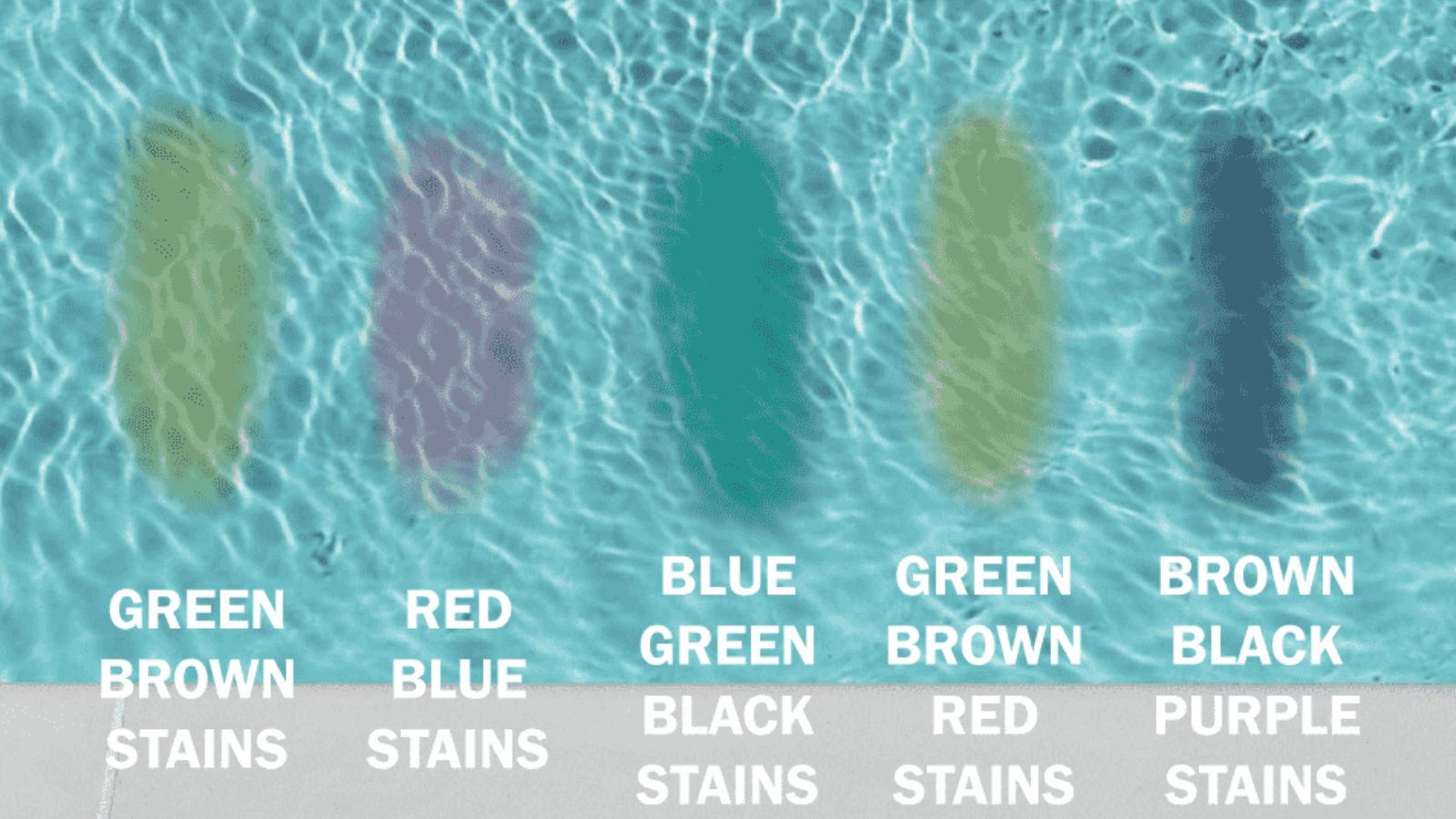
Before you start cleaning, it helps to know what you are dealing with. Dirt stains on pool plaster often look brown, grey, green, or even black. They may be light and patchy or dark and widespread. The cause can be simple soil, but sometimes it’s organic debris, metal, or chemical imbalance.
Common Causes Of Dirt Stains
- Wind-blown soil: Dust and dirt from landscaping or construction easily blow into pools.
- Organic debris: Leaves, flowers, and twigs break down, leaving stains.
- Algae growth: Certain algae stick to plaster and mimic dirt stains.
- Metal contamination: Iron or manganese in water can create brown or black marks.
- Runoff water: Rainwater can carry soil or mulch into the pool.
- Improper pool chemistry: Unbalanced pH or low sanitizer lets stains develop.
How Stains Form On Plaster
Pool plaster is porous. This means it can absorb particles, especially if the surface is old or rough. Dirt and organic matter get trapped inside tiny pores. Over time, sunlight, water, and chemicals can “bake” these stains in, making them much harder to remove. The longer stains stay, the deeper they go.
Why Proper Identification Matters
Not all stains are the same. If you treat a metal stain with the wrong chemical, you might make it worse. If you use harsh acid on an organic stain, you could damage your plaster. Knowing what caused your stain helps you choose the right cleaning method. If you are not sure, try the “Vitamin C” test: place a vitamin C tablet on the stain. If it fades, the stain is likely from metal. If not, it’s probably dirt or organic.
Essential Tools And Materials
Having the right tools makes cleaning easier and helps avoid damage to your pool. Here are the items you may need before starting:
- Pool brush (nylon bristles for plaster)
- Manual vacuum (for dirt removal)
- Leaf net or skimmer
- PH and chlorine test kit
- Stain remover (for organic or mineral stains)
- Ascorbic acid (Vitamin C powder or tablets)
- Muriatic acid (for difficult stains, with extreme caution)
- Baking soda
- Protective gloves and goggles
- Bucket and measuring cup
You may not need all these for every stain, but being prepared saves time.
| Tool/Material | Primary Use | Special Notes |
|---|---|---|
| Pool brush | Scrubbing plaster | Use nylon for plaster |
| Ascorbic acid | Metal stain removal | Test on small area first |
| Muriatic acid | Deep cleaning | Requires extreme caution |
| Baking soda | pH adjustment, gentle scrubbing | Safe for all surfaces |
Pro Tip: Always check your pool manufacturer’s guidelines before using strong chemicals.
Step-by-step: How To Remove Dirt Stains From Pool Plaster
Ready to tackle those stains? Follow these steps for a clean, safe pool.
1. Analyze And Identify The Stain
Start with a close look at the stain. Note its color, location, and texture. Is it spreading? Is it rough to the touch? Try the Vitamin C test for metal stains. For dirt stains, the mark will feel smooth and may lighten after brushing.
2. Balance Your Pool Water
Dirty or unbalanced water can make stains worse and prevent cleaning chemicals from working. Use your test kit to check:
- PH: Should be between 7.2 and 7.6
- Chlorine: 1–3 ppm (parts per million)
- Alkalinity: 80–120 ppm
Adjust the chemistry if needed. This step helps prevent new stains and protects the plaster.
3. Remove Loose Debris
Use a pool net or skimmer to remove leaves, twigs, and floating dirt. Run your vacuum over the floor to pick up settled dust. This prevents scrubbing dirt deeper into the plaster.
4. Brush The Stain
Scrub the stained area with a nylon pool brush. Use firm but gentle strokes. Brushing often removes light dirt stains. For better results, brush daily for a few days.
Non-obvious Insight: Brushing is more effective in the early morning or late afternoon when the pool is not in use. This allows dirt to settle and be vacuumed away later.
5. Try Baking Soda Paste
For light stains, mix baking soda with a little water to make a thick paste. Apply to the stain with a sponge or brush. Let it sit for 10–15 minutes, then scrub and rinse. Baking soda is gentle and safe for plaster.
6. Use A Stain Remover For Organic Stains
If brushing and baking soda do not work, try a pool stain remover made for organic stains. These products break down organic material, helping lift the stain from the plaster.
- Follow the instructions on the label.
- Many need to be sprinkled directly on the stain and left for several hours.
- Brush again after treatment.
7. Treat Metal Stains With Ascorbic Acid
If the stain is from metal (iron or manganese), ascorbic acid can help. Sprinkle a small amount on the stain, wait a few minutes, then brush. Ascorbic acid is just Vitamin C, so it is safe for the plaster.
- Lower chlorine levels to below 1 ppm before using.
- Add the powder directly on the wet stain.
- Always rinse your hands after use.
Practical Tip: After using ascorbic acid, rebalance your pool’s pH and add a metal sequestrant to prevent future stains.
8. Try Spot Treatment With Muriatic Acid (advanced)
For deep or stubborn stains, a muriatic acid wash may be necessary. This should be your last option, as acid can damage plaster if used incorrectly.
- Dilute the acid with water (always add acid to water, not water to acid).
- Apply with a brush or sponge directly onto the stain.
- Rinse after 30–60 seconds.
- Wear protective gloves and goggles.
- Avoid breathing fumes.
Warning: Overuse of acid can erode the plaster, making it rough and more likely to stain again. Test on a small area first.
9. Rinse And Rebalance Water
After removing the stain, vacuum the area to remove residue. Test and adjust your pool water chemistry again. This prevents new stains from forming.
10. Observe And Repeat If Needed
Some stains need several treatments. Watch for color changes or fading. Repeat the steps as needed, but do not overuse strong chemicals.
Preventing Future Dirt Stains
A clean pool is easier to maintain than one full of stains. Here’s how to keep your plaster bright and dirt-free.
Regular Brushing And Vacuuming
Brush the pool walls and floor weekly. Focus on corners and steps, where dirt collects. Vacuum at least once a week, or more often after storms or heavy use.
Keep Water Chemistry Balanced
Test pH, alkalinity, and sanitizer levels every few days. Balanced water helps prevent stains and protects plaster. Consider using a digital test kit for accurate results.
Maintain Pool Equipment
Check your filter and pump regularly. Clean or backwash filters as recommended. A weak filter allows fine dirt to settle on plaster, causing stains.
Control Dirt And Debris
Landscaping can help prevent dirt from blowing into your pool:
- Use mulch or ground cover around the pool.
- Keep grass and plants trimmed.
- Avoid using dusty materials near the water.
Cover Your Pool
A pool cover keeps out leaves, dust, and rainborne dirt. Use it when the pool is not in use, especially during storms or windy days.
Common Mistakes When Removing Dirt Stains
Avoiding these errors can save your plaster and your patience.
Using The Wrong Brush
A wire brush may scratch or gouge plaster. Always use a nylon brush for plaster pools.
Overusing Harsh Chemicals
Too much acid or chlorine can damage plaster. Use the mildest method first and escalate only if needed.
Ignoring Water Chemistry
Trying to remove stains without balanced water is like cleaning a window with dirty water. The stains may return, or new ones may form.
Not Testing Stain Type
Treating a metal stain as dirt, or vice versa, can make it worse. Always test first.
Skipping Regular Maintenance
A clean pool is much easier to keep stain-free. Skipping weekly care means more work later.
Advanced Methods: When To Call A Professional
Sometimes, home cleaning is not enough. Here’s when to seek expert help:
- Stains cover large areas and do not respond to cleaning.
- Plaster feels rough or pitted, showing signs of wear.
- Unknown stain source: If you can’t identify or remove the stain.
- Multiple stain types: When dirt, algae, and metals mix.
- Pool needs acid washing: A professional should handle full acid washes for safety.
Non-obvious Insight: Many pool companies offer free water testing. Use this service if you suspect metals or complex issues.
Comparing Cleaning Methods
Understanding your options helps you choose wisely. Here’s a quick comparison of common cleaning methods for dirt stains on plaster:
| Method | Effectiveness | Safety for Plaster | Cost | Best For |
|---|---|---|---|---|
| Brushing | Good for light stains | Very safe | Low | Fresh dirt, regular care |
| Baking Soda | Moderate | Safe | Low | Light stains, eco-friendly |
| Stain Remover | High | Safe if used correctly | Medium | Organic stains |
| Ascorbic Acid | High (for metals) | Safe | Medium | Metal stains |
| Muriatic Acid | Very high | Risky if misused | Low | Stubborn, deep stains |
| Professional Service | Highest | Very safe | High | Severe, old stains |
Real-world Example: Removing A Stubborn Dirt Stain
Let’s look at a common case. Suppose you notice a large brown stain at the deep end of your plaster pool after a rainstorm. You try brushing, but it does not go away. Here’s what you could do:
- Test the stain with a Vitamin C tablet. No change means it’s likely organic or just soil.
- Check water chemistry: PH is a bit high (8.0), chlorine is low (0.5 ppm). Adjust both to proper levels.
- Vacuum and brush: Remove as much loose dirt as possible.
- Apply baking soda paste: Leave on for 15 minutes, then scrub.
- Still stained? Use an organic stain remover as directed.
- After 2 days, the stain fades. Continue brushing daily and keep water balanced.
If the stain remains after a week, consider a spot treatment with diluted muriatic acid, or call a pool pro.
Credit: www.jdesigns.com
Extra Tips For Long-lasting Clean Plaster
- Shock your pool after heavy rains or parties to prevent algae.
- Avoid fertilizers and lawn chemicals near the pool.
- Fix leaks quickly, as water loss can concentrate stains.
- Consider a pool robot for automated cleaning.
- Document stains with photos to track changes over time.
Non-obvious Insight: Stains often fade faster when you keep your pool’s calcium hardness in the right range (200–400 ppm). Too low, and plaster may get rough and hold dirt. Too high, and you risk scaling.
Understanding Plaster Age And Condition
New plaster is smoother and easier to clean. As it ages, it becomes rough and more likely to stain. If your pool is over 10–15 years old, stains may be harder to remove, and resurfacing could be needed.
Signs Your Plaster Needs Repair
- Pitting or etching
- Large, permanent stains
- Cracks or hollow spots
- Color loss or chalking
If you see these, cleaning may not be enough. Consult a pool professional about resurfacing options.
Environmental Factors That Influence Stains
Where you live affects how often stains form. Dusty or windy areas, heavy tree cover, or hard water all play a role. Adjust your maintenance schedule if you notice stains returning quickly.
Compare Pool Types And Stain Risk
Here’s a quick look at how plaster compares to other pool surfaces:
| Pool Surface | Stain Resistance | Cleaning Difficulty | Maintenance Needs |
|---|---|---|---|
| Plaster | Moderate | Moderate | Regular brushing |
| Fiberglass | High | Easy | Low |
| Vinyl | Good | Easy | Low |
| Tile | Very high | Easy | Low |
If you are planning a new pool or a resurfacing job, consider these factors.
When Stains Are Not Just Dirt
Sometimes, a “dirt stain” is actually something more. Black algae, for example, can mimic dirt but is much harder to remove. Similarly, scale from hard water may look like grey dirt but feels rough and chalky. If a stain won’t budge with normal cleaning, it is worth getting a professional opinion.
:max_bytes(150000):strip_icc()/GettyImages-160333509-5ad0c015fa6bcc003664deb1.jpg)
Credit: www.liveabout.com
Recommended Products And Where To Find Them
Most hardware stores, pool supply shops, and online retailers carry the tools and chemicals mentioned here. Look for:
- Stain removers labeled for your pool type
- Ascorbic acid (Vitamin C) in powder or tablet form
- Muriatic acid (check for pool-grade)
- Nylon brushes (avoid wire types)
For detailed information on pool maintenance and stain prevention, visit the SwimmingPool.com Maintenance Guide.
Frequently Asked Questions
How Can I Tell If My Pool Stain Is Dirt Or Something Else?
Test with a Vitamin C tablet. If the stain lightens, it’s likely metal. If not, it’s probably dirt or organic. Location and color help too: brown or green stains are usually dirt or algae, while red or black may signal metals or minerals.
Is It Safe To Use Household Bleach On Pool Plaster Stains?
Bleach can damage pool plaster and upset your water chemistry. It is better to use products made for pool use, like stain removers or ascorbic acid.
How Often Should I Brush My Pool Plaster To Prevent Stains?
Weekly brushing is best, but after heavy use, storms, or visible dirt, brush more often. Focus on hidden areas like corners and steps.
What Is The Safest Way To Use Muriatic Acid On Pool Plaster Stains?
Dilute it (always add acid to water, not water to acid), wear gloves and goggles, and apply only to stained areas for under a minute. Rinse thoroughly. If unsure, hire a professional.
Can Old Stains Be Removed, Or Is Resurfacing My Only Option?
Light or recent stains can often be removed. Old, deep stains may require professional acid washing or plaster resurfacing, especially if the surface is rough or damaged.
A clean, stain-free pool is not just about looks—it’s about protecting your investment and enjoying your time in the water. With the right steps, tools, and regular care, you can keep your pool plaster spotless and inviting for years to come.

Credit: www.poolrenovation.com