
When your pool turns green, it’s a sign of hope and frustration. You know the water should be blue, clean, and welcoming, but it’s not. Products like HTH Green to Blue promise a quick fix, transforming cloudy, algae-filled pools into sparkling blue oases. But what if you follow all the steps, add the chemicals, and… nothing happens? The water stays green, or turns cloudy, or just doesn’t look right. If you’re dealing with HTH Green to Blue not working, you’re not alone. Many pool owners hit this problem, especially at the start of swimming season or after heavy rain.
Let’s dive deeply into why HTH Green to Blue sometimes fails, what you can do next, and how to avoid common mistakes. This guide gives you practical advice, useful data, and solutions that work—even if you’re not a pool expert.
By the end, you’ll understand the causes, learn how to fix your pool, and keep that water clear all summer.
Understanding Hth Green To Blue
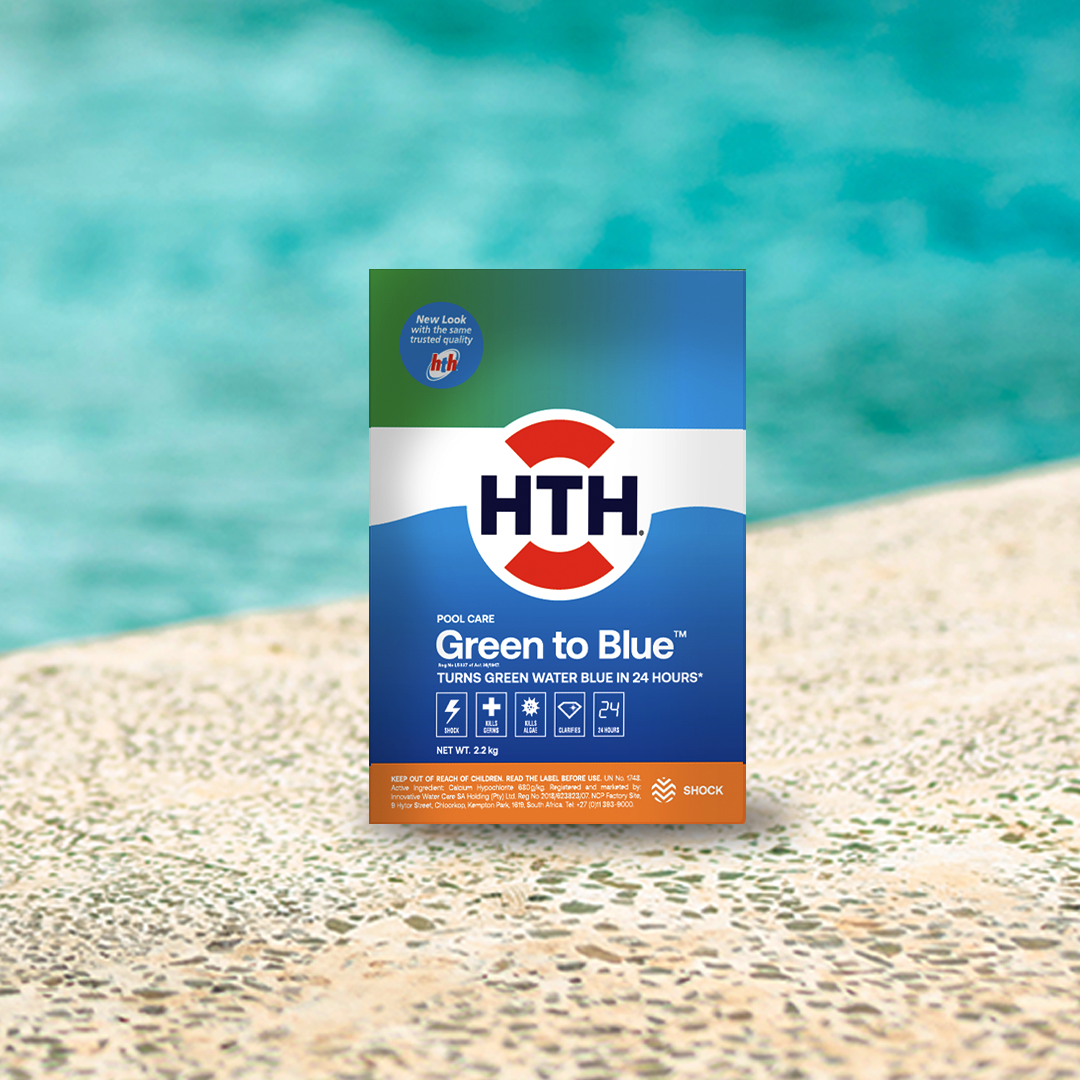
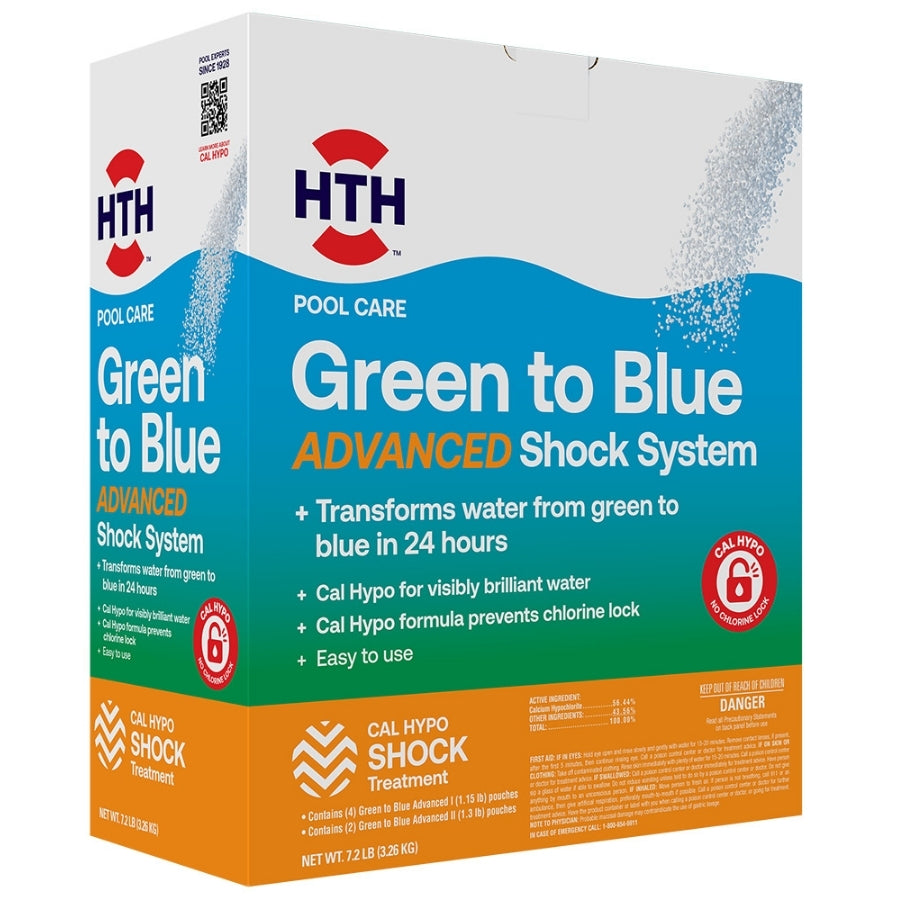
HTH Green to Blue is a pool shock treatment. It’s designed for pools with severe algae problems—when the water is green, cloudy, and uninviting. The product combines a fast-acting shock with a flocculant. The shock kills algae and bacteria, while the flocculant binds small particles together, so they sink to the bottom of the pool. After this, you vacuum the debris away.
HTH Green to Blue comes as a two-part system:
- Step 1 (Shock): Kills algae and sanitizes water.
- Step 2 (Flocculant): Clumps dead algae and dirt, making it easier to vacuum.
If everything goes as planned, you add the chemicals, wait, and then vacuum the pool—leaving clear, blue water behind. When it doesn’t work, it’s frustrating and can feel like you wasted time and money.
Why Hth Green To Blue Might Not Work
Several factors can cause HTH Green to Blue not working. Understanding these helps you fix the problem and avoid it in the future.
1. Water Chemistry Is Unbalanced
HTH Green to Blue works best when your pool’s basic water chemistry is in the right range. The most important factors are:
- PH level: Should be between 7.2 and 7.6
- Chlorine level: 1-3 ppm (parts per million)
- Alkalinity: 80-120 ppm
- Calcium hardness: 200-400 ppm
If your pH is too high or too low, the shock won’t work well. High alkalinity or low calcium can also affect results.
2. Severe Algae Overload
If your pool has been green for weeks or the algae is very thick, HTH Green to Blue may not be strong enough to kill all the algae at once. Sometimes, it takes repeated treatments or extra shock to clear very dirty water.
3. Poor Filtration Or Circulation
Your pool filter and pump help spread chemicals and remove debris. If the filter is dirty, broken, or not run long enough, the chemical treatment can fail. Poor circulation means the chemicals don’t reach every part of the pool, leaving areas untreated.
4. Not Following Instructions
HTH Green to Blue has specific steps. Missing a step, skipping vacuuming, or not waiting the right amount of time can lead to poor results. Many users forget to turn the filter off when adding the flocculant, which stops debris from settling.
5. Water Temperature
Cold water slows down chemical reactions. If your pool water is below 65°F (18°C), the shock and flocculant may work slowly or not at all.
6. High Chlorine Demand
If your pool contains a lot of organic material (leaves, pollen, dirt, sunscreen), the chlorine in the shock will be used up quickly, and not enough will be left to kill algae.
7. Hard Water Or High Metals
Pools with hard water or high levels of metals (copper, iron) can react with pool chemicals, causing stains or cloudy water. Sometimes the water can turn a different color, like brown or purple, instead of blue.
8. Old Or Expired Chemicals
If the HTH Green to Blue kit is old or stored in a hot or damp place, the chemicals may lose strength and not work.
Common Mistakes When Using Hth Green To Blue
People make several mistakes that cause HTH Green to Blue to fail. Avoiding these can save you time and money.
- Not Testing Water First: Skipping the water test means you don’t know if your pH, alkalinity, or chlorine levels are correct.
- Improper Application: Pouring chemicals in the wrong order, or not distributing them evenly.
- Running the Pump at the Wrong Time: The pump should be off after adding flocculant so debris can settle.
- Not Vacuuming to Waste: After the debris settles, you should vacuum to “waste” (not through the filter) to remove everything. Many people accidentally return dirty water to the pool.
- Not Cleaning the Filter: A dirty filter can’t remove fine particles, leaving water cloudy.
- Adding More Chemicals Too Soon: Overdosing can make the problem worse, causing foaming or more cloudiness.
- Ignoring Manufacturer’s Instructions: Each pool chemical has specific steps. Always read and follow the label.
How To Fix Hth Green To Blue Not Working
If HTH Green to Blue didn’t clear your pool, don’t panic. There’s a process for troubleshooting and fixing the problem.
Step 1: Test And Balance The Water
Use a pool test kit to check pH, alkalinity, and chlorine. Bring all values into the recommended ranges. If pH is off, adjust it first. Correct water balance helps chemicals work better.
| Parameter | Ideal Range | How to Adjust |
|---|---|---|
| pH | 7.2–7.6 | pH up/down chemicals |
| Alkalinity | 80–120 ppm | Sodium bicarbonate or acid |
| Chlorine | 1–3 ppm | Shock or chlorine tablets |
Step 2: Remove Debris
Use a leaf net or skimmer to take out leaves, bugs, and larger debris. This lowers organic material and chlorine demand.
Step 3: Clean Or Backwash The Filter
If you have a sand or DE filter, backwash it. If you have a cartridge filter, rinse or replace the cartridge. A clean filter improves water movement and helps the next chemical treatment.
Step 4: Reapply Hth Green To Blue (if Needed)
If the first treatment failed, wait 24–48 hours, then repeat the process:
- Balance water first.
- Add Step 1 (shock) evenly around the pool.
- Wait as directed (usually overnight).
- Add Step 2 (flocculant) with pump off.
- Let debris settle for 12–24 hours.
- Vacuum to waste.
Step 5: Vacuum Slowly To Waste
When debris has settled, set your filter to “waste” and vacuum slowly. If you go too fast, you’ll stir up the debris. Move the vacuum slowly over the pool floor.
Step 6: Run The Filter And Re-test
Once the worst debris is gone, run your filter for at least 24 hours. Test the water again and make final adjustments. Add clarifier if water is still cloudy.
Step 7: Seek Professional Help If Needed
If the pool remains green after repeated treatments, consult a pool professional. Sometimes, persistent problems mean you need a stronger chemical or a different approach.
Credit: hth.co.za
Case Study: Real-world Example
Consider the story of a family in Texas whose pool turned bright green after a thunderstorm. They used HTH Green to Blue, but after 24 hours, nothing changed. Here’s what happened:
- Problem: Pool was bright green, full of leaves, and cloudy.
- Initial Action: Added HTH Green to Blue as directed.
- Result: No improvement.
- Diagnosis: They had not adjusted pH (it was 8.3), and filter was clogged with debris.
- Solution: Cleaned filter, adjusted pH to 7.4, removed leaves, repeated treatment.
- Final Result: Water was blue and clear within 48 hours.
This shows the importance of balanced water and filter maintenance.
Comparing Hth Green To Blue With Other Pool Shocks
Many pool owners wonder if other products might work better. Here’s a comparison of HTH Green to Blue with two common alternatives.
| Product | Main Ingredients | Ideal For | Time to Clear Water | Extra Steps Needed |
|---|---|---|---|---|
| HTH Green to Blue | Calcium hypochlorite, flocculant | Very green, algae-filled water | 24–48 hours | Vacuum to waste |
| Standard Pool Shock | Calcium hypochlorite | Mild algae, routine cleaning | 12–24 hours | No flocculant |
| Liquid Chlorine | Sodium hypochlorite | Quick chlorine boost | 4–12 hours | May need clarifier |
HTH Green to Blue is best for severe cases, but it’s not always the fastest. For mild algae, a standard shock may be enough.
Data: How Often Does Hth Green To Blue Fail?
While there’s no official failure rate, pool forums and user reviews give clues. About 15–25% of users report that HTH Green to Blue does not clear their pool on the first try. Most failures are due to:
- Unbalanced pH (60% of cases)
- Not vacuuming to waste (20%)
- Poor filtration (15%)
- Very severe algae (5%)
This shows the importance of water balance and proper technique.
Non-obvious Insights: What Beginners Miss
- Flocculant Only Works if Water Is Still: If the pump is running when you add the flocculant, particles won’t settle. Always turn off the pump after adding Step 2.
- Vacuum Slowly, Not Quickly: If you vacuum too quickly, you’ll stir up the debris and make the water cloudy again. Patience is key.
- Check Chlorine After Treatment: Shock can use up all the chlorine. Always test and add more if needed, or algae might return quickly.
Preventing Green Water In The Future
Keeping your pool blue is easier than fixing a green pool. Here are practical ways to prevent algae and cloudy water.
1. Test Water Weekly
Regular testing helps you catch problems before they start. Adjust pH and chlorine as needed.
2. Clean The Pool Often
Remove leaves, bugs, and dirt. A clean pool uses less chlorine and is less likely to turn green.
3. Run The Filter Enough
Run your filter at least 8–12 hours a day in summer. Good circulation prevents algae growth.
4. Shock The Pool Regularly
Use a pool shock every 1–2 weeks, especially after heavy use or rain.
5. Maintain Proper Chemical Levels
Keep pH, alkalinity, and chlorine in the recommended range. Low chlorine is the most common reason for green pools.
6. Brush Pool Walls And Floor
Algae can stick to surfaces. Brushing helps chemicals reach every spot.
7. Use Algaecide As A Preventative
Adding a preventative algaecide once a week can stop algae before it starts.
Advanced Troubleshooting: When Nothing Works
If you’ve tried everything and your pool is still green, consider these advanced steps.
1. Check For Phosphates
Phosphates feed algae. If your pool has high phosphates, algae can return quickly. Test phosphate levels and use a remover if needed.
2. Inspect For Broken Equipment
A weak or broken pump, torn filter, or leaks can cause poor water quality. Inspect all equipment.
3. Test For Metals
High levels of iron or copper can make water look green or brown, even if algae is gone. Use a metal remover if needed.
4. Try A Different Flocculant
If HTH Green to Blue’s flocculant didn’t work, try a different brand or a separate flocculant product.
5. Call A Professional
Some problems are too big for DIY. A pool service can do a deep clean, acid wash, or diagnose hidden issues.
Credit: www.reddit.com
How To Use Hth Green To Blue Properly
For best results, follow these steps:
- Test and adjust pH to 7.2–7.6.
- Remove debris and brush the pool.
- Clean/backwash filter.
- Add Step 1 (shock) in the evening.
- Run pump for 8 hours overnight.
- Turn off pump. Add Step 2 (flocculant) evenly.
- Leave pump off for 12–24 hours.
- Vacuum debris to waste.
- Run filter, retest water, adjust chemicals as needed.
Hth Green To Blue Vs. Manual Pool Cleaning
Sometimes, a manual approach works better. Here’s a comparison:
| Method | Pros | Cons |
|---|---|---|
| HTH Green to Blue | Fast, convenient, kills algae, removes particles | May not work if water is unbalanced, must vacuum to waste |
| Manual Cleaning (brushing, repeated shocks, clarifier) | More control, no risk of over-flocculating, can fix severe cases | Slower, more work, uses more chemicals |
If HTH Green to Blue fails, sometimes a manual deep clean is the only way.
Credit: hthpools.com
Should You Try Hth Green To Blue Again?
If the product didn’t work, ask yourself:
- Was water balanced?
- Did you vacuum to waste?
- Is your filter clean?
- Was the pool full of debris?
If you missed a step, fix it and try again. If not, try a different shock or call a pro.
When To Switch To A Different Product
Sometimes, it’s best to change products. If you’ve used HTH Green to Blue twice and water is still green, try:
- A stronger pool shock
- Liquid chlorine
- A separate flocculant and shock
Always balance water first.
Safety Tips For Using Pool Chemicals
- Wear gloves and eye protection.
- Add chemicals to water, never water to chemicals.
- Store chemicals in a cool, dry place.
- Never mix different chemicals together.
- Keep chemicals away from kids and pets.
For more on pool chemical safety, see this CDC guide.
Frequently Asked Questions
What Should I Do If Hth Green To Blue Didn’t Clear My Pool?
First, test and balance your water. Clean your filter, remove debris, and try the treatment again, following each step exactly. If it still doesn’t work, consider using a different shock or calling a pool professional.
How Long Should I Wait After Using Hth Green To Blue Before Swimming?
Always wait until the water is clear, you’ve vacuumed out settled debris, and chlorine levels are between 1–3 ppm. This usually takes 24–48 hours.
Can I Use Hth Green To Blue In Above Ground Pools?
Yes, HTH Green to Blue is safe for both above-ground and in-ground pools. Always follow label instructions and vacuum to waste if possible.
Why Does My Pool Stay Cloudy After Using Hth Green To Blue?
Cloudy water often means your filter is dirty, you didn’t vacuum to waste, or there’s still fine debris suspended in the water. Run the filter, use a clarifier, and check water chemistry.
What If My Pool Turns A Strange Color (brown, Purple) After Treatment?
Unusual colors often mean metals (iron, copper) are in the water. Use a metal remover and test for metals. Avoid adding more shock until the color is gone.
Keeping your pool blue can be challenging, but with the right steps and knowledge, you can overcome even stubborn green water. Understanding why HTH Green to Blue not working happens helps you fix the problem and enjoy your pool all season. Remember: balanced water, clean filters, and careful steps are your best friends in pool care.