
A backyard pool is often the center of summer fun, family gatherings, and relaxation. But, surprisingly, it doesn’t take much to turn this source of joy into a disaster. Whether you own a pool or are thinking about getting one, knowing how to ruin a pool—even if only to avoid these mistakes—is vital. Many of these errors are common, yet their consequences can be severe, from unhealthy water to costly repairs. Understanding them is not just a lesson in what NOT to do, but also in how to protect your investment and keep your pool a safe, clean, and enjoyable space.
This article dives deep into all the ways a pool can be ruined, intentionally or by accident. It covers chemical mishaps, physical damage, neglect, and even the unexpected effects of weather and wildlife. You’ll find clear explanations, real-life examples, and non-obvious insights that even experienced pool owners sometimes miss.
If you want to avoid the fate of a ruined pool, or are simply curious about all the ways things can go wrong, keep reading.
Chemical Catastrophes
Chemical balance is the heart of any pool’s health. Problems here quickly spiral out of control, sometimes before you even notice.
Over-chlorination
Adding too much chlorine is a fast way to make your pool water unpleasant and unsafe. High chlorine levels can cause skin and eye irritation, destroy swimsuits, and even damage the pool liner over time. The worst part? Excess chlorine can react with organic material, creating dangerous byproducts like chloramines and trihalomethanes, both linked to respiratory problems. Many new pool owners think “more is better” for cleanliness, but it’s simply not true.
Under-chlorination
On the flip side, using too little chlorine allows bacteria, viruses, and algae to thrive. The water may turn cloudy or green, and swimmers might get sick. Under-chlorinated pools can quickly become health hazards, especially in hot weather. Even a few days of low chlorine can set off a chain reaction that’s hard to reverse without draining the pool.
Mixing Chemicals Incorrectly
It’s surprisingly easy to ruin a pool by mixing chemicals the wrong way. For example, adding acid and chlorine too close together can release toxic gases. Dumping shock and algaecide in at the same time often neutralizes both, wasting money and effort.
Always add chemicals separately, and never mix them outside the pool.
Poor Ph Control
pH levels should stay between 7.2 and 7.8. High pH (alkaline) can cause scale buildup and cloudy water, while low pH (acidic) will eat away at pool surfaces and metal parts. Both extremes lower chlorine’s effectiveness. Some owners forget to test pH regularly, leading to expensive repairs and unsafe swimming conditions.
Ignoring Total Alkalinity And Calcium Hardness
Many focus only on chlorine and pH, but total alkalinity and calcium hardness are just as important. Low alkalinity causes wild pH swings, making the pool impossible to balance. Low calcium leads to etching in plaster pools, while high calcium causes scaling and cloudy water. Neglecting these factors is a silent pool killer.
Non-obvious insight: Most pool test kits only check chlorine and pH. Make sure you use a kit that also tests for alkalinity and calcium to avoid hidden problems.
Physical Destruction
Beyond chemicals, physical factors can destroy a pool’s structure, equipment, and surfaces.
Draining The Pool Incorrectly
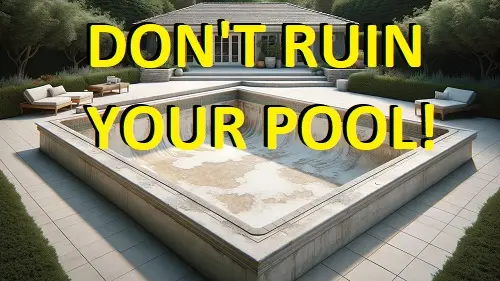
Many people think it’s safe to drain a pool whenever they want. In reality, draining the pool, especially in areas with a high water table, can cause the pool to “float” or pop out of the ground. This happens because the empty shell is lighter than the surrounding soil and water pressure.
Repairing a “floated” pool can cost tens of thousands of dollars.
Neglecting Pool Liner Care
Vinyl liners are easily damaged by sharp objects, pets, or rough play. Small tears quickly grow into big ones, leading to leaks and the need for a full liner replacement. Using the wrong cleaning tools or letting children play with hard toys in the pool are common mistakes.
Skipping Regular Cleaning
Leaves, dirt, and debris left in the pool decay and release phosphates, which feed algae. Skipping vacuuming, brushing, and skimming leads to stains and clogged filters. Over time, this neglect ruins the pool’s appearance and makes water quality impossible to control.
Allowing Heavy Items In The Pool
Placing furniture, bikes, or other heavy objects in the pool for fun or cleaning can crack tiles, damage the liner, and warp fiberglass shells. Once the surface is damaged, leaks and further deterioration are almost certain.
Ignoring Tile And Grout Problems
Tiles and grout are not just for decoration. Cracked or missing tiles allow water to seep behind pool walls, causing structural damage. Ignoring small problems here can lead to big leaks and expensive repairs.
Non-obvious insight: Pool floats with sharp seams or rough bottoms can slowly scratch and wear down pool surfaces over a season. Always check floats for damage before use.

Credit: www.shutterstock.com
Equipment Sabotage
Your pool’s equipment is its life support. Damaging or neglecting these systems ruins water quality and can even make the pool unsafe.
Running The Pump Too Little Or Too Much
The pool pump needs to run long enough to circulate all the water through the filter, but not so long that it wastes energy or wears out early. Many owners run the pump too little to save money, leading to poor filtration, algae, and dirty water.
Running it 24/7, on the other hand, strains the motor and shortens its life.
Here’s a useful comparison of pump run times and their effects:
| Pump Run Time (per day) | Water Quality | Equipment Life | Energy Cost |
|---|---|---|---|
| 2-4 hours | Poor | Normal | Low |
| 8-12 hours | Good | Normal | Medium |
| 24 hours | Excellent | Reduced | High |
Skipping Filter Maintenance
Filters catch dirt, oils, and algae. If you don’t backwash or clean them, they clog and can’t do their job. Dirty filters force the pump to work harder, sometimes causing it to fail. Cartridge filters need to be hosed off every few weeks, and sand or DE filters need regular backwashing.
Turning Off Safety Devices
Disabling pool alarms, fence gates, or anti-entrapment covers “just for a while” is a fast way to create a dangerous environment. Not only does this risk lives, but insurance often won’t cover accidents in pools with missing or disabled safety gear.
Ignoring Leaks
Small leaks in pipes, filters, or pumps are easy to overlook, but they waste water, increase chemical use, and can cause equipment to run dry and break down. Leaks also lead to erosion around the pool, risking further damage.
Using Wrong Replacement Parts
When fixing equipment, using cheap or incorrect parts often causes more problems. Pumps and heaters need parts that match their specifications. Using the wrong ones can reduce efficiency or even start a fire.
Non-obvious insight: A failing pool heater often goes unnoticed until rust stains appear or the heat exchanger cracks. Check your heater annually, even if you don’t use it often.
Water Quality Nightmares
Sometimes, the damage is in the water itself. Poor water quality turns a pool from an oasis to an eyesore or health hazard.
Letting Algae Take Over
Algae blooms are one of the most obvious signs of a ruined pool. Green, yellow, or black algae can stain surfaces, clog filters, and make water unsafe to swim in. Algae outbreaks often require draining, acid washing, or expensive chemical treatments to fix.
Cloudy Or Murky Water
Cloudy water usually means there is a problem with filtration, chemical balance, or both. It can hide debris and bacteria, making the pool unsafe. Many people try to fix cloudy water with more chemicals, but without fixing the root cause (like a broken filter), the problem never goes away.
High Metal Content
If your pool water contains too much iron, copper, or manganese, you’ll see brown, green, or black stains. These metals often come from well water or corroding pool parts. Fixing metal stains is difficult and sometimes requires draining the pool and starting over.
Here’s a quick comparison of common metals and their effects:
| Metal | Source | Effect on Pool |
|---|---|---|
| Iron | Well water, rusted parts | Brown stains |
| Copper | Heater corrosion, algaecide | Green stains, green hair |
| Manganese | Well water | Black stains |
High Organic Load
Sunscreen, sweat, body oils, and even leaves add organic matter to the pool. If the chlorine level is too low, these break down into unpleasant smells, cloudy water, and sometimes even foam.
Allowing Swimmers With Infections
Allowing people with open wounds, skin infections, or illnesses to swim can quickly contaminate the water. Bacteria and viruses spread in warm pool water, leading to outbreaks of illnesses like “swimmer’s ear” or stomach bugs.
Non-obvious insight: Rainwater can wash lawn fertilizers and pesticides into the pool, causing unexpected chemical reactions and algae blooms. Always check water after heavy rain.
Neglect And Laziness
Simple neglect ruins more pools than most people realize. Pools need regular attention, even during off-seasons.
Skipping Regular Testing
Testing water at least once a week is essential. Many people skip this, especially in cool weather. Problems may not be visible right away, but chemical imbalances can quickly get out of control.
Not Covering The Pool
Leaving the pool uncovered allows leaves, insects, and sunlight to damage water quality. UV light also destroys chlorine, making it harder to keep the water clean. Covers also prevent accidents and evaporation.
Forgetting Winterization
In cold climates, failing to winterize the pool (draining water from pipes, adding antifreeze, covering the pool) leads to cracked pipes and damaged equipment. Repairing freeze damage is expensive and sometimes requires digging up the yard.
Delaying Repairs
Waiting to fix small problems (like a loose ladder, cracked tile, or slow leak) almost always leads to bigger, more costly problems. If you notice something wrong, act quickly.
Failing To Brush And Vacuum
Brushing the pool walls and vacuuming the floor prevents algae, stains, and scale. Many owners stop doing this when the water looks clean, but invisible growth starts as a thin film and becomes a real problem over time.
Non-obvious insight: Pool robots can help, but they don’t replace brushing. Algae and biofilm start in areas robots can’t reach, like steps and corners.
Weather And Environmental Factors
Nature is another enemy of pools, sometimes causing damage you might never expect.
Allowing Storm Runoff
Heavy rains can flood a pool with dirt, grass, and even chemicals from the yard. If the pool overflows, dirty water can get trapped under the liner or inside the shell, causing damage you won’t notice until it’s too late.
Failing To Prepare For Freezing
In regions where freezing is possible, even a single cold night can freeze water in pipes or skimmers, causing them to crack. Always check local weather and close the pool before the first freeze.
Allowing Direct Sunlight All Day
Pools in full sun without shade or covers lose water to evaporation and require more chlorine to stay clean. High UV also breaks down many chemicals. Installing a shade sail or using a solar cover can reduce this effect.
Not Managing Nearby Plants
Trees and bushes near the pool drop leaves, pollen, and even sap into the water. Their roots can also grow under the pool, cracking concrete or lifting liners. Choose poolside plants carefully, and keep them trimmed back.
Failing To Control Wildlife
Birds, frogs, and insects are attracted to water. Animals in the pool can introduce bacteria and even damage pool covers. Some animals (like muskrats or raccoons) will chew through liners or dig under the pool deck.
Non-obvious insight: Nearby construction or landscaping can shift the ground and damage the pool shell or pipes. Always communicate with workers about your pool’s location before any digging.
Human Error And Carelessness
People often cause the worst pool disasters, often by mistake or misunderstanding.
Overcrowding
Letting too many people in the pool at once strains the filtration system and can even cause the water level to overflow, washing out chemicals and making it harder to keep the pool clean.
Allowing Glass Or Sharp Objects
Broken glass is almost impossible to find in a pool and creates a major safety hazard. Even small pieces can cut swimmers or damage the liner. Always use plastic or metal cups and plates near the pool.
Ignoring Pool Rules
Not enforcing rules like “no running,” “no diving in shallow water,” or “no food in pool” leads to accidents, injuries, and mess. Good rules are there to protect both people and the pool.
Improper Diving Or Jumping
Diving into shallow areas or jumping from unsafe spots can crack pool floors, damage walls, and injure swimmers. Always make sure diving boards and deep ends are used correctly.
Allowing Pets In The Pool
Pets’ claws can tear vinyl liners, and their hair clogs filters. Animal waste also introduces bacteria. If you want your dog to swim, consider a pet-safe ramp and rinse them before and after.
Using Pool As A Bathtub
Some people use the pool to rinse off after yard work or even bathe pets. This introduces dirt, soap, and hair into the water, overwhelming the filtration system and ruining water quality.
Non-obvious insight: Sunscreen oils and cosmetics build up on the waterline, creating a sticky, hard-to-clean ring around the pool. Encourage swimmers to rinse off before entering.
Financial Neglect
Trying to save money in the wrong places often leads to bigger costs down the road.
Skipping Professional Service
Hiring a professional for seasonal service, deep cleaning, and equipment checks catches problems before they become disasters. DIY maintenance is important, but pros spot things most owners miss.
Delaying Upgrades
Old equipment is less efficient and more likely to break. Delaying upgrades to pumps, filters, or heaters can cause sudden failures that force you to close the pool for weeks.
Buying Cheap Chemicals
Bargain chemicals often have fillers or inconsistent strength, making it harder to balance the water. Stick to reputable brands, even if they cost a bit more.
Not Budgeting For Repairs
Every pool needs repairs eventually. Not setting aside money for maintenance means small problems get ignored until they are too expensive to fix.
Ignoring Insurance Requirements
Pools change your homeowner’s insurance needs. Not telling your insurance company or failing to meet safety standards can leave you without coverage if something goes wrong.
Non-obvious insight: Some energy-saving “upgrades” (like variable-speed pumps) save money only if used correctly. Get advice before investing in new tech.
Credit: www.lakewortheye.com
Real-world Examples Of Ruined Pools
Seeing is believing. Here are a few real-world scenarios:
- A family in Florida drained their pool for cleaning, only to have it pop out of the ground after heavy rain. Repair cost: Over $30,000.
- A hotel ignored a small leak in a pipe. After six months, the leak eroded the soil and collapsed a corner of the pool.
- A homeowner saved money by buying off-brand chlorine that didn’t dissolve properly, leading to cloudy water and stained surfaces.
- A pool was left uncovered for the winter, filling with leaves and rainwater. By spring, the liner had torn, and the water was unsalvageable.
Best Practices: How To Avoid Ruining Your Pool
Avoiding all these mistakes is possible with a little knowledge and discipline.
- Test water weekly (at minimum) for chlorine, pH, alkalinity, and calcium.
- Clean the pool (skim, brush, vacuum) at least once a week.
- Backwash or clean filters as recommended by the manufacturer.
- Inspect for leaks and cracks every month.
- Cover the pool when not in use and during storms.
- Winterize before the first freeze if you live in a cold climate.
- Keep chemicals stored safely and add them separately.
- Don’t allow glass, sharp objects, or animals in the pool.
- Hire a professional for seasonal service and repairs.
- Budget for maintenance and upgrades.
For additional, science-backed advice, the Centers for Disease Control and Prevention offers comprehensive pool safety and maintenance guidelines.
Credit: www.swimmingpoolsteve.com
Frequently Asked Questions
What Is The Most Common Way People Ruin Their Pool?
The most common way is neglecting regular maintenance, especially chemical testing and cleaning. Skipping these leads to water problems, algae, and equipment damage.
Can You Ruin A Pool By Overusing Chlorine?
Yes. Over-chlorination can cause skin irritation, damage the liner, and create harmful byproducts in the water. Always follow recommended dosing instructions.
What Happens If You Drain A Pool Completely?
Draining a pool, especially in areas with a high water table, can cause it to float or crack. Always consult a pool professional before draining.
How Can Rainwater Ruin A Pool?
Rainwater can dilute chemicals, introduce dirt, and wash fertilizers or pesticides into the pool. This can lead to algae blooms and chemical imbalances.
Should You Fix Small Leaks Right Away?
Absolutely. Small leaks often become big problems, causing erosion, equipment failure, and higher water bills. Quick repairs save money in the long run.
A pool is a joy when cared for and a disaster when neglected. By understanding all the ways you can ruin a pool, you’ll know exactly what to avoid. Take care, keep learning, and enjoy your pool for years to come.