
Thank you for clarifying your request. Here is an in-depth, publication-ready article on the topic “Polaris 3900 Wheels Not Turning,” covering all causes, troubleshooting steps, repairs, and maintenance tips.
—
Many pool owners choose the Polaris 3900 because it’s powerful, efficient, and built to last. However, even with good equipment, problems can happen. One common issue is when the wheels on your Polaris 3900 stop turning. This can be frustrating, especially if you depend on your pool cleaner to keep your water clear and debris-free.
If your Polaris 3900 wheels are not turning, don’t worry. This guide will help you find the cause, fix the problem, and avoid it in the future. Whether you are new to pool maintenance or have years of experience, you’ll find clear steps, helpful advice, and tips to keep your cleaner running smoothly.
Why Polaris 3900 Wheels Stop Turning
Understanding the possible causes helps you solve the problem faster. Here are the main reasons the wheels might stop:
1. Drive Belt Problems
The Polaris 3900 has two drive belts: a large and a small one. These belts connect the motor to the wheels. If a belt breaks, stretches, or slips off, the wheels will not turn.
- Signs: The cleaner makes noise but does not move; you may see a loose or broken belt through the side cover.
- Tip: Belts can wear out over time, especially if the cleaner is used often or stored in the sun.
2. Wheel Bearings Are Stuck Or Worn Out
Each wheel spins on small bearings. Dirt, sand, or rust can make these bearings stick. If they do, the wheel cannot turn freely.
- Signs: You feel resistance when turning the wheel by hand, or the wheel barely spins.
- Tip: A stuck bearing often causes the wheel to wobble or squeak.
3. Internal Gears Are Damaged
Inside the Polaris 3900, plastic gears transfer power from the water motor to the wheels. These gears can wear down, crack, or lose teeth.
- Signs: The cleaner sounds rough, makes grinding noises, or moves erratically.
4. Water Pressure Is Too Low
The Polaris 3900 uses water pressure to power the internal motor. If the pressure drops, the wheels may turn weakly or not at all.
- Causes: Clogged filter, dirty pump basket, air leaks, or a problem with the booster pump.
- Tip: The cleaner needs at least 30 psi (pounds per square inch) water pressure to work well.
5. Debris Is Stuck In The Wheels Or Axle
Twigs, leaves, or string can wrap around the wheel axle or get jammed in the gears.
- Signs: Cleaner stops suddenly, or one wheel turns while others do not.
- Tip: Always check for visible debris before taking the cleaner apart.
6. Wheel Screws Or Axle Are Broken
The wheel attaches to the body with a screw or axle. If these parts break, the wheel cannot stay connected or spin.
- Signs: The wheel wobbles, falls off, or spins loosely without resistance.
7. Internal Motor Or Turbine Failure
The Polaris 3900’s power comes from a water-driven turbine. If the turbine breaks or clogs, the wheels get no power.
- Signs: No movement, even when the pool pump is running and water is flowing.
Two Common Insights Most Beginners Miss
- Hidden Belt Wear: Even if the belts look fine, tiny cracks or stretches can cause slipping. A belt may need replacement before it completely breaks.
- Pressure Gauge Accuracy: The pressure gauge on the booster pump may not show the real pressure inside the cleaner. Always check for clogs and leaks, not just the gauge.
How To Troubleshoot Polaris 3900 Wheels Not Turning
Troubleshooting means finding the exact cause step by step. Follow this process:
Step 1: Check For Obvious Blockages
Remove the cleaner from the pool. Look carefully at all three wheels. Spin each one by hand. They should turn smoothly.
- If a wheel feels stuck: Look for leaves, string, or hair wrapped around the axle.
- If debris is found: Remove it gently. Re-test the wheels.
Step 2: Inspect The Wheels And Bearings
Take off the wheel screw and pull off the wheel. Check the bearings inside the wheel and on the axle.
- If bearings look rusty or dirty: Clean them with fresh water. Spin them to check for smooth movement.
- If bearings are stuck or rough: Replace them with new ones.
Step 3: Check The Drive Belts
With the side cover removed, you can see the large and small drive belts.
- If a belt is broken or missing: Replace it with the correct Polaris 3900 part.
- If the belt is loose or stretched: Belts should be tight but not too stiff. If they sag, replace them.
- If a belt is off the pulley: Put it back on and check for damage.
Step 4: Test The Cleaner In The Pool
Reconnect the cleaner and turn on the pool pump. Watch the wheels as the cleaner runs.
- If the wheels move slowly or stop: The problem could be low water pressure or a weak booster pump.
- Tip: Hold the cleaner under water and listen for noise from the turbine. A quiet or silent cleaner may mean a turbine problem.
Step 5: Check Water Pressure
- Clean the pool filter and pump basket.
- Inspect hoses for leaks or kinks.
- Check the wall connection for tightness.
- Make sure the booster pump is working.
- If your system has a pressure gauge: Confirm it reads at least 30 psi.
Step 6: Inspect Internal Gears And Turbine
If the above steps do not solve the issue, open the cleaner’s body to see the internal gears and turbine.
- Look for broken or missing gear teeth.
- Check that gears and turbine spin freely.
- Replace damaged parts as needed.
Step 7: Reassemble And Test Again
After each repair, put the cleaner back together and test it in the pool.
- If the wheels now turn: The problem is solved.
- If not: Repeat the steps or consider professional service.

Credit: www.reddit.com
How To Repair Polaris 3900 Wheels
Some repairs are simple and can be done at home with basic tools. Others may require more skill or special parts.
Replacing Drive Belts
- Turn off the pool pump and remove the cleaner.
- Remove the screw on the side cover.
- Take off the cover to reveal the belts.
- Pull off the old belt (use pliers if needed).
- Fit the new belt on the pulleys.
- Replace the cover and screw.
- Test the cleaner in the pool.
- Tip: Change both belts at the same time for even wear.
Cleaning Or Replacing Wheel Bearings
- Remove the wheel screw and pull off the wheel.
- Pop out the bearings (use a small screwdriver).
- Soak bearings in clean water.
- Spin by hand to check for smoothness.
- Replace if they feel rough or gritty.
- Reinstall bearings and wheel.
Fixing Broken Axles Or Screws
- Remove the damaged screw or axle.
- Install the new part (make sure it fits tight).
- Check that the wheel spins freely.
Replacing Internal Gears Or Turbine
- Open the cleaner body.
- Remove damaged gears or turbine.
- Install new parts, matching the old setup.
- Close the body and test.
Note: Replacing gears and turbines is more advanced. If unsure, watch a video or ask a pool technician.
Maintenance Tips To Prevent Wheel Problems
Proper care can keep your Polaris 3900 running well for years.
1. Regular Cleaning
- Remove the cleaner from the pool after each use.
- Rinse wheels, bearings, and belts with fresh water to remove chemicals and dirt.
2. Check Belts And Bearings Monthly
- Look for signs of wear or damage.
- Spin wheels by hand to check for smoothness.
3. Store Out Of Sunlight
- Sun and heat can dry out plastic and rubber parts.
- Store the cleaner indoors or in a shaded area.
4. Clean The Pool And Filter Often
- Less debris in the pool means less chance for jams.
- A clean filter keeps water pressure strong.
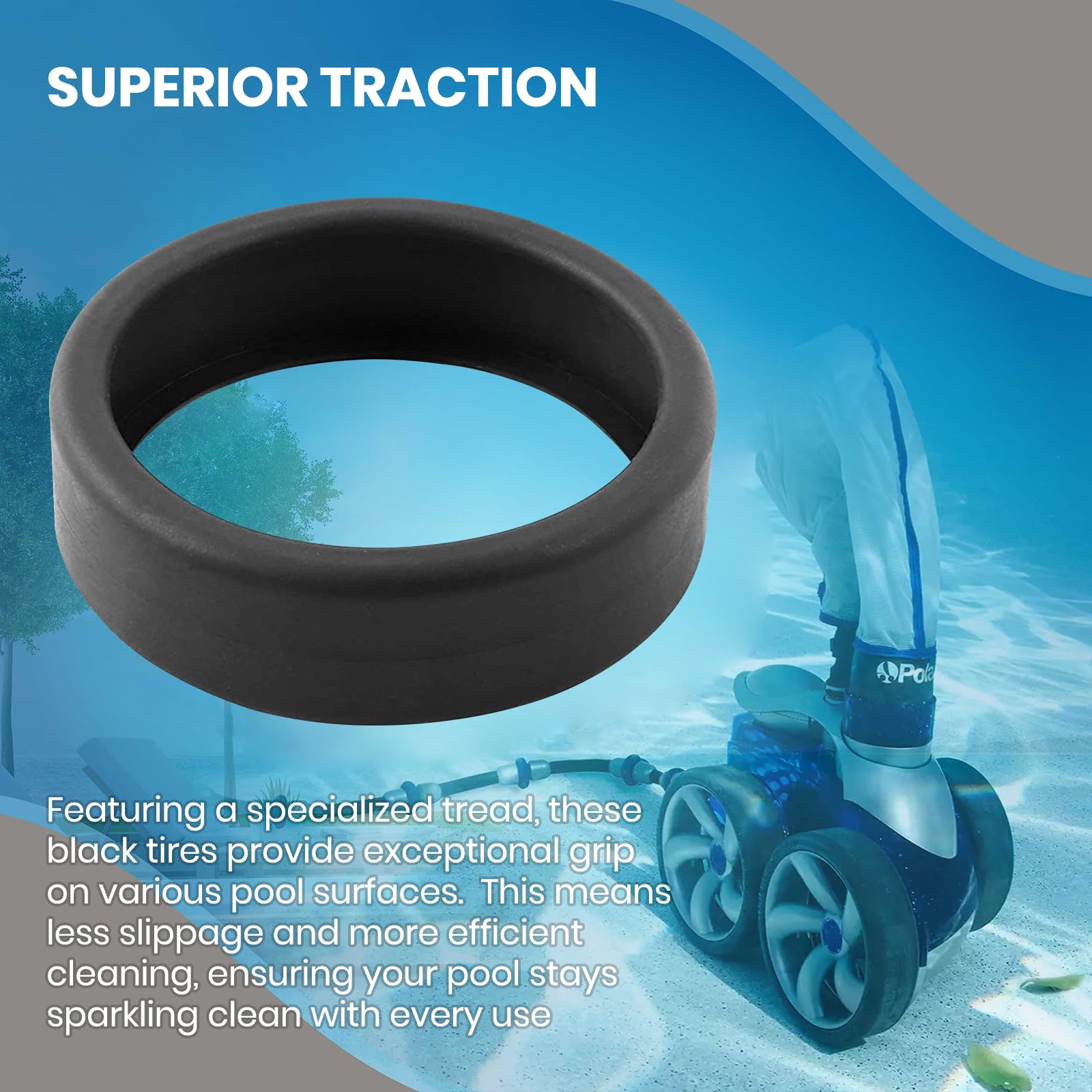
5. Use Only Genuine Polaris Parts
- Cheap or wrong parts may not fit or last as long.
6. Lubricate Bearings If Needed
- Use a silicone-based pool-safe lubricant on bearings.
- Never use oil-based products—they attract dirt.
7. Watch For Early Signs Of Trouble
- If the cleaner slows down, wobbles, or makes new noises, check it right away.
Credit: www.amazon.ae
Common Mistakes And How To Avoid Them
Even experienced pool owners can make errors. Here’s how to avoid the most common ones:
1. Ignoring Early Warning Signs
A slow or noisy wheel usually means a small problem. Fix it early to avoid bigger repairs.
2. Using Wrong Parts
Some generic belts and bearings may fit but don’t last. Always use parts made for the Polaris 3900.
3. Skipping Maintenance
A quick rinse and check can add years to your cleaner’s life. Don’t wait until it stops working.
4. Over-tightening Screws
Tight is good, but too tight can crack plastic parts or strip threads.
5. Letting The Cleaner Run Dry
Always keep the cleaner in water when the pump is on. Running dry can overheat the turbine and damage seals.
When To Call A Professional
Some repairs are best left to experts, especially if:
- You hear loud grinding or rattling inside the cleaner.
- The cleaner leaks water from the body.
- You have replaced belts and bearings, but the wheels still do not turn.
- The booster pump does not work or makes strange noises.
A good pool technician can fix complex problems and check for hidden issues you might miss.

Credit: www.youtube.com
Expert Advice For Long-term Reliability
As someone who has repaired many Polaris 3900 cleaners, I’ve learned a few things:
- Check the wall connection O-ring: A leaking O-ring at the pool wall can drop pressure and slow the wheels.
- Monitor wheel RPM: Polaris recommends 28–32 rotations per minute. Too slow means low pressure, too fast can wear out parts.
- Replace belts every two years: Even if they look okay, belts lose strength over time.
- Keep a spare parts kit: Having extra belts and bearings saves time when something breaks.
Real-world Example
Samantha, a pool owner in Arizona, noticed her Polaris 3900 stopped moving. She checked the wheels and found one was stiff. Following the troubleshooting steps, she discovered a dry, cracked bearing and a stretched drive belt. After replacing both, her cleaner ran perfectly again.
She now checks her cleaner every month and has avoided more problems.
Frequently Asked Questions
Why Does My Polaris 3900 Move, But The Wheels Do Not Turn?
Usually, the belts are broken or slipping. Check both belts and replace if needed.
How Often Should I Replace Wheel Bearings?
Every 1–2 years, or when they feel rough or noisy.
What Can Cause Low Water Pressure To My Polaris 3900?
Clogged pool filter, dirty pump basket, air leaks in the hose, or a weak booster pump.
Is It Safe To Use Lubricant On The Wheels?
Yes, but only use silicone-based lubricant made for pool cleaners.
Where Can I Find Polaris 3900 Replacement Parts?
Your local pool supply store or the [official Polaris website](https://www.polarispool.com/). Make sure to buy genuine parts for best results.
When the wheels of your Polaris 3900 stop turning, it can be a hassle, but most problems have simple solutions. Start with the basics: check for blockages, inspect the belts and bearings, and make sure water pressure is strong. With regular maintenance and quick repairs, your cleaner will keep your pool sparkling for many seasons.
Remember, small issues are easier and cheaper to fix early. With the tips and steps in this guide, you can handle most problems yourself. If you run into something you can’t fix, don’t hesitate to ask a pool pro for help.
Enjoy your clean, clear pool—and a Polaris 3900 that works as hard as you do!