
If you own a swimming pool, you probably care about keeping your water clean, warm, and safe. Many pool owners use a pool cover for these reasons. But there’s a surprising debate that leaves many confused: should the black side of your pool cover face up or down? This detail seems simple but can make a big difference in how well your cover works. Let’s dive into the science, the practical effects, and the real-world considerations so you can make the right choice for your pool.
Why Pool Cover Orientation Matters
Many pool covers have two different sides: one is black or dark-colored, and the other is blue, silver, or clear. At first glance, you might think it doesn’t matter which side faces up. In reality, the orientation impacts water temperature, cleanliness, and energy efficiency. It can even affect how long your cover lasts.
A pool cover is more than just a tarp to keep out leaves. The color and material absorb or reflect sunlight, control evaporation, and can help (or hurt) your pool’s energy use. That’s why it’s worth understanding both the science and the practical effects before you simply throw your cover over the water.
The Science Behind Pool Cover Colors
To decide which side should face up, you need to know what the colors do.
How Color Affects Heat
Black absorbs more heat from sunlight than any other color. When the black side is up, it soaks up solar energy and gets hot. If you flip it, the black side faces the water and can transfer heat downwards.
Lighter colors like blue or silver reflect more sunlight. If the light side is up, it keeps the cover (and the pool) cooler, but it may not warm your pool as much.
Evaporation And Heat Retention
Pool covers also reduce evaporation—a major source of heat loss. When water evaporates, it takes heat with it. The right cover orientation can help lock in warmth, saving on heating costs and making swimming more comfortable.
Uv Resistance
Many black materials are more resistant to UV rays. This means they can last longer when exposed to sunlight. But this also means more sun energy is absorbed, which might not always be what you want.
The Most Common Types Of Pool Covers
Before you decide how to use your cover, it’s important to know which type you have. The material and construction affect which side should face up.
| Type of Cover | Typical Colors | Main Use |
|---|---|---|
| Solar (Bubble) Cover | Blue/Clear & Black | Heating, evaporation control |
| Thermal Blanket | Silver & Black, Blue & Black | Insulation, heat retention |
| Winter Safety Cover | Green/Blue & Black | Debris, safety |
| Simple Tarp | Blue/Green & Black | Debris only |
Each cover type is designed for a specific purpose, and the color arrangement often supports that purpose. For example, solar covers are built to maximize heat from the sun, while winter covers focus on strength and debris protection.
What Happens When The Black Side Faces Up
Let’s look at the effects of putting the black side up.
Maximum Heat Absorption
The black side collects more solar energy. This can make the surface of the cover hot. Some of that heat may transfer to the pool, especially in thin or bubble covers. This is useful if you want to warm your pool naturally.
Faster Degradation Risk
Because black absorbs more UV light, it can break down faster unless made from UV-resistant materials. Over time, the top layer could become brittle, fade, or even crack.
Less Visible Dirt
Black surfaces hide dirt, algae, and stains better than lighter colors. Your cover might look cleaner, even if it’s not.
Increased Water Temperature
In hot climates or in peak summer, too much heat can make the pool uncomfortably warm, encourage algae, or increase chemical usage.

Credit: intheswim.com
What Happens When The Black Side Faces Down
Now, consider the black side down.
Heat Transfer To The Water
When the black side is in contact with the pool water, it can transfer absorbed heat directly to the water below. This is especially true for bubble covers, where the bubbles act as mini-greenhouses.
Reduced Surface Temperature
With the lighter side up, less solar heat is absorbed on the surface, keeping the cover cooler and reducing the risk of damage.
Visible Dirt And Wear
The light side on top will show leaves, dust, and stains more clearly. While this makes cleaning easier, it can look messy between cleanings.
Slower Degradation
A lighter or UV-resistant top surface can last longer. The black side, now protected from direct sunlight, stays flexible and intact longer.
Manufacturer Instructions: What Do They Say?
You might think the answer is always in the box. But not all manufacturers give clear guidance. When they do, it’s important to follow their advice to avoid voiding warranties.
- Solar covers: Most recommend bubbles down (which is often the black side). This maximizes heat transfer.
- Thermal blankets: Usually, the black or reflective side goes down for insulation.
- Winter covers: Usually, the black side faces down to reduce algae growth.
- Simple tarps: Orientation may not matter as much, but black down is common.
Always check your specific product’s manual or the company’s website. Misuse can shorten the life of your cover or make it less effective.
Real-world Results: Pool Owner Experiences
Pool forums and owner groups are full of debates. Here’s what actual users report:
- Warming the pool: Owners in cooler climates often prefer black side down. They get more heat into the water, extending the swimming season.
- Algae control: The black side blocks sunlight, slowing algae growth. This is helpful when the pool isn’t used for long periods.
- Debris hiding: Some like the black side up because it looks cleaner, even if it’s not always best for heat.
- Cover damage: Covers with the black side up sometimes wear out faster, especially in sunny places.
One non-obvious insight: Some pool owners cut a small patch of each color and float them to test which gives the best temperature rise over a few days. This hands-on approach is a smart way to check what works for your setup.
Heat Gain Vs. Heat Loss: The Key Factors
Should you aim to gain heat or prevent heat loss? The answer depends on your climate and pool use.
| Goal | Best Orientation | Why |
|---|---|---|
| Warm up cool water | Black side down | Transfers more heat to water |
| Prevent overheating | Light side up | Reflects sunlight, keeps pool cooler |
| Reduce algae | Black side down | Blocks sunlight from water |
| Prolong cover life | Light side up | Protects black side from UV |
If you live in a place with cool nights and want warmer water, black side down is usually better. If your pool gets too hot, or you want the cover to last longer, go with the light side up.
The Role Of Pool Cover Material
Not all covers behave the same way. The material matters as much as the color.
Bubble (solar) Covers
These are made of two layers: a flat top and a bubble side. The bubbles trap heat and help it move into the water. For these, the bubble (often black or dark) side almost always goes down. This is true even if the black side is shiny or textured.
Vinyl And Solid Covers
Some heavy-duty covers have one side coated for UV resistance. If the black side is rubberized or extra tough, it’s usually meant to face up. But if it’s soft and flexible, it probably goes down.
Mesh Covers
Mesh covers, often used for safety, don’t rely much on color. They let water through but block debris. For these, orientation is less important.
Energy Savings: How Cover Position Affects Costs
A well-placed pool cover can save money. According to the U.S. Department of Energy, using a cover can cut pool heating bills by up to 70%. But only if you use the right cover, the right way.
- Black side down: Transfers more heat, reduces heater use in cool climates.
- Light side up: Reflects sun, avoids overheating in hot regions.
- Black side up: May waste energy if pool gets too hot or loses heat to the air.
Remember, if your pool is already at a comfortable temperature, the main goal should be to keep it there, not to keep heating it up.
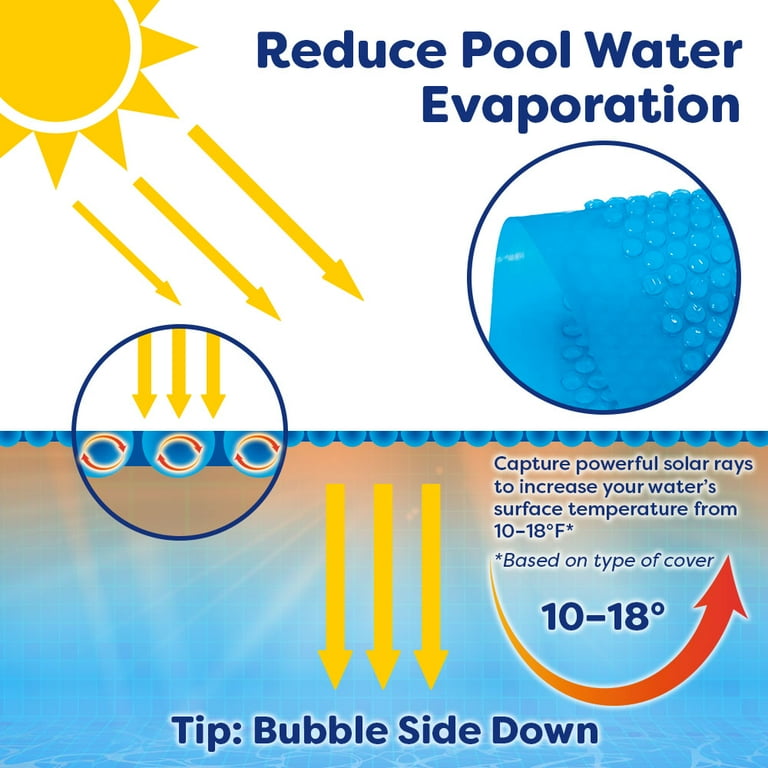
Credit: www.walmart.com
Algae Growth And Pool Cover Color
Sunlight is food for algae. The black side blocks more sunlight from reaching the water. This slows algae growth under the cover, especially in warmer months or if the pool isn’t used daily.
If you struggle with green or cloudy water, black side down can help. But it’s not a substitute for proper chemical balance and cleaning.
Cover Longevity: Getting The Most Out Of Your Investment
A pool cover isn’t cheap. How you use it affects how long it lasts.
- UV damage: The side facing the sun takes the most abuse. Most covers are designed with a UV-resistant top layer.
- Chemical exposure: The side touching the water may contact chlorine and other chemicals. Some black layers resist these better.
- Abrasion: Dragging the cover, folding, or rolling can wear out either side.
Inspect your cover regularly. If you see cracking, fading, or peeling, it may be time for a replacement.

Credit: www.landsend.com
Safety Considerations
Some pool covers are designed as safety covers. They prevent children or pets from falling in. These covers are usually heavy-duty and often have a black underside. For these, always follow the manufacturer’s instructions. Improper installation can create gaps or weak spots.
Cleaning And Maintenance Tips
Whichever side you choose, maintenance is key. Here are a few tips:
- Rinse regularly: Wash off dirt and debris with a hose.
- Dry before storing: Prevent mold and mildew by letting the cover dry completely before folding.
- Avoid sharp objects: Even small tears can grow quickly.
- Store in shade: If possible, keep the cover out of direct sun when not in use.
- Check both sides: Look for algae or chemical buildup on the water side, and fading or cracking on the top.
A clean, well-maintained cover works better and lasts longer.
Common Mistakes To Avoid
Many pool owners make simple errors that reduce the benefits of their cover:
- Ignoring the manual: Always check manufacturer advice.
- Choosing the wrong side for your climate: Hot climates may need the light side up, cool ones the black side down.
- Leaving the cover on in extreme heat: This can overheat water and damage the cover.
- Not securing the cover: Wind can lift and damage poorly fastened covers.
- Storing wet: Leads to mold and bad smells.
The best results come from matching your cover use to your local weather and your pool’s needs.
Regional Differences: Does Location Matter?
Yes, where you live changes everything. Here’s how:
- Northern regions: Nights are cooler, so maximizing heat gain is important. Black side down is usually best.
- Tropical climates: Pools can overheat. Light side up reflects sun and keeps water comfortable.
- High-altitude areas: Sunlight is more intense. UV damage is a bigger risk, so a UV-resistant side should face up.
A non-obvious tip: In areas with wide temperature swings, some pool owners flip the cover based on the season—black side down for spring/fall, light side up in peak summer.
Environmental Impact
Using your pool cover the right way saves water and energy. Less evaporation means less need to refill and reheat the pool. Heating with the sun instead of electricity or gas reduces your carbon footprint.
If you use the black side down, you may be able to delay or avoid using the pool heater. If you use the light side up, you may reduce the risk of excessive chlorine use from overheating and algae.
Quick Reference: Which Side Up?
If you want a simple answer, here’s a summary for most covers:
- Solar (bubble) cover: Bubbles down (often black side down)
- Thermal blanket: Black side down for insulation
- Winter cover: Black side down to reduce algae
- Simple tarp: Black side down preferred, but not always critical
But always check your cover’s instructions. If in doubt, test both ways over a few days and measure the water temperature.
Do-it-yourself Testing: Find What Works Best
Here’s a practical experiment you can do:
- Cut a small square from each side of your cover.
- Float both on the water, one black side up, one black side down.
- Use a thermometer to measure water temperature under each after a sunny day.
- Check for algae or dirt buildup after a week.
This hands-on approach can reveal which orientation gives the results you want for your unique pool.
When Orientation Doesn’t Matter
For some covers, the difference is small. Heavy-duty winter or safety covers are more about strength and safety than temperature. For mesh covers, color is less important. If you have a plain tarp or a single-color cover, focus on fitting and fastening, not orientation.
Professional Advice And Industry Standards
Most pool professionals recommend following the specific instructions for your cover type. If you’re unsure, ask a certified pool technician. A well-installed cover, used correctly, can cut energy bills, reduce maintenance, and make swimming more enjoyable.
For further reference, the U.S. Department of Energy offers useful guidance on pool covers and energy savings at their official site: U.S. Department of Energy.
Frequently Asked Questions
Should The Black Side Of My Pool Cover Face Up Or Down?
In most cases, the black side should face down. This helps transfer heat into the pool and blocks sunlight to reduce algae. However, always check your manufacturer’s recommendations, as some covers are designed differently.
Does Using The Black Side Up Heat The Pool Faster?
Not usually. While the black side up absorbs more sun, it also loses heat to the air. Black side down transfers more heat directly to the water, making your pool warmer.
Will The Black Side Down Make My Pool Cover Last Longer?
Yes, in many cases. The lighter, UV-resistant side is designed to handle sunlight, while the black side is protected underneath. This can extend the life of your cover.
Does The Cover Orientation Affect Algae Growth?
Yes. The black side blocks sunlight, which algae need to grow. With the black side down, less light reaches the water, so you may see less algae under the cover.
What If My Pool Cover Is All One Color?
If your cover is the same color on both sides, orientation matters less. Focus on fitting the cover tightly and keeping it clean for best results.
Pool cover orientation may seem like a small detail, but it can have a big impact on your pool’s comfort, cost, and care. Taking the time to get it right helps you enjoy a cleaner, warmer, and more energy-efficient pool all season long.