
A swimming pool can be one of the best features of your home, but nothing disrupts a relaxing swim like mechanical problems. One of the most common headaches for pool owners is a pool pump that loses prime overnight. You may have noticed your pump running dry in the morning, water levels dropping in the pump basket, or even strange noises from the motor. These are not just minor annoyances—they signal a problem that, if ignored, can lead to bigger repairs and even health risks from poor water circulation.
If you’re tired of dealing with a pump that just won’t hold its prime, you’re not alone. This issue is frustrating, but it’s also fixable. With the right knowledge and a bit of patience, you can solve most priming problems yourself.
In this article, you’ll learn exactly what causes your pool pump to lose prime overnight, how to diagnose the issue, and the step-by-step solutions to restore your pool’s circulation. We’ll also cover tips for prevention and answer the most common questions pool owners have about this problem.
What Does It Mean When A Pool Pump Loses Prime?
A pool pump loses prime when it cannot maintain a solid column of water in its system. Instead of pulling water from the pool and pushing it through the filter and back, the pump fills with air, resulting in little or no water movement. This usually happens overnight when the pump is off, but sometimes it occurs during operation.
When the pump loses prime, you may see these signs:
- The pump basket is mostly air, not water, in the morning.
- Water is not circulating, or only a trickle flows from the return jets.
- The motor sounds louder or more strained than usual.
- The pressure gauge on your filter is low or reads zero.
Priming is essential for pool pumps because they are designed to move water, not air. Without proper priming, the pump can overheat, seals can dry out and crack, and the water in your pool won’t be filtered or sanitized properly.
Why Is Priming So Important?
Priming ensures that water fills all the pipes and the pump itself. A primed pump works efficiently, keeps the motor cool, and ensures all the pool’s water is filtered and treated with chemicals. When the pump loses prime, a few things can go wrong:
- Motor damage: Running dry for even a short time can ruin the motor.
- Poor water quality: No circulation means algae and bacteria can grow quickly.
- Air lock: Air pockets can form, making it even harder to restore prime.
- Higher energy costs: The pump works harder and less efficiently.
Understanding why your pool pump loses prime is the first step to solving the problem.
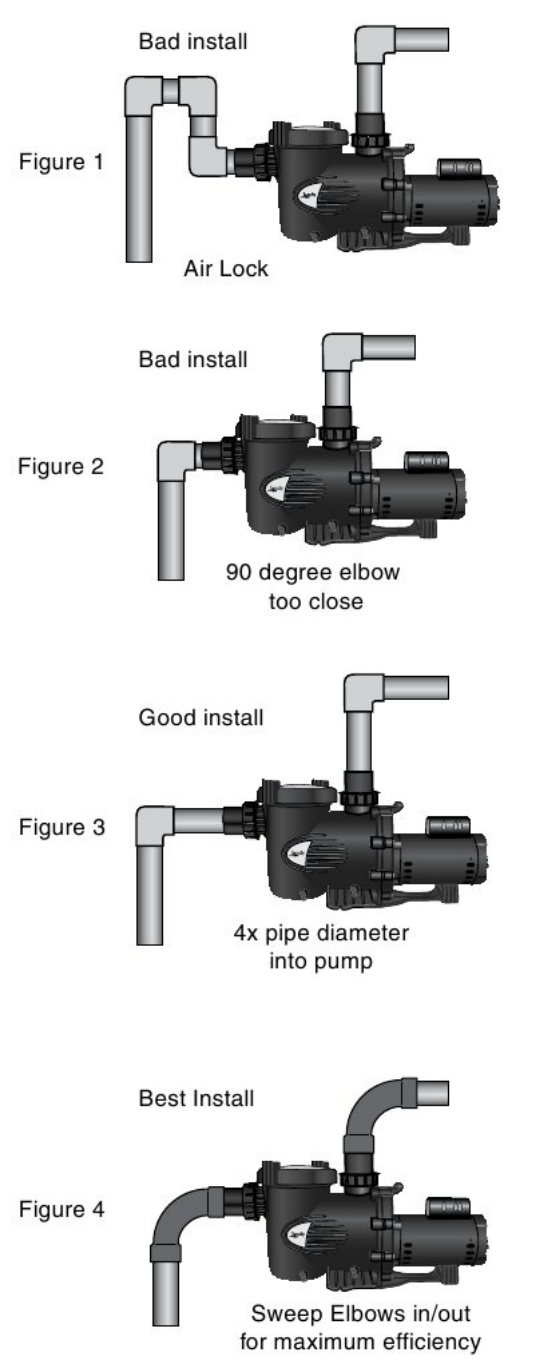
Credit: forum.inyopools.com
Main Causes Of A Pool Pump Losing Prime Overnight
There are several reasons why a pump might lose prime. Let’s break down the most common causes and how they interact.
1. Air Leaks In The Suction Side
The suction side is the part of the system that draws water from the pool to the pump. Any air leak here allows air into the system, which pushes water out of the pump overnight.
Common places for air leaks:
- Pump lid gasket or O-ring (worn, cracked, or dirty)
- Pipe joints or unions (loose or poorly glued)
- Skimmer basket or weir (cracks or poor fitting)
- Pump drain plugs (missing or loose)
- Cracked pipes between pool and pump
Non-obvious insight: Even a tiny crack or loose fitting can let enough air in to break the prime after a few hours.
2. Low Water Level In The Pool
If your pool water level drops below the skimmer opening, the pump will suck air instead of water. Evaporation, splash-out, or a slow leak can lower the water enough to cause overnight priming loss.
Tip: During hot months, check the water level more often, as it can drop several inches in a week.
3. Faulty Or Clogged Pump Lid O-ring
The pump lid O-ring creates a tight seal. If it’s dirty, dry, cracked, or missing, air sneaks in each time the pump is off. Even if you can’t see a problem, old O-rings can go flat and lose flexibility.
Non-obvious insight: Lubricating the O-ring with a pool-safe lubricant can restore the seal if it’s not too worn.
4. Clogged Or Dirty Skimmer And Pump Baskets
Leaves, dirt, and debris in the skimmer basket or pump basket reduce flow and can create suction pressure that pulls in air through the smallest leaks. The system may lose prime as the water can’t move freely.
5. Faulty Or Leaking Valves
Your pool has several valves—multiport, check, or ball valves. If any of these valves are loose or have failed gaskets, air can enter. A leaking check valve on the return line may allow water to drain back into the pool overnight.
6. Cracked Or Damaged Pump Housing
A small crack in the pump housing or the clear pump lid lets air leak in, especially when the system cools down at night and contracts.
Example: A hairline crack may not drip water when the pump is off but can still break the prime.
7. Problems With The Suction Line
If the suction line (the pipe from the pool to the pump) has a leak underground or at a joint, air will enter and water will leak out, causing loss of prime.
8. Poor Equipment Pad Design
If your pump sits above pool water level or on an uneven pad, gravity can pull water back into the pool when the pump turns off. This is more common in older pools or DIY installations.
9. Leaking Or Broken Check Valve
A check valve keeps water from flowing backward. If it fails, water can drain out of the system when the pump stops, leaving air in the pipes and pump.
10. Bad Pump Seals Or Shaft Seal
The shaft seal inside the pump can wear out, letting air in (and sometimes water out). This is harder to spot but can cause persistent priming issues.
11. Clogged Or Broken Main Drain
If the main drain is clogged with debris or blocked, the pump will struggle to pull water, often sucking air from other sources.
12. Air In The Filter Tank
After backwashing or cleaning, air can stay trapped in the filter tank. If not bled out, this air can find its way into the system and cause priming loss overnight.
13. Plumbing Settling Or Shifting
If your pool is older, underground pipes may have shifted, cracked, or settled. This can create new leaks that were not present when the pool was built.
How To Diagnose The Cause
Finding the reason your pool pump loses prime overnight can be tricky, but a systematic approach helps. Here’s how you can track down the problem:
Step 1: Visual Inspection
- Check the water level in the pool and skimmer.
- Look for wet spots around the pump, pipes, and equipment pad.
- Inspect pump lid, O-ring, and all visible joints for cracks or damage.
- Look for air bubbles in the pump basket or return jets.
Step 2: Listen And Observe
- Turn on the pump and listen for gurgling or sucking sounds, which can indicate air leaks.
- Notice if the pump basket fills with water quickly or remains partly empty.
Step 3: Check The Pump Lid And O-ring
- Remove, clean, and inspect the O-ring for cracks or dirt.
- Lubricate and reseat the O-ring, ensuring a tight seal.
Step 4: Test For Suction Leaks
- With the pump running, spray shaving cream or soapy water on pipe joints and fittings.
- If you see the foam sucked in, you’ve found a leak.
- Tighten or reseal joints as needed.
Step 5: Bleed Air From The System
- Open the air relief valve on the filter while the pump is running.
- Watch for bubbles to stop, then close the valve.
Step 6: Check For Valve And Housing Leaks
- Inspect all valve handles and housings for water drips or air bubbles.
- Replace faulty valve gaskets as needed.
Step 7: Professional Leak Test
- If you can’t find the problem, consider a professional pressure test for underground leaks.
Common Fixes For A Pump That Loses Prime
Once you’ve identified the cause, fixing a pool pump that loses prime is usually straightforward. Here are the most effective solutions:
Clean And Lubricate The Pump Lid O-ring
- Remove the lid and O-ring.
- Wash with mild soap and water.
- Dry and apply a thin layer of pool-safe lubricant.
- Replace the O-ring if it’s cracked or flattened.
Tighten Or Reseal Pipe Joints And Unions
- Use Teflon tape or pool-grade PVC cement on threaded joints.
- For unions, hand-tighten securely; do not overtighten, which can crack the plastic.
Raise The Pool Water Level
- Keep the water at least halfway up the skimmer opening.
- Top off the pool regularly, especially in hot weather.
Clean Skimmer And Pump Baskets
- Remove all debris from baskets at least weekly.
- Check after storms or heavy pool use.
Replace Worn Valves Or Check Valves
- Install new gaskets or O-rings in leaking valves.
- Replace faulty check valves to prevent backflow.
Repair Or Replace Cracked Pump Housing
- For minor cracks, use a two-part epoxy made for pool equipment.
- For large cracks, replace the housing.
Repair Underground Suction Line Leaks
- Minor leaks near the surface can be repaired with sealant.
- Major underground leaks may require professional repair.
Improve Equipment Pad Design
- Lower the pump level if possible so it sits closer to water level.
- Ensure the pad is level and stable.
Bleed The Filter Tank
- After any maintenance, open the filter’s air relief valve until water flows out without bubbles.
Replace Pump Shaft Seal
- If you see water under the pump or hear squealing, the shaft seal may need replacing.
- This is best done by a pool technician.
Preventing Your Pool Pump From Losing Prime
Prevention is easier than repair. To keep your pool pump primed and working well overnight, follow these tips:
- Check pool water level twice a week.
- Clean baskets and filters regularly.
- Inspect and lubricate pump O-rings monthly.
- Tighten all connections and valves at the start of the season.
- Watch for air bubbles in the return jets.
- Schedule annual professional inspections for older pools.
- Replace worn parts before they fail.
Comparing Main Causes And Solutions
To help you see which causes are most common and how difficult they are to fix, here’s a quick comparison:
| Cause | Frequency | Difficulty to Fix | DIY or Pro? |
|---|---|---|---|
| Pump lid O-ring issue | Very common | Easy | DIY |
| Low pool water level | Common | Very easy | DIY |
| Cracked pump housing | Less common | Moderate | DIY/Pro |
| Underground suction leak | Rare | Difficult | Pro |
| Valve failure | Moderate | Easy-Moderate | DIY/Pro |
How Pool Pump Location Affects Priming
The position of your pool pump matters more than most people realize. If your pump is above the pool water level, gravity will naturally pull water back to the pool when the pump turns off, especially if you don’t have a working check valve. If the pump is at or below water level, the system stays flooded with water, making it much easier to keep prime.
Here’s a quick look at how pump location changes priming:
| Pump Location | Priming Risk | Notes |
|---|---|---|
| Above water level | High | Needs perfect seals and check valve |
| At water level | Medium | Seals still important, but gravity helps |
| Below water level | Low | Water stays in pump naturally |
Tip: If you have frequent priming problems, check your pump’s height compared to the pool.
The Role Of Check Valves In Maintaining Prime
A check valve is a simple device that lets water flow one way—toward the pump—but blocks it from draining back to the pool. This is especially important for pumps installed above water level. A broken or missing check valve means water drains out of the pump and pipes overnight, leading to loss of prime.
Check valves can wear out or get clogged. If you suspect yours isn’t working, you may see water draining out of the pump basket as soon as the pump turns off.
Symptoms Of A Failing Check Valve
- Water in the pump basket drops quickly when the pump stops.
- Pump takes a long time to prime in the morning.
- Air bubbles appear in the pool return jets after start-up.
Replacing A Check Valve
- Shut off the pump and close all valves.
- Remove the old check valve using a wrench or by loosening unions.
- Install the new valve, ensuring it points the right way.
- Reprime the pump and check for leaks.
When To Call A Professional
While many priming problems are easy to fix, some require a pool technician:
- Underground leaks (require specialized tools)
- Major cracks in pump or filter tank
- Persistent loss of prime after basic fixes
- Electrical issues with the pump motor
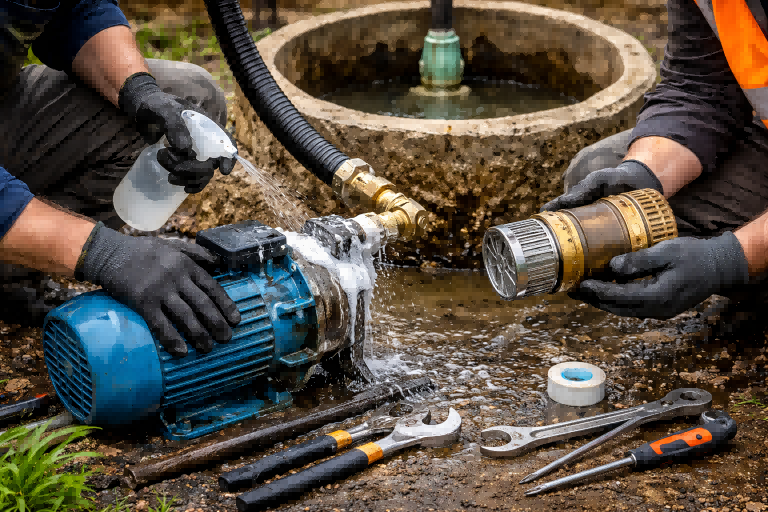
A good pool pro can do a pressure test or use listening devices to find hidden leaks. This can save you time and money in the long run.
Credit: www.rafsun.com
Real-world Example: Diagnosing A Tricky Case
Imagine you wake up and find your pool pump basket empty every morning, but you can’t see any leaks. You’ve replaced the O-ring, checked all valves, and made sure the water level is right. Still, the pump loses prime.
What could be wrong?
In one real case, the problem was a tiny crack in the pump lid, almost invisible to the eye. Only when the pump cooled overnight did the crack open enough to let in air. Replacing the pump lid solved the problem instantly.
Lesson: Never underestimate tiny cracks or hairline damage.
Maintenance Schedule To Prevent Priming Problems
A little routine care can prevent most pool pump priming issues:
| Task | Frequency | Notes |
|---|---|---|
| Check pool water level | 2x per week | More in summer |
| Clean skimmer/pump baskets | Weekly | After storms too |
| Inspect pump O-ring | Monthly | Lubricate as needed |
| Check for leaks around pump | Monthly | Look for wet spots |
| Professional inspection | Annually | Pressure test for older pools |
Key Mistakes Pool Owners Make
Many pool owners unknowingly make choices that increase priming problems:
- Ignoring small leaks: Even tiny drips or air bubbles can signal bigger issues.
- Not cleaning baskets regularly: Debris reduces water flow and stresses the system.
- Delaying O-ring replacement: Old O-rings lose their shape, even if they look fine.
- Skipping check valve replacement: Old valves can fail suddenly.
- Letting water level drop: Even a half-inch too low can break the prime.
Avoid these mistakes to keep your pump running smoothly.
How Losing Prime Affects Pool Health
It’s tempting to ignore a pump that loses prime overnight, especially if it seems to work during the day. But the hidden effects add up:
- Algae growth: Stagnant water grows algae quickly, especially in hot weather.
- Cloudy water: Poor circulation means dirt and debris don’t get filtered.
- Chemical imbalance: Chemicals don’t mix properly without good water movement.
- Increased repair costs: Motors and seals wear out faster when run dry or with air.
Tip: If you notice your pool water turning green or cloudy, check your pump’s prime first.

Credit: www.youtube.com
Upgrading Your System: When Is It Time?
If your pool is over 10 years old, or you’re constantly fighting priming problems, it might be time to upgrade:
- Modern pumps have better seals and quieter motors.
- Variable-speed pumps are more efficient and less likely to lose prime.
- New plumbing can eliminate hidden leaks from old, brittle pipes.
Before investing, get a professional evaluation to see which upgrades will help most.
Trusted Resources For Pool Owners
If you want to learn more or need step-by-step guides, the U.S. Department of Energy has an excellent resource on pool pumps and maintenance: Energy.gov Pool Pump Tips.
Frequently Asked Questions
Why Does My Pool Pump Lose Prime Only At Night?
Temperature changes cause pipes and fittings to contract, opening small leaks that may not appear during the day. Also, when the pump is off, gravity can pull water back to the pool if you have leaks or a missing check valve.
Can A Dirty Filter Cause Loss Of Prime?
A very dirty filter increases back pressure, making it harder for the pump to pull water. While not a main cause, it can make existing leaks or suction problems worse.
How Long Can A Pool Pump Run Dry Before Damage Occurs?
Most pool pumps can only run dry for a few minutes before the seal or motor is damaged. Never let your pump operate without water in the basket.
What Is The Best Lubricant For Pump O-rings?
Use a silicone-based, pool-safe lubricant. Do not use petroleum jelly, as it breaks down rubber over time.
Should I Always Call A Professional For Priming Problems?
Many priming issues are easy fixes, like cleaning the O-ring or tightening fittings. However, if you can’t find the cause, or suspect an underground leak, a professional can save you time and prevent costly damage.
A pool pump that loses prime overnight is more than an inconvenience—it’s a sign your system needs attention. By understanding the causes, diagnosing carefully, and following the right steps, you can enjoy a clean, healthy pool all season long. Pay attention to the small details, and your pump will reward you with years of trouble-free service.