
When you are building or filling your swimming pool, you expect everything to go smoothly. But sometimes, you notice something strange: the pool walls start to bend or buckle as the water rises. This problem can be alarming, especially if you are new to pool installation. Understanding why pool walls buckle while filling, how to prevent it, and what to do if it happens is essential for anyone installing or maintaining a pool.
This article dives deep into the causes of buckling pool walls, how to spot issues early, practical steps to avoid damage, and what actions to take if you see your pool walls deform. Whether you have an above-ground or in-ground pool, the information here will help you protect your investment and enjoy a safe swimming experience.
What Does “pool Walls Buckling” Mean?
When we say pool walls buckling, it means the walls are bending, twisting, or collapsing inward. Usually, this happens during the filling process. The walls look uneven, with some sections pushed inwards or wrinkled. In extreme cases, the wall can break or fold completely, causing water to leak or the pool to fail.
Buckling is most common in above-ground pools made of metal or resin. In-ground pools can also show signs of wall movement, especially if the soil around them shifts or the structure is weak.
Recognizing buckling early is important. Even small bends can become worse if you keep filling the pool. If left unchecked, the pool might become unusable or unsafe.
Causes Of Pool Walls Buckling While Filling
Buckling pool walls are usually not random. There are several specific causes, and understanding them is the first step in preventing damage.
1. Uneven Ground Or Poor Base Preparation
If the ground under your pool is not level or is soft, the weight of the water pushes unevenly on the walls. This makes some sections bend more than others. A small slope can cause a lot of stress on one side, leading to buckling.
For above-ground pools, the base must be firm and flat. Sand or crushed stone is often used, but if not packed tightly, it can shift when water is added.
2. Incorrect Pool Assembly
Pools are designed to handle water pressure only when assembled correctly. If you missed a step, used the wrong bolts, or failed to tighten connections, the structure becomes weak. Some common mistakes include:
- Skipping support beams
- Not aligning wall panels properly
- Forgetting to anchor the pool
These mistakes leave gaps or weak spots that buckle easily under pressure.
3. Damaged Or Low-quality Materials
Using old or damaged pool walls increases the risk of buckling. Sometimes, the metal is rusted, or the resin is cracked. Cheap materials may not be strong enough to hold water.
Pool walls are often thin sheets of steel or aluminum. Any dents, bends, or holes make them weaker. If the wall was damaged during storage or transport, it can buckle quickly.
4. Filling Too Quickly
Water adds weight fast. If you fill your pool too quickly, the walls do not have time to adjust to the pressure. Some installers recommend filling slowly to let the base settle and the walls hold evenly.
A sudden rush of water can push walls inward before they are ready. This is especially true for above-ground pools with thin walls.
5. Wrong Liner Installation
The pool liner acts as a cushion between the water and the wall. If the liner is not fitted correctly, it can pull the walls inward as it stretches. Wrinkles or folds in the liner create uneven pressure, increasing the risk of buckling.
Some beginners forget to smooth the liner, or they let it hang loose. As water fills, the liner pulls inwards, bending the wall.
6. Poor Soil Conditions
The ground around an in-ground pool matters. Soft or expansive soils (like clay) can shift as water is added. If the soil is not compacted properly, it moves and pushes the pool walls.
For above-ground pools, soil that becomes muddy or wet during filling can let the base sink, causing the wall to buckle.
7. Weather Factors
Heavy rain during filling can make the ground soft and unstable. If wind is strong, it can push on empty pool walls, making them flex before water stabilizes them.
Extreme heat can cause metal or resin walls to expand or weaken. If you fill your pool during a heatwave, check the walls regularly.
8. Not Using Wall Braces Or Supports
Some pool designs need extra braces or buttresses to hold the walls firm. If you skip these supports, the walls may not be strong enough to handle water pressure.
Always follow the manufacturer’s instructions about braces. Do not assume your pool will be fine without them.
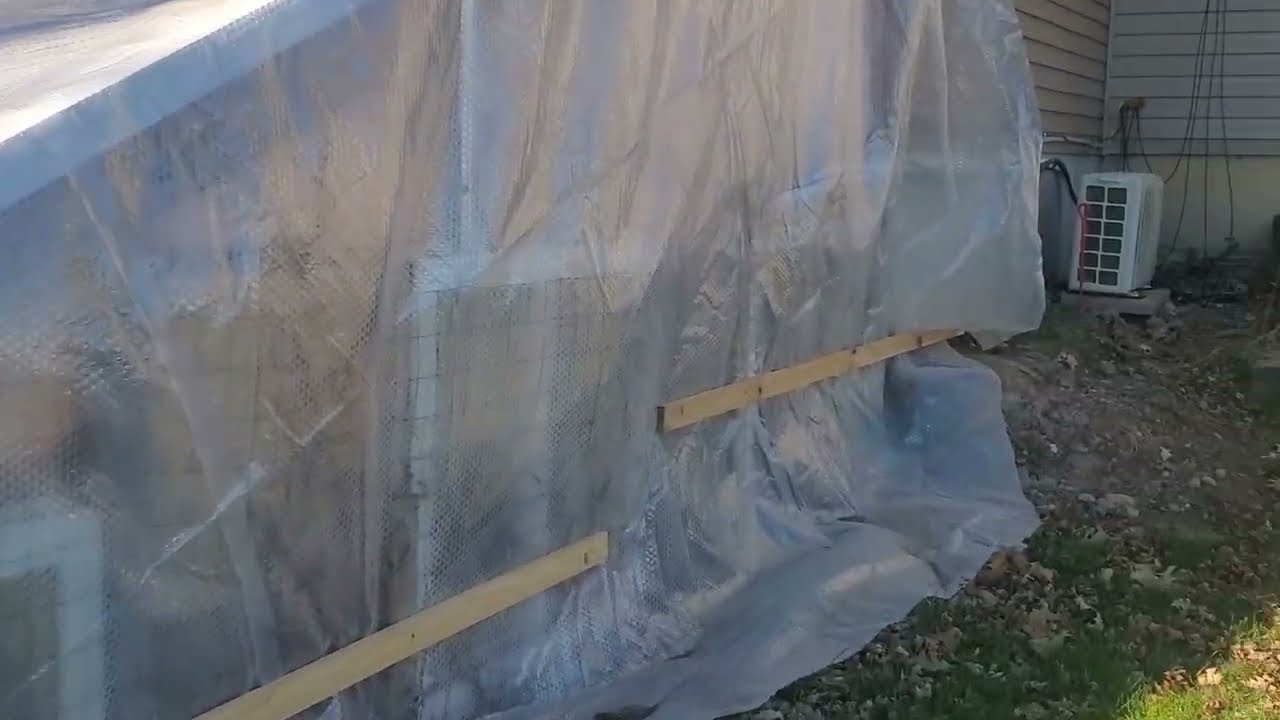
Credit: www.youtube.com
How To Prevent Pool Walls From Buckling
Prevention is always better than repair. Here are practical steps to keep your pool walls safe during filling.
Prepare The Base Carefully
The pool base must be flat, firm, and smooth. Remove rocks, roots, and debris. Use a level to check the ground. Compact sand or crushed stone tightly. Never install a pool on soft soil or grass.
If you are unsure, hire a professional to prepare the site. A small investment here can save you from costly repairs later.
Assemble The Pool Correctly
Follow the installation manual closely. Double-check every step. Make sure all bolts, panels, and supports are secure. Ask a friend to help; two pairs of eyes catch mistakes faster.
If you have doubts about your assembly skills, consider using a pool installer.
Inspect Materials Before Use
Check the pool wall for dents, rust, or cracks. If you see any damage, do not use that section. Quality materials matter. If you buy a second-hand pool, inspect it carefully.
Choose a pool with thicker walls for extra strength. Some brands offer reinforced panels that bend less under pressure.
Fill Slowly And Monitor
Start filling your pool at a slow rate. Watch the walls as water rises. Pause every 30–60 minutes to check for bends or wrinkles.
If you see early signs of buckling, stop filling and fix the issue before continuing. Do not rush this step.
Install The Liner Properly
Smooth the liner and remove wrinkles before filling. Use a vacuum or your hands to press the liner against the wall. Make sure the liner is centered and tight.
If your liner is old or stretched, replace it before filling.
Use Wall Braces
Install all braces and supports recommended by the manufacturer. Do not skip these, even if you think your pool is small.
Braces add strength and prevent wall movement. For large pools, extra buttresses may be needed.
Watch The Weather
Avoid filling your pool during heavy rain or strong wind. Wait for dry, calm days. If it is very hot, check the wall temperature and inspect for expansion.
Compact The Surrounding Soil
For in-ground pools, compact the soil around the walls before filling. This prevents movement and adds support.
If your area has clay or soft soil, consider adding gravel or sand around the pool.
Use The Right Tools
Use a water level and a spirit level to check the pool’s alignment as you fill. Small adjustments early can prevent big problems later.
Seek Professional Help
If you are not confident, ask a pool installer to check your setup before filling. Professionals can spot weak points and fix them quickly.
Signs Your Pool Walls Are Buckling
Spotting buckling early can save your pool. Here are signs to watch for:
- Walls bending inward or outward
- Wrinkles or folds in the liner near the wall
- Gaps between the wall and the base
- Cracks or splits in the wall material
- Water leaks around the wall area
- Uneven water level as you fill
If you notice any of these, stop filling and investigate.
What To Do If Your Pool Walls Buckle
Finding a buckling wall during filling can be stressful. Here’s how to handle it calmly and effectively.
1. Stop Filling Immediately
Do not add more water. More pressure will make the problem worse. Pause and assess the situation.
2. Drain Water If Needed
If the wall is badly bent, drain some water to relieve pressure. Use a pump or siphon. Never let the pool overflow if the wall is damaged.
3. Inspect The Damage
Look for the cause. Is the base uneven? Is the liner pulling the wall? Did a brace fail? Check each possibility.
Take clear photos for reference. This will help if you need professional advice.
4. Re-level The Base
If the ground is uneven, drain most of the water and adjust the base. Add or remove sand as needed. Compact the area tightly before refilling.
5. Fix Assembly Errors
If you missed a brace or a bolt, install it now. Check all connections and tighten loose parts.
6. Replace Damaged Materials
If a wall section is cracked or rusted, replace it before refilling. Do not patch over serious damage.
7. Smooth The Liner
If the liner caused the buckling, drain water and smooth it out. Use a vacuum or your hands to press the liner against the wall.
8. Seek Professional Help
If you cannot fix the issue, call a pool installer. They can repair or replace damaged parts safely.
Above-ground Vs. In-ground Pool Buckling
Buckling problems differ between above-ground and in-ground pools. Here’s a comparison:
| Feature | Above-Ground Pool | In-Ground Pool |
|---|---|---|
| Common Buckling Cause | Poor base, weak walls, fast filling | Soil movement, liner issues, structural faults |
| Repair Difficulty | Easier to fix, parts replaceable | Harder to fix, needs excavation |
| Risk Level | Moderate, usually visible early | High, can lead to major leaks |
| Prevention | Careful assembly, slow filling | Proper soil compaction, strong structure |
Above-ground pools are easier to repair, but they buckle more often. In-ground pools need strong soil support and careful liner installation.
The Science Behind Pool Wall Pressure
Why do pool walls buckle? It comes down to water pressure. Water pushes outwards with force. The deeper the water, the stronger the pressure.
For every meter of water depth, the pressure increases by about 1 ton per square meter (10 kilopascals). Pool walls must resist this force evenly. If the wall is thin or the base is weak, the pressure bends the wall.
For example, a pool with 1. 2 meters of water depth will have about 1. 2 tons of force pushing against every square meter of wall. If the wall is not strong enough, it will buckle.
Pool Wall Materials: Which Are Most Resistant?
Pool walls come in several materials. Some are stronger than others. Here’s a comparison:
| Material | Strength | Buckling Risk | Cost |
|---|---|---|---|
| Steel | High | Low if maintained | Medium |
| Aluminum | Medium | Medium | Medium |
| Resin | Medium | Medium | Low |
| Concrete | Very High | Very Low | High |
| Fiberglass | High | Low | High |
Steel and concrete walls resist buckling best. Aluminum and resin are easier to install but bend more easily. Fiberglass is strong but expensive. Choose your material based on your pool size, budget, and climate.
Real-world Examples Of Pool Wall Buckling
Let’s look at some real-life cases:
- In a suburban neighborhood, an above-ground pool buckled during filling because the installer skipped the wall brace. The wall bent inward, causing a 2-inch gap. The fix required draining half the pool, installing the brace, and refilling slowly.
- A family in rural Texas saw their pool walls buckle after heavy rain softened the soil. The pool base sank 1 inch, bending the wall. They drained the pool, added gravel, and compacted the base before refilling.
- An in-ground pool owner noticed cracks in the liner after filling. The liner was installed with wrinkles, pulling the walls inward. They drained the pool, smoothed the liner, and the wall returned to normal.
These examples show that buckling is often preventable. Careful preparation, slow filling, and regular inspection are key.
Common Mistakes That Lead To Pool Wall Buckling
Many beginners make simple mistakes that cause buckling. Here are the most frequent:
- Skipping base leveling: Installing on uneven ground
- Filling too fast: Adding water quickly without monitoring
- Ignoring braces: Not using wall supports
- Poor liner installation: Leaving wrinkles or folds
- Using damaged materials: Installing rusty or bent walls
- Not checking soil conditions: Building on soft or shifting soil
- Not reading instructions: Missing key steps in assembly
Avoid these mistakes for a safe, strong pool.
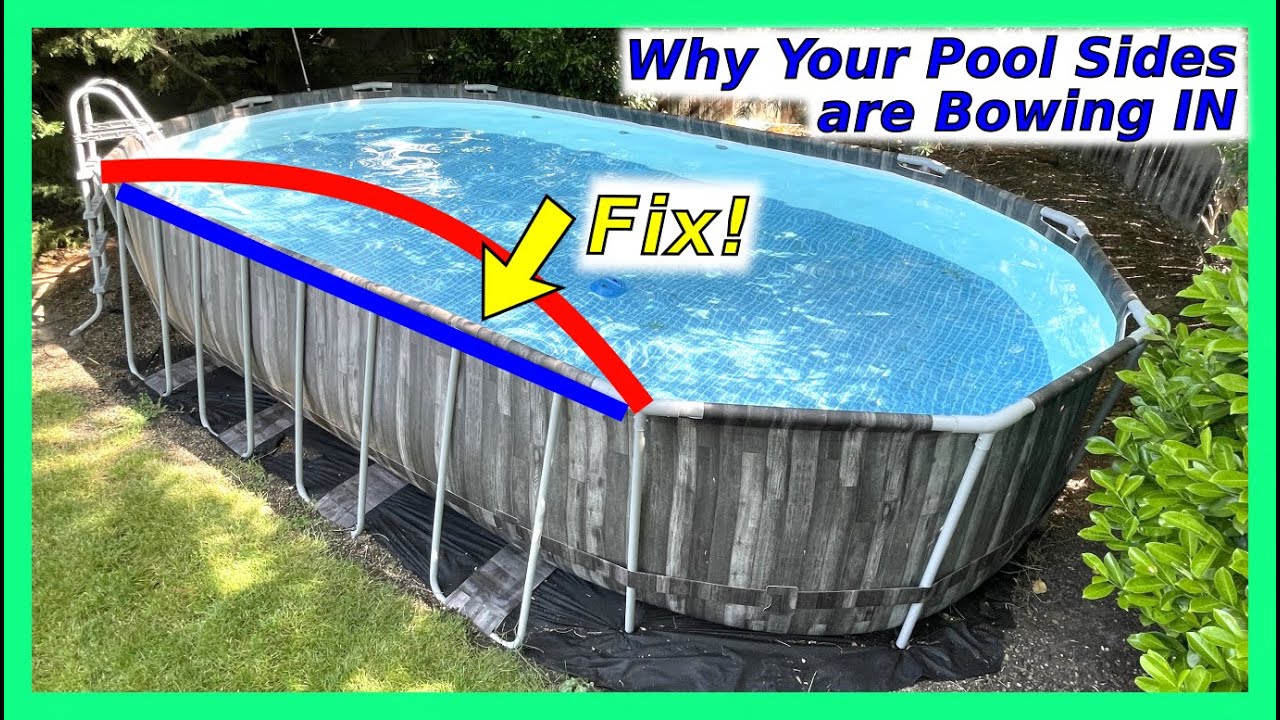
Credit: www.youtube.com
Expert Tips For Preventing Pool Wall Buckling
Even experienced installers can learn new tricks. Here are some expert insights:
- Use a laser level for base preparation. It is more accurate than a spirit level.
- Fill the pool in stages. Pause every 20 cm of water depth and inspect the walls.
- Install extra braces if your area is windy or prone to soil movement.
- For above-ground pools, use a ground cloth under the base for extra stability.
- For in-ground pools, add drainage pipes around the walls to prevent soil shifting.
- If your pool is large, hire a professional for assembly and filling.
A non-obvious tip: Check the wall temperature during filling. If the wall feels hot, let it cool before adding water. Heat can weaken metal or resin, increasing buckling risk.
Another overlooked insight: When filling, listen for creaking or popping sounds. These noises can signal wall stress. Stop filling and investigate if you hear anything unusual.
Pool Wall Buckling: Data And Statistics
Pool wall buckling is not rare. According to industry surveys, about 12% of above-ground pools experience some wall movement during filling. In-ground pools have lower rates, around 4%, but repairs are more expensive.
The average repair cost for a buckled above-ground pool wall is about $350–$900, depending on damage. For in-ground pools, repairs can reach $2000–$6000.
Most buckling incidents occur during the first filling or after heavy rain. Pools installed by professionals have lower buckling rates than DIY installations.
Credit: www.troublefreepool.com
Pool Wall Buckling And Insurance
Many homeowners ask if pool wall buckling is covered by insurance. The answer depends on the policy. Some insurers cover accidental damage, but not faulty installation or wear and tear.
If your pool buckles due to a storm, you may be covered. If it happens because of poor assembly, you are likely not covered. Always check your policy and consider extra protection for your pool.
When To Call A Professional
If you see major bends, cracks, or water leaks, call a pool professional. DIY fixes work for small issues, but serious buckling can threaten the whole pool. Professionals have tools and experience to repair walls safely.
Signs you need expert help:
- Wall is bent more than 2 inches
- Cracks or splits in metal or resin
- Water leaking from the wall
- Base is sinking or shifting
- You cannot identify the cause
Do not risk injury or further damage by trying to fix major buckling yourself.
Pool Wall Buckling Vs. Other Pool Problems
Buckling is one of several pool issues. Here’s a quick comparison:
| Problem | Cause | Repair Difficulty | Risk |
|---|---|---|---|
| Buckling | Pressure, weak walls, uneven base | Medium to high | Structure failure |
| Leaking | Cracks, holes, liner issues | Medium | Water loss |
| Algae Growth | Dirty water, poor chemistry | Easy | Health risk |
| Pump Failure | Mechanical breakdown | Easy to medium | Water circulation |
| Wall Corrosion | Rust, chemical exposure | Medium | Wall weakness |
Buckling is serious because it affects the pool’s structure. Address it quickly to avoid bigger problems.
How To Maintain Pool Walls After Filling
Once your pool is full and walls are stable, maintenance is key. Here’s what to do:
- Inspect the walls every month for bends, cracks, or rust
- Keep the water chemistry balanced to avoid corrosion
- Clean the liner and walls regularly
- Tighten bolts and braces yearly
- Add soil or gravel around the base if you notice sinking
- Cover the pool during storms or high winds
Preventive care keeps your pool safe and extends its life.
Frequently Asked Questions
What Should I Do If My Pool Wall Starts Buckling During Filling?
Stop filling immediately. Inspect the wall and base for damage or unevenness. Drain some water if needed, fix the cause, and refill slowly.
Are Above-ground Pools More Likely To Buckle Than In-ground Pools?
Yes, above-ground pools buckle more often because their walls are thinner and rely on base stability. In-ground pools have stronger structure and soil support.
Can I Fix A Buckled Pool Wall Myself?
Small bends can be fixed by draining water, re-leveling the base, and reinstalling braces. Major damage, cracks, or leaks require a professional.
How Can I Prevent Pool Wall Buckling In The Future?
Prepare the base carefully, assemble the pool correctly, fill slowly, install braces, and check soil conditions. Regular maintenance helps too.
Is Pool Wall Buckling Covered By Insurance?
It depends on your policy. Accidental damage may be covered, but not faulty installation or old materials. Check with your insurer for details. For more information, see Source Name.
Building and filling a pool is exciting, but wall buckling is a serious risk. With careful planning, proper assembly, and regular checks, you can avoid this problem and enjoy your pool safely for years. If you ever notice signs of buckling, act quickly to protect your investment and keep your swimming area secure.