
When you own a swimming pool, you want everything to work smoothly. Clean water, silent operation, and a healthy pool are only possible when your pool pump is working well. But sometimes, you notice a strange problem: your pool pump loses prime when turned off. When you switch it back on, the pump struggles to get water moving. This situation is not just annoying—it can lead to bigger problems if you ignore it.
This article explains why this issue happens, what it means for your pool, and how you can fix it. Whether you’re a new pool owner or have years of experience, you’ll learn how to handle this common problem with confidence and keep your pool running perfectly.
What Does “losing Prime” Mean?
A pool pump needs to be primed to work. Priming means the pump is full of water, not air. When the pump is primed, it can move water from the pool, through the filter, and back into the pool. If the pump loses prime, it means air has entered the system and water is not flowing as it should.
Losing prime usually shows up when:
- You turn the pump off, and later it won’t start moving water.
- The pump makes loud noises and there is little or no water in the pump basket.
- Water pressure drops, and the pool jets are weak or not working.
When the pump is not primed, it cannot protect itself. It will run dry, which can damage the pump and other parts of your pool system.
Why Is Priming Important For Pool Pumps?
A pool pump is designed to move water, not air. If there’s air in the system, the pump can overheat, seals can dry out, and the motor can be damaged. Keeping the pump primed ensures:
- Consistent water flow for cleaning and filtering
- Protection for the pump motor and seals
- Clean and healthy pool water
Even a few hours of running without water can mean expensive repairs. That’s why fixing loss of prime is so important.
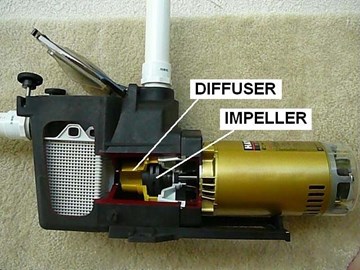
Credit: www.inyopools.com
Common Reasons A Pool Pump Loses Prime When Turned Off
Let’s look at the main causes behind this frustrating problem.
1. Air Leaks In The Suction Line
The most common reason is an air leak on the suction side, which is the line running from your pool to the pump. If there’s a small crack or loose fitting, air will get in when the pump is off. Water drains back into the pool, and the pump loses prime.
Signs of air leaks include:
- Bubbles in the pool’s return jets
- Water level dropping in the pump basket after turning off the pump
- Wet spots near pipes or fittings
Air leaks are sneaky—they may not show up when the pump is running but allow air inside when it’s off.
2. Faulty Pump Lid O-ring Or Gasket
Your pump lid has an O-ring or gasket that makes a seal. If it’s cracked, dirty, or dry, air will leak into the pump. When you turn the pump off, water leaks out, and the pump loses its prime.
Often, owners forget to lubricate or replace the O-ring. Just a little dirt or a small crack is enough to cause problems.
3. Leaky Unions Or Fittings
Pool plumbing includes many unions and threaded fittings. If these are loose, worn, or not sealed well, they can let air in. Even a small leak can allow water to drain out of the pump and back to the pool.
This problem is more common if you have recently done repairs or changed equipment.
4. Cracks In Pump Housing Or Basket
A cracked pump housing or pump basket can also cause loss of prime. These cracks are often hard to see but allow water to escape slowly when the pump is off.
Plastic parts get brittle over time, especially if exposed to sunlight or chemicals.
5. Low Water Level In The Pool
If your pool’s water level drops below the skimmer opening, air gets sucked into the lines. When the pump is turned off, water drains back, and the system fills with air.
This is a simple but often overlooked cause, especially in hot weather or if there’s a leak in the pool itself.
6. Leaking Valves
Most pools have one or more valves to control water flow. If a valve is leaking or not closing fully, air can enter the system. Sometimes, old valves develop cracks or the seals wear out.
Check all valves in the suction line (before the pump), as these are the most likely to cause loss of prime.
7. Loose Drain Plug Or Pump Plug
The pump body has a drain plug at the bottom. If it’s not tight or the gasket is missing, water will leak out when the pump is off. This is a common problem after winterizing or cleaning.
A missing or dry drain plug gasket can cause the pump to lose prime overnight.
8. Faulty Check Valve
A check valve is designed to keep water from flowing backward. If your system has a check valve and it’s stuck open or broken, water will drain back to the pool when the pump is off.
Check valves wear out over time, especially if debris gets inside.
9. Clogged Or Dirty Pump Basket
If the pump basket is full of debris, it can restrict water flow. When you turn the pump off, trapped debris can force water to drain back, breaking the prime.
This is easy to fix but often forgotten in routine maintenance.
10. Leaks In Underground Piping
Some pools have underground suction lines. If these pipes develop leaks, air can enter when the pump is off. These leaks are hard to find and often require professional help.
Signs include wet spots in the yard, loss of water, or low pressure even when the pump is running.
11. Equipment Height Problems
If your pool equipment is installed above water level, gravity will pull water back into the pool when the pump is off. Unless you have a good check valve, losing prime is likely.
This is common in hillside pools or installations where the filter and pump are above the pool.
12. Problems After Backwashing
Sand filters often have a multiport valve for backwashing. If the valve is not set correctly or the gasket is worn, air can enter and break the prime.
Always return the valve to the “filter” position and check for leaks after backwashing.
13. Faulty Skimmer Weir
The skimmer weir is a small door that keeps water in the skimmer. If it sticks or does not move freely, air can get into the system when the pump is off.
A stuck or missing weir is a simple fix but can cause repeated loss of prime.
14. Extreme Evaporation Or Pool Leak
If your pool is losing water quickly due to evaporation or a leak, the water level can drop below the skimmer, causing air to enter the system.
Check for water loss beyond normal evaporation, especially in hot or windy climates.
15. Worn Pump Seals
The seals inside your pump can wear out over time. A worn pump seal lets water leak out and air leak in, especially when the pump is off.
Seals should be checked and replaced every few years, depending on use and water chemistry.
How To Diagnose The Problem
Finding out why your pool pump loses prime when turned off takes a bit of detective work. Here’s how you can pinpoint the issue:
- Inspect the pump basket: Is there water when the pump is off, or does it drain away?
- Check for bubbles: Are there bubbles in the pool return jets when the pump is running?
- Look for leaks: Are there any wet spots, drips, or water stains around the pump and pipes?
- Smell for chlorine: Sometimes, leaks leave a strong chlorine smell near the equipment.
- Listen: A sucking or hissing sound often means air is entering somewhere.
- Test the pool water level: Is it high enough to cover the skimmer opening?
- Check the O-ring and gaskets: Remove, clean, and inspect for cracks or flat spots.
- Examine the pump housing: Look for hairline cracks, especially around fittings.
If you can’t find the problem, try adding a little soapy water to suspected leaks. Bubbles will form if air is being sucked in.
Here’s a quick comparison of symptoms and likely causes:
| Symptom | Possible Cause |
|---|---|
| Water drains from pump basket | Air leak, faulty O-ring, check valve problem |
| Bubbles in pool jets | Suction leak, low water level, leaky valve |
| Weak or no water flow after restart | Pump not primed, clogged basket, underground leak |
| Wet spots near equipment | Pipe crack, leaking union, worn seal |
Step-by-step Fixes For Loss Of Prime
Once you know what’s wrong, fixing it is usually possible for most pool owners. Here’s how to address each main cause:
1. Fixing Air Leaks In Suction Line
- Tighten all fittings using your hands, then a wrench (not too hard—just snug).
- Replace cracked or old pipes.
- Use pool-safe Teflon tape on threaded joints.
- For hard-to-find leaks, try a smoke test or consult a professional.
2. Replacing Or Lubricating The Pump Lid O-ring
- Remove the pump lid and take out the O-ring.
- Clean the groove and the O-ring.
- Look for cracks, flat spots, or dry rot.
- Replace if damaged. If not, apply a thin layer of pool lube and re-install.
3. Repairing Unions And Fittings
- Turn off the pump and relieve pressure.
- Open unions and check for worn O-rings or thread damage.
- Replace O-rings and wrap threads with Teflon tape before reconnecting.
4. Sealing Cracks In Pump Housing
- Small cracks can be repaired with waterproof epoxy.
- For larger cracks, replace the housing or the basket.
- Always check for warranty before replacing parts.
5. Raising Pool Water Level
- Fill the pool until water is halfway up the skimmer opening.
- Add water slowly to prevent debris from entering the system.
6. Fixing Or Replacing Leaky Valves
- Inspect valves for cracks or worn seals.
- Replace old valves with new ones.
- Lubricate moving parts as needed.
7. Checking The Drain Plug
- Remove the plug, inspect the gasket, and clean.
- Replace the gasket if worn or missing.
- Reinstall the plug tightly, but do not over-tighten.
8. Replacing A Faulty Check Valve
- Locate the check valve (usually near the pump or filter).
- Turn off the pump, open the valve, and inspect the flapper.
- Replace if the flapper is stuck, broken, or missing.
9. Cleaning The Pump Basket
- Turn off the pump.
- Open the lid and remove the basket.
- Clean out debris and rinse well before replacing.
10. Addressing Underground Pipe Leaks
- Look for wet soil or sinking ground around pipes.
- Call a pool leak detection company if you suspect an underground leak.
11. Equipment Height Solutions
- Install a high-quality check valve on the suction line.
- If possible, lower the equipment pad closer to pool level.
12. After Backwashing Checks
- Always return multiport valve to “filter” position.
- Inspect and replace the valve gasket if needed.
13. Fixing Skimmer Weir
- Make sure the weir moves freely.
- Replace if broken or missing.
14. Resolving Water Loss
- Check for leaks in the pool shell or plumbing.
- Use a pool leak detection kit if needed.
15. Replacing Worn Pump Seals
- Remove the pump motor.
- Replace the shaft seal and other internal gaskets.
- This may require a professional if you’re not comfortable with pump repairs.
Here’s a summary of common repairs and their difficulty:
| Repair Task | DIY Difficulty | Estimated Time |
|---|---|---|
| Replace pump lid O-ring | Easy | 15 minutes |
| Seal pipe fittings | Medium | 30–60 minutes |
| Replace check valve | Medium | 30 minutes |
| Repair pump housing crack | Medium/Hard | 1–2 hours |
| Fix underground leak | Hard/Professional | Varies |
Preventing Loss Of Prime In The Future
Prevention is always better than repair. Here’s how to keep your pool pump primed and healthy:
- Check water level weekly: Top up after evaporation, splashing, or heavy rain.
- Clean pump basket regularly: Remove leaves, hair, and debris.
- Inspect O-rings and gaskets every month: Lubricate and replace as needed.
- Listen and look for leaks: Fix small problems before they grow.
- Backwash carefully: Always return valves to the correct setting.
- Winterize properly: Drain water from pump and lines when closing the pool for the season.
- Schedule annual maintenance: A professional can spot issues you might miss.
Here’s an easy checklist for pool pump health:
- Water level covers skimmer opening
- No bubbles in return jets
- Pump basket stays full of water when off
- Fittings and valves are tight, no drips
- O-rings are clean and soft
- No cracks in pump housing
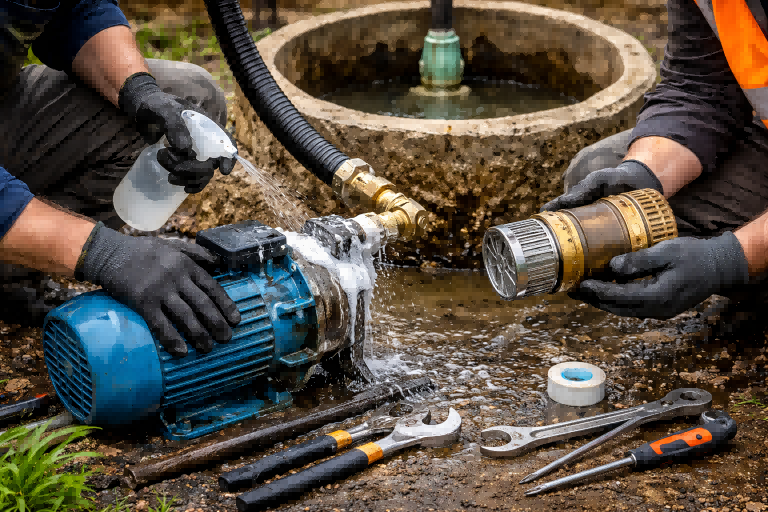
Credit: www.rafsun.com
When To Call A Professional
Most owners can handle basic repairs, but some situations need an expert. Call for help if:
- You suspect an underground leak and can’t find it.
- There are large cracks in pump housing or pipes.
- The pump won’t prime after all DIY fixes.
- You see water spraying from fittings under pressure.
- There are electrical issues or the motor won’t start.
Professional pool techs have special tools to pressure test lines, detect leaks, and repair equipment safely.
Non-obvious Insights Most Pool Owners Miss
- Small air leaks can cause big problems: Even a tiny crack or loose fitting can let air in, causing the pump to lose prime. These leaks often get worse with time and can lead to more expensive damage if ignored.
- Pump location makes a difference: Many people don’t realize that if your pool equipment is higher than the water level, you’re much more likely to lose prime when the pump stops. In these setups, a check valve is not just helpful—it’s essential.
- Valve positions matter: After backwashing or vacuuming, it’s easy to forget to return valves to their normal positions. One small change can cause air to enter the system, and the pump may lose prime without any obvious leaks.
- Lubrication is not optional: Many pool owners skip lubricating O-rings, but dry or dirty O-rings lose their seal quickly. A little lubricant can prevent hours of troubleshooting.
- Long priming times signal hidden issues: If it takes more than a minute or two for your pump to prime after starting, something is wrong—even if the system eventually works. Early attention can prevent bigger failures.

Credit: www.reddit.com
Real-world Example
A pool owner in Texas found their pump losing prime every morning. After checking water levels and inspecting for visible leaks, nothing was found. It turned out a small crack had developed in the pump basket, nearly invisible but enough to let air in overnight.
Replacing the basket solved the problem.
This shows that sometimes the cause is not obvious but can be fixed with careful inspection.
Costs To Expect
Repair costs vary depending on the cause:
- O-ring or gasket: $10–$20
- New check valve: $25–$60
- Pump basket: $15–$40
- Professional leak detection: $200–$400
- Pump seal replacement: $100–$200 (with labor)
Fixing problems early can save you hundreds of dollars compared to waiting for a major failure.
For more on pool pump maintenance and troubleshooting, see the advice from the SwimmingPool.com website.
Frequently Asked Questions
Why Does My Pool Pump Lose Prime Overnight?
Losing prime overnight is usually caused by a slow air or water leak. This leak lets water drain out of the pump, letting air fill the system. Common causes include a faulty pump lid O-ring, loose fittings, or a small crack in the pump basket.
Is It Safe To Run A Pool Pump That Loses Prime?
No. Running a pool pump without water can damage the motor and seals. The pump is designed to move water, not air. Always fix the loss of prime before running the pump for long periods.
How Do I Know If My Check Valve Is Faulty?
If water drains out of the pump basket when the pump is off, or you hear a backflow noise, your check valve may be stuck open or broken. Remove and inspect the valve, replacing it if needed.
Can Low Pool Water Cause Loss Of Prime?
Yes. If the water level drops below the skimmer opening, air is sucked into the system and the pump loses prime. Always keep the pool water at least halfway up the skimmer opening.
How Often Should I Check The Pump O-ring?
Inspect the pump O-ring every month. Clean it, lubricate it with pool-safe lube, and check for cracks or flat spots. Replace it at least once per year or whenever it looks worn.
Keeping your pool pump in prime condition is key to a healthy, trouble-free pool. With the right checks and fixes, you can enjoy clear water and avoid costly repairs. If you’re ever unsure, don’t hesitate to ask a pool professional for help.