
A sparkling, clean pool is a joy on hot days, but keeping it that way means every part of your pool system must work correctly. When you notice water dripping from your pool filter air relief valve, it can be worrying. Many pool owners ignore this small leak, but over time, it can lead to bigger problems—like loss of water pressure, wasted water, or even damage to your pump. Understanding why your air relief valve is leaking and how to fix it can save you time, money, and frustration.
This guide explains everything you need to know about a pool filter air relief valve leaking. You’ll learn what the valve does, why it leaks, and how to solve the problem yourself. If you’ve ever stood by your pool equipment, feeling confused by the wet patch under your filter, you’re not alone. Let’s clear up the mystery and help you take control of your pool maintenance.
What Is A Pool Filter Air Relief Valve?
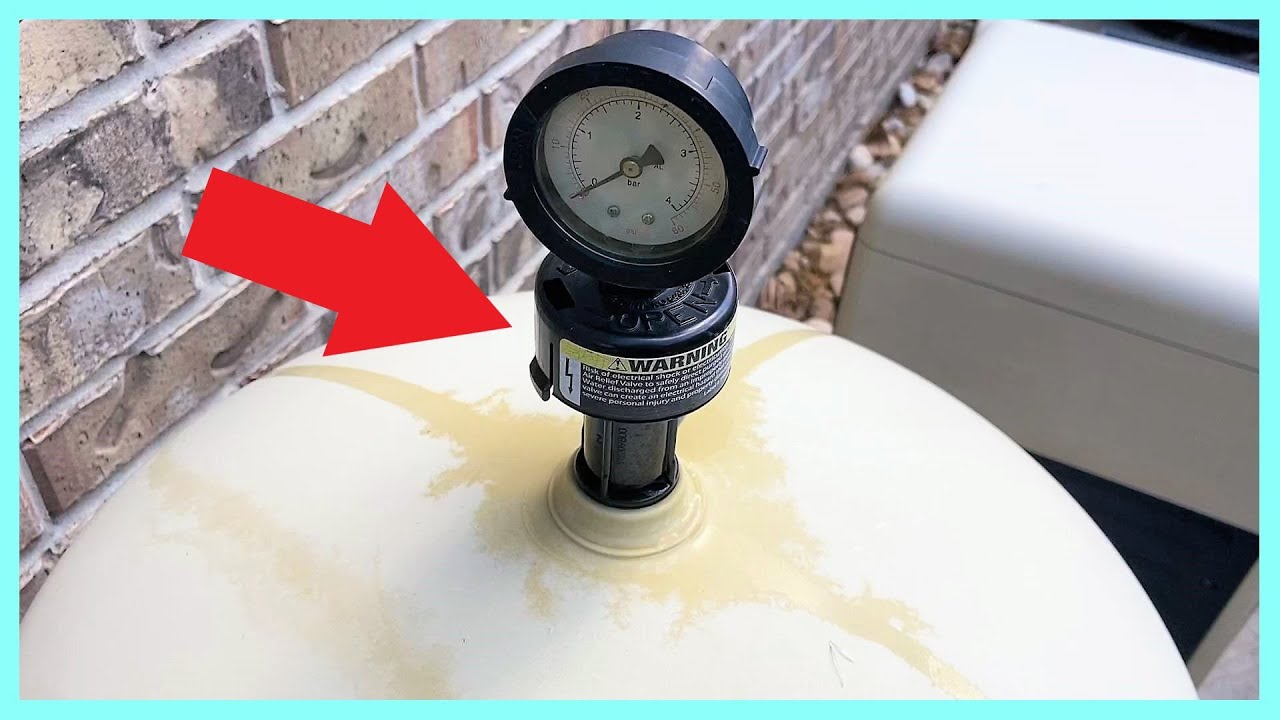
A pool filter air relief valve—also called an air bleeder valve or pressure relief valve—is a small device located on top of many pool filters. Its main job is to let trapped air out of the filter system. After cleaning your filter or refilling your pool, air can get stuck inside the filter tank. If not removed, this air can cause:
- Low water pressure
- Poor filtration
- Damage to the filter tank from pressure changes
By opening the air relief valve, you release trapped air until water flows out. Then, you close the valve, and your filter runs at full efficiency.
Why Do Air Relief Valves Leak?
If your air relief valve is leaking, it means water is coming out even when the valve is closed. This is not normal. There are a few reasons why this can happen:
- Worn or damaged O-ring: The rubber O-ring inside the valve can become dry, cracked, or flat, letting water leak out.
- Loose valve: If the valve isn’t screwed on tightly, water can seep around the threads.
- Cracked valve housing: Over time, plastic or metal parts can crack, especially from sunlight or freezing temperatures.
- Debris or dirt: Grit inside the valve prevents a tight seal.
- Improper installation: If the valve was not installed correctly, leaks can start right away.
Sometimes, more than one problem causes the leak. Let’s look at these in detail.
Signs And Risks Of A Leaking Air Relief Valve
A small drip might not seem serious, but ignoring a leaking air relief valve can cause:
- Water loss: Even a slow leak wastes hundreds of gallons over weeks.
- Reduced filter pressure: Air can enter the system, causing poor water flow.
- Pump stress: The pump works harder, leading to higher electricity bills and possible damage.
- Algae and cloudy water: Poor filtration lets contaminants build up.
You may see:
- Wet spots under the filter
- A slow or steady drip from the valve
- Bubbles in your pool return jets
- Low filter pressure readings
Catching and fixing leaks early prevents bigger, more expensive problems later.
How Does The Air Relief Valve Work?
Understanding how the valve works helps you diagnose leaks. Here’s a simple overview:
- When you clean the pool filter or do maintenance, you open the air relief valve.
- Air escapes until water starts to flow out.
- You close the valve. The O-ring inside presses against the valve seat, sealing off the opening.
- The filter builds up pressure, pushing water through the system.
If the seal is broken—by a damaged O-ring, loose threads, or cracks—water will escape. The valve needs both a good rubber seal and tight threads to stop leaks.
Common Causes Of Pool Filter Air Relief Valve Leaks
1. Worn Or Damaged O-ring
The O-ring is a small rubber ring that stops water from leaking out. Over time, it can:
- Dry out from sun exposure
- Crack from age or chemicals
- Flatten from pressure
When this happens, the O-ring can’t make a tight seal. Water finds its way out, causing a leak.
Non-obvious insight: Even a tiny scratch or bit of sand on the O-ring can create a leak. Always check the O-ring carefully under good light.
2. Loose Or Misaligned Valve
If the valve is not screwed in tightly or is cross-threaded, water slips through the gaps. Sometimes, when cleaning the filter, pool owners forget to tighten the valve properly.
Non-obvious insight: Overtightening can also damage threads or O-rings, leading to leaks later.
3. Cracked Valve Body Or Cap
Plastic valves can crack from:
- Freezing in winter
- Accidental bumps during cleaning
- UV damage from the sun
A hairline crack lets water leak slowly. Over time, the crack grows, and the leak worsens.
4. Debris Or Dirt In The Valve
Sand, dirt, or bits of leaves can get caught in the valve. These prevent the O-ring from sealing fully. Even if you replace the O-ring, dirt left behind can keep the leak going.
5. Incorrect Valve Replacement Or Installation
If you replace the valve with the wrong part or install it at an angle, the seal may never be tight. Always use parts made for your filter model.
Example: Some pool filters use a special fine-threaded valve, while others use a wide thread. The wrong valve won’t fit tightly, no matter how hard you try.
Diagnosing A Leaking Air Relief Valve
Finding out why your valve leaks is a step-by-step process:
- Turn off the pool pump. Never open the filter or valve with the pump running.
- Dry the area. Wipe away water to see where the leak starts.
- Inspect the valve. Look for cracks, worn O-rings, or loose threads.
- Open and close the valve. Does the leak stop or change?
- Check for debris. Remove the valve and look for sand or dirt.
- Read the pressure gauge. Low or changing pressure means air is entering the system.
If the valve body is cracked, you’ll usually see a fine line or water spraying sideways. If the O-ring is bad, water leaks straight down the valve stem.
How To Fix A Leaking Pool Filter Air Relief Valve
Step 1: Gather Tools And Supplies
You’ll need:
- Replacement O-ring (match your filter model)
- Silicone pool lubricant
- Rag or towel
- Screwdriver or wrench (if needed)
- Replacement valve (if cracked)
Step 2: Turn Off The Pump And Release Pressure
Always turn off the pump before working on the filter. Open the air relief valve to release any pressure inside. This prevents injury.
Step 3: Remove The Air Relief Valve
Most valves unscrew by hand. If it’s stuck, use a wrench carefully. Don’t force it—plastic threads can crack.
Step 4: Inspect And Clean
Check the valve for:
- Cracks in the plastic or metal
- A worn, flat, or cracked O-ring
- Dirt or sand in the valve body
Wipe away all dirt with a damp rag.
Step 5: Replace The O-ring
Remove the old O-ring. Clean the groove where it sits. Rub a little silicone lubricant on the new O-ring. This helps it seal and last longer.
Slide the new O-ring into place.
Step 6: Reinstall The Valve
Screw the valve back in by hand. Tighten until snug, but do not overtighten. If your valve uses a cap, make sure it’s seated evenly.
Step 7: Test For Leaks
Turn on the pool pump. Watch the valve area closely. If you see no drips, you’ve fixed the leak.
If water still leaks, the valve body may be cracked. Replace the whole valve.
Step 8: Replace The Valve (if Needed)
Buy a valve that matches your filter brand and model. Remove the old valve and install the new one, following the steps above.
Practical tip: Take your old valve or O-ring to the pool store to get an exact match. Even small differences can cause leaks.
Comparing Common Pool Filter Air Relief Valves
Choosing the right replacement is important. Here’s a comparison of popular valve types:
| Valve Type | Material | Durability | Common Uses |
|---|---|---|---|
| Plastic Screw-In | ABS or PVC | Medium | Sand, Cartridge Filters |
| Metal Screw-In | Brass, Stainless Steel | High | High-end Filters, Commercial |
| Push-Button | Plastic | Low | Small Cartridge Filters |
Plastic valves are most common for home pools—they’re affordable, but sunlight and chemicals can make them brittle over years. Metal valves last longer but cost more.
Credit: www.youtube.com
Preventing Air Relief Valve Leaks
A few simple habits keep your air relief valve working well:
- Check the O-ring every season. Replace if it feels dry or flat.
- Clean the valve when you clean the filter. Remove dirt or grit.
- Lubricate the O-ring with silicone grease once a year.
- Tighten gently—do not overtighten.
- Protect from sunlight by shading your filter area.
If you close your pool for winter, remove the valve and store it inside. Freezing water can crack even the toughest plastic.
When To Call A Pool Professional
You can fix most leaks yourself, but call an expert if:
- The leak returns quickly after repair
- The valve or filter tank is badly cracked
- You see water spraying, not just dripping
- You’re not sure how to remove the valve safely
Serious cracks or leaks may mean it’s time for a new filter tank. A professional can check your whole system for hidden problems.
Case Study: Fixing A Persistent Air Relief Valve Leak
Sarah owns a backyard pool and noticed her filter pressure was low. She found water dripping from the air relief valve. She replaced the O-ring, but the leak continued. After a closer look, she saw a fine crack in the valve body. Replacing the whole valve stopped the leak and brought her filter pressure back to normal.
Lesson: Always check for cracks if a new O-ring doesn’t solve the problem.
The Hidden Costs Of Ignoring A Leaking Valve
Letting a pool filter air relief valve leak go unfixed can cost much more than a replacement part:
- Water loss: Even a drip loses 1–2 gallons per day, which adds up to 700 gallons a year.
- Chemical loss: As water escapes, so do pool chemicals. You’ll spend more on chlorine and balancing agents.
- Pump strain: Leaks let air in, which makes the pump work harder. This can shorten pump life by years.
- Algae risk: Poor filtration lets algae grow, turning your pool green.
Fixing a small leak is always cheaper than fixing the problems it causes.
Troubleshooting Tips For Persistent Leaks
If your leak returns, try these steps:
- Check for multiple leaks: Sometimes, more than one part is leaking.
- Look for rough spots: The valve seat (where the O-ring sits) must be smooth.
- Use the right lubricant: Petroleum jelly damages O-rings—always use pool silicone.
- Check for filter cracks: If the filter tank is cracked near the valve, it can leak even with a good valve.
- Ask for help: Take a photo and show your pool store or a technician.
Essential Maintenance Schedule
Keeping your pool filter air relief valve in top shape is part of regular pool care. Here’s a simple schedule:
| Task | How Often |
|---|---|
| Inspect O-ring | Every 3 months |
| Clean valve | When cleaning filter |
| Lubricate O-ring | Once a year |
| Check for cracks | Every 6 months |
| Replace valve | Every 2–3 years (if needed) |
Sticking to this schedule prevents most leaks before they start.
Comparing Costs: Diy Vs. Professional Repair
Wondering if you should fix it yourself or hire help? Here’s a quick comparison:
| Repair Method | Typical Cost | Time Needed | Skill Level |
|---|---|---|---|
| Replace O-ring yourself | $5–$15 | 15–30 minutes | Easy |
| Replace valve yourself | $15–$50 | 30–60 minutes | Easy to moderate |
| Professional repair | $75–$150 | 1–2 hours | N/A |
DIY is much cheaper and easy for most people. But if you’re unsure, a professional can do the job quickly and safely.
Important Safety Reminders
- Always turn off the pump before opening the filter.
- Release all pressure before removing the valve.
- Wear gloves if working with chemicals or dirty parts.
- Do not use petroleum products on rubber O-rings.
Tip: Keep a spare O-ring and a small tube of pool silicone grease in your pool kit. It’s a cheap way to avoid emergencies.

Credit: www.youtube.com
Environmental And Water Conservation Impact
A leaking air relief valve might seem small, but over time, wasted water adds up. Many areas face water restrictions. Fixing leaks helps conserve water and keeps your pool in line with local rules.
If you’re in a drought area, a leak can also raise your water bill. Every drop counts.
Pool Filter Brands And Their Valves
Different brands use different valves. Some common brands and their valve types include:
- Hayward: Plastic screw-in with wide threads
- Pentair: Metal or plastic, depending on model
- Jandy: Push-button or screw-in
- Intex/Bestway: Small, basic plastic valves
Always check your manual or the old part before buying a replacement.
How To Find The Right Replacement Valve
- Look for the brand and model on your filter label.
- Take the old valve to the store for comparison.
- If buying online, match the part number.
- Read reviews—cheap generic parts often don’t last.
Your pool store can help you find the exact match. Don’t settle for “almost right,” as small differences cause leaks.
When A Leak Is Not The Valve’s Fault
Sometimes water around the valve comes from another source, such as:
- A leaking filter tank seam
- Splashing from pool plumbing
- Rainwater collecting near the filter
Always check around the whole filter area to be sure. A simple test: dry the area, then watch closely for the first sign of water.
Upgrading Your Air Relief Valve
If your valve leaks often, consider upgrading:
- Choose a metal valve for longer life
- Look for models with double O-rings for extra sealing
- Some new valves have built-in pressure relief for safety
Upgrades cost more but may save money in the long run.
Pool Owner Mistakes To Avoid
- Ignoring small leaks—they always get worse.
- Using the wrong lubricant—petroleum jelly ruins O-rings.
- Forcing the valve—cross-threading damages the filter.
- Not matching parts—a “close enough” valve often leaks.
- Skipping regular checks—prevention is easier than repair.
Expert Advice For Long-term Pool Health
- Keep your filter area clean and dry.
- Check all seals and connections every time you clean the filter.
- Keep a maintenance log—write down when you replaced parts.
- Learn how your system works, so you can spot problems early.
Example: A pool owner who checks their O-rings every season will almost never have a surprise leak.
Where To Learn More
For more information about pool filter maintenance and valve repair, trusted resources like the SwimmingPool.com Maintenance Guide give clear, step-by-step advice.

Credit: www.reddit.com
Frequently Asked Questions
What Does A Pool Filter Air Relief Valve Do?
The air relief valve lets trapped air escape from your pool filter. This helps your filter run smoothly by keeping water pressure at the right level. You open the valve after cleaning or refilling your pool to let air out until water flows, then close it.
How Often Should I Replace The O-ring On My Air Relief Valve?
Check the O-ring every pool season. Replace it if it feels dry, cracked, or flat. Most O-rings last 1–2 years with good care and lubrication.
Can I Use Any O-ring On My Air Relief Valve?
No. Always use an O-ring made for your filter model. Different sizes or thicknesses may not seal well, causing leaks.
What Should I Do If The Valve Still Leaks After Replacing The O-ring?
If the leak continues, check for cracks in the valve body or filter tank. Also, make sure there’s no dirt in the valve. If in doubt, replace the whole valve.
Is It Safe To Use The Pool If The Air Relief Valve Is Leaking?
A small leak doesn’t make the pool unsafe, but it wastes water and can harm your filter and pump over time. Fix leaks as soon as possible to avoid bigger problems.
Taking care of your pool filter air relief valve is one of the simplest ways to keep your pool clear and trouble-free. With regular checks and quick repairs, you’ll avoid wasted water and expensive breakdowns—so you can spend more time enjoying your pool.