
A leaking sand filter is a problem many pool owners face, and one of the most common trouble spots is the drain plug. If you see water dripping or streaming from the drain area, it’s not just an annoyance—it can signal issues that, if ignored, may lead to bigger problems, higher water bills, or even damage to your pool system. Understanding why sand filters leak from the drain plug, what you can do about it, and how to prevent it is crucial for keeping your pool running smoothly and efficiently.
This article explains everything you need to know about sand filter leaking from drain plug—from identifying the leak, understanding causes, making repairs, and preventing future leaks, to what tools you need and when to call a professional. Even if you’re new to pool maintenance, you’ll find clear steps and expert advice. Let’s dive in.
How A Sand Filter Works
To understand leaks, it helps to first know the basics of a sand filter. Sand filters are used in swimming pools to trap dirt, debris, and small particles as water circulates. Pool water enters the filter tank, passes through layers of special sand, and exits clean and clear. Over time, dirt accumulates in the sand, and you need to backwash (reverse the flow) to clean it.
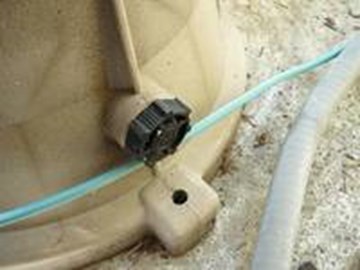
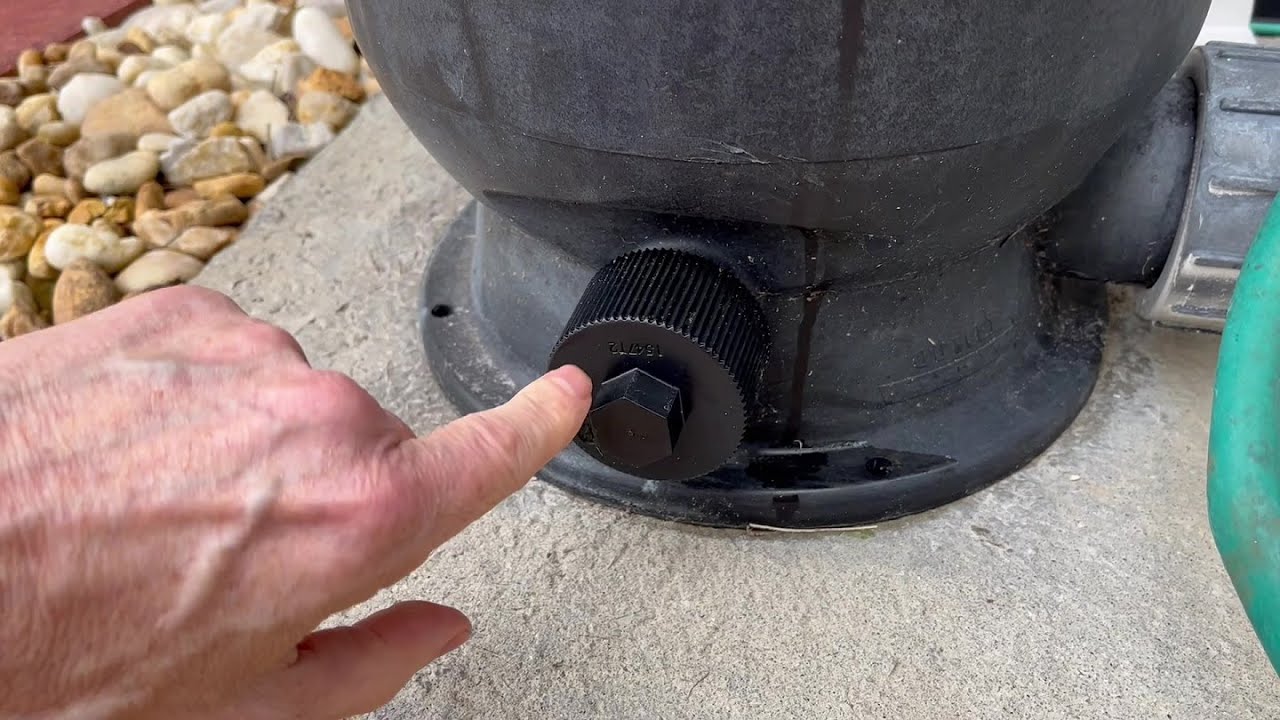
At the bottom or side of most sand filters is a drain plug. This plug allows you to remove water from the filter for maintenance, winterizing, or replacing sand. If this plug fails, water will leak out, sometimes slowly, sometimes quickly, depending on the problem.
Signs Your Sand Filter Is Leaking From The Drain Plug
Recognizing a leak early can save you time and money. Here are common signs:
- A visible drip or small stream of water coming from the drain plug area
- Puddles forming under the filter
- Falling pool water levels (unrelated to evaporation)
- Wet ground or erosion near the filter base
- Unusual sounds, like hissing or trickling, from the filter
Some leaks are obvious, but others may be hidden by grass, mulch, or the filter’s location. Regular checks around your filter are important, especially after backwashing or maintenance.
Credit: www.inyopools.com
Why Do Sand Filters Leak From The Drain Plug?
There are several reasons why a sand filter might leak at the drain plug. Understanding these helps you fix the problem quickly and correctly.
1. Worn Or Damaged O-ring/gasket
Most drain plugs have a rubber O-ring or gasket that creates a watertight seal. Over time, this ring can dry out, crack, flatten, or become brittle. When this happens, water escapes around the plug, even if it’s tightly screwed in.
2. Loose Drain Plug
Sometimes, the plug simply isn’t tight enough. Vibration, temperature changes, or past maintenance can loosen it. Even a small gap lets water leak.
3. Cross-threaded Or Stripped Plug
If the plug was screwed in at an angle or forced, the threads (grooves) can become damaged. This stops the plug from sealing properly and can also damage the filter’s threaded port.
4. Cracked Or Broken Drain Plug
Plastic plugs can crack from age, UV rays, or being overtightened. A cracked plug cannot hold pressure and will leak.
5. Cracked Filter Housing
Occasionally, the leak isn’t the plug itself but a crack in the plastic or fiberglass housing around the drain. These cracks can start small and grow over time.
6. Debris Or Sand In Threads
Dirt or sand caught in the plug or port threads prevents a good seal. This is common after removing the plug for cleaning or sand changes.
7. Chemical Damage
Strong pool chemicals can degrade rubber seals or plastic parts. If you notice the O-ring looks swollen, melted, or sticky, chemical attack may be the cause.
Immediate Steps When You Find A Leak
If you see water leaking from the drain plug:
- Turn off the pool pump to relieve pressure and stop water flow.
- Inspect the area for visible cracks or damage.
- Tighten the plug gently by hand—do not force it.
- If tightening stops the leak, keep an eye on it for the next few days.
- If it keeps leaking, prepare to remove the plug for further inspection.
Never ignore a leak. Even a slow drip can cause water loss, erosion, or rusting of metal parts over time.
Tools And Supplies You May Need
Fixing a leaking sand filter drain plug is usually a simple job, but having the right tools makes it easier and safer:
- Adjustable wrench or channel-lock pliers
- Replacement drain plug (specific to your filter brand/model)
- New O-ring or gasket
- Silicone-based lubricant (for O-rings)
- Teflon tape (plumber’s tape)
- Clean rag or brush
- Flashlight (to check for cracks)
- Bucket (to catch water when removing the plug)
- Safety gloves
If you’re replacing the plug, always get the correct size and type. Check your filter’s manual or look for part numbers on the old plug.
Step-by-step Guide To Fixing A Leaking Drain Plug
Let’s walk through how to diagnose and repair a leaking sand filter drain plug.
Step 1: Turn Off And Depressurize The System
Switch off the pool pump and, if possible, close the valves leading to and from the filter. This prevents water flow and pressure buildup. Open the air relief valve (if your filter has one) to release any remaining pressure.
Step 2: Remove The Drain Plug
Put a bucket under the plug to catch water. Unscrew the drain plug by hand or use a wrench if it’s stuck. Go slowly to avoid damaging the threads.
Step 3: Inspect The Plug And O-ring
Look closely at the plug for cracks, wear, or damage. Check the O-ring—if it’s cracked, flattened, or missing, this is likely the cause. Also, inspect the filter’s drain port for cracks or debris.
Step 4: Clean Threads And Surfaces
Use a clean rag or brush to remove sand, dirt, or old Teflon tape from the plug and filter threads. A clean surface ensures a better seal.
Step 5: Replace Damaged Parts
- If the O-ring is bad, replace it with a new one. Apply a thin layer of silicone lubricant to help it seal and last longer.
- If the plug is cracked or stripped, replace it with a new one.
- If the filter housing is cracked, repairs are more complex (see below).
Step 6: Reinstall The Plug
If your plug has an O-ring, make sure it sits flat and is not twisted. Screw in the plug by hand, making sure it’s straight. If desired, wrap Teflon tape around the threads (unless the manufacturer says not to—some plugs should not use tape).
Tighten the plug until snug. Don’t overtighten—this can damage the plug or filter.
Step 7: Test For Leaks
Turn the pool pump back on. Check the drain plug area for any signs of dripping or wetness. If it’s dry, you’ve solved the problem. If it still leaks, repeat the inspection—sometimes a second look reveals a missed crack or misplaced O-ring.
Step 8: Address Cracked Filter Housing
If you find a crack in the filter body near the drain plug, fixing it is more difficult. Small cracks can sometimes be patched with epoxy or a fiberglass repair kit. However, these are temporary fixes. For large cracks or if the filter is old, replacement is the safest option.
Common Mistakes And How To Avoid Them
Even experienced pool owners can make errors when fixing a leaking drain plug. Here are some pitfalls to avoid:
- Using petroleum jelly on O-rings—this can cause rubber to swell and fail. Use only silicone-based lubricants.
- Overtightening the plug—this can crack the plug or filter threads.
- Ignoring debris—even tiny grains of sand can prevent a good seal.
- Not replacing worn parts—trying to reuse a damaged O-ring or plug usually leads to repeat leaks.
- Mismatching parts—using the wrong plug or O-ring size causes leaks and possible damage.
How To Prevent Future Drain Plug Leaks
Prevention is easier than repair. Follow these tips to keep your sand filter running smoothly:
- Regularly inspect the drain plug and O-ring for signs of wear or aging.
- Lubricate the O-ring with silicone grease every time you remove the plug.
- Clean threads before reinstalling the plug.
- Avoid overtightening—hand-tight is usually enough.
- Use only compatible replacement parts.
- Protect the filter from harsh sun—UV rays can weaken plastic.
- Store spare O-rings and plugs in a cool, dry place.
- Replace the sand on schedule, as recommended by your filter manufacturer.

Credit: www.reddit.com
When To Replace The Drain Plug And O-ring
Not all leaks need a full replacement, but sometimes it’s the best solution. Replace the drain plug or O-ring if:
- You see cracks, splits, or heavy wear
- The plug or O-ring feels brittle or sticky
- Water keeps leaking after cleaning and reinstalling
- The plug won’t tighten properly
A new plug and O-ring are inexpensive compared to the cost of wasted water or filter damage.
What If The Leak Continues? Advanced Troubleshooting
If you’ve tried the basic fixes and your sand filter still leaks from the drain plug, consider these advanced troubleshooting tips:
Check For Hidden Cracks
Use a flashlight and inspect the filter body closely. Even hairline cracks can cause leaks. If you see water seeping from somewhere other than the plug, the housing might be damaged.
Inspect Thread Condition
If the threads inside the filter port are worn, stripped, or cross-threaded, even new plugs won’t seal well. In some cases, you can use a thread repair kit, but often a new filter body is needed.
Confirm Correct Plug Type
Some filters need a special plug or gasket. Double-check your model and use the manufacturer’s recommended parts.
Test With Soapy Water
If you’re unsure where the leak is, dry the area, turn the pump on, and brush soapy water around the plug and housing. Bubbles will form where water escapes.
Seek Professional Help
If you see large cracks, water spraying, or repeated failures, call a pool technician. Some repairs require special tools or experience.
Comparing Drain Plug Materials And Their Durability
Different sand filters use different types of drain plugs. Here’s a comparison of common materials:
| Material | Pros | Cons | Average Lifespan |
|---|---|---|---|
| Plastic | Lightweight, inexpensive, easy to replace | Prone to cracking, UV damage, thread stripping | 2-4 years |
| Brass | Stronger, more durable, resists corrosion | More expensive, can corrode with salt/chlorine | 5-8 years |
| Stainless Steel | Very strong, corrosion-resistant, long-lasting | High cost, rare in residential filters | 8+ years |
Most home pool filters use plastic plugs, but if you want extra durability, consider brass or stainless steel (if compatible with your filter).
Cost Of Repair Vs. Replacement
Is it cheaper to fix or replace your leaking drain plug? Here’s a cost comparison:
| Repair Option | Estimated Cost (USD) | DIY Difficulty | When to Choose |
|---|---|---|---|
| Replace O-ring only | $3 – $10 | Easy | O-ring is worn but plug is fine |
| Replace drain plug | $8 – $20 | Easy | Plug is cracked or stripped |
| Epoxy crack repair | $15 – $30 | Moderate | Small crack in housing |
| Replace filter body | $150 – $500+ | Advanced | Large crack, repeated leaks |
| Professional service call | $75 – $200 (labor) | N/A | Complex or repeated leaks |
In most cases, a new O-ring or plug solves the problem for under $20.
Real-world Example
Anna, a pool owner in Florida, noticed her pool was losing water. She found wet soil under her sand filter but saw no obvious cracks. After turning off the pump and removing the drain plug, she discovered the O-ring was flattened and brittle. A quick trip to the pool supply store for a new O-ring (cost: $6), a dab of silicone lubricant, and careful reinstallation stopped the leak immediately. Anna checks her plug and O-ring every spring and fall, and hasn’t had a leak since.
Non-obvious Insights For Beginners
Here are two things many new pool owners miss:
- O-rings are not universal. Even a small difference in thickness or diameter can cause leaks. Always match the part number or bring the old O-ring to the store.
- Small leaks can indicate bigger problems. If your plug keeps leaking after several fixes, it could be a sign of filter body fatigue or aging. Sometimes repeated small cracks mean it’s time for a new filter.
Environmental Impact Of Leaks
A slow leak may seem minor, but it adds up. A drip of one drop per second wastes over 2,000 gallons of water per year. This not only raises your water bill but also means more chemicals are needed to keep your pool balanced.
Fixing leaks is good for your wallet and the environment.
Maintenance Schedule For Drain Plugs
To keep your sand filter leak-free, add these checks to your pool maintenance calendar:
- Monthly: Check for drips or wet spots under the filter.
- Every backwash: Inspect the drain plug and O-ring for tightness and condition.
- Annually (spring): Remove the plug, clean threads, lubricate O-ring, and reinstall.
- Before winterizing: Remove, clean, and store the drain plug if your climate requires it.
Credit: www.youtube.com
When To Call A Professional
Most drain plug leaks are easy to fix at home. However, call a pool service professional if:
- The filter body has a large or growing crack
- The plug area is badly cross-threaded
- Water sprays or gushes out, not just drips
- You’re unsure about the repair steps
A professional can also check for other hidden issues and make sure your system is safe.
Resources For Further Reading
For more details on sand filter maintenance and troubleshooting, visit the SwimmingPool.com Pool Filter Guide.
Frequently Asked Questions
What Type Of Lubricant Should I Use On A Sand Filter Drain Plug O-ring?
Use a silicone-based lubricant designed for pool equipment. Do not use petroleum jelly or household oils, as these can damage rubber and cause leaks.
Can I Use Teflon Tape On The Drain Plug Threads?
Only use Teflon tape if your filter’s manual allows it. Some plugs are designed for O-ring sealing only and adding tape can prevent a tight fit or damage threads.
How Often Should I Replace The Drain Plug O-ring?
Check the O-ring at least once a year. Replace it if you see cracks, flat spots, or if it feels brittle or sticky. Regular lubrication helps it last longer.
What Should I Do If The Plug Won’t Tighten?
Stop and inspect the threads on both the plug and the filter. If they are stripped, cross-threaded, or have debris, clean or replace as needed. Forcing a plug can cause more damage.
Is A Slow Leak Dangerous?
A slow leak wastes water, can erode soil under the filter, and may lead to bigger cracks over time. Address even small leaks quickly to protect your pool and equipment.
Fixing a sand filter leaking from the drain plug is usually straightforward when you know what to look for and have the right parts and tools. A little attention now can prevent costly repairs and water loss in the future. Keep your pool system running smoothly, and enjoy clear water all season long.