
If you own a salt water pool or are considering switching from a traditional chlorine pool, you might have heard about a strange sensation: the water sometimes feels slimy. Some people describe it as silky, others as slippery, and a few even find it unpleasant. But why does this happen? Is it normal or a sign of a problem? Understanding what causes this slimy feeling, how to manage it, and when to take action is key to enjoying a clean, comfortable swimming experience.
Many pool owners are surprised when their salt water pool feels different from what they expect. Salt water pools are often marketed as being gentler on the skin, easier to maintain, and more natural. But if the water feels off, it can lead to confusion and concern.
Let’s look at why this happens, how to fix it, and how to prevent it from happening again.
Why Do Salt Water Pools Feel Slimy?
The slimy feeling in a salt water pool is not always a sign of something wrong. Sometimes, it’s just how the water interacts with your skin. Other times, it’s due to issues with water chemistry, algae growth, or pool surfaces. Here’s what’s really happening:
The Science Behind The Sensation
Salt water pools use a salt chlorine generator to convert salt into chlorine. The result is often softer water than what you feel in a regular chlorine pool. This is because the salt in the water changes the way it feels on your skin. Instead of being harsh, the water glides smoothly, creating a sensation that some describe as slimy or slippery.
But there’s a difference between silky-smooth and genuinely slimy. If the pool feels like you’re swimming in oil or if the walls are slippery, it could mean a problem.
Difference Between Silky And Slimy
- Silky: Water feels smooth, gentle on skin, not sticky or greasy.
- Slimy: Water feels greasy, and pool surfaces are slippery or sticky. This may indicate a problem.
Understanding this difference is important. Silky water is normal in salt water pools. Slimy water usually means you need to check your pool.
Common Causes Of Slimy Water In Salt Water Pools
Let’s dig into the main reasons a salt water pool might actually feel slimy, not just silky.
1. High Ph Levels
High pH can make your pool water slippery and reduce chlorine’s effectiveness. Salt water pools tend to have rising pH because the chlorine generator produces sodium hydroxide, a base.
- PH should be between 7.2 and 7.6.
- If pH is above 7.8, the water may feel slippery, and algae can grow more easily.
2. Low Or Inconsistent Chlorine
If your chlorine is too low, bacteria and algae can grow. Both can make the pool water feel slimy.
- Chlorine levels should be 1–3 ppm (parts per million).
- When below 1 ppm, microorganisms multiply, causing slippery surfaces and water.
3. Algae Growth
Even in salt water pools, algae can grow if conditions are right. Algae make the pool surfaces feel slimy and look green or cloudy.
- Algae thrive in warm water, high pH, and low chlorine.
- Most common types: Green, yellow (mustard), and black algae.
4. Imbalanced Calcium Hardness
Calcium hardness affects how water interacts with surfaces. If it’s too low, surfaces can erode; if too high, you get scale. Low calcium can make the pool surface feel slippery.
- Ideal calcium hardness: 200–400 ppm.
5. Organic Contaminants
Body oils, sunscreen, sweat, and other organic debris can build up in pool water. Salt water pools break down these contaminants, but if there’s too much, the water can feel oily or slimy.
- Heavy use, storms, or pets in the pool can add to the load.
6. Poor Circulation Or Filtration
If your pool pump or filter isn’t working well, debris and contaminants stay in the water. This can lead to a slimy feel, cloudy water, and surface problems.
- Run pump for at least 8–12 hours per day in hot months.
- Clean or backwash filters regularly.
7. Salt Residue
Sometimes, undissolved salt can create a film or residue on surfaces, especially right after adding salt. This can feel slimy or gritty.
- Always dissolve salt properly before swimming.
8. Pool Liner Or Surface Issues
Certain pool surfaces (like vinyl liners) can feel naturally more slippery, especially when new or in warm water.
- Aged or damaged liners may also grow algae faster.

Credit: olympianwatertesting.com
How To Diagnose The Slimy Sensation
Before you try to fix the problem, it’s important to figure out what’s causing it. Here’s how you can pinpoint the issue:
Step 1: Test Water Chemistry
Use a pool test kit to check:
- PH
- Free chlorine
- Calcium hardness
- Total alkalinity
- Cyanuric acid (stabilizer)
- Salt level
Write down the numbers. If any are out of range, this may be your main issue.
Step 2: Inspect Pool Surfaces
Feel the walls and steps:
- If they feel slippery, look for signs of algae (green/yellow/black).
- If they feel sticky or greasy, suspect organic contaminants.
Step 3: Look For Visual Signs
- Water color: Green or cloudy means algae.
- Foaming/bubbles: Can be from contaminants or algaecide overdose.
- Salt film: White or gray residue on surfaces.
Step 4: Review Maintenance
- How often do you clean the pool?
- When was the filter last cleaned or replaced?
- Is the pump running long enough?
Step 5: Check Recent Events
- Heavy rain, storms, or big pool parties can upset water balance.
- New liner or resurfacing? Sometimes new materials feel different at first.
How To Fix A Slimy Salt Water Pool
Once you know the cause, it’s time to fix it. Here are steps to restore your pool’s comfort and cleanliness.
1. Balance Ph And Water Chemistry
Use your test results and add chemicals as needed:
- Lower pH with muriatic acid or dry acid if above 7.6.
- Raise low chlorine using pool shock or by boosting the salt cell output.
- Adjust calcium hardness with a calcium increaser if too low.
2. Shock The Pool
If you suspect algae or bacteria, “shock” the pool with a high dose of chlorine:
- Use a non-chlorine shock for mild cases or salt-friendly pool shock.
- Run the pump and filter for 24 hours after shocking.
3. Brush And Vacuum
Physically remove algae and debris:
- Brush all surfaces, especially steps, corners, and seams.
- Use a pool vacuum to remove loosened debris.
4. Clean Or Backwash Filter
A dirty filter can’t remove contaminants:
- Backwash sand or DE filters.
- Clean cartridge filters with a hose and special cleaner if needed.
5. Remove Organic Contaminants
- Use an enzyme clarifier to break down oils and lotions.
- Shower before swimming to reduce new contaminants.
6. Improve Circulation
- Make sure returns are angled to create a circular flow.
- Run the pump longer in hot weather or after heavy use.
7. Address Salt Residue
- Brush and vacuum after adding salt.
- Wait for salt to dissolve fully before swimming.
8. Algae Treatment
If algae is the issue:
- Use an algaecide compatible with salt pools.
- Brush daily until algae is gone.
9. Check Salt Cell
- Inspect the salt cell for calcium buildup. Clean if needed, following the manufacturer’s instructions.
10. Consider Pool Surface
If the liner is new, some slipperiness is normal. If old, check for damage or algae growth.

Credit: bradyshottubsottawa.com
How To Prevent Slimy Water In Salt Water Pools
Prevention saves time and money. Here’s how to keep your pool feeling silky, not slimy:
- Test water weekly and after storms or heavy use.
- Balance pH, chlorine, and calcium regularly.
- Brush and vacuum at least once a week.
- Clean the filter as recommended.
- Shower before swimming to reduce oils and lotions.
- Run the pump for enough hours each day.
- Add salt slowly and brush to help dissolve.
- Shock the pool after parties, heavy rain, or visible algae.
- Keep pool covered when not in use to block debris.
- Check salt cell every few months for scale buildup.
Real Data: Salt Water Vs. Chlorine Pool Sliminess
To help you compare, here’s how users describe the water feel in salt water pools versus traditional chlorine pools:
| Feature | Salt Water Pool | Chlorine Pool |
|---|---|---|
| Water Feel | Silky, sometimes slippery | Neutral, sometimes harsh |
| Skin Reaction | Softer, less irritation | Can be dry or itchy |
| Common Complaints | Occasional sliminess, algae | Strong chlorine smell |
As you can see, silky is common in salt water pools, but true sliminess points to a problem.
Salt Water Pool Maintenance Schedule
Keeping your pool comfortable requires regular care. Here’s a basic schedule:
| Task | Frequency |
|---|---|
| Test pH, chlorine, salt | Weekly |
| Brush pool surfaces | Weekly |
| Vacuum pool | Weekly |
| Clean/backwash filter | Monthly or as needed |
| Shock pool | Monthly or after heavy use |
| Check salt cell | Every 2–3 months |
Following this routine greatly reduces the chance of slimy water.
Common Myths About Slimy Salt Water Pools
Many pool owners have heard different stories. Let’s clear up some myths:
Myth 1: Slimy Means Salt Water Pools Are Dirty
Not true. Salt water pools are not naturally slimy or dirty. When properly maintained, they are clean and pleasant. Sliminess means a problem needs fixing, not that all salt pools are bad.
Myth 2: More Salt Means More Sliminess
Extra salt does not make water slimy. The salt level should be between 2,500–3,500 ppm. If it’s much higher, you may feel some residue, but it won’t usually be slimy. Problems come from algae, organics, or poor water balance.
Myth 3: All Salt Water Pools Feel Slimy
Most users describe the feel as silky, not slimy. Only a small percentage experience true sliminess, usually due to maintenance issues.
Myth 4: Salt Water Pools Don’t Need Cleaning
Salt water pools still need regular brushing, vacuuming, and filter cleaning. The salt system only makes chlorine; it does not clean debris.
Myth 5: Any Slippery Feel Is Dangerous
Silky water is normal and not dangerous. True sliminess, especially on steps and ladders, can be slippery and a fall hazard. Always fix slimy surfaces quickly.
Two Insights Most Beginners Miss
- Salt water pools still need chlorine. The salt system turns salt into chlorine. If you turn it down too low, you will have the same problems as a regular pool with low chlorine—algae, bacteria, and slime.
- Regular brushing is more important in salt water pools. Salt water can encourage small algae growth in corners and seams because the chlorine level is usually lower than in traditional pools. Brushing once a week, even if the water looks clear, prevents buildup that leads to sliminess.
Troubleshooting: Step-by-step Example
Let’s say you notice your salt water pool feels slimy after a hot weekend with many swimmers.
- Test pH and chlorine. You find chlorine is at 0.5 ppm and pH is 8.0 (too high).
- Brush the pool walls. You notice some greenish film—early algae.
- Shock the pool with a salt-friendly shock product.
- Lower pH to 7.4.
- Run the pump and filter for 24 hours.
- Clean the filter.
- Next day, test again. Chlorine is 2.5 ppm, pH is 7.5. Water feels silky, not slimy.
This step-by-step approach can solve most problems.
When To Call A Professional
Sometimes, DIY isn’t enough. Call a pool service if:
- Sliminess persists after balancing and cleaning.
- There’s visible black algae (hard to remove).
- The salt cell or pump isn’t working right.
- There’s a persistent smell or color change in the water.
A professional can test for problems you might miss, like phosphates or hidden leaks.
Salt Water Pool Safety Tips
While sliminess is usually a maintenance issue, it can also be a safety concern.
- Always fix slippery steps or ladders quickly to prevent falls.
- Keep pool chemistry balanced to avoid bacteria and algae.
- Teach children not to run or jump on slippery surfaces.
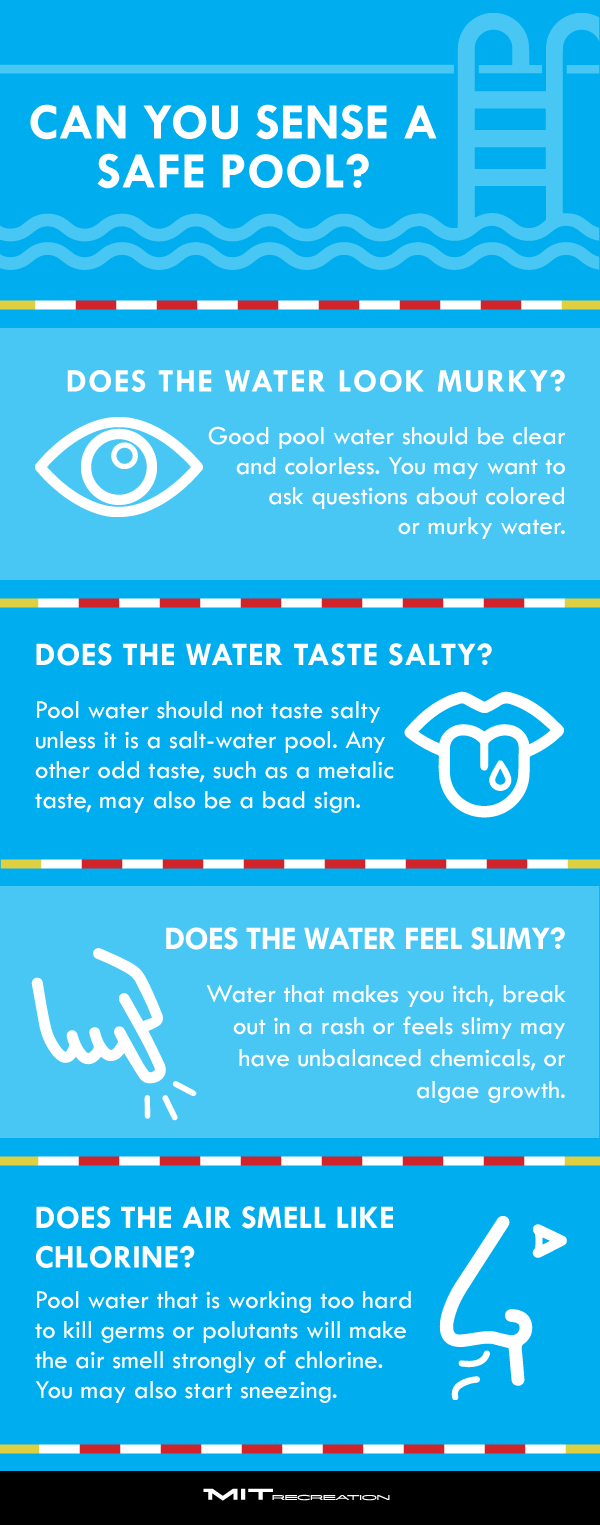
Credit: www.mitrecsports.com
How Pool Location Affects Sliminess
Believe it or not, where your pool is located can make a difference.
- Pools near trees or gardens get more organic debris, leading to more contaminants.
- Pools in hot, sunny areas need more chlorine and circulation.
- Windy areas may need more frequent cleaning to prevent debris buildup.
If your pool is in a high-risk area, increase cleaning frequency and water testing.
Seasonal Effects On Sliminess
- Summer: Higher temperatures mean more algae growth and faster chlorine breakdown. Test and clean more often.
- Rainy season: Rain can dilute chemicals, raise pH, and introduce debris. Test after every storm.
- Winter: Lower use, but still brush and check chemistry monthly.
The Role Of Salt Cells In Water Feel
Salt cells (chlorinators) are at the heart of your system.
- If the cell is dirty or scaled up, it can’t produce enough chlorine, leading to sliminess.
- Clean the cell with a mild acid solution every few months (check your manual).
A well-maintained salt cell keeps your pool water silky, not slimy.
Comparing Salt Water And Traditional Chlorine Pools
If you’re considering switching, here are some differences to keep in mind:
| Aspect | Salt Water Pool | Chlorine Pool |
|---|---|---|
| Water Feel | Silky, softer | Neutral, sometimes harsh |
| Maintenance | Weekly testing, salt cell cleaning | Regular chlorine addition, shock |
| Slimy Risk | Low if balanced, higher if neglected | Low if balanced, higher if neglected |
| Cost | Higher up-front, lower yearly | Lower up-front, higher yearly |
What Really Matters For A Comfortable Pool
If you want your salt water pool to feel perfect, focus on:
- Keeping pH, chlorine, and calcium in range
- Regular brushing and vacuuming
- Promptly treating algae or slimy surfaces
- Cleaning filters and salt cell as needed
It’s not the salt that causes the problem—it’s usually a lapse in maintenance.
Where To Get More Help
If you want to dive deeper into pool chemistry or troubleshooting, the Pool & Hot Tub Alliance has detailed guides and resources. Visit their site for expert tips: Pool & Hot Tub Alliance.
Frequently Asked Questions
Why Does My Salt Water Pool Feel Slimy But The Water Is Clear?
Even if the water looks clear, microalgae or organic contaminants can make surfaces feel slippery. Test your water, brush all surfaces, and balance the chemicals to fix the problem.
Is It Normal For Salt Water To Feel Slippery On The Skin?
Yes, a silky or slippery feeling is normal due to the salt. But if surfaces feel greasy or sticky, it may mean low chlorine or algae.
How Can I Prevent My Pool From Getting Slimy After Rain?
Rain can change pH and dilute chlorine. Test and balance your pool after each storm, brush surfaces, and consider shocking the pool if there is heavy debris or cloudiness.
Can Using Too Much Salt Make My Pool Slimy?
Excess salt usually creates a residue, not sliminess. Slimy water is more often linked to algae or poor chemical balance, not just high salt.
Do All Salt Water Pools Have The Same Slimy Problem?
No, most well-maintained salt water pools feel silky but not slimy. Regular care prevents problems. Sliminess is a sign you need to adjust your maintenance routine.
A salt water pool should be a pleasure, not a mystery. With regular testing, cleaning, and a little attention to detail, you’ll enjoy all the benefits of silky-smooth water—without the slime.