
A pool is a luxury, but it also needs proper care. When your Raypak pool heater starts leaking water, it can be alarming and frustrating. Many pool owners face this problem, often noticing puddles around the heater or drops forming under the unit. Water leaks can damage the heater, increase energy bills, and even threaten the safety of your pool system. But with the right knowledge, you can understand the causes, take the right steps, and prevent bigger problems.
This article will help you fully understand why your Raypak pool heater is leaking water, what you can do about it, and how to avoid future leaks. You’ll learn what causes leaks, how to inspect your heater, repair options, when to call a professional, and practical maintenance tips.
If you want your pool to stay warm, safe, and enjoyable, solving leaks quickly is essential.
Why Raypak Pool Heaters Leak Water
A leaking pool heater is more than an inconvenience. It can signal a small issue or a serious problem inside your system. Understanding the common causes will help you spot problems early and act fast.
1. Condensation
Condensation is one of the most common reasons for water around your pool heater, especially during the first few minutes of operation. When the heater turns on, cold water enters the hot heat exchanger. This temperature difference can cause water vapor to form and collect as droplets on the outside of the unit.
Condensation is usually harmless and stops once the heater runs for a while. However, if you notice large amounts of water, it’s important to check if it’s really condensation or a real leak. Many new owners mistake condensation for a leak and worry unnecessarily.
2. Heat Exchanger Leaks
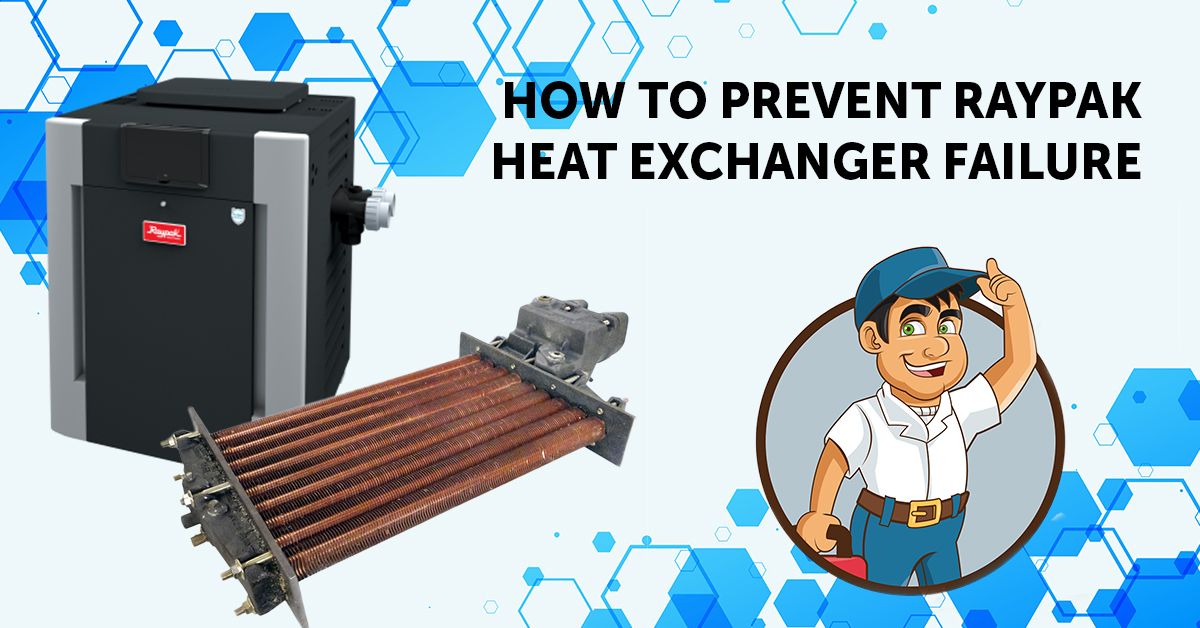
The heat exchanger is the heart of your Raypak pool heater. It heats the pool water as it passes through the tubes. Over time, the heat exchanger can develop cracks or holes due to corrosion, freezing, or poor water chemistry. When this happens, water leaks directly from the exchanger into the heater cabinet and out the bottom.
This is a serious issue. A leaking heat exchanger often means you’ll need a costly repair or even a replacement. Not fixing it quickly can cause further damage to other parts, and the leak will only get worse.
3. Loose Or Damaged Plumbing Connections
Your pool heater connects to the pool’s water lines with PVC or copper pipes. Over time, the fittings, unions, or gaskets can loosen or crack. This is especially common if the heater shakes when running or after winter freezing and thawing.
If water is leaking at the pipes entering or leaving the heater, it’s often a simple fix. Tightening the connection or replacing a gasket usually solves the problem. Always check these first before opening the heater.
4. Internal Gasket Or O-ring Failure
Inside your Raypak heater, several gaskets and O-rings provide watertight seals between parts like the heat exchanger, header, and manifold. These rubber parts can wear out, dry up, or crack over time—especially if exposed to high heat or harsh pool chemicals.
A failed gasket lets water escape inside the unit, often causing slow but steady leaks. Replacing these seals is a common repair and much cheaper than changing the heat exchanger.
5. Pressure Relief Valve Discharge
Most Raypak heaters include a pressure relief valve. This valve is a safety device that releases water if the pressure inside the heater gets too high. If the valve is defective or the system pressure is too high, it may release water even when not needed.
If you see water dripping from a short pipe on the side or bottom of the heater, check the pressure relief valve. Sometimes, simply cleaning or replacing the valve fixes the problem.
6. Freeze Damage
If your pool heater is not winterized and water freezes inside, it can crack the heat exchanger or headers. When the ice melts, water leaks out through these cracks. Freeze damage is a leading cause of leaks after a cold winter.
Freeze damage often requires expensive repairs. Preventing this with proper winterization is much easier than fixing it later.
7. Clogged Or Dirty Heat Exchanger
A clogged heat exchanger can cause water to back up and leak from places it shouldn’t. Mineral buildup from hard water or debris can block the tubes inside the exchanger, increasing pressure and forcing water through weak spots.
Regular maintenance and water testing help prevent this. If you notice decreased heating efficiency and leaks together, a clogged exchanger could be the culprit.
8. Soot, Scale, Or Corrosion
Heaters that run on natural gas or propane can develop soot, scale, or corrosion inside. These build up over time, especially if the burner is misadjusted, the air-fuel mix is wrong, or the heater is not serviced regularly. Corrosion eats away at metal parts, eventually causing leaks.
Cleaning and servicing your heater each season will help avoid leaks from corrosion.
9. Incorrect Water Chemistry
Pool water that is too acidic or contains high levels of minerals can damage heater components. Low pH (acidic water) corrodes metal quickly, while hard water leaves scale and mineral buildup. Both can cause leaks by weakening the heat exchanger and other parts.
Testing your pool water weekly and keeping it balanced is one of the best ways to prevent leaks.
10. Manufacturing Defects
Although rare, some Raypak heaters may leave the factory with a defect—like a bad weld or faulty gasket. In these cases, leaks often appear soon after installation. If your heater is new and leaking, check your warranty and contact the dealer or Raypak support.
Signs Your Raypak Pool Heater Is Leaking
Sometimes, leaks are obvious. Other times, they’re hidden inside the heater cabinet or look like harmless condensation. Here are key signs to watch for:
- Water pooling under or around the heater
- Dripping sounds inside the heater cabinet
- Rust stains or mineral deposits near pipe connections
- Lower pool water level without visible pool leaks
- Steam or unusual humidity near the heater
- White or greenish buildup on heater parts
If you notice any of these, check your heater for leaks before they get worse.
How To Inspect A Raypak Pool Heater For Leaks
Finding the exact source of a leak can be tricky. Here’s a step-by-step guide to help you inspect your Raypak pool heater safely.
Step 1: Turn Off Power And Gas
Before opening or touching the heater, always turn off the power at the breaker and shut off the gas valve. This keeps you safe from electric shock or gas leaks.
Step 2: Dry The Area
Wipe away any standing water around and under the heater. This helps you see where new water appears.
Step 3: Check For Obvious Leaks
Look at the pipes connected to the heater. Feel around the joints and unions for moisture. If water is coming from these areas, try tightening the connections gently with a wrench.
Step 4: Inspect The Heater Cabinet
Remove the front panel of the heater (usually a few screws hold it in place). Use a flashlight to look for water inside. Check around the heat exchanger, headers, and the bottom of the cabinet.
Step 5: Identify The Leak Source
If water is dripping from inside the heater, try to see if it’s coming from the heat exchanger, a gasket, or a valve. Sometimes you can see rust or white buildup around a leak.
Step 6: Check The Pressure Relief Valve
Find the pressure relief valve (usually a small pipe sticking out the side or bottom). If water is leaking here, the valve may need cleaning or replacement.
Step 7: Run The Heater Briefly
If you can’t find the leak, turn the heater back on for a few minutes while watching closely. Sometimes leaks only appear when the heater is running.
Step 8: Smell For Gas
If you ever smell gas while inspecting, shut off the gas supply immediately and call a professional.
Step 9: Document What You Find
Take photos of any leaks or damage. This helps if you need to show a technician or file a warranty claim.
Common Repair Options For Raypak Pool Heater Leaks
Once you find the source, you can decide on the best repair. Some fixes are simple, while others need professional help.
Tightening Or Replacing Plumbing Connections
If the leak is at a pipe union or fitting, start by tightening it gently. Don’t over-tighten or you could crack the fitting. If it still leaks, turn off the water and replace the O-ring or gasket inside the union.
Replacing Gaskets Or O-rings
If a gasket or O-ring inside the heater is the problem, you’ll need to:
- Turn off power and water to the heater.
- Open the cabinet and locate the leaking seal.
- Remove the old gasket or O-ring.
- Install a new one of the same size and material.
- Reassemble and test for leaks.
Gasket kits are available for most Raypak models.
Fixing Or Replacing The Heat Exchanger
A leaking heat exchanger is a major issue. In most cases, it’s better to replace it than try to repair. This job often requires removing the heater from the plumbing and is best left to a professional.
Replacing a heat exchanger can cost between $600 and $1,500, depending on model and labor rates.
Servicing Or Replacing The Pressure Relief Valve
If water is coming from the relief valve, try cleaning it first. Mineral buildup can prevent it from closing completely. If cleaning doesn’t help, replace it with a new valve rated for your Raypak heater.
Addressing Freeze Damage
Cracked headers or heat exchangers from freezing usually mean replacement of the damaged part. Always winterize your pool heater if you live in a cold area.
Removing Scale Or Buildup
If a clogged heat exchanger is causing leaks, you may need to remove and clean it with a descaling solution. Be careful—using the wrong chemicals can damage the metal. Check the Raypak manual for recommended cleaners.
Fixing Corrosion
If you find rust or corrosion, remove the affected parts and clean them. If the metal is too thin or damaged, replace the part.
Dealing With Manufacturing Defects
If your heater is new and the leak is not from installation, contact Raypak or your dealer. Most Raypak heaters have a warranty for leaks from manufacturing defects.
Credit: diy.inyopools.com
When To Call A Professional
Some leaks are easy to fix, but others are not. Here’s when you should call a licensed pool technician:
- Leak is coming from the heat exchanger or inside the cabinet and you’re not confident
- You smell gas or suspect a gas leak
- You tried simple fixes but the leak continues
- You see electrical damage or burnt wiring
- The heater is still under warranty
A good technician can diagnose the problem, get the right parts, and fix the leak safely.
Cost Comparison: Repair Vs. Replacement
The cost of fixing a Raypak pool heater leak depends on the source and the age of your heater. Below is a comparison of typical repair costs:
| Problem | DIY Cost | Professional Cost | Average Time to Fix |
|---|---|---|---|
| Loose Plumbing Connection | $0–$30 | $80–$150 | 30 mins – 1 hour |
| Gasket/O-Ring Replacement | $10–$50 | $120–$200 | 1–2 hours |
| Pressure Relief Valve | $20–$50 | $120–$250 | 1 hour |
| Heat Exchanger Replacement | $400–$800 (parts only) | $700–$1,500 | 2–4 hours |
| Freeze Damage Repair | $100–$500 | $600–$1,500 | 2–4 hours |
If your heater is over 10 years old and needs a new heat exchanger, sometimes replacing the whole unit makes more sense.
Preventing Future Leaks In Your Raypak Pool Heater
Prevention is better than cure. A few simple habits can keep your heater dry and working for years.
1. Maintain Proper Water Chemistry
Check your pool water’s pH, alkalinity, and calcium hardness every week. Keep pH between 7. 4 and 7. 6. Unbalanced water is the #1 cause of corrosion and leaks.
2. Winterize In Cold Climates
If you live where it freezes, always drain the heater in the fall. Blow out water from the pipes and heat exchanger or use pool antifreeze. Never let water freeze inside the heater.
3. Inspect And Tighten Connections
Check all plumbing fittings and unions at the start and end of each season. Tighten any loose parts and look for leaks.
4. Clean The Heat Exchanger
Flush the heat exchanger with fresh water at least once a year. Remove leaves and debris from the heater cabinet.
5. Service The Heater Annually
Have a pool professional service your Raypak heater every year. They’ll clean burners, check for leaks, and spot problems early.
6. Watch For Unusual Noises Or Performance Drops
If the heater starts making strange sounds or heats less efficiently, check for leaks or blockages right away. Early action can prevent major repairs.
7. Use A Pool Cover
A pool cover keeps debris and rainwater out of the pool, which reduces the chance of dirty water entering the heater.
8. Avoid High Chlorine Levels
Too much chlorine can damage metal parts inside the heater. Keep chlorine within recommended levels (1–3 ppm).
9. Read The Manual
Many people skip the Raypak manual, but it has important advice specific to your model. Always follow the manufacturer’s instructions for installation and care.
10. Register Your Heater
If you just bought your heater, register it with Raypak. This makes warranty claims easier if you ever have a leak from a manufacturing defect.
Real-world Examples
Let’s look at two common scenarios:
Example 1: John from Texas noticed water under his Raypak heater in spring. He found that a pipe union was loose after winter. Tightening the union and replacing a worn O-ring stopped the leak—no expensive repairs needed.
Example 2: Maria from New York skipped winterizing her heater. In spring, she found a steady leak. A technician found a cracked heat exchanger from freeze damage. The repair cost $1,200. If she had winterized, she could have saved a lot of money.
These examples show how regular checks and proper care make a big difference.

Credit: forum.inyopools.com
Raypak Pool Heater Leak Troubleshooting Table
Here’s a quick reference for diagnosing leaks:
| Leak Location | Possible Cause | Recommended Action |
|---|---|---|
| Under the heater (center) | Heat exchanger or condensation | Check for corrosion; run heater to test if water stops (condensation) |
| At pipe connections | Loose union or cracked fitting | Tighten or replace union/gasket |
| From relief valve | High pressure or faulty valve | Clean or replace valve; check water pressure |
| Inside cabinet (steady drip) | Failed gasket or internal seal | Replace gasket/O-ring |
| After freezing weather | Cracked exchanger or header | Professional inspection and repair |
Key Insights Most Pool Owners Miss
- Not all leaks are dangerous. Many owners panic at the sight of water, but sometimes it’s just harmless condensation. Always check if the leak stops after a few minutes of heating.
- Water chemistry is critical. Poorly balanced pool water will almost always lead to leaks or heater failure. Checking your water weekly is as important as checking for leaks.
- Warranty claims require proof. If your heater is under warranty, take clear photos and document your maintenance. Raypak may ask for service records before approving repairs.
- Freeze damage is preventable. Most expensive leaks come from freeze damage, which is easy to avoid with proper winterization.
- Annual professional service saves money. Spending a little each year on service can prevent major leaks and extend your heater’s life by many years.

Credit: www.youtube.com
Frequently Asked Questions
Why Is My Raypak Pool Heater Leaking When It Rains?
Rainwater can enter the heater cabinet if the unit is not installed with proper weather protection. Water may pool inside and leak out, which can look like a real leak. Make sure your heater is installed on a raised pad with a cover or shield to keep rain out.
Can I Still Use My Pool Heater If It’s Leaking A Little?
It’s best to turn off the heater and fix the leak before using it again. Small leaks can quickly become bigger problems, causing more damage and higher repair costs. Running the heater with a leak can also void your warranty.
How Long Do Raypak Pool Heaters Usually Last Before Leaking?
A well-maintained Raypak heater can last 8–12 years or more before developing leaks. Heaters in hard water or unbalanced pools may leak sooner. Regular maintenance and proper water chemistry greatly extend the lifespan.
Will Pool Leak Sealers Fix A Leaking Pool Heater?
No, leak sealers are made for pools, not heaters. They can clog the small passages inside your heat exchanger and cause more damage. Always repair the heater itself rather than adding chemicals.
Where Can I Find Raypak Heater Replacement Parts?
Genuine Raypak replacement parts are available from pool supply stores, licensed technicians, and the official Raypak website. Always use authentic parts to ensure proper fit and warranty protection.
A leaking Raypak pool heater doesn’t have to ruin your pool season. With the right knowledge and quick action, you can fix leaks, prevent damage, and keep your pool warm and comfortable. Regular checks, maintenance, and balanced pool water are the keys to a long-lasting heater.
If you’re ever unsure, don’t hesitate to call a professional for help. Your pool—and your wallet—will thank you.