
Finding the best filter for your Dolphin pool cleaner can feel confusing. There are many options, each with different features, benefits, and ideal uses. Some pool owners just stick with the filter that came in the box, but that choice is not always the best for your specific needs. Picking the right Dolphin filter can make your pool water clearer, reduce cleaning time, and even extend the life of your robot. Let’s explore all you need to know, from the different filter types to smart ways to choose the right one for your pool and lifestyle.
Understanding Dolphin Pool Cleaner Filters
Many people think all pool robot filters are the same, but Dolphin models use a few main types. Each filter works best for a specific purpose, pool type, and debris size. Before buying a replacement or upgrade, it helps to know these basics.
What Does A Dolphin Filter Do?
A Dolphin filter traps dirt, leaves, sand, algae, and even very fine particles as your robotic pool cleaner moves around. As water passes through the robot, the filter captures debris and keeps the water clean. The type of filter you choose affects how clean your pool gets and how often you need to empty or clean the filter.
Main Types Of Dolphin Filters
Dolphin robots generally use these filter types:
- Fine filters
- Ultra-fine filters
- Cartridge filters
- Spring filters
- Multi-layer filters
- Bag filters
Let’s look at each type in detail, so you can see which fits your needs.
Fine Filters: The Everyday Workhorse
Fine filters are the standard option for most Dolphin robots. They usually trap particles as small as 70-100 microns. This means they can catch dust, small leaves, and some algae, but will not always catch the finest sand or pollen.
Fine filters often come with new Dolphin cleaners, so many pool owners use them by default. They’re a solid choice for pools with moderate debris, such as outdoor pools with a few nearby trees or light dust.
Benefits:
- Good for regular cleaning
- Easy to rinse and reuse
- Usually less expensive
Weaknesses:
- May let very fine dust, pollen, or sand pass through
- Not ideal after storms or during heavy pollen season
Practical tip: If your pool looks mostly clean but sometimes has a dull haze, your fine filter may be missing the smallest particles.

Credit: www.freepik.com
Ultra-fine Filters: For Crystal Clear Water
For the cleanest water possible, ultra-fine filters are the answer. These filters catch tiny debris down to 10-30 microns. They’re especially good for pools with dust, sand, or a lot of pollen, or for anyone who wants their water to sparkle.
Benefits:
- Catches almost all dirt and dust
- Great for allergy-prone swimmers
- Best for pools in windy or dusty areas
Weaknesses:
- Fills up faster, so needs emptying more often
- Can clog during big leaf falls
Non-obvious insight: Many people use ultra-fine filters year-round, but it’s better to use them mainly when the pool is already mostly clean. For heavy debris (like leaves), they can block up quickly.
Cartridge Filters: The Balanced Choice
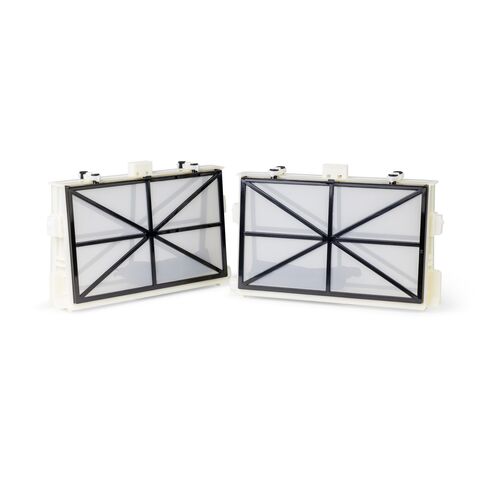
Many new Dolphin robots use cartridge filters. These often combine fine and ultra-fine layers, offering a balance between good filtration and ease of cleaning.
Cartridges are rigid and slide easily in and out of the robot. Some models allow you to swap between different cartridge grades for different seasons.
Benefits:
- Easy to handle and rinse
- Available in different grades (fine, ultra-fine)
- Lasts longer than soft filters
Weaknesses:
- More expensive than spring or bag filters
- Some models have hard-to-find replacement cartridges
Practical tip: Always check your Dolphin model’s manual to see which cartridge sizes fit, as not all are cross-compatible.
Spring Filters: Seasonal Power
Spring filters have larger mesh openings, often 100+ microns. They allow more water to pass through quickly, and are designed for times when your pool gets big debris, like during spring cleaning, after storms, or heavy leaf drops.
Benefits:
- Won’t clog easily with leaves or flower petals
- Cleans large pools faster
- Good for the first clean after winter
Weaknesses:
- Misses most fine dust, sand, and algae
- Not for everyday use if you want clear water
Non-obvious insight: Spring filters are best used as a first step, followed by a fine or ultra-fine filter to get your water sparkling again.
Multi-layer Filters: Best Of Both Worlds
Some newer Dolphin models come with multi-layer filters. These combine a fine and ultra-fine mesh in one unit, so they trap both big and small debris in a single pass. This is a great upgrade if you want less filter swapping and better cleaning.
Benefits:
- Handles both leaves and dust together
- Reduces how often you need to empty the filter
- Ideal for busy pool owners
Weaknesses:
- Can be more expensive
- Not available for all Dolphin models
Practical tip: If your pool gets both leaves and fine dust, multi-layer filters can save you time and keep your robot working at top performance.
Bag Filters: The Classic Option
Older Dolphin models and some commercial robots use bag filters. These are soft, reusable fabric bags that hold a lot of debris. They’re good for big pools with lots of leaves, but less popular for home pools today.
Benefits:
- Holds more debris than cartridges
- Can handle heavy dirt loads
Weaknesses:
- Harder to clean thoroughly (dirt can get stuck in fabric)
- Not as good at catching ultra-fine particles
- May need more frequent replacement
Practical tip: If your Dolphin uses bags, consider keeping a spare so you can swap and wash between uses.
Which Dolphin Filter To Use: Choosing By Pool Situation
Now that you know the main types, the next step is matching the Dolphin filter to your pool’s unique needs. Let’s break this down by common pool situations.
Outdoor Pools With Trees
If your pool is outside and you often find leaves, twigs, and flower petals, start with a spring filter or a fine filter. For best results, run your robot with a spring filter right after storms or in fall, then switch to a fine or multi-layer filter for regular cleaning.
Pools With Sand Or Dust
For pools in dusty or sandy areas, or if you notice fine grit on the floor, use ultra-fine filters. These will trap sand, pollen, and even small algae particles, keeping your water clear.
Pools With Heavy Use
If lots of swimmers use your pool, or if you run the robot daily, a multi-layer filter or cartridge filter offers a good balance. Multi-layer filters reduce how often you need to empty the debris holder, making maintenance easier.
After Pool Opening Or Storms
When you open your pool for the season or after a big storm, start with a spring filter or bag filter to catch large debris. Once the big dirt is gone, switch to a fine or ultra-fine filter for a final clean.
Indoor Pools
Indoor pools get less big debris, but dust and skin particles can build up. Ultra-fine filters or fine cartridge filters are usually best here.
How To Know If You Chose The Right Dolphin Filter
Many pool owners wonder if their filter is actually working well. Here are clear signs you made a good choice:
- Water stays clear for several days after cleaning
- No dust or sand at the bottom after the robot finishes
- Filter is full of debris when you open it (not empty)
- Robot moves freely and doesn’t clog up quickly
If you see cloudy water, debris on the floor, or the robot seems slow, try a finer filter or check if you need to clean the existing one.
Table: Dolphin Filter Types Compared
The following table helps you compare main Dolphin filter types quickly:
| Filter Type | Traps Smallest Size (microns) | Best For | Weaknesses |
|---|---|---|---|
| Fine | 70-100 | Everyday cleaning, average debris | Misses fine dust/sand |
| Ultra-Fine | 10-30 | Dust, sand, pollen, clear water | Clogs with large debris |
| Cartridge | 30-100 | Balanced cleaning, easy to handle | May need swapping for heavy debris |
| Spring | 100+ | Large debris, opening/closing pool | Misses fine particles |
| Multi-Layer | 10-100 | Mix of leaves and dust | More expensive |
| Bag | 50-100 | Heavy debris, older models | Hard to clean, not ultra-fine |
How To Clean And Maintain Your Dolphin Filter
Proper filter care is just as important as picking the right one. A dirty or clogged filter can make even the best robot work poorly.
Cleaning Steps
- Remove the filter from your Dolphin robot. Always turn off and unplug the robot first for safety.
- Hose off debris: Use a garden hose to spray both sides of the filter. For ultra-fine filters, spray gently.
- Check for stuck dirt: Tap the filter on a hard surface to loosen sand or grit.
- Deep clean if needed: Soak the filter in a bucket of warm water with a little dish soap every few weeks, especially if you notice algae or oil buildup.
- Let dry fully before putting back. This stops mold and keeps the filter in good shape.
Replacement Schedule
Even reusable filters wear out over time. Here’s a rough guide:
- Fine/ultra-fine cartridges: Replace every 1-2 years, or if torn or won’t come clean.
- Spring filters: Replace yearly or when holes appear.
- Bag filters: Replace when the fabric gets thin or hard to clean.
Pro tip: Always keep a spare filter or two. This way, you can swap quickly and clean the dirty one later, so your pool robot is never out of action.
Dolphin Filter Compatibility: Matching Filter To Model
Not all Dolphin filters fit every robot. Before buying, check your model’s user manual, or look at the old filter for part numbers. Dolphin’s website and many pool supply stores list compatible filters for each model.
For example:
- Dolphin Nautilus CC Plus uses cartridge filters (fine and ultra-fine).
- Dolphin Premier can use both bag and cartridge filters.
- Dolphin Triton PS uses snap-in cartridge filters.
- Older commercial models often use bag filters.
If you’re unsure, take a picture of your old filter and compare with online listings, or ask the supplier. Some generic filters claim to fit many models, but quality and fit can vary.
Table: Popular Dolphin Models And Filter Types
Here’s a quick reference for popular Dolphin robots and their filter options:
| Dolphin Model | Standard Filter | Optional Upgrades |
|---|---|---|
| Nautilus CC Plus | Fine Cartridge | Ultra-Fine Cartridge |
| Premier | Fine Bag | Cartridge, Ultra-Fine Bag |
| Triton PS | Fine Cartridge | Ultra-Fine Cartridge |
| Active 20 | Fine Cartridge | Ultra-Fine Cartridge |
| Quantum | Multi-Layer Cartridge | Ultra-Fine Cartridge |
| Proteus DX4 | Fine Cartridge | Ultra-Fine Cartridge |
| Escape | Fine Cartridge | Ultra-Fine Cartridge |
Practical insight: Upgrading to an ultra-fine or multi-layer filter is often the cheapest way to get better cleaning without buying a new robot.
Common Mistakes When Choosing Dolphin Filters
Many pool owners make simple mistakes that can lead to frustration or wasted money. Here’s what to avoid:
- Using the wrong filter for the season: Spring filters are for big debris, not regular cleaning.
- Not cleaning filters often enough: Even the best filter will clog and lose power if not rinsed.
- Buying “universal” filters: Some cheaper brands don’t fit well or tear easily.
- Ignoring ultra-fine upgrades: If your water is always hazy, don’t stick with a basic filter.
- Storing filters wet: This can cause mold and bad smells.
Pro tip: Buy genuine or high-quality third-party filters from trusted sources, and read reviews before ordering.
Saving Time And Money With Smart Filter Use
You don’t need every filter type, but having at least two (fine and ultra-fine, or fine and spring) will cover most needs. This way, you can switch based on season or debris type, and extend the life of each filter.
Real-world example: Many pool owners run a spring filter after a storm, then swap in an ultra-fine filter for the next cleaning cycle. This keeps the robot from clogging and makes the water much clearer.
Table: Filter Type Vs. Common Pool Problems
This quick guide matches filter types to common pool issues:
| Pool Problem | Best Filter Type | Why |
|---|---|---|
| Lots of leaves/twigs | Spring/Bag | Large mesh prevents clogging |
| Cloudy water | Ultra-Fine | Traps fine dust/pollen |
| Sand at bottom | Ultra-Fine | Captures tiny grit |
| Everyday cleaning | Fine or Multi-Layer | Handles most debris |
| Heavy swimmer use | Multi-Layer | Holds more dirt, less emptying |
Credit: www.maytronics.com
Should You Buy Generic Or Oem Dolphin Filters?
You can find both OEM (Original Equipment Manufacturer) filters and generic, off-brand options. OEM filters cost more, but usually guarantee the best fit and quality. Generic filters can save money but sometimes have issues:
- Fit might be loose or too tight
- Mesh can tear more easily
- May not filter as well as originals
If you choose generic, look for brands with many positive reviews and clear return policies.
When To Upgrade Your Dolphin Filter
If you’ve been using the same filter type for years, you may be missing out on much better cleaning. Upgrading to a multi-layer or ultra-fine filter can give you noticeably clearer water, especially if you live in a dusty area or your pool sees heavy use.
Signs it’s time to upgrade:
- Pool water stays hazy even after cleaning
- You see sand or grit at the bottom
- You empty the filter often, but it looks only half full (could mean it’s passing fine dirt)
Bonus tip: Upgrading your filter is usually much cheaper than buying a new robot, and can make an old Dolphin feel like new.

Credit: www.amazon.com
Where To Buy Dolphin Filters
You can find Dolphin filters at pool supply stores, online marketplaces like Amazon, and directly from the manufacturer. Always compare prices and check for your specific model number before buying.
For more technical details and cross-compatibility, the official Maytronics Dolphin website is a reliable source: Maytronics Dolphin.
Frequently Asked Questions
What Is The Difference Between Fine And Ultra-fine Dolphin Filters?
Fine filters catch average dirt, leaves, and some dust, with openings around 70-100 microns. Ultra-fine filters capture much smaller particles, down to 10-30 microns. This means ultra-fine filters are better for pollen, sand, and tiny debris, but can clog more quickly if there are lots of leaves.
Can I Use A Spring Filter All Season?
Spring filters are designed for large debris like leaves and twigs, especially after storms or during pool opening. Using them all season means you’ll miss fine dust and your pool water may stay cloudy. It’s best to switch to a fine or ultra-fine filter once big debris is cleared.
Are Dolphin Filters Reusable?
Yes, almost all Dolphin filters are reusable. Rinse them after every use, and deep clean them every few weeks. Replace when you see tears, holes, or if they no longer come clean. Proper care extends filter life and keeps your robot working well.
Do All Dolphin Filters Fit Every Model?
No. Each Dolphin model has specific filter sizes and shapes. Always check your robot’s manual or the current filter’s part number before buying. Some models can use both cartridges and bags, but most have a specific type.
How Often Should I Clean My Dolphin Filter?
Rinse your filter after every cleaning cycle. For heavy debris or after storms, you may need to rinse during the cycle too. Deep clean with soapy water every few weeks, and let filters dry fully before storage to prevent mold.
—
Choosing the right Dolphin filter makes a big difference in how clean and inviting your pool looks and feels. Understand your pool’s unique needs, match the filter type, and keep filters well maintained. With a little attention, your Dolphin robot will keep your water crystal clear all season long.