
Imagine a sunny afternoon, the scent of fresh-cut grass, and the gentle splash of water as children dive into a shimmering blue pool. You look outside and wonder: Is a 14×28 inground pool big enough for your family, for entertaining friends, or for exercise? The answer is more complex than it seems. Pool size is not just about numbers; it’s about how you use it, who uses it, and what you expect. This article dives deep into all 28 critical factors you must consider about a 14×28 inground pool, helping you decide if it’s right for you and making sure you understand every detail before you commit.
Dimensions And Area
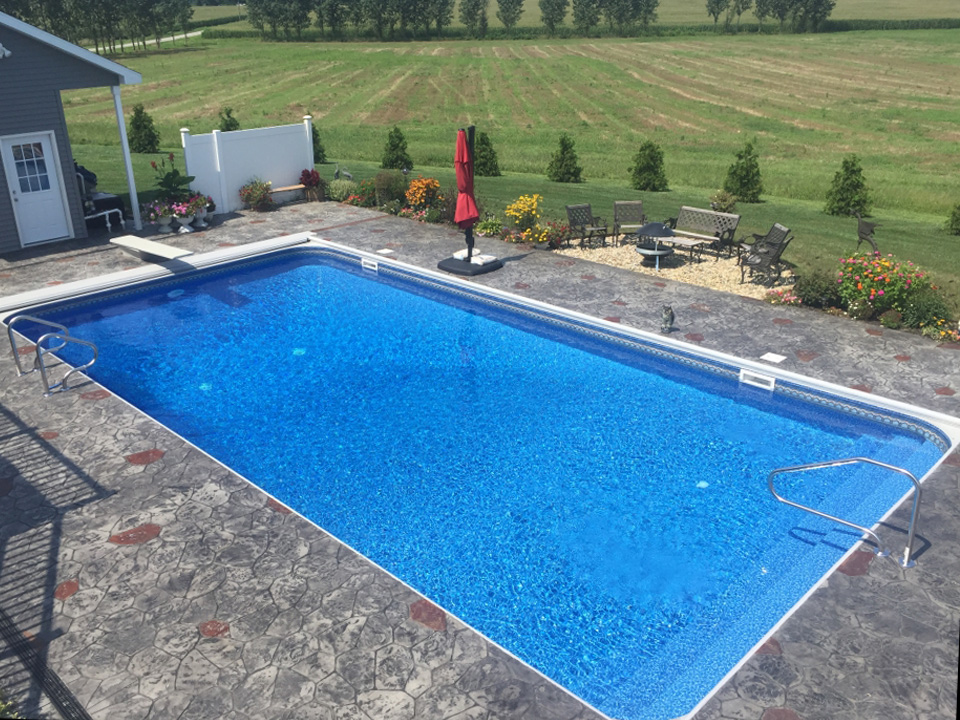
A 14×28 inground pool means the pool is 14 feet wide and 28 feet long. This gives a surface area of 392 square feet. Many people ask if this is large enough for their needs. Compared to standard residential pools, which often range from 12×24 feet (288 sq ft) to 20×40 feet (800 sq ft), a 14×28 pool sits comfortably in the mid-range. It is not a tiny pool, but it’s not an Olympic-sized pool either. For most families, this size offers a good balance of swim space and manageability.
Depth Options
Depth is often overlooked. Most 14×28 inground pools come with customizable depth. Common options include:
- 3.5 feet shallow end for easy access and safe play.
- 6 feet deep end for diving and swimming.
- Some pools offer a uniform depth throughout.
If you want to dive, you need at least 6 feet. If you have young kids, a shallow end is safer. Depth affects how much water the pool holds and how you use it.
Pool Volume
The pool’s volume determines how much water it holds, affecting heating costs and maintenance. With a typical depth of 5 feet, a 14×28 pool holds about 14,700 gallons of water. This is manageable for most home filtration systems and not overwhelming for chemical balancing.
Swimming Lanes
A standard lap pool is about 8 feet wide, so a 14-foot width lets you have one dedicated swimming lane, or two side-by-side for slower swimmers. If swimming laps is your main goal, you can swim comfortably, but you won’t have competition-level lanes.
Family Use
For a family of four to six, a 14×28 pool is usually enough. There’s room for kids to play, adults to relax, and everyone to swim together. It may feel crowded with larger groups, but for most families, it’s perfect for daily use.
Entertaining Guests
If you want to host pool parties, consider how many people you expect. A 14×28 pool can comfortably fit 8-12 adults, with room to move around. With more guests, the pool will feel crowded, but it’s still enjoyable for casual gatherings.
Exercise Possibilities
Swimming laps, water aerobics, or resistance training are all possible in a 14×28 pool. While you can’t swim Olympic laps, you can get a good workout. Some homeowners add swim jets for resistance, making the pool feel larger.
Kid Safety
A pool this size is easy to monitor. You can see the entire surface from most angles, making it safer for children. Adding a shallow end and safety features like fencing or alarms makes it even better.

Credit: www.lathampool.com
Maintenance Requirements
A 14×28 pool requires regular cleaning, chemical balancing, and occasional repairs. Its size means you spend less time cleaning than with larger pools, and maintenance costs are lower. You’ll need:
- Weekly skimming
- Monthly filter cleaning
- Occasional vacuuming
Heating Efficiency
Smaller pools heat faster. With 14,700 gallons of water, a 14×28 pool will warm up quickly using a standard pool heater. This is ideal if you live in a cooler climate or want to extend the swimming season.
Credit: www.royalswimmingpools.com
Water Features
Adding features like waterfalls, jets, or lights is easier and less costly with a pool this size. The pool’s size supports one or two major features without overcrowding.
Pool Cover Compatibility
Standard pool covers fit 14×28 pools easily, so you can protect your pool from debris and reduce evaporation. Automatic covers, solar covers, and safety covers are all available in this size.
Patio And Deck Space
A 14×28 pool leaves room for patio furniture, grills, and landscaping around the pool. It doesn’t dominate your yard, so you have space for other activities. If your yard is small, this pool size is a smart choice.
Cost Of Installation
Pool installation costs depend on materials, depth, and features, but a 14×28 inground pool typically costs between $35,000 and $60,000. This includes excavation, plumbing, and finishing. Larger pools can cost much more. This size is manageable for most budgets.
Credit: www.troublefreepool.com
Operating Costs
Operating costs include water, electricity, chemicals, and maintenance. You’ll spend about $2,000–$3,500 per year for a 14×28 pool. This is less than larger pools, making it more affordable long-term.
Pool Shape Variations
Not all 14×28 pools are rectangular. You can choose:
- Rectangle for lap swimming.
- Oval for softer edges.
- Kidney-shaped for style.
- Freeform for custom designs.
Shape affects how you use the pool and how it fits in your yard.
Accessibility Features
A pool this size supports ladders, steps, or ramps. If you have elderly family members or people with disabilities, you can add accessible entry points without losing swim space.
Landscaping Options
A 14×28 pool allows room for landscaping around the pool. You can add gardens, walkways, or privacy screens. Smaller pools leave more yard for grass and plants.
Resale Value
Pools can increase home value, but only if they suit the neighborhood and climate. A 14×28 pool appeals to buyers who want a manageable, attractive pool. Larger pools can be a liability, but this size is a safe investment.
Regulatory Compliance
Most local codes require fences, alarms, and safe entry points. A 14×28 pool is easy to bring up to code. You won’t face unusual challenges with permits or inspections.
Space For Accessories
You can add pool floats, games, or toys without crowding the pool. There’s enough space for basketball hoops or volleyball nets, making the pool versatile.
Pool Lighting
Lighting is important for safety and ambiance. A 14×28 pool needs fewer lights than larger pools, reducing installation and energy costs. LED lighting is popular and easy to install.
Seasonal Use
If you live in a four-season climate, a 14×28 pool is easier to open and close each season. Winterizing and opening in spring are simpler than with bigger pools.
Pool Cleaning Technology
Robotic pool cleaners work well in pools this size. Automatic systems can clean the entire surface and floor without missing spots. Maintenance is easier and more effective.
Poolside Seating
You can place loungers, chairs, and tables along the pool’s edge. The pool doesn’t take up all your yard, so you have room for guests to relax poolside.
Privacy Concerns
A 14×28 pool is small enough to shield with fences or hedges. You can create a private oasis without blocking your entire yard or view.
Environmental Impact
Smaller pools use less water and energy. A 14×28 pool is more eco-friendly than larger pools. You can add solar heating or energy-efficient pumps to reduce your footprint.
Upgrades And Renovations
If you ever want to upgrade, a 14×28 pool supports new liners, tile, or decking without major construction. Renovations are easier and less expensive than with large pools.
Insurance Considerations
Home insurance often covers pools. A 14×28 pool is easier to insure and costs less in premiums than bigger pools. You must disclose the pool and follow safety regulations.
Pool Comparison Table
To help visualize how a 14×28 pool compares to other common sizes, see this data:
| Pool Size (ft) | Surface Area (sq ft) | Water Volume (gallons, avg depth 5 ft) | Cost (USD) |
|---|---|---|---|
| 12×24 | 288 | 10,800 | $25,000–$40,000 |
| 14×28 | 392 | 14,700 | $35,000–$60,000 |
| 16×32 | 512 | 20,500 | $45,000–$75,000 |
| 20×40 | 800 | 32,000 | $60,000–$100,000 |
Pool Depth Comparison
Depth affects usability and safety. Here’s how different depths impact pool use:
| Depth (ft) | Best For | Safety | Volume (14×28) |
|---|---|---|---|
| 3.5 | Kids, play | High | 10,290 gal |
| 5 | Mixed use | Medium | 14,700 gal |
| 6 | Diving, laps | Lower | 17,640 gal |
Pool Shape Comparison
Shape changes how you use your pool and how it looks in your yard.
| Shape | Swim Space | Style | Cost |
|---|---|---|---|
| Rectangle | Best for laps | Modern | Standard |
| Oval | Good for play | Classic | +10% |
| Kidney | Mixed use | Natural | +15% |
| Freeform | Varied | Custom | +20% |
28 Key Factors For 14×28 Inground Pool Size
Let’s examine each factor in detail:
1. Surface Area
A 14×28 pool offers 392 sq ft. This is enough for most families and small gatherings. It’s not huge, but it’s not cramped either.
2. Volume
With average depth, expect 14,700 gallons. This is manageable for home equipment and keeps heating costs low.
3. Depth Choices
You can pick shallow, deep, or a mix. Depth changes how you use the pool and who can swim safely.
4. Lap Swimming
One lane fits easily. If you love swimming for exercise, this size is enough for most routines.
5. Family Use
Enough space for 4–6 people to swim, splash, and play. If your family is larger, you may want more space.
6. Entertaining
Perfect for small parties. Up to 12 adults can enjoy the pool without feeling crowded.
7. Exercise
Water aerobics, resistance training, and casual laps are all possible. Add swim jets for a stronger workout.
8. Kid Safety
Easier to monitor than larger pools. You can see all corners and keep kids safe with proper supervision.
9. Maintenance
Less cleaning than larger pools. Maintenance is manageable for most homeowners.
10. Heating
Heats quickly and efficiently. Extends your swimming season without high energy bills.
11. Water Features
Supports one or two features—like waterfalls or jets—without overcrowding the pool.
12. Pool Covers
Standard covers fit easily. Keeps debris out and protects the water.
13. Patio Space
Leaves room for other activities in your yard. You can add furniture and landscaping.
14. Installation Cost
Mid-range price makes it accessible. Not as costly as larger pools, but more expensive than small plunge pools.
15. Operating Cost
Lower than big pools. Yearly expenses are manageable and predictable.
16. Shape Options
You can choose rectangle, oval, kidney, or custom. Shape affects style and function.
17. Accessibility
Supports ladders, steps, or ramps for easy entry. Good for all ages and abilities.
18. Landscaping
Space for gardens and walkways around the pool. Enhances overall yard design.
19. Resale Value
Adds value if it suits the neighborhood. Buyers like manageable pools that are not too big.
20. Regulations
Easy to meet safety codes. Fencing and alarms are straightforward to install.
21. Accessory Space
Room for floats, toys, and games. Pool is versatile for all ages.
22. Lighting
Needs fewer lights than bigger pools. LED systems are easy to install and efficient.
23. Seasonal Use
Easier to open and close each year. Saves time and effort.
24. Cleaning Tech
Robotic cleaners cover the whole pool. Maintenance is simple and effective.
25. Poolside Seating
Room for chairs and tables around the pool. Guests can relax without feeling crowded.
26. Privacy
Easy to shield with fences or hedges. Creates a private retreat in your yard.
27. Environmental Impact
Uses less water and energy. More eco-friendly than larger pools.
28. Upgrades
Supports easy renovations. You can update liners, tiles, or decking without major work.
Non-obvious Insights
Most beginners miss these points:
- Pool depth is just as important as length and width. A shallow pool is safer but limits diving and exercise.
- The shape affects not only style but how you use the pool. Rectangle pools are best for laps, while freeform shapes are better for relaxation.
- Operating costs are often underestimated. Heating, cleaning, and chemical costs add up, so plan your budget carefully.
Practical Advice For Choosing
If you want a pool for family fun, exercise, and occasional entertaining, a 14×28 inground pool is big enough. If you plan to host large parties or want competition-level lap swimming, consider a bigger pool. Always measure your yard, check local regulations, and talk to pool builders before making a decision. It’s better to be sure than to regret your choice later.
For more technical details, you can visit this resource: SwimmingPool.com.
Frequently Asked Questions
Is A 14×28 Inground Pool Big Enough For Lap Swimming?
Yes, you can swim laps in a 14×28 pool. You’ll have about 28 feet per length, which is suitable for casual lap swimmers. For competitive training, a longer pool is better.
How Many People Can Use A 14×28 Pool At The Same Time?
8–12 adults can swim, float, and relax comfortably. For larger parties, the pool may feel crowded.
What Is The Average Cost To Install A 14×28 Inground Pool?
Installation costs range from $35,000 to $60,000, depending on materials, features, and local labor rates.
Is A 14×28 Pool Easy To Maintain?
Maintenance is easier than with larger pools. Weekly cleaning and monthly filter maintenance are manageable for most homeowners.
Can I Add Water Features To A 14×28 Inground Pool?
Yes, you can add waterfalls, jets, or lights. The pool supports one or two major features without overcrowding.
A well-planned 14×28 inground pool offers a balanced solution for families, exercise, and relaxation. It fits most yards, keeps costs manageable, and is flexible for upgrades and accessories. By considering all 28 factors, you can confidently decide if this pool size is right for you. Remember to match your pool choice to your lifestyle, yard size, and budget for lasting enjoyment.