
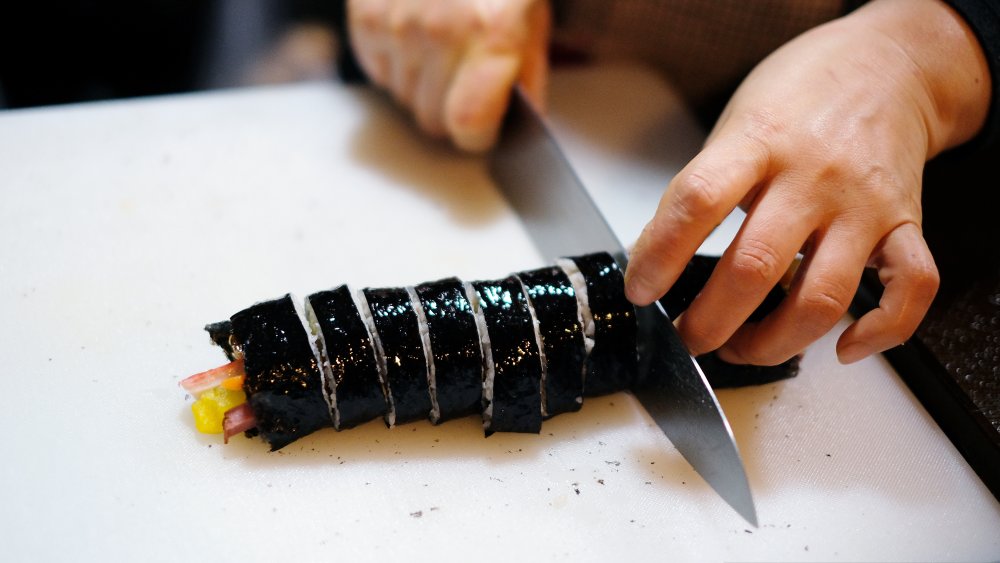
Kimbap, the beloved Korean rice roll, brings together flavor, color, and convenience in every slice. Whether you make it at home or buy it from a store, kimbap is a favorite for picnics, lunchboxes, and quick snacks. But if you have leftovers or want to prepare ahead, you may wonder: how do you store kimbap so it stays fresh, tasty, and safe to eat? The answer is not as simple as wrapping and refrigerating. Kimbap’s unique ingredients and structure make proper storage a little tricky. This guide will show you everything you need to know about storing kimbap, from short-term solutions to long-term freezing. You’ll also learn how to keep the texture, flavor, and safety of your kimbap intact, plus smart tips that most beginners miss.
Why Storing Kimbap Is Different
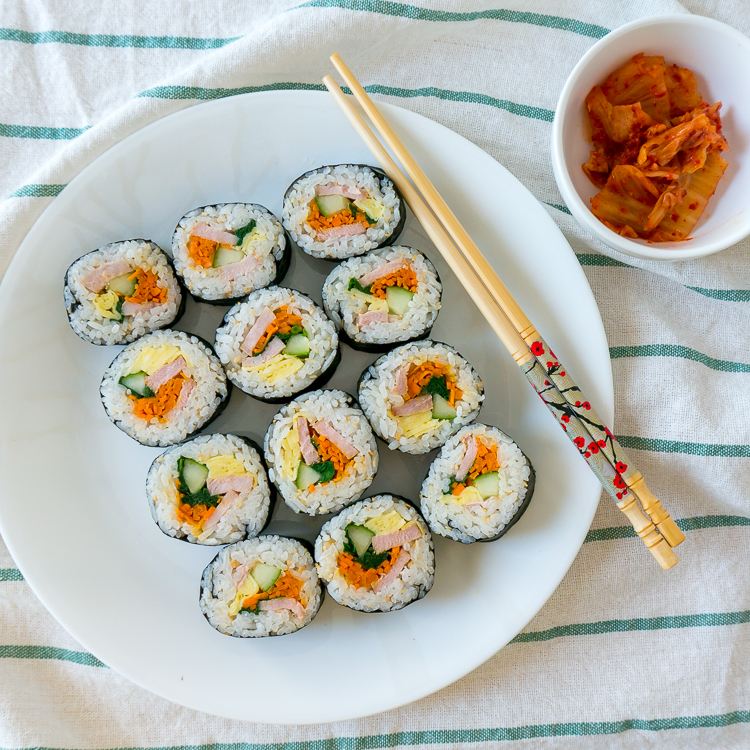
Kimbap looks similar to Japanese sushi rolls, but the way you store them is not the same. The main reason is seasoned rice and fillings. Kimbap uses sesame oil in the rice, not vinegar, and often includes ingredients like spinach, carrots, eggs, ham, and pickled radish. These fillings have different moisture levels and can spoil quickly if not stored correctly.
If you just put kimbap in the fridge, the rice can become hard and dry, and the seaweed turns chewy or soggy. If you leave it at room temperature for too long, bacteria can grow fast, making it unsafe to eat. So, let’s look at the best ways to store kimbap for different needs.
Storing Kimbap At Room Temperature
Kimbap is often made fresh for immediate eating. But sometimes, you need to keep it out for a few hours, such as during a picnic or at work.
How Long Can Kimbap Stay Out?
Kimbap can be kept at room temperature for up to 4 hours if the room is cool (under 23°C or 73°F). This short time is because cooked rice and moist fillings are perfect for bacteria to grow. After 4 hours, the risk of food poisoning increases quickly.
Tips For Room Temperature Storage
- Keep kimbap covered: Wrap the rolls in parchment paper or plastic wrap to prevent drying.
- Store away from direct sunlight and heat: Find the coolest spot possible if you’re outside.
- Use an insulated container: If possible, use a lunchbox with a cooling pack to help slow down spoilage.
- Avoid opening frequently: Each time you open the container, air and bacteria can enter.
Example
If you make kimbap at 8 am for a 12 pm picnic, wrap them tightly in parchment paper, place in an insulated bag with a small ice pack, and avoid opening until ready to eat.
Common Mistakes
- Leaving kimbap out overnight is unsafe, even if the weather is cool.
- Wrapping hot kimbap tightly traps moisture and makes the seaweed soggy. Let it cool to room temperature first.
Credit: www.mashed.com
Refrigerating Kimbap
Sometimes you want to keep kimbap for a longer period, such as making extra for tomorrow’s lunch. Refrigeration can work, but it has challenges.
What Happens In The Fridge?
Refrigeration slows bacteria, but it also makes the rice hard and dry. This happens because rice starch crystallizes at low temperatures. The seaweed can become tough, and fillings may lose flavor.
How To Refrigerate Kimbap Properly
- Wrap tightly: Use plastic wrap to cover each roll or slice. This prevents air exposure and keeps moisture in.
- Use an airtight container: Place wrapped kimbap in a container to avoid absorbing fridge odors.
- Add a damp paper towel: Inside the container, a damp towel helps maintain moisture.
- Label with date/time: Always note when you stored it to avoid eating old kimbap.
How Long Does It Last?
Kimbap stored in the fridge is best eaten within 24 hours. After that, the texture and taste decline quickly. Some fillings, like meat or egg, may last a bit longer, but vegetables and rice suffer most.
Reviving Chilled Kimbap
Cold kimbap isn’t fun to eat. Here’s how to bring it back to life:
- Microwave method: Place slices on a microwave-safe plate, cover with a damp paper towel, and heat for 20-30 seconds. The steam softens the rice and seaweed.
- Pan-fry method: Dip slices in a beaten egg and pan-fry for a crispy, warm version called “kimbap jeon.”
- Room temperature method: Let the kimbap sit out (covered) for 30 minutes before eating.
Comparison: Room Temperature Vs. Refrigerated Kimbap
Below is a look at what happens to kimbap under different storage conditions:
| Storage Method | Safe Time Limit | Texture | Flavor |
|---|---|---|---|
| Room Temperature | Up to 4 hours | Soft rice, crisp seaweed (fresh) | Best flavor |
| Refrigerated | Up to 24 hours | Rice hardens, seaweed chewy | Less aromatic, but safe |
Non-obvious Insight
Many beginners think wrapping kimbap in foil is good for the fridge. In reality, foil can make the seaweed soggy because it traps too much moisture. Always use plastic wrap for best results.
Freezing Kimbap For Long-term Storage
Freezing is not traditional, but it’s possible if you want to store kimbap for more than a day. However, not all kimbap types freeze well.
Which Kimbap Can Be Frozen?
Kimbap with simple, firm fillings (like ham, crab stick, pickled radish, carrot) are better for freezing. Rolls with fresh cucumber, spinach, or egg can become watery or mushy after thawing.
How To Freeze Kimbap
- Slice before freezing: Cut the kimbap into pieces for easier thawing.
- Pre-freeze on a tray: Place slices on a tray lined with parchment and freeze for 1-2 hours. This prevents sticking.
- Wrap individually: After pre-freezing, wrap each slice with plastic wrap.
- Use a freezer bag: Place wrapped slices in a ziplock bag or airtight container. Remove as much air as possible.
- Label with date: Kimbap can be frozen for up to 1 month.
Thawing And Reheating
- Thaw in the fridge: Move frozen kimbap to the fridge for several hours or overnight.
- Reheat in microwave: Use a damp paper towel over the slices and heat for 30-40 seconds.
- Pan-fry for best texture: Dipping in egg and frying gives a crispy exterior and soft interior.
What To Avoid
- Never freeze kimbap with mayonnaise or creamy sauces—they separate and spoil when thawed.
- Avoid freezing rolls with fresh vegetables, as they lose crunch and water content.
Example
Suppose you made 4 rolls and want to save 2 for later. Freeze slices following the steps above. When ready, thaw in the fridge overnight and pan-fry in the morning for a new texture and warm flavor.
Data Table: Kimbap Fillings That Freeze Well Vs. Poorly
| Filling Type | Freezes Well? | Texture After Thawing |
|---|---|---|
| Ham | Yes | Remains firm |
| Imitation crab stick | Yes | Good texture |
| Pickled radish | Yes | Crunchy, minimal change |
| Egg omelet | No | Can become rubbery |
| Fresh cucumber | No | Watery, mushy |
| Spinach | No | Loses texture |
| Cheese | Yes | Soft, melts slightly |
Packaging And Wrapping: Why It Matters
How you wrap your kimbap makes a big difference to texture and freshness, especially for storage beyond a few hours.
Best Materials For Wrapping
- Plastic wrap: Keeps air and moisture out. Best for fridge and freezer.
- Parchment paper: Good for short-term, as it absorbs extra moisture.
- Wax paper: Similar to parchment, but not for freezing.
- Airtight containers: Add extra protection against fridge odors.
How To Wrap For Different Storage
- Short-term (up to 4 hours): Use parchment or wax paper. If not available, wrap in a clean kitchen towel.
- Overnight (refrigeration): Wrap tightly with plastic wrap, then place in a container.
- Freezing: Wrap each slice in plastic wrap, then into a freezer bag.
Common Mistake
Some people wrap kimbap too loosely, causing rice to dry out. Others wrap too tightly when still hot, making the seaweed soggy. Let kimbap cool to room temperature before wrapping for best results.
The Role Of Fillings: What To Watch Out For
Not all kimbap fillings behave the same during storage. Some are safe for longer, while others spoil quickly.
Fillings With Short Shelf Life
- Egg: Can develop an off smell and rubbery texture.
- Cucumber: Releases water, making rice soggy.
- Spinach: Wilts and becomes mushy.
- Mayonnaise or sauces: Spoil fast and separate after chilling.
Fillings That Last Longer
- Pickled radish: Remains crunchy and fresh.
- Ham or processed meat: Holds texture well.
- Carrot: If cooked, stays firm.
- Imitation crab stick: Maintains taste and consistency.
Practical Tip
If you plan to store kimbap, choose fillings that are less watery and have been cooked or pickled. Avoid raw vegetables for better shelf life.
Safe Storage And Food Safety
Food safety is critical when storing kimbap, because rice and eggs are common sources of bacterial growth, especially Bacillus cereus, which causes food poisoning.
Key Safety Rules
- Cool quickly: Don’t let fresh kimbap sit at room temperature longer than necessary.
- Use clean hands and tools: Prevents bacteria from entering during preparation.
- Check smell and texture: If kimbap smells sour or feels slimy, throw it away.
- When in doubt, throw it out: Never risk eating spoiled kimbap.
Data: Food Safety And Kimbap
According to the Korea Food and Drug Administration (KFDA), cooked rice left at room temperature can develop harmful bacteria in as little as 4 hours. Moist fillings speed up this process.
Storing Kimbap For Lunchboxes
Kimbap is a classic lunchbox food for Korean schoolchildren and workers. Keeping it fresh until lunch is a challenge.
How To Pack For Lunch
- Wrap each roll: Use parchment or plastic wrap for each roll.
- Use a compartmentalized box: Prevents crushing and moisture transfer.
- Add a small ice pack: Keeps temperature low, slows bacteria.
- Separate sauces: If you want to add soy sauce or mustard, pack them separately.
Keeping Kimbap Tasty
- Don’t overfill rolls: Too much filling leads to sogginess.
- Cut just before packing: Sliced kimbap dries faster than whole rolls.
- Consider fried kimbap: “Kimbap jeon” (egg-battered, pan-fried slices) stays soft longer and tastes great even when cooled.
Non-obvious Insight
If you must store kimbap overnight for a next-day lunch, sprinkle a few drops of water on the rice before microwaving in the morning. This helps restore softness without making the seaweed too wet.
Credit: www.foodiebaker.com
How Restaurants And Stores Store Kimbap
Commercial kimbap makers have their own storage methods to keep rolls fresh for customers.
Display And Storage
- Kimbap in shops is usually kept at room temperature, but for no more than 4 hours.
- Unsold rolls are discarded after a set time for safety.
- Some places use display cases with low-level cooling, but not as cold as a fridge, to slow drying.
Pre-packaged Kimbap
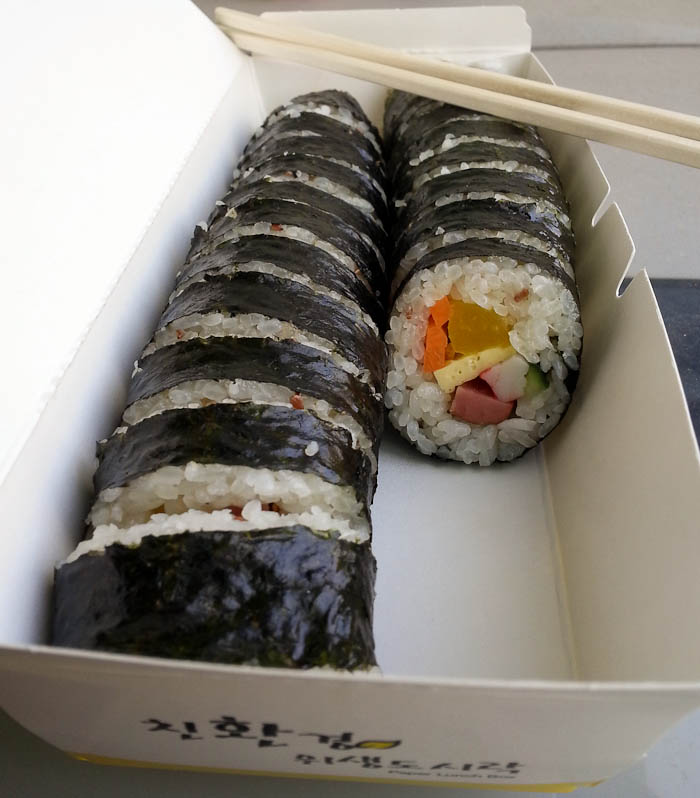
Convenience stores sometimes sell pre-packaged kimbap with preservatives. These can last 1-2 days, but the taste is not as good as fresh.
What You Can Learn
If you see kimbap left out all day in a store, it’s best to avoid it. Always check for freshness and expiration dates.
How To Tell If Kimbap Has Gone Bad
Eating spoiled kimbap is risky. Here’s how to check:
- Smell: A sour or unpleasant smell means it’s spoiled.
- Texture: Sticky, slimy, or mushy rice is a bad sign.
- Color: Discolored fillings, especially eggs or vegetables, are unsafe.
- Taste: If unsure, taste a tiny bit. If flavor is off, spit it out and discard.
- Mold: Any sign of mold means you must throw it away.
Example
If you find kimbap in your fridge after 2 days, check for smell and texture before eating. When in doubt, do not eat it.
Advanced Tips For Storing And Serving Kimbap
Ready to go beyond the basics? These tips will help you store kimbap like a pro.
1. Rice Preparation
- Use short-grain rice for stickiness. Let rice cool before making kimbap to reduce moisture.
- Add a few drops of sesame oil when storing to keep rice soft.
2. Seaweed Handling
- Use roasted seaweed just before rolling. If seaweed sits too long, it absorbs moisture and becomes chewy.
- For crispness, wrap kimbap in parchment, not plastic, for short-term storage.
3. Serving After Storage
- Pan-frying leftover kimbap in egg (like “jeon”) makes even day-old rolls delicious.
- Serve with pickles or kimchi to refresh flavors.
4. Batch Preparation
If making a large batch, store extra rice and fillings separately and assemble fresh rolls as needed. This keeps each roll at peak quality.
5. Reheating Without Microwave
If you don’t have a microwave, steam kimbap slices for 1-2 minutes. Cover to avoid direct water contact.
Summary Table: Kimbap Storage Methods
Here’s a quick reference comparing all main storage options:
| Method | Best For | Time Limit | Texture/Flavor | Extra Tips |
|---|---|---|---|---|
| Room Temperature | Picnic, short-term | Up to 4 hours | Soft rice, crisp seaweed | Wrap in parchment, avoid sun |
| Refrigerator | Next day lunch | 24 hours max | Rice hardens, seaweed chewy | Wrap tightly, reheat before eating |
| Freezer | Long-term backup | 1 month | Texture changes, best pan-fried | Slice and wrap before freezing |
Credit: apocketfulofkimchi.com
Frequently Asked Questions
How Long Can You Leave Kimbap Out Before It Spoils?
Kimbap should not be left at room temperature for more than 4 hours. After this, bacteria can grow quickly in the rice and fillings, making it unsafe to eat. Always keep kimbap in a cool place and eat as soon as possible.
Can You Freeze Homemade Kimbap?
Yes, you can freeze kimbap, but not all fillings freeze well. Simple fillings like ham, crab stick, and pickled radish are best. Slice and wrap each piece before freezing. Thaw in the fridge, then microwave or pan-fry before eating.
How Do You Keep Kimbap From Getting Soggy?
To prevent soggy kimbap, let rolls cool to room temperature before wrapping. Use parchment paper for short-term storage, and plastic wrap for the fridge. Avoid watery fillings like cucumber if you plan to store kimbap.
Is It Safe To Eat Kimbap The Next Day?
It is safe to eat kimbap the next day if you store it in the refrigerator and reheat it before eating. Check for off smells or textures before eating. Do not eat if the kimbap seems spoiled.
What Is The Best Way To Revive Refrigerated Kimbap?
The best way is to microwave slices covered with a damp paper towel for 20-30 seconds, or pan-fry in a beaten egg (kimbap jeon). This restores softness and adds new flavor.
For more on Korean food safety, see the Kimbap Wikipedia page.
Kimbap is best fresh, but with the right storage methods, you can enjoy it for picnics, lunchboxes, and even as a make-ahead snack. Remember, freshness and safety go hand in hand. With these tips, you’ll never have to eat hard, soggy, or spoiled kimbap again.
Happy rolling!