
Black flat top stoves look modern and stylish, but keeping them spotless can sometimes feel impossible. Those shiny surfaces show every smudge, fingerprint, and speck of dust. If you have one in your kitchen, you probably know the frustration of seeing streaks or burnt spots that just won’t go away. But with the right cleaning steps, you can keep your black flat top stove looking as beautiful as the day it was installed. The key is knowing what works, what doesn’t, and how to avoid common mistakes that can damage the surface.
Many people use the wrong products or tools, which can lead to scratches or permanent marks. Some cleaners leave behind a cloudy residue, while others struggle to remove tough, cooked-on stains. In this guide, you’ll learn exactly how to clean a black flat top stove, from daily wipes to deep cleaning burnt messes.
You’ll discover which tools are safe, what products actually work, and some little-known tips that even experienced cooks miss.
Understanding Black Flat Top Stoves
Black flat top stoves, often called glass-ceramic cooktops, use a smooth, glossy surface. The black color hides heat marks but can highlight dust, water spots, and food spills. These stoves are usually electric or induction. While they look similar, the cleaning method is mostly the same for both types.
The surface is made of a strong glass-ceramic material. It’s tough but not scratch-proof. Metal pots and abrasive sponges can scratch or dull the finish. Harsh cleaners can also cause damage over time, making it important to use gentle products and soft tools.
One thing many people don’t realize: heating elements under the glass can cause food or sugar spills to “bake on” quickly. Once hardened, these stains are much harder to remove. That’s why cleaning up spills fast is essential.
Why Special Care Is Needed
Black flat top stoves are not like old-fashioned coil burners or gas ranges. They need special care because:
- Abrasive cleaners can scratch the glass.
- Sugary spills can leave permanent marks if left too long.
- Some chemicals cause discoloration or dullness.
- Stubborn stains become harder to remove over time.
If you use the wrong tool or cleaner even once, you might see a permanent mark. On the other hand, with the right approach, your stove can stay shiny and new for years.
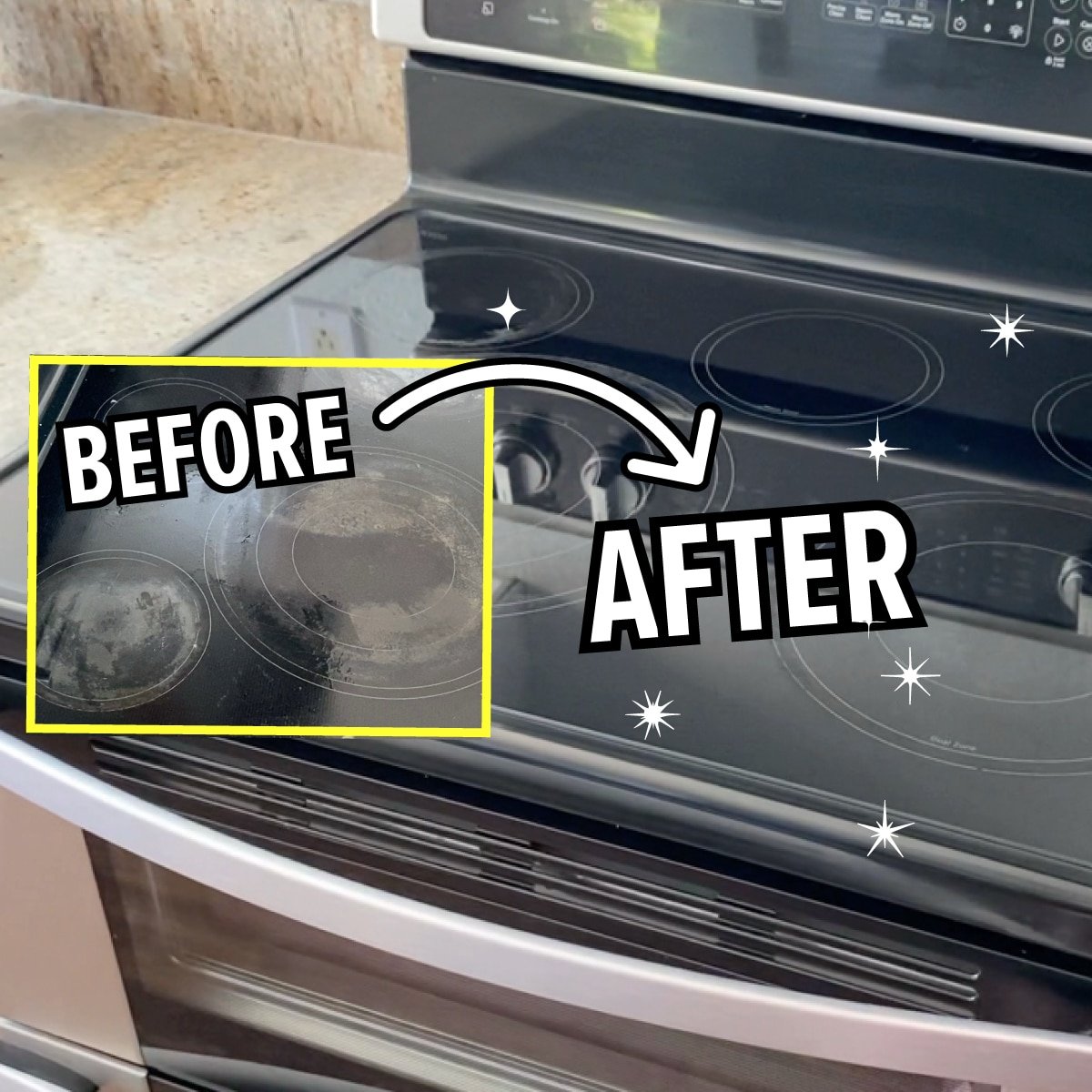
Credit: sipbitego.com
What You’ll Need Before You Start
Before cleaning, gather everything you need. Using the right tools makes a big difference.
Essential Tools:
- Soft microfiber cloths or paper towels
- Non-scratch sponge or soft cleaning pad
- Razor scraper (for stubborn, stuck-on messes)
- Spray bottle with water
- Cooktop scraper (plastic or special glass-ceramic scraper)
Recommended Cleaners:
- Specialized glass cooktop cleaner (like Cerama Bryte or Weiman)
- White vinegar
- Baking soda
- Dish soap (gentle, not antibacterial)
Avoid These:
- Steel wool or abrasive pads
- Powdered scouring cleansers
- Ammonia or bleach
- Rough brushes
Many beginners miss the importance of using a specialized cooktop cleaner. Regular kitchen sprays can leave streaks or damage the shine.
Daily Cleaning Routine
A simple daily routine keeps your stove looking its best and prevents build-up.
- Wait for the stove to cool. Never clean a hot surface; you could burn yourself or damage the stove.
- Wipe away loose crumbs with a dry microfiber cloth or paper towel.
- Spray with water or vinegar. For light messes, plain water or a 50/50 mix of water and white vinegar works well. Vinegar helps cut grease and leaves a streak-free shine.
- Wipe gently. Use a clean, soft cloth to remove all residue.
- Buff dry. Use a dry part of the cloth to buff the surface. This prevents water spots and streaks.
Pro tip: Vinegar is great for everyday cleaning but should not be left on the surface for long, as it can dull the finish with repeated use.

Credit: www.youtube.com
How To Clean Light Spills And Smudges
For small spills or fingerprints, you don’t need heavy-duty cleaning.
- Dampen a cloth with water or a bit of glass cooktop cleaner.
- Wipe the area using gentle circles.
- Rinse and dry. Remove any cleaner residue with a damp cloth, then buff with a dry one.
If you spot a greasy film (from frying or boiling), add a drop of mild dish soap to your damp cloth, then rinse and dry.
Non-obvious insight: Sometimes, microfiber cloths themselves can leave lint. If you see small fibers, try using a slightly damp paper towel for the final wipe.
Removing Burnt-on Stains
Burnt-on stains are common, especially if something boils over. Here’s a safe way to remove them:
- Make sure the stove is cool.
- Apply a small amount of cooktop cleaner directly to the stain.
- Let it sit for 5-10 minutes. This softens the mess.
- Use a non-scratch pad to gently rub in circles. Don’t press too hard—let the cleaner do the work.
- If the stain remains, use a razor scraper. Hold it at a 45-degree angle and carefully scrape away the residue. Always move in one direction to avoid scratching.
- Wipe clean with a damp cloth, then buff dry.
Important: Only use a razor scraper designed for glass cooktops. Never use kitchen knives or metal tools, as they can leave deep scratches.
Example: A sugary spill (like jam or syrup) can bond to the glass when hot. If not removed quickly, it might leave a white or brown mark that’s almost impossible to erase. Always clean up these spills as soon as the stove cools.
Deep Cleaning Your Black Flat Top Stove
Sometimes, a regular wipe-down isn’t enough. Every week or two, give your stove a deeper clean.
Step 1: Remove Loose Debris
Wipe away crumbs or loose food with a dry cloth. This prevents scratching when you start scrubbing.
Step 2: Apply Cleaning Paste
Mix two tablespoons of baking soda with enough water to form a thick paste. Spread it over the stained areas.
Step 3: Cover With A Damp Towel
Lay a clean, damp towel over the baking soda paste. Leave for 10–15 minutes. The moisture helps soften tough stains.
Step 4: Wipe And Polish
Use the towel to gently rub the surface in circles. Rinse the towel as needed. For extra shine, follow with a few drops of glass cooktop cleaner, then buff with a dry microfiber cloth.
Step 5: Remove Stubborn Spots
If you still see marks, use your cooktop scraper as before. Be patient—sometimes it takes several gentle passes.
Data: According to appliance manufacturers, regular deep cleaning can extend the life of your cooktop by up to 30%.
Safe Cleaning Products: What Works And What To Avoid
Not all cleaners are safe for black flat top stoves. Here’s a quick comparison:
| Product Type | Safe for Use | Common Problems |
|---|---|---|
| Glass Cooktop Cleaner | Yes | None if used as directed |
| Baking Soda | Yes | Can scratch if used dry or with too much pressure |
| Vinegar | Yes (diluted) | Can dull shine if used daily |
| Ammonia/Bleach | No | May discolor or weaken glass |
| Steel Wool/Scouring Pads | No | Causes scratches |
Non-obvious insight: Even “eco” or “natural” cleaners can sometimes include gritty minerals. Always check that the product is marked as safe for glass-ceramic cooktops.
How To Clean The Edges And Control Knobs
The edges and control panel often collect grease and crumbs. These areas need a gentle touch.
- Dampen a soft cloth with water and a drop of dish soap.
- Wipe the area around the cooktop edges and knobs.
- For stubborn grease, use a bit of vinegar on a cloth—but keep it away from digital controls.
- Dry with a clean towel.
If your stove has removable knobs, take them off and wash in warm, soapy water. Rinse and dry before replacing.
Warning: Never spray cleaner directly on the controls or edges. Liquid can seep into electrical parts and cause damage.
Polishing For A Streak-free Shine
Want your stove to look like new? Polishing is the secret.
- After cleaning, apply a small amount of glass cooktop polish or a dedicated “shining” product.
- Use a soft, dry microfiber cloth to buff the surface in tight circles.
- Focus on any dull spots or streaks until the whole surface shines.
Some people use a few drops of baby oil for extra gloss, but this can leave a slippery feel. Use sparingly and always wipe excess away.
Example: After deep cleaning, a quick polish with a dedicated product can make your cooktop look showroom new. It also adds a protective layer that helps prevent future stains.
Preventing Scratches And Stains
Prevention is better than cure. Here’s how to keep your black flat top stove looking great:
- Lift pots and pans—never slide them. Sliding can cause micro-scratches.
- Check pot bottoms for dirt or rough spots before cooking.
- Clean spills quickly (especially sugary or acidic foods).
- Use the right cookware. Heavy cast iron or glass can scratch the surface if not handled gently.
- Never use the cooktop as a cutting board or place utensils directly on it.
Data: Most visible scratches happen when people slide heavy pots or use gritty cloths. Being mindful can keep your stove scratch-free for years.
Special Problems: Hard Water Spots And White Streaks
If you live in an area with hard water, you may see white spots or streaks on your cooktop. These are mineral deposits left behind when water evaporates.
How to remove:
- Mix equal parts white vinegar and water.
- Wipe the surface with the solution and a soft cloth.
- Buff dry immediately.
For stubborn spots, place a vinegar-soaked towel on the area for 10 minutes, then wipe and dry.
Pro tip: Always dry your cooktop after cleaning. Air drying can leave streaks or water marks, especially with hard water.
Quick Reference: Cleaning Methods For Common Messes
Here’s a handy comparison for different types of spills:
| Mess Type | Best Cleaner | Tool | Time Needed |
|---|---|---|---|
| Grease splatter | Vinegar/water mix | Microfiber cloth | 1-2 minutes |
| Burnt-on food | Cooktop cleaner paste | Non-scratch pad + razor scraper | 5-15 minutes |
| Sugar spill | Cooktop cleaner | Razor scraper | 10-20 minutes |
| Fingerprints | Water/mild soap | Soft cloth | 1 minute |
| Hard water spots | Vinegar solution | Soft cloth | 5-10 minutes |
What To Do If Your Cooktop Is Already Scratched
If your stove already has scratches, you can minimize their appearance, but most cannot be completely removed.
- Clean the area well.
- Use a glass cooktop polish. Buff in small circles with a microfiber cloth.
- For deep scratches, there are repair kits, but results vary.
Non-obvious tip: Never try to sand or buff out scratches with abrasive products. This almost always makes them worse.
Common Cleaning Mistakes To Avoid
Many people damage their stoves by accident. Avoid these pitfalls:
- Using rough sponges or steel wool. These cause scratches that can’t be fixed.
- Applying too much cleaner. Excess product can leave streaks or a sticky film.
- Letting spills sit too long. Especially sugar, which bonds to the glass when hot.
- Cleaning while hot. Not only is it unsafe, but some cleaners can bake onto the surface.
- Ignoring the edges and controls. Grease and crumbs can build up over time.
Eco-friendly Cleaning For Black Flat Top Stoves
If you prefer natural cleaners, you can safely use baking soda and vinegar. Just remember:
- Always mix baking soda with water to form a paste.
- Rinse all vinegar and baking soda thoroughly to avoid dulling the shine.
- Avoid essential oils or scented additives, as they can leave a sticky residue.
Example: For a simple eco-clean, sprinkle baking soda on a cooled surface, spray with vinegar, let it fizz, then wipe clean and dry.
How Often Should You Clean Your Stove?
Consistency is key. Here’s a suggested schedule:
- After each use: Quick wipe with water or vinegar.
- Once a week: Deep clean with cooktop cleaner or baking soda paste.
- Monthly: Polish for shine and inspect for scratches or marks.
Data: Regular cleaning after each use can reduce the need for heavy scrubbing by 80%.
When To Call A Professional
Most stains and marks can be handled at home. But call a professional if:
- You see deep cracks or chips in the glass.
- Controls or electronic panels stop working.
- Burn marks won’t come off after several attempts.
A professional can sometimes buff out deep marks or replace damaged parts.
Useful Accessories For Easier Cleaning
Some accessories make cleaning even easier:
- Cooktop cleaning kits (include scraper, cleaner, and pads)
- Microfiber towels (lint-free, reusable)
- Protective cooktop mats (fit over burners, catch spills)
- Spray bottles (for vinegar or water solutions)
Pro tip: Use a different cloth for the final polish than for the initial wipe. This avoids spreading grease back onto the stove.
Real-world Example: A Week In The Life Of A Busy Kitchen
Imagine a family cooking three meals a day. Breakfast leaves a few crumbs and coffee spills. Lunch is a quick stir-fry, with oil splatters. Dinner sees a sauce boil over, leaving a sticky ring. By the end of the week, the black glass shows streaks, fingerprints, and a couple of stubborn spots.
With the right routine:
- Daily: Quick wipes after each meal keep the surface mostly clean.
- Weekly: A deep clean removes sticky residue and restores shine.
- Monthly: A careful polish hides small scratches and keeps the stove looking new.
This routine takes less than 10 minutes a day and prevents long-term damage.
Comparing Black Flat Top Stoves Vs. Other Cooktops For Cleaning
Here’s how black flat top stoves stack up against other types:
| Cooktop Type | Ease of Cleaning | Common Issues |
|---|---|---|
| Black flat top | Easy (if regular) | Shows streaks, scratches easily |
| Stainless steel | Moderate | Shows fingerprints, water spots |
| Gas (grates) | Difficult | Grease build-up, tricky corners |
| Coil electric | Moderate | Spills can burn under coils |
Insight: While black flat tops need careful cleaning, they are much faster to wipe down than gas ranges with grates or knobs.
Maintenance Tips For Long-lasting Shine
Keep your black flat top stove beautiful with these habits:
- Clean as you go. Don’t let spills sit.
- Check cookware. Use smooth-bottomed pots and pans.
- Polish monthly to protect the surface.
- Keep cleaning supplies nearby. Make it easy to wipe up messes right away.
Fact: A well-maintained flat top stove can last 10–15 years without losing its shine.
When To Replace Your Black Flat Top Stove
No matter how well you clean, all stoves eventually wear out. Consider replacement if:
- Deep cracks or chips appear.
- The surface becomes cloudy or pitted and cannot be polished out.
- Heating elements fail or cook unevenly.
For more about cooktop safety and replacement, visit the Consumer Reports guide.
Frequently Asked Questions
How Do I Clean Burnt Sugar Off A Black Flat Top Stove?
Burnt sugar is tough. Wait until the stove cools. Apply a small amount of glass cooktop cleaner and let it sit for 10 minutes. Gently scrape with a razor scraper at a 45-degree angle. Wipe and repeat if needed.
Can I Use Magic Eraser On My Black Flat Top Stove?
Magic erasers are not recommended. They are slightly abrasive and can dull the shiny surface or cause fine scratches. Stick to microfiber cloths and non-scratch pads.
What Is The Best Cleaner For A Black Glass Stove Top?
A dedicated glass cooktop cleaner works best. Brands like Cerama Bryte or Weiman are made for this purpose. Baking soda and vinegar also work for natural cleaning, but always rinse well.
Why Does My Black Stove Top Look Cloudy After Cleaning?
Cloudiness usually comes from using too much cleaner, not rinsing well, or using hard water. Always wipe with a clean, damp cloth and buff dry to avoid streaks.
How Can I Prevent Scratches On My Black Flat Top Stove?
Avoid sliding pots and pans. Check cookware for rough edges. Never use abrasive sponges or powders. Clean with soft cloths and always pick up heavy items instead of dragging them.
Keeping your black flat top stove clean doesn’t have to be a struggle. With the right tools, gentle cleaners, and a smart routine, you can enjoy a spotless, shiny cooktop for years. A little effort each day prevents tough build-up and keeps your kitchen looking its best.
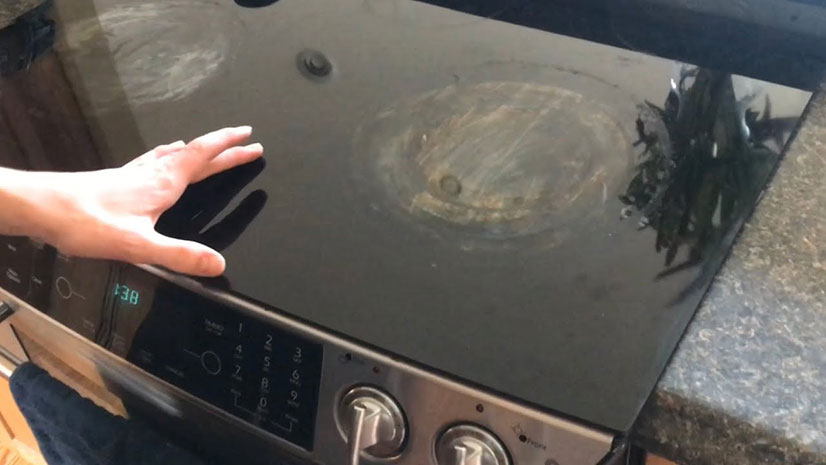
Credit: prohousekeepers.com