
Keeping your Cuisinart coffee grinder clean is not just about looks. It’s key to great-tasting coffee and a grinder that lasts for years. Many coffee lovers forget this simple step, and their morning cup suffers. Old coffee grounds, oils, and dust can build up, changing the taste and even damaging your machine. If you want your grinder to give you the freshest flavor every time, learning the right cleaning method is essential.
In this guide, you’ll discover how to clean your Cuisinart coffee grinder thoroughly and safely. Whether you use a blade or burr model, you’ll get step-by-step instructions, common mistakes to avoid, and expert tips that most guides miss. You’ll also find answers to the most-asked questions, so you can enjoy your coffee with confidence every morning.
Understanding Your Cuisinart Coffee Grinder
Before grabbing a brush or cloth, it’s important to know which Cuisinart grinder you have. Each type has its own cleaning needs. Some parts are dishwasher-safe, while others can be damaged by water or harsh cleaners.
Blade Vs. Burr Grinders
Blade grinders use spinning blades to chop coffee beans. They are simple and quick, but they need regular cleaning because fine coffee dust sticks to the crevices. Burr grinders use two abrasive surfaces (burrs) to crush beans. They make a more even grind but have more parts that can hold onto oils and grounds.
| Feature | Blade Grinder | Burr Grinder |
|---|---|---|
| Grind Uniformity | Less uniform | Very uniform |
| Cleaning Needs | Quick, frequent | Detailed, less often |
| Removable Parts | Few | Many |
| Price Range | Lower | Higher |
Non-obvious insight: Burr grinders trap more oils and fine dust deep inside. If you only wipe the surface, you’re missing hidden buildup that can go stale and ruin flavor.
Why Regular Cleaning Matters
Dirty grinders don’t just look bad. Old coffee oils become rancid, and leftover grounds can attract moisture, leading to mold growth. Even a small amount of stale coffee can overpower fresh beans and cause bitter flavors. Regular cleaning also keeps your grinder running smoothly, preventing motor strain and wear.
Quick fact: According to the Specialty Coffee Association, even small amounts of leftover coffee in grinders can change the taste profile of fresh coffee by up to 20%.
What You Need To Clean A Cuisinart Coffee Grinder
Gather the right tools before you start. Using the wrong items can scratch or damage your grinder.
- Soft brush (like a pastry brush or a toothbrush)
- Microfiber cloth
- Mild dish soap
- Small bowl of warm water
- Dry, clean towel
- Uncooked white rice (for blade grinders)
- Vacuum with brush attachment (optional but useful for deep cleaning)
- Cotton swabs for small spaces
- Compressed air (optional for burr models)
Pro tip: Never use steel wool or rough scrubbers. These can scratch the plastic and metal parts of your grinder.
Step-by-step: How To Clean A Cuisinart Blade Coffee Grinder
Blade grinders are simple, but cleaning them properly makes a big difference. Follow these steps for safe and effective cleaning.
1. Unplug And Empty
Always unplug your grinder before cleaning. Remove any remaining beans or grounds. Turn the grinder upside down over the trash and tap gently.
2. Rice Cleaning Method
Add about 1/4 cup of uncooked white rice to the empty grinder. Run the grinder for 30 seconds. The rice will absorb oils and dislodge stuck grounds. Discard the rice and wipe out any powder left behind.
Why rice? Rice is soft enough not to damage blades but abrasive enough to pull out oily buildup. This trick is very effective for blade grinders.
3. Brush And Wipe
Use a soft brush to loosen any stuck grounds inside the chamber and around the blades. Wipe with a damp (not wet) microfiber cloth. Pay attention to corners.
4. Clean The Lid
Wash the lid with warm soapy water, rinse well, and dry completely. The lid often collects fine dust.
5. Dry And Reassemble
Let all parts air dry fully before putting them back. Moisture inside your grinder can lead to clumping and even rust.
Insight for beginners: Don’t forget the area under the blade. Tilt the grinder and use a cotton swab to reach it.
Step-by-step: How To Clean A Cuisinart Burr Coffee Grinder
Burr grinders are popular because they give a consistent grind, but they require more detailed cleaning. Here’s the process:
1. Unplug And Disassemble
Unplug your grinder. Remove the bean hopper, grind chamber, and any removable burr pieces. Check your user manual for parts that come off safely. Do not force anything.
2. Clean The Hopper And Chamber
Wash the hopper and grind container with mild soap and water. Dry them completely before reattaching.
3. Brush The Burrs
Use a soft brush to gently clean both burrs. Pay attention to grooves and corners, where coffee dust hides. If your model allows, remove the burr for easier cleaning. Never use water on the burrs—moisture can cause rust or clogging.
4. Vacuum Or Blow Out Dust
Use a small vacuum or compressed air to remove fine dust from inside the grinder body and around the burrs. Do this over a trash can to avoid mess.
5. Wipe The Exterior
Wipe the outside of your grinder with a damp cloth. Avoid getting water near the motor or controls.
6. Reassemble Carefully
Make sure all parts are dry before putting the grinder back together. Run a small amount of beans through the grinder and discard to remove any stray dust before your next real use.
Non-obvious tip: If you notice static electricity causing grounds to stick, wipe plastic parts with a dryer sheet (away from the burrs).
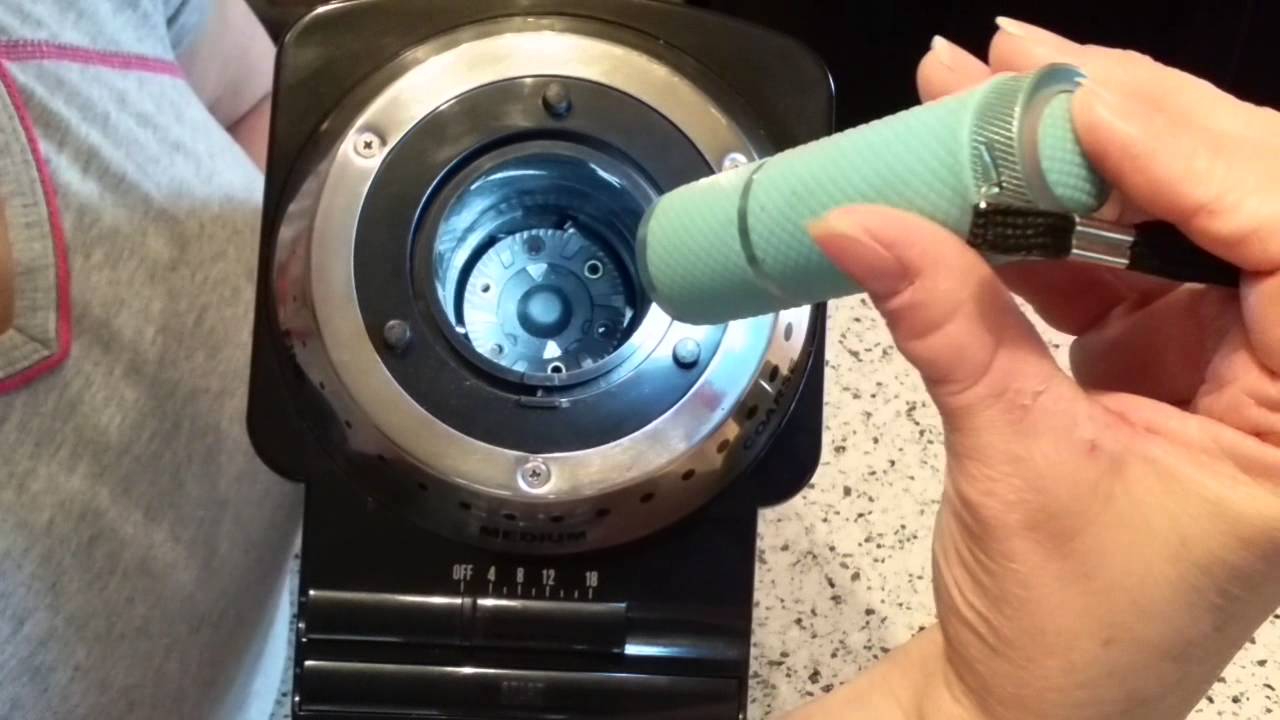
Credit: www.youtube.com
Deep Cleaning And Maintenance Tips
Even with regular cleaning, a deeper clean every few months will keep your grinder at its best.
How Often Should You Deep Clean?
- If you use your grinder daily: Deep clean every 2 weeks.
- For occasional use: Once a month is enough.
Deep Cleaning Steps
- Disassemble completely. Take out all removable parts.
- Soak plastic parts in warm, soapy water for 10 minutes.
- Scrub burrs/blades with a brush, not water.
- Vacuum inside the grinder body.
- Check for oil buildup around burrs and use a dry cloth to wipe.
- Inspect for wear—look for dull burrs or chipped blades.
Replace Parts When Needed
Burrs wear out after 500–1000 pounds of beans. If you notice your grinder is louder, slower, or making uneven grounds, it’s time to replace the burrs or blades.
| Part | Signs of Wear | Replacement Frequency |
|---|---|---|
| Blades | Dull, noisy, uneven grind | Every 2-3 years |
| Burrs | Slower grind, clumping, flavor loss | Every 3-5 years |
| Gaskets | Leaks, loose hopper | As needed |
Beginner mistake: Many people think “it’s not broken, so it’s fine.” But worn burrs seriously affect taste and can even strain the motor.
Special Situations: Cleaning After Spices, Oily Beans, Or Mold
Sometimes you might use your grinder for spices or grind extra oily beans like dark roasts. These situations need extra care.
Cleaning After Grinding Spices
Spices leave strong smells and oils. After grinding spices, run rice through the grinder, then brush and wipe thoroughly. Leave the lid off for a few hours to air out.
Dealing With Oily Beans
Oily beans (often shiny and dark) can gum up burrs and blades. Clean your grinder more often if you prefer these beans. Never let oily grounds sit overnight.
Mold Or Moisture Problems
If you see mold or smell mildew, unplug and disassemble the grinder. Wash all removable parts with hot, soapy water. For stubborn odors, wipe with a vinegar-water solution, then rinse and dry completely. Replace any part that still smells or shows mold.
Important: Never grind wet beans or let water sit in your grinder.

Credit: www.ifixit.com
Cleaning Frequency: What’s Right For You?
How often you clean your Cuisinart coffee grinder depends on how you use it.
- Daily users: Quick clean after every use, deep clean every 2 weeks.
- Occasional users: Clean after every use, deep clean monthly.
- Multi-use grinders (coffee and spices): Clean thoroughly between uses to avoid flavor mix-up.
Pro tip: Set a reminder in your phone or calendar. It’s easy to forget until you taste stale coffee.
Common Cleaning Mistakes To Avoid
Many people clean their grinder the wrong way without realizing it. Here’s what to watch out for:
- Using too much water. Water can damage burrs, blades, and motors.
- Skipping the brush. Wiping alone leaves hidden dust.
- Not drying parts fully. Moisture causes clumping and rust.
- Ignoring the lid and chute. Oils build up here and affect flavor.
- Forcing parts apart. Always check the manual—don’t break your grinder.
- Using harsh chemicals. Stick to mild soap and avoid bleach or alcohol.
- Grinding flavored beans. These can leave sticky residue and strong odors—clean right after.
Extra insight: Many people forget to clean the area under the grinder, where grounds can fall. Wipe your countertop and the grinder base regularly.
Troubleshooting: When Cleaning Doesn’t Fix The Problem
If your grinder still isn’t working well after cleaning, try these steps:
Grinder Won’t Start
- Check the power cord and outlet.
- Make sure all parts are dry and correctly reassembled—some models have safety switches.
- Inspect for jammed beans or grounds.
Uneven Grind Or Strange Noises
- Burrs or blades may be dull or blocked.
- Deep clean and inspect for damage.
- Consider replacing worn parts.
Persistent Odors
- Repeat the rice cleaning.
- Wipe with a vinegar solution (then rinse and dry).
- Leave the grinder open to air out overnight.
If problems continue, contact Cuisinart support or visit their official site for help.
Expert Tips For Long-term Care
Keeping your grinder in top shape isn’t hard if you follow these tips:
- Store in a dry place. Humidity can cause grounds to clump and mold.
- Keep the grinder covered to avoid dust and kitchen grease settling.
- Use only dry, fresh beans. Wet or flavored beans will quickly dirty your grinder.
- Don’t overfill. Grinding too many beans at once puts stress on the motor and can cause jams.
- Label your grinder if you use it for both coffee and spices—this avoids mixing flavors.
Non-obvious tip: Static can be reduced by wiping the bean hopper with a barely damp cloth before grinding. This prevents grounds from sticking everywhere.

Credit: www.usatoday.com
Comparing Cuisinart Grinders: Which Models Are Easiest To Clean?
Some Cuisinart models are simpler to clean than others. Here’s a comparison of popular models:
| Model | Type | Removable Parts | Cleaning Difficulty |
|---|---|---|---|
| DBM-8 Supreme Grind | Burr | Hopper, chamber, upper burr | Moderate |
| DCG-20N | Blade | Lid only | Easy |
| CBM-18N | Burr | Hopper, chamber, upper burr | Moderate |
| CBM-20 | Burr | Hopper, chamber, upper burr | Moderate |
| SG-10 | Blade | Lid only | Easy |
Blade grinders are generally the easiest to clean but need cleaning more often. Burr grinders take more time but reward you with better coffee flavor.
Safe Cleaning Products And What To Avoid
You don’t need fancy chemicals to clean your grinder. In fact, some products can harm your machine.
Safe To Use
- Mild dish soap
- White vinegar (for odors, not for burrs)
- Uncooked white rice
- Microfiber cloths and soft brushes
Avoid These
- Bleach or strong disinfectants
- Steel wool or abrasive pads
- Soaking the motor or electrical parts
- Flavored rice or anything with added oils
Pro insight: Some people use specialty grinder cleaning tablets. These are safe, but not necessary if you clean regularly. If you use them, follow the package instructions carefully.
The Role Of Manuals And Customer Support
Always check your Cuisinart grinder manual for model-specific advice. The manual tells you which parts are removable and which should not get wet. If you lose your manual, most are available on the Cuisinart official website.
For repairs or replacement parts, contact Cuisinart customer support. They can help you find the right burrs, blades, or containers for your model.
If you want more technical details about grinder design and cleaning, you can read resources from the Specialty Coffee Association.
Frequently Asked Questions
How Often Should I Clean My Cuisinart Coffee Grinder?
You should do a quick clean after every use and a deep clean every 2 weeks if you grind daily. For less frequent use, deep clean once a month.
Can I Put Cuisinart Grinder Parts In The Dishwasher?
Most lids, hoppers, and grind containers are dishwasher safe. Never put burrs, blades, or any part with electrical connections in the dishwasher. Always check your manual first.
Is It Safe To Use Rice To Clean My Grinder?
Yes, using uncooked white rice is safe for blade grinders. For burr grinders, use only if the manufacturer says it’s okay—otherwise, rice can get stuck or damage the burrs.
What If My Grinder Smells Like Old Coffee Or Spices?
After cleaning, run rice through the grinder and wipe with a vinegar-water solution. Leave the lid off to air out overnight. Persistent odors may need more cleaning or part replacement.
Why Does My Grinder Make Strange Noises After Cleaning?
It could mean a part isn’t dry or assembled correctly, or the burrs/blades are worn or misaligned. Recheck the assembly and make sure everything is dry. If noise continues, inspect for damage or contact support.
Taking care of your Cuisinart coffee grinder is simple with the right steps. Regular cleaning brings out the best in your beans and keeps your grinder running smoothly for years. Whether you’re a daily brewer or a weekend coffee lover, a clean grinder is the secret to a great cup every time.