
Crisp, golden bread is more than a simple side—it can transform any meal. Whether you want to restore yesterday’s baguette or add crunch to a sandwich, learning how to crisp bread in the oven opens up many possibilities. The process is simple, but technique makes the difference between a chewy disappointment and a bakery-quality result.
In this guide, you’ll discover everything you need to know about crisping bread in the oven, including methods, tips, common mistakes, and even how to revive leftover loaves. Along the way, you’ll pick up insights that most beginners miss, helping you build confidence for perfect results every time.
Why Crisp Bread In The Oven?
Many people wonder why they should crisp bread in the oven when a toaster or microwave seems faster. The answer lies in texture and flavor. The oven produces a dry, even heat that removes surface moisture and creates a crunchy crust, while keeping the inside soft. This method is ideal for baguettes, ciabatta, sourdough, and even regular sandwich bread. When done right, oven-crisped bread brings out deep nutty flavors and a satisfying bite that microwaves and toasters simply can’t match.
The Science Behind Crisping Bread
Understanding the science helps you avoid soggy or burnt outcomes. Bread goes stale as moisture from the inside migrates to the crust, making it soft and chewy. The oven reverses this by:
- Evaporating surface moisture: Heat drives water out of the crust, making it crisp.
- Gelatinizing starches: As bread heats, starches in the crust form a delicate, crunchy network.
- Caramelization: Heat intensifies the Maillard reaction, creating toasty flavors and a golden color.
A key insight: If bread is too dry, it needs a touch of moisture before baking. If it’s too soft, dry heat alone can restore crispness.
What Types Of Bread Can Be Oven-crisped?
You can crisp almost any bread in the oven, but some work better than others. Here’s a quick overview:
| Bread Type | Best Method | Notes |
|---|---|---|
| Baguette | Direct heat or misting | Thin crust, crisps fast |
| Sourdough | High temp, steam first | Thick, chewy crust |
| Ciabatta | Misting, moderate heat | Open crumb, airy inside |
| White sandwich | Low heat, short time | Thin crust, can dry out |
| Rolls/Buns | Direct heat, rotate | Small size, crisp quickly |
Pro tip: Sweet breads (like brioche) can burn easily. Use lower heat and less time for these.
Essential Tools And Ingredients
You don’t need fancy equipment, but a few basics make the process easier:
- Oven (conventional or convection)
- Baking sheet or rack: For even heat
- Parchment paper (optional): Prevents sticking
- Spray bottle (for misting water)
- Sharp bread knife: For slicing before or after crisping
- Aluminum foil: To prevent over-browning
For a basic crisping process, all you need is the bread and your oven. For better results, a spray bottle and oven thermometer are helpful.
Step-by-step Guide: How To Crisp Bread In The Oven
1. Assess The Bread
Before anything, check the bread’s condition. Is it stale but not rock-hard? Soft but chewy? This helps you choose the right method.
- Day-old bread: Needs more heat to restore crispness.
- Very stale bread: Needs moisture plus heat.
2. Preheat The Oven
Set your oven between 350°F (175°C) and 400°F (200°C). The exact temperature depends on the bread type:
- Thin crusts: 350°F (175°C)
- Thick crusts: 400°F (200°C)
Always let the oven fully preheat. Even heat is key to proper crisping.
3. Prepare The Bread
If you want to crisp the whole loaf, leave it whole. For toast or bruschetta, slice before baking.
Slicing tips:
- Use a serrated knife for clean cuts.
- Thinner slices crisp faster and more evenly.
4. Add Moisture (if Needed)
If the bread is very stale, lightly mist or sprinkle with water. Do not soak—it should feel just barely damp. This step restores the inside’s softness while allowing the crust to crisp.
Beginner mistake: Using too much water causes sogginess.
5. Arrange On Baking Sheet Or Rack
Place bread directly on a baking rack or on a sheet lined with parchment. If you want crisp on all sides, use a rack. For only the top and bottom, a sheet works fine.
6. Bake And Monitor
Put the bread in the preheated oven. Typical times:
- Slices: 5–10 minutes
- Halves/loaves: 10–15 minutes
- Small rolls: 6–8 minutes
Check after 5 minutes. Every oven is different. If the bread feels crisp to the touch and has a golden look, it’s ready. If not, give it another 2–3 minutes.
7. Rest And Serve
Remove bread and let it sit for 2–3 minutes. The crust will continue to harden as steam escapes. Slice and serve immediately for best texture.
Special Techniques For Different Breads
Crisping Baguettes
Baguettes are known for their delicate, crunchy crust. To revive a baguette:
- Preheat oven to 375°F (190°C).
- Lightly mist the surface with water.
- Bake 6–8 minutes directly on the rack.
- Let cool 2 minutes before slicing.
If the baguette is extremely hard, wrap it loosely in foil after misting, bake for 4 minutes, then unwrap and bake 2 minutes more.
Restoring Sourdough
Sourdough’s thick crust and chewy crumb need careful handling.
- Heat oven to 400°F (200°C).
- If very stale, lightly run the loaf under running water for 2 seconds.
- Place directly on oven rack.
- Bake 12–15 minutes for a whole loaf, 6–8 for slices.
The water helps steam the bread, reviving the inside and crisping the crust.
Making Perfect Crostini Or Bruschetta
Crostini and bruschetta require even, golden crunch.
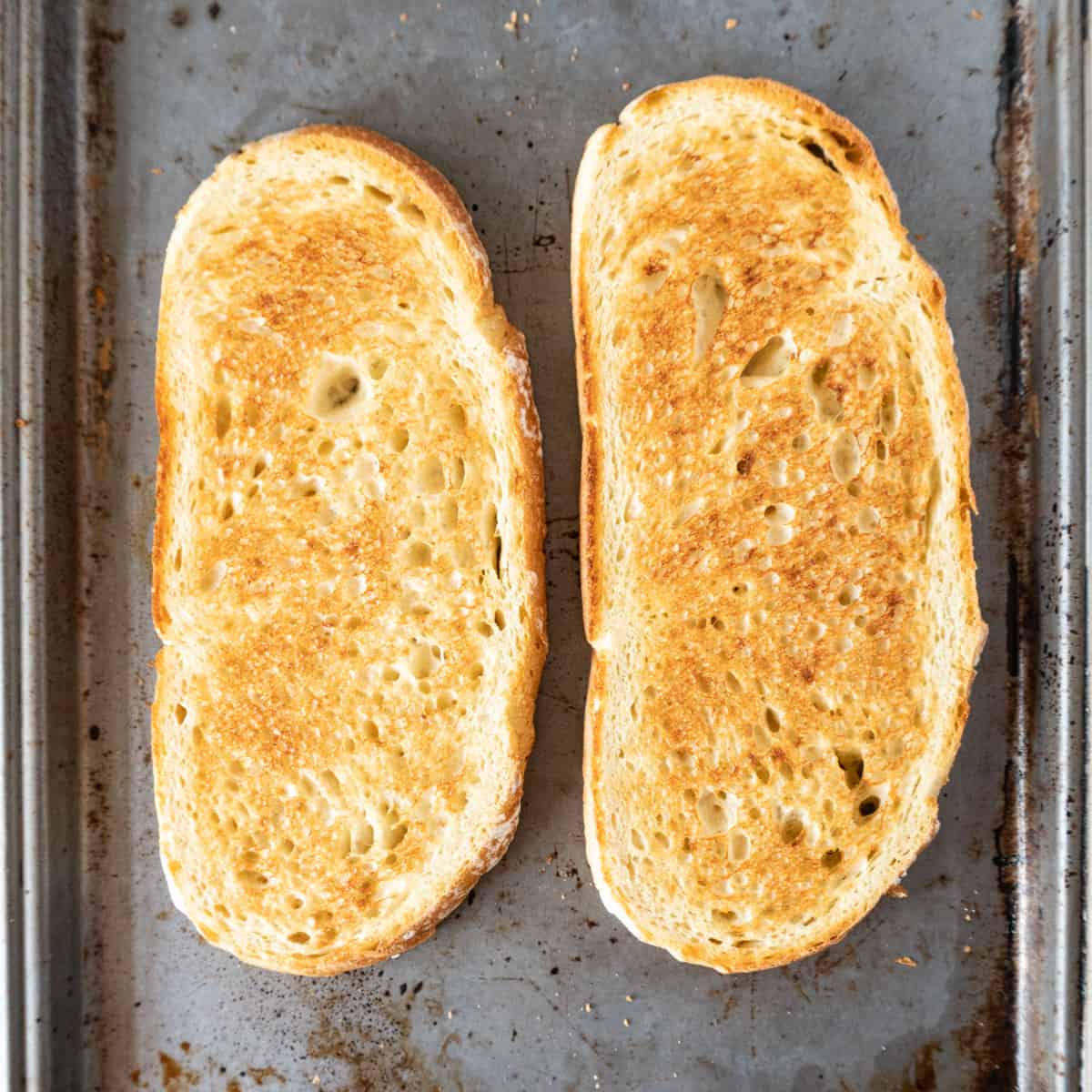
- Slice bread ½-inch thick.
- Brush lightly with olive oil and rub with garlic (optional).
- Bake at 375°F (190°C) for 8–10 minutes, flipping halfway.
For extra flavor, add a sprinkle of salt or herbs before baking.
Crisping White Sandwich Bread
This bread dries out fast, so use lower heat.
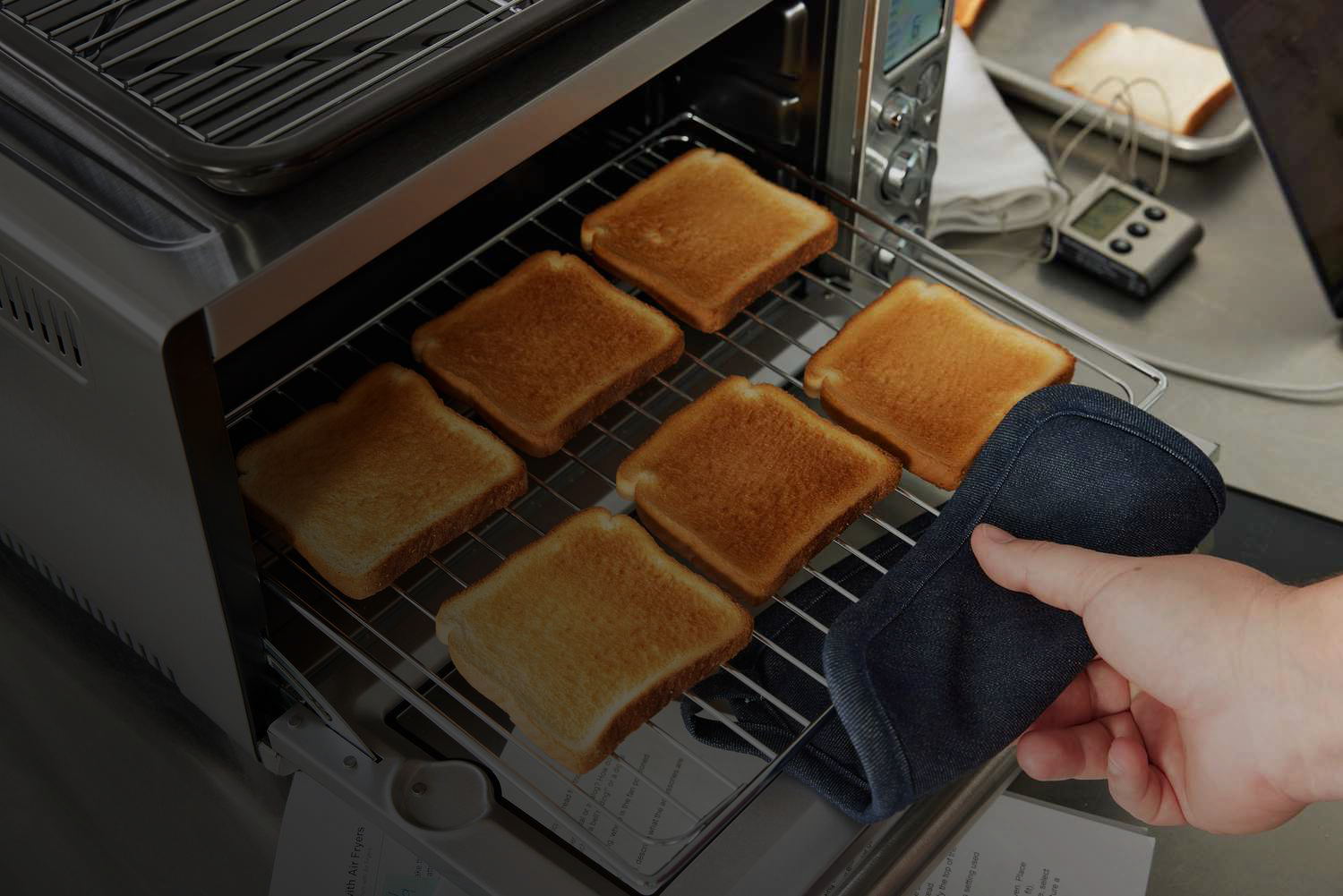
- Preheat oven to 325°F (165°C).
- Lay slices in a single layer.
- Bake 5–7 minutes, watching closely.
If you want toastier results, flip after 3 minutes.
Advanced Tips For Pro Results
Use Convection If Available
A convection oven circulates hot air, creating an even, dry environment. If your oven has this feature, use it at the same temperature but reduce baking time by 2 minutes.
Try A Pizza Stone Or Steel
For extra crunch, preheat a pizza stone or baking steel for 30 minutes. Bake bread directly on it for intense, bottom-up heat.
Add Steam For Artisan Crust
Professional bakers use steam to create a blistered, shiny crust. You can mimic this at home:
- Place a metal pan on the oven floor while preheating.
- Just after adding bread, pour ½ cup hot water into the pan.
- Close the oven quickly to trap steam.
Do not open the oven for the first 5 minutes.
Watch For Over-browning
Every oven has hot spots. If you notice uneven browning, rotate the baking sheet halfway through. For sweet breads, tent with foil if browning too fast.
How To Store And Re-crisp Bread
Freshly crisped bread tastes best right away. If you need to keep it:
- Short-term (up to 4 hours): Cool completely, store uncovered at room temperature.
- Longer (overnight): Wrap in a paper bag. Avoid plastic—it traps moisture and softens the crust.
- Re-crisping: Place in a hot oven for 3–5 minutes to restore crunch.
Important insight: Bread will never be as crisp as when first baked. Each reheating removes more moisture, so use smaller batches and crisp only what you’ll eat soon.
Credit: aeno.com
Common Mistakes To Avoid
Many people make the same errors when crisping bread. Here’s how to avoid them:
- Skipping preheating: This leads to a chewy, uneven crust.
- Over-misting with water: A damp loaf turns soggy, not crisp.
- Baking too long: Bread dries out or burns quickly.
- Not using a rack: Baking directly on a sheet can make the bottom soggy.
- Storing in plastic after baking: This undoes all your hard work by trapping steam.
Non-obvious tip: If bread tastes dull after crisping, try adding a sprinkle of salt or a drizzle of olive oil before baking. It wakes up the flavor.
When To Use Foil
Foil can help if you’re worried about burning or drying out the bread. Cover the loaf loosely for the first half of baking, then remove to finish. This is especially useful for sweet breads and darker crusts.
Comparing Oven Crisping To Other Methods
How does oven crisping stack up against other techniques? Here’s a quick look:
| Method | Texture | Flavor | Best For |
|---|---|---|---|
| Oven | Crisp, even | Deep, toasty | Whole loaves, slices |
| Toaster | Crisp, but thin | Less complex | Slices only |
| Microwave | Chewy, soft | Bland | None |
| Stovetop | Crisp outside, soft inside | Buttery if using oil | Small pieces |
Oven crisping is the top choice for full loaves and for achieving bakery-level crust.
Creative Ways To Use Oven-crisped Bread
Crisped bread is not just for the bread basket. Here are creative uses:
- Bruschetta and crostini: Top with tomatoes, cheese, or spreads.
- Salads: Make crunchy croutons for Caesar or panzanella.
- Soups: Serve thick slices with French onion soup.
- Sandwiches: Use crisped slices for panini or breakfast sandwiches.
- Desserts: Crisp sweet breads for bread pudding or tiramisu.
Adjusting For High Altitude And Humid Climates
If you live in a humid area, bread can soften quickly after baking. Cool it completely, then serve immediately. In high altitudes, lower air pressure means water evaporates faster—so check bread sooner to avoid burning.
Reviving Rock-hard Bread: Emergency Fix
If your bread is almost like a brick, don’t throw it out. Here’s how to revive even the hardest loaf:
- Run the loaf quickly under cold water (yes, really).
- Place in a 350°F (175°C) oven, directly on the rack.
- Bake 10–12 minutes. The water turns to steam, softening the inside while the crust crisps.
This trick works best with artisanal or rustic breads. Avoid for sandwich bread, which can become gummy.
How To Make Breadsticks, Croutons, And Chips
Oven crisping is not just for loaves—you can make delicious snacks too.
Breadsticks
Slice day-old baguette into strips. Bake at 375°F (190°C) for 8–10 minutes. Brush with olive oil and herbs before baking for extra flavor.
Croutons
Cut bread into cubes. Toss with a little oil, salt, and pepper. Bake at 375°F (190°C) for 10–12 minutes, stirring halfway.
Bread Chips
Slice bread very thin (¼ inch). Bake at 350°F (175°C) for 12–15 minutes until golden and crisp. Great with dips or cheese.
How To Crisp Gluten-free Bread
Gluten-free breads can be tricky—they often lack the chewy structure of wheat-based loaves. For best results:
- Use moderate heat (350°F/175°C).
- Crisp in small batches for even drying.
- Watch closely, as they brown faster.
Mist with water only if the bread is very dense. For added crunch, brush lightly with oil before baking.
Credit: www.atablefullofjoy.com
Cleaning Up And Oven Safety
Crisping bread is low-mess, but crumbs can build up and burn. Always check your oven for stray crumbs before baking. Use parchment or a baking mat for easier cleanup.
If using water or steam, avoid pouring directly onto glass oven doors, which can crack from thermal shock.
Real-world Example: Restaurant-quality Results At Home
Restaurants often serve bread that’s warm and crisp, even during busy service. Their secret? Pre-bake loaves in the afternoon, then re-crisp for 3–5 minutes in a hot oven just before serving. You can do the same at home. Crisp bread just before the meal for the best texture and taste.
Resources For Further Learning
Crisping bread is a classic culinary skill, but there’s always more to learn. For more about the science of bread, check out Wikipedia’s bread article.
Frequently Asked Questions
How Do I Crisp Bread In The Oven Without Drying It Out?
Mist the bread lightly with water before baking, and use moderate heat (350–375°F). Check after a few minutes. The water adds back just enough moisture to keep the inside soft while the crust crisps.
Can I Crisp Frozen Bread Directly In The Oven?
Yes, you can crisp frozen bread in the oven. Add 2–3 minutes to the baking time, and mist with water if the crust looks dry. For best results, let it thaw for 10 minutes at room temperature first.
What’s The Best Way To Keep Bread Crisp After Baking?
Serve immediately for best results. If you must store it, cool completely and keep in a paper bag at room temperature. Do not store in plastic, as it traps steam and softens the crust.
Is It Safe To Use The Broiler To Crisp Bread?
Broilers can crisp bread quickly, but they burn easily. Use the broiler only for thin slices, and watch closely. Keep the bread 4–6 inches from the heat, and never walk away while broiling.
Why Is My Bread Not Getting Crispy In The Oven?
Common reasons include oven not hot enough, too much moisture, or overcrowding the baking sheet. Make sure the oven is fully preheated, avoid over-misting, and space pieces for good airflow.
Crisping bread in the oven is both an art and a science. With these methods, tips, and insights, you’ll be able to serve bakery-quality bread at home—whether you’re reviving a leftover loaf or creating the perfect base for a gourmet appetizer.
Enjoy the crunch!

Credit: us.fotileglobal.com