
Getting rid of an old stove can feel overwhelming. It’s heavy, hard to move, and you can’t just put it out with the regular trash. But removing an old stove is not as complicated as it seems—if you know your options and take the right steps. This guide will help you understand every way to dispose of your old stove safely, legally, and with the least amount of stress. Whether your stove is broken, outdated, or you’re simply upgrading, you’ll find practical solutions here.
Many homeowners and renters face this problem at some point. Some wonder if they can sell it, others fear about the environmental impact, and some simply want the thing gone as soon as possible. What most people miss: it’s not just about moving the stove. It’s about disconnecting it safely, choosing the best disposal method, and making sure you follow local rules. There’s also a chance to do some good—your old stove might help someone else or even earn you some money.
Let’s break down all your options, from giving it away to professional removal services, and reveal insights most beginners don’t consider.
Understand Why Proper Disposal Matters
You might think, “It’s just an appliance. Why does it matter how I get rid of it? ” The truth is, improper disposal can lead to fines, environmental harm, or even safety hazards. Old stoves—especially electric and gas models—contain materials that are bad for landfills and can leak chemicals.
Many cities have rules against leaving large appliances on the curb. Some metals and electronics inside stoves are recyclable, but only if handled the right way.
Disposing of a stove the right way helps:
- Protect the environment (metals, plastics, and insulation need safe handling)
- Avoid fines from your city
- Free up space in your home or kitchen
- Help others if your stove still works
Before you do anything, check your local city or county website for rules on appliance disposal. Many cities have specific drop-off spots or collection days for large items. Ignoring these can cost you extra money.
Steps To Prepare Your Old Stove For Removal
Before you move or dispose of your stove, you must prepare it. Skipping these steps can cause mess, injury, or damage.
- Disconnect Power or Gas
- For electric stoves, turn off the circuit breaker before unplugging.
- For gas stoves, turn off the gas supply valve. If you’re unsure, call a professional to disconnect it for you.
- Clean the Stove Thoroughly
- Remove all food, grease, and debris. This prevents smells and makes handling safer.
- Take out racks, trays, or removable parts.
- Tape or Secure Loose Parts
- Tape doors shut and secure any loose pieces. This prevents accidents during transport.
- Measure Your Path
- Make sure the stove can fit through doors and hallways.
- Remove obstacles and protect floors with cardboard if needed.
- Gather Tools and Help
- You’ll need a dolly, work gloves, and at least one other person for safety.
Not all old stoves can be moved the same way. For built-in or hardwired stoves, professional help is smart. Damage to wires or gas lines can be dangerous and expensive.
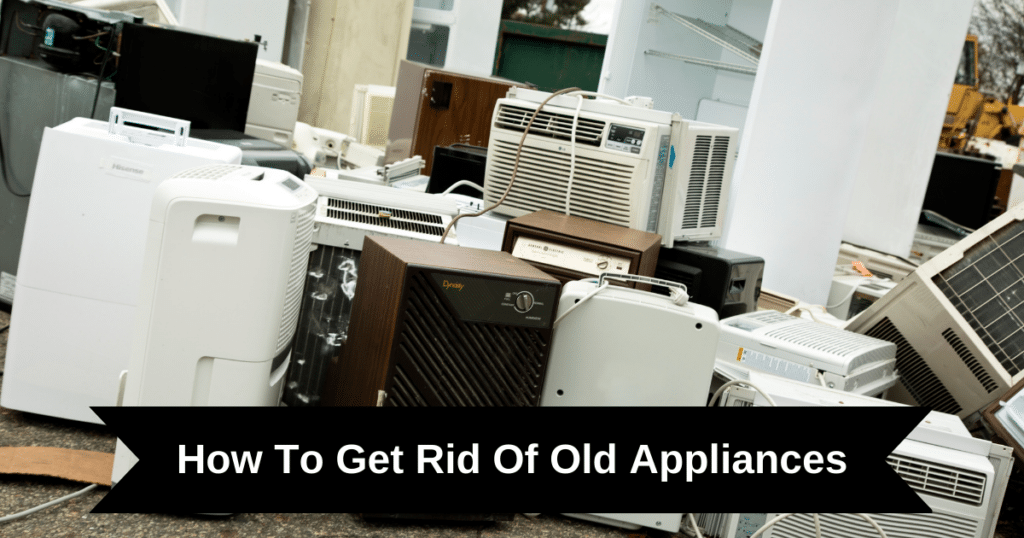
Credit: junksmiths.com
Disposal Options: What To Do With Your Old Stove
Here’s where most people get stuck. There are several ways to get rid of your old stove, each with pros and cons. Let’s review the main options in detail.
1. Sell Or Donate If It Still Works
If your stove is still working, it might have value. Many people look for used appliances, especially if they are on a budget.
How To Sell:
- Take clear photos of your clean stove.
- List it on online platforms like Craigslist, Facebook Marketplace, or local buy/sell groups.
- Be honest about its age and condition.
- Set a fair price—used stoves often sell for 20-40% of their original price depending on brand and condition.
How To Donate:
- Contact local charities, shelters, or churches. Some organizations pick up working appliances for free.
- Call Habitat for Humanity ReStores—many accept large appliances and resell them to help fund housing projects.
Non-obvious tip: Even if your stove isn’t perfect, some repair shops or vocational schools will take it for parts or training.
2. Appliance Recycling Centers
Many cities have appliance recycling centers that take old stoves. These centers break down the appliance and recycle the metal, glass, and plastic.
How It Works:
- Search “appliance recycling near me” or visit your city’s waste department website.
- Some centers offer free drop-off; others may charge a small fee ($10-30).
- You usually need to bring the stove yourself, so a truck or van helps.
Why Choose This:
- Environmentally friendly—keeps metal and chemicals out of landfills.
- May offer a recycling certificate for proof.
Beginner insight: Many recycling centers won’t accept appliances that still have gas connections or electrical wires attached. Remove these before drop-off.
3. Bulk Trash Or Curbside Pickup
Some cities offer bulk trash days or will pick up large appliances if you schedule in advance.
- Call your city’s waste management service to ask about bulk pickup rules.
- There may be limits on how many items you can set out and what types are allowed.
- Often, you need to put the appliance by the curb on a set date.
Important: Some cities require you to remove doors or secure them to prevent accidents.
Common Mistake:
People sometimes set out old stoves without scheduling a pickup. This can lead to fines or the appliance sitting out for weeks.
4. Retailer Haul-away Service
If you’re buying a new stove, ask the store if they offer a haul-away service. Many retailers will remove your old appliance for a small fee (sometimes free if you ask).
- Schedule the haul-away at the time of delivery for your new stove.
- Make sure the old stove is disconnected, clean, and accessible.
- Confirm with the store about what they’ll take—some services only accept certain types.
Practical tip: Large retailers like Home Depot, Lowe’s, and Best Buy often include recycling. This is one of the easiest options if you’re upgrading.
5. Junk Removal Companies
Junk removal services handle everything for you. They’ll come to your home, carry the stove out, and dispose of it properly.
- This option costs more, typically $50-150 depending on your location.
- Good for people who can’t move the stove themselves or want it gone fast.
- Check reviews and ask if they recycle appliances.
Insight: Some companies sort appliances for recycling, others just take them to a landfill. Ask before you book.
6. Scrap Metal Dealers
Stoves are mostly metal, and scrap yards pay for old appliances by weight.
- Call local scrap metal dealers to ask if they accept stoves.
- Remove plastic parts and non-metal items if required.
- Bring ID—many scrap yards require this for drop-off.
Money tip: You won’t get rich, but some stoves can bring in $10-30 depending on weight and metal prices.
7. Give Away For Free
If your stove is older or not working, consider giving it away for free.
- Post on Freecycle, Craigslist (Free section), or local Facebook groups.
- Be clear about its condition and that the taker is responsible for removal.
People looking for parts, DIY repairs, or scrap will often pick it up quickly.
8. Trade-in Or Take-back Programs
Some manufacturers and utility companies offer trade-in or take-back programs.
- Ask your utility company if they offer energy efficiency rebates for recycling old appliances.
- Some trade-in programs offer a discount on new purchases if you return your old stove.
Check the manufacturer’s website for details.
9. Haul To The Landfill (last Resort)
If no other options work, you can take the stove to a local landfill or transfer station.
- Check rules—some landfills only accept appliances on certain days or charge extra fees.
- Bring help and safety gear for unloading.
Warning: Landfills are not the best choice for the environment, but sometimes it’s the only legal option in rural areas.
10. Hire A Professional Handyman
Some handymen or movers offer appliance removal as a side service.
- Look for licensed and insured pros.
- Ask if they recycle or donate the appliance.
This option can be cheaper than big junk removal companies, especially for local moves.
Comparing Disposal Options
To help you see the differences between the main methods, here’s a comparison:
| Option | Cost | Effort | Eco-Friendly? | Best For |
|---|---|---|---|---|
| Sell/Donate | Free / Earn Money | Medium | Yes | Working stoves |
| Recycling Center | Low Fee | Medium | Yes | Broken/old stoves |
| Bulk Pickup | Usually Free | Low | Varies | Anyone, by appointment |
| Junk Removal | $$ | Low | Sometimes | No truck, fast removal |
| Scrap Metal | Earn Money | Medium | Yes | Metal stoves |
Special Considerations: Gas Vs. Electric Stoves
Not all stoves are the same. The way you dispose of your old stove depends on whether it’s gas or electric.
| Type | Special Steps | Extra Safety Tips |
|---|---|---|
| Gas Stove | Turn off gas, disconnect line | Check for leaks, use a pro if unsure |
| Electric Stove | Unplug, switch off breaker | Check for exposed wires |
Pro insight: If you smell gas or see damaged wires, do not try to move the stove yourself. Call a licensed technician for help.
Local Laws And Environmental Rules
Every city and state has different rules for appliance disposal. Some places fine residents for leaving stoves out or dumping them illegally. Others may require proof of recycling or charge “white goods” fees (a term for large appliances).
- Check your city or county website before you move your stove.
- Ask about free drop-off days, e-waste events, or local recycling partners.
- Some areas ban appliances from landfills entirely.
For example, in California, “white goods” must be handled by certified recyclers. In the EU, the WEEE directive covers proper disposal of electronic appliances.
Mistakes To Avoid When Disposing Of An Old Stove
Most people make at least one mistake when trying to get rid of a large appliance. Here are a few to avoid:
- Ignoring Local Rules
- You could get a fine or be forced to remove the appliance again.
- Damaging Floors or Walls
- Always use moving pads and get help to avoid scratches or dents.
- Not Disconnecting Properly
- This is especially dangerous with gas lines or hardwired electric stoves.
- Leaving It Outside Unsecured
- Unattended appliances can attract scavengers or become a hazard.
- Forgetting to Remove Personal Items
- Check for trays, manuals, or forgotten kitchen tools inside before removal.
Maximizing Value Or Savings
If your stove still works, you have a chance to earn some money or help someone else. Even broken stoves have value for parts or scrap.
- Sell working stoves on used goods platforms.
- Offer broken stoves to repair shops or schools.
- Recycle to save on landfill fees.
Some utility companies offer rebates (up to $50) for recycling old appliances, especially if you are upgrading to an energy-efficient model.
Safety Tips For Moving And Handling An Old Stove
Stoves are heavy (often 100-200 pounds) and awkward to move. Injuries happen more often than people expect.
- Always lift with your legs, not your back.
- Wear work gloves to protect your hands.
- Use a dolly or moving straps for easier handling.
- Get help—never try to move a stove alone.
If you live in an apartment or have stairs, consider hiring professionals or asking the building manager for advice.
How To Choose The Best Disposal Method For You
Here’s how to decide which method fits your needs best:
- Is your stove working? If yes, try to sell or donate.
- Do you have a truck or help? If not, consider junk removal or retailer haul-away.
- Are you environmentally focused? Choose recycling or scrap metal.
- Is cost a concern? Bulk pickup or giving away for free are usually cheapest.
- Do you need it gone fast? Junk removal is the quickest, though more expensive.
If you’re unsure, call your city’s waste department—they can suggest the best legal and safe option for your area.
Step-by-step: How To Remove A Stove From Your Kitchen
Here’s a quick guide for physically removing your stove:
- Shut off power or gas.
- Disconnect cords or gas line (use a wrench for gas stoves).
- Clean the stove and secure any loose parts.
- Measure doorways and clear your path.
- Use a dolly to gently move the stove out.
- Load onto truck or leave in pickup area as required by your disposal method.
Beginner mistake: Forgetting to secure oven doors can cause them to swing open during moving and break.
Responsible Appliance Disposal: The Environmental Impact
Throwing out a stove isn’t just about clearing space—it’s about responsibility. Appliances contain metals, glass, and sometimes hazardous chemicals like insulation or wiring. Proper recycling can recover most of these materials and reduce pollution.
According to the U. S. Environmental Protection Agency, recycling one ton of steel saves 2,500 pounds of iron ore and reduces CO2 emissions by 1. 8 tons. Your old stove is a part of that cycle.
Some metals—like copper and aluminum—are especially valuable in recycling. Even the glass from stove doors can be recycled into new products.
For more about appliance recycling and environmental impact, see the EPA’s recycling resources.
How To Find Local Disposal And Recycling Services
Finding the right service is easier than most people think.
- Use search terms like “appliance recycling near me,” “junk removal [your city],” or “scrap metal pickup.”
- Ask your city waste department for a list of approved companies.
- Visit official websites for up-to-date rules and schedules.
Most large cities have at least one free or low-cost program for appliance recycling or bulk trash.
Table: Real-world Example Disposal Costs
Here’s a sample of what you might pay (or earn) for different stove disposal options in the U.S.:
| Disposal Method | Average Cost/Earnings | Turnaround Time |
|---|---|---|
| Junk Removal Service | $75-150 (cost) | Same day to 2 days |
| Retailer Haul-Away | $0-40 (cost) | Same day as delivery |
| Scrap Metal Yard | $10-30 (earnings) | Same day |
| Recycling Center | $0-25 (cost) | Same day |
| Sell/Donate | $0-100 (earnings) | 1-7 days |
Tip: Always call ahead to confirm prices and requirements. Rates can change based on location and demand for scrap metal.

Credit: vetseasytrash.com
What To Do With Stove Parts And Accessories
Don’t forget about oven racks, trays, or cords. These can often be recycled separately or sold.
- Metal racks: Scrap metal yards may accept them.
- Trays: Clean and recycle as metal if possible.
- Cords: Copper wiring is valuable—strip it and recycle.
Sometimes, people need parts for older models. Selling or giving away accessories can help others and keep more materials out of landfills.
Helping Others: Donating For A Cause
Donating your working stove to a charity, shelter, or family in need can make a real difference. Many organizations repair and distribute used appliances to people who can’t afford new ones.
- Call ahead to check if they accept appliances.
- Some offer free pickup.
- Ask for a donation receipt for possible tax deductions.

Credit: www.charmcityhaulers.com
Frequently Asked Questions
How Do I Know If My Old Stove Can Be Recycled?
Most stoves can be recycled if they are mostly metal and don’t contain hazardous materials. Check with your local recycling center or city website for rules. Some centers may not accept stoves with certain types of insulation or electronics.
Can I Leave My Stove On The Curb For Garbage Pickup?
Only if your city allows large appliance pickup and you have scheduled it. Leaving appliances on the curb without permission can lead to fines or code violations.
Is It Safe To Remove A Gas Stove Myself?
If you have basic skills and the right tools, you can disconnect a gas stove by turning off the supply and loosening the line. However, if you smell gas, are unsure, or the stove is hardwired, always hire a professional.
What Should I Do If My Stove Is Built-in Or Very Heavy?
For built-in stoves, it’s best to call a licensed electrician or plumber. For very heavy stoves, get help from friends, use a dolly, or hire movers. Never try to move a large appliance alone.
Are There Any Rebates Or Incentives For Recycling An Old Stove?
Yes, some utility companies and local governments offer rebates (often $20-50) for recycling old appliances, especially if you’re replacing them with energy-efficient models. Check your utility company’s website or ask your retailer.
Getting rid of an old stove doesn’t have to be a headache. With a bit of planning and the right resources, you can clear space, help the environment, and maybe even put a little cash in your pocket. The best method depends on your needs, but the most important step is to act responsibly—your home, wallet, and the planet will thank you.