
Keeping a commercial oven clean is not just about looks—it’s about safety, performance, and saving money. Dirty ovens can slow down cooking, cause fires, and even shorten the life of expensive equipment. For restaurants, bakeries, hotels, and any business that relies on a commercial oven, regular cleaning is essential.
But the task can seem overwhelming if you don’t know where to start.
This guide will walk you through every step of how to clean a commercial oven—from daily wipe-downs to deep cleaning. You’ll learn the best tools, safest products, and practical methods that professionals use. By the end, you’ll understand how to keep your oven working like new, avoid common mistakes, and make cleaning a manageable part of your routine.
Why Cleaning A Commercial Oven Matters
A commercial oven is a workhorse in any busy kitchen. Over time, grease, crumbs, and spills build up inside. If left unchecked, these messes can:
- Affect how evenly food cooks
- Create smoke and unpleasant smells
- Lead to health code violations
- Cause breakdowns or fires
Dirty ovens also use more energy. Grease acts as insulation, making the oven work harder to reach the right temperature. According to the U.S. Department of Energy, regular maintenance can improve efficiency by up to 20%. A clean oven saves money, keeps staff safe, and helps serve better food.
Types Of Commercial Ovens And Their Cleaning Needs
Not all ovens are the same. Understanding your oven type will help you use the right cleaning methods.
| Oven Type | Cleaning Frequency | Special Considerations |
|---|---|---|
| Convection Oven | Daily (light), Weekly (deep) | Fans and vents collect grease quickly |
| Deck Oven | Daily | Stone decks must be handled carefully |
| Combi Oven | After each use | Use only approved chemicals for steam systems |
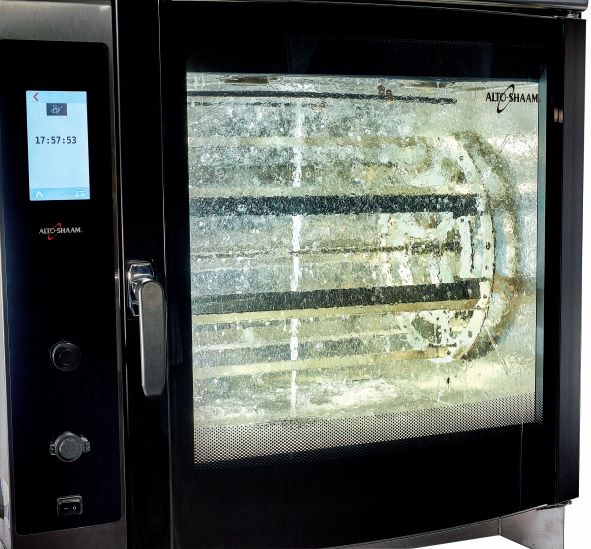
| Rotisserie Oven | Daily | Drip trays and glass doors require extra attention |
| Pizza Oven | Daily | High temperatures burn in spills quickly |
Some ovens have a self-cleaning cycle, but even these need manual cleaning of gaskets, trays, and hard-to-reach areas.
Credit: www.alto-shaam.com
Safety First: Preparing To Clean
Before you start, always put safety at the top of your list. Commercial ovens can be dangerous if handled carelessly.
- Turn off and cool down. Never clean a hot oven—wait until it’s fully cool to avoid burns.
- Disconnect power or gas. If possible, unplug the oven or shut off the gas supply.
- Wear protective gear. Use gloves, goggles, and a mask if using strong chemicals.
- Read the manual. Check the manufacturer’s instructions. Some ovens have delicate parts that need special care.
It’s easy to overlook these steps, but skipping them can lead to accidents or damage.
Essential Tools And Supplies
Having the right tools makes cleaning faster and more effective. Here’s what most professionals keep on hand:
- Heavy-duty gloves to protect your hands
- Non-scratch scrub pads for tough messes
- Soft cloths or microfiber towels for wiping surfaces
- Stiff-bristled brushes for racks and grates
- Plastic scraper or putty knife for baked-on spills
- Spray bottle for water or cleaning solution
- Food-safe degreaser or oven cleaner
- Bucket with warm water
- Vacuum for loose crumbs (optional)
- Flashlight for dark corners
Avoid using metal scouring pads or harsh abrasives, which can scratch stainless steel and glass.

Credit: restaurantequipment.com.au
Choosing The Right Cleaning Products
Not all cleaning chemicals are safe for commercial ovens. Look for products labeled food-safe and NSF certified. These won’t leave harmful residues that can affect food.
Some kitchens prefer eco-friendly cleaners or make their own using baking soda and vinegar. While these are good for light cleaning, stubborn grease may require a professional oven cleaner.
Never use bleach or ammonia inside ovens—they produce toxic fumes when heated. Check with your oven’s manufacturer for recommended products.
Daily Cleaning Routine
A little daily effort keeps cleaning from becoming a huge job later. Here’s a typical routine:
- Remove all racks, trays, and pans. Take them to a sink for separate cleaning.
- Brush out crumbs and loose debris. Use a soft brush or hand vacuum.
- Wipe down the interior. Use a damp cloth and mild soap for light spills.
- Clean racks and trays. Scrub with a non-abrasive pad and rinse well.
- Check and clean the door gasket. Wipe with a damp cloth—grease build-up here can affect the seal.
- Wipe the oven door and handles. Use a glass cleaner if needed.
- Inspect vents and fans. Remove dust and grease with a brush or vacuum attachment.
This routine should take about 15–20 minutes at the end of each day. Make it a part of the kitchen’s closing duties.
Deep Cleaning: Weekly Or As Needed
Even with daily care, ovens need a thorough deep clean to remove built-up grease and grime. Plan to do this at least once a week, or more often if your kitchen is busy.
Step 1: Remove All Accessories
Take out racks, trays, and thermometers. If your oven has stone decks (as in pizza or deck ovens), remove them only if the manufacturer allows.
Step 2: Pre-soak Removable Parts
Fill a sink or large tub with hot, soapy water. Let racks and trays soak for 20–30 minutes to loosen grease. Scrub with a stiff brush, rinse, and let them dry.
Step 3: Apply Oven Cleaner
Spray a commercial oven cleaner or food-safe degreaser on all interior surfaces. Focus on the back wall, corners, and areas around the fan. Avoid getting chemicals on gaskets, heating elements, or stone decks.
- Let the cleaner sit for the recommended time (usually 10–20 minutes).
- For stone decks, use only a damp cloth—never chemicals or excessive water.
Step 4: Scrub Interior Surfaces
Use a non-scratch pad or plastic scraper to remove softened grease. Work from the top down. For stubborn spots, reapply cleaner and let sit longer.
Step 5: Clean Fans And Vents
Fans and vents often collect hidden grease. If possible, remove the fan cover and clean with a brush. Wipe vent covers and make sure air can flow freely.
Step 6: Wipe And Rinse
Wipe all surfaces with a clean, damp cloth to remove cleaner and residue. Change cloths and rinse often to avoid spreading grease.
Step 7: Inspect And Clean The Door Seal
Grease on the door gasket can stop the door from sealing tightly. Wipe the gasket gently with a damp cloth and check for cracks or wear.
Step 8: Reassemble And Test
Once everything is dry, put racks and trays back in. Reconnect power or gas, and turn the oven on briefly to make sure it’s working properly.
Cleaning Specialized Ovens
Each commercial oven has unique features. Here’s how to clean some of the most common types.
Convection Ovens
The key feature is the fan that circulates hot air. This fan also spreads grease and crumbs. Remove the fan cover regularly and clean both the cover and blades. Clogged fans reduce cooking efficiency and can smoke.
Deck And Pizza Ovens
The stone deck absorbs spills and odors. Never use soap or chemicals on stone—just a damp cloth or a special stone brush. For burnt-on spots, scrape gently with a metal scraper once the oven is cool.
Combi Ovens
These use both steam and dry heat. Only use chemicals approved for combi ovens, as unapproved cleaners can damage the steam generator. Many have self-cleaning cycles—run these according to the manual, but still clean the door and seals by hand.
Rotisserie Ovens
Drip trays under the spit collect a lot of grease. Empty and wash these trays daily. Clean the glass doors with a food-safe glass cleaner. Use a brush to remove residue from spits and holders.
Cleaning Oven Exteriors
The exterior of your oven is the first thing customers and health inspectors see. It can also affect performance if vents or controls are dirty.
- Wipe stainless steel with a damp cloth and mild detergent.
- Use a stainless steel polish to remove fingerprints and restore shine.
- Clean control panels with a soft, dry cloth—never spray cleaner directly on electronics.
- Check vents and louvers for dust and grease. A vacuum attachment works well here.
What To Do About Burnt-on Grease
Some messes seem impossible to remove. Here are tips for tackling burnt-on grease:
- Apply a paste of baking soda and water, let sit overnight, then scrub.
- Use a food-safe degreaser and let it soak longer.
- For extremely tough spots, use a commercial oven scraper, but avoid scratching the surface.
- Repeat the process—sometimes it takes two or three tries.
One non-obvious tip: heat the oven to a low temperature (about 200°F/93°C), then turn it off and apply the cleaner. Warm surfaces help loosen grease, making it easier to remove.

Credit: tecnovapindustrial.com
Common Mistakes To Avoid
Even experienced staff make errors that can damage ovens or create hazards. Watch out for these:
- Using the wrong chemicals. Some cleaners damage oven parts or create harmful fumes.
- Skipping the door gasket. A dirty or damaged gasket lets heat escape and raises energy costs.
- Not rinsing thoroughly. Leftover chemicals can cause odors or affect food flavor.
- Cleaning while the oven is hot. This can cause burns and make cleaners evaporate too quickly.
- Neglecting fans and vents. Blocked airflow can lead to overheating or fires.
A less obvious mistake: ignoring the oven’s data plate. This small metal tag lists safe cleaning temperatures, chemicals, and parts. Always check it before trying a new cleaning method.
How Often Should You Clean?
Cleaning frequency depends on how much you use the oven and what you cook.
| Usage Level | Daily Cleaning | Deep Cleaning |
|---|---|---|
| High (Busy restaurants, bakeries) | After each shift | Weekly |
| Medium (Cafés, small caterers) | End of day | Biweekly |
| Low (Occasional use) | After use | Monthly |
If you roast meats, cook with a lot of cheese, or bake foods that spill easily, you’ll need to clean more often. A good rule: if you see smoke or smell burning, it’s time to clean.
Keeping Your Oven Clean Longer
You can reduce how often you need to deep clean with a few smart habits:
- Use sheet pans or liners to catch drips and crumbs.
- Wipe up spills right away—don’t let them bake on.
- Rotate racks to avoid uneven wear and grease build-up.
- Train all staff on proper cleaning methods.
- Schedule regular inspections and maintenance.
A non-obvious tip: keep a cleaning log. Write down when and how the oven was last cleaned. This helps staff stay accountable and shows health inspectors you follow best practices.
When To Call A Professional
Some cleaning tasks require professional help, especially if:
- Grease build-up is severe or hard to reach
- The oven has not been cleaned for months
- You notice strange odors, smoke, or uneven cooking
- The oven is under warranty (using the wrong cleaning method could void it)
Professional oven cleaning companies use special tools and chemicals that remove deep-seated grease safely. For most kitchens, a professional deep clean once or twice a year keeps equipment in top shape.
Cleaning And Maintenance Records
Health inspectors often ask for cleaning records. A simple log should include:
- Date and time of cleaning
- Staff member responsible
- Cleaning tasks performed
- Any issues or repairs noted
This log can be a notebook, a whiteboard in the kitchen, or a digital record. It helps spot recurring problems and keeps everyone on the same page.
Environmental And Health Considerations
Be mindful of the cleaning chemicals you use. Some harsh products can cause breathing problems or skin irritation. Always use food-safe cleaners and rinse thoroughly.
If your kitchen wants to go green, try these options:
- Baking soda and vinegar for light cleaning
- Plant-based degreasers
- Microfiber cloths that reduce the need for chemicals
Dispose of dirty water and grease according to local regulations—never pour grease down the drain.
Training Staff On Oven Cleaning
Proper training is often overlooked. Make sure every staff member knows:
- How to safely turn off and disconnect the oven
- Which cleaners and tools to use
- How to clean without damaging parts
- What to do if they notice a problem (like a damaged seal or strange noise)
Use clear instructions and post them near the oven. Consider a short video or demonstration for new hires.
Troubleshooting: If The Oven Still Smells Or Smokes
Sometimes, an oven still smells or smokes after cleaning. Here’s what to check:
- Is all grease and cleaner residue removed? Wipe again with clean water.
- Are fans and vents free from blockages?
- Is the door gasket sealing properly?
- Are all parts dry before heating?
If problems persist, turn off the oven and call a technician. Continued smoke or odor may signal an electrical issue or hidden grease.
Real-world Example: Cleaning A Bakery Convection Oven
Imagine a small bakery with a busy morning rush. The staff cleans the oven daily, but over time, bread crumbs and butter splatters build up.
- Every night, they remove racks, brush out crumbs, and wipe the interior.
- Once a week, they soak racks, use a degreaser on the walls and fan, and check the gasket.
- They keep a log on the wall, noting who cleaned and when.
The result: faster baking, no smoke, and a happy health inspector. When they skipped cleaning, they noticed uneven baking and burnt smells.
Comparing Manual Vs. Self-cleaning Ovens
Some commercial ovens have a self-cleaning (pyrolytic) feature. How does this compare to manual cleaning?
| Feature | Manual Cleaning | Self-Cleaning |
|---|---|---|
| Time Required | 20–60 minutes | 2–4 hours |
| Chemicals Needed | Yes | No (uses heat) |
| Effectiveness | Very, if done thoroughly | Good, but may miss corners |
| Cost | Low | Higher energy use |
| Maintenance | Requires regular effort | Still needs manual for gaskets, trays |
Even with self-cleaning, you’ll need to clean some parts by hand. Always follow the manufacturer’s guidelines.
The Value Of A Clean Oven
A sparkling oven does more than meet health codes. It:
- Saves money on energy and repairs
- Keeps staff safe from burns and fires
- Ensures food tastes and looks its best
- Reduces downtime and keeps customers happy
By making cleaning a regular part of your kitchen routine, you protect your investment and reputation. It may take time, but the benefits are clear.
For more on kitchen safety, you can check resources like the Occupational Safety and Health Administration (OSHA).
Frequently Asked Questions
How Often Should I Clean A Commercial Oven?
For most kitchens, do light cleaning daily and a deep clean weekly. Busy restaurants may need to clean after each shift. If you cook greasy or sticky foods, clean more often.
Can I Use Regular Household Oven Cleaner?
No, always use food-safe cleaners labeled for commercial ovens. Household cleaners may leave harmful residues or damage parts.
What If My Oven Still Smells After Cleaning?
Check for hidden grease in fans, vents, or under racks. Rinse all surfaces with clean water to remove cleaner residue. If the smell persists, call a technician.
Is It Safe To Use Liners Or Foil In A Commercial Oven?
Use only approved oven liners. Never use regular foil—it can block airflow and cause overheating. Check your oven’s manual for recommendations.
What’s The Best Way To Train Staff On Oven Cleaning?
Create clear, simple instructions and post them near the oven. Offer hands-on training for new staff and use a cleaning log to track who cleaned and when.
Keeping your commercial oven clean isn’t just a chore—it’s a smart business practice. With the right tools, habits, and knowledge, you’ll have an oven that works better, lasts longer, and helps your kitchen shine.