
Many home bakers reach for aluminum foil without thinking when a recipe says “cover the dish.” But what if you run out, want to avoid using foil, or simply prefer a different method? There are many reasons people look for alternatives: health concerns, reducing waste, or just running out at the wrong moment. The good news is, you can bake almost anything without foil if you know what to use instead.
If you’re wondering how to cover a baking dish without foil, you’re not alone. This guide will walk you through every effective alternative, their pros and cons, and how to choose the best option for your recipe. You’ll also get practical tips, answers to common questions, and a deeper understanding of how baking covers work.
Let’s explore all the ways you can bake smarter—without ever touching a roll of foil.
Why Cover A Baking Dish At All?
Before exploring the alternatives, it’s important to understand why recipes ask you to cover a dish. The main reasons are:
- To trap moisture so food doesn’t dry out
- To ensure even cooking by trapping heat
- To prevent over-browning or burning
- To keep flavors and aromas inside the dish
Covering is especially important for foods like casseroles, lasagnas, baked pasta, braised meats, and some breads. The type of cover affects the final result—so choosing the right alternative is key for delicious outcomes.
Common Alternatives To Foil For Covering Baking Dishes
When you don’t have foil, you have more options than you might think. Here are the most popular and reliable alternatives.
1. Oven-safe Lids
Many glass, ceramic, and metal baking dishes come with their own oven-safe lids. These fit perfectly, trap moisture, and are designed to withstand oven heat.
Advantages:
- Excellent moisture retention
- No waste or extra cost
- Safe for all oven temperatures (check manufacturer’s instructions)
Disadvantages:
- Only works if your dish came with a lid
- Lids may not fit other dishes
Tip: If you bake often, consider investing in a universal lid that fits multiple dishes.
2. Baking Sheets
A flat baking sheet can act as a makeshift lid for most rectangular or square dishes. Simply place the baking sheet on top so it covers the food.
Advantages:
- Most kitchens have at least one baking sheet
- Traps steam and prevents splatters
- Reusable and easy to clean
Disadvantages:
- May not seal tightly, so some moisture escapes
- Doesn’t work for tall or very full dishes
Example: If you’re baking lasagna in a glass dish, a baking sheet laid across the top will keep the cheese from burning and help the pasta cook through.
3. Parchment Paper
Parchment paper is a non-stick, heat-safe paper used in baking. It’s great for covering dishes, especially when you want to avoid sticking.
Advantages:
- Withstands most baking temperatures (usually up to 420°F/215°C)
- Non-stick and disposable
- Allows some steam out, so food doesn’t get soggy
Disadvantages:
- Not as airtight as foil
- Can burn if too close to oven coils
How to use: Cut parchment to fit the dish, and tuck the edges inside. For extra coverage, use two layers.
4. Silicone Lids And Mats
Silicone baking lids and mats are flexible, reusable covers that can handle oven heat (typically up to 450°F/232°C).
Advantages:
- Durable and eco-friendly
- Create a good seal
- Easy to wash and reuse
Disadvantages:
- Initial investment cost
- May not fit all shapes and sizes perfectly
Extra Insight: Some silicone lids are designed to fit multiple dish sizes. Mats can also double as baking sheets for cookies.
5. Inverted Heat-safe Plates
If you have heat-safe plates (like ceramic or Pyrex), you can use one as a cover for your baking dish.
Advantages:
- Most kitchens have them
- Good for small or round dishes
- Traps steam well
Disadvantages:
- May not fit larger dishes
- Can be heavy and awkward to handle
Practical Tip: Always check that your plate is labeled oven-safe to prevent cracks or shattering.
6. Another Baking Dish
Stacking a second, similar-sized baking dish upside-down on top of your food creates a DIY lid.
Advantages:
- Perfect fit if dishes match
- No extra tools needed
Disadvantages:
- Dishes must be the same size and oven-safe
- Can be heavy
Example: Two identical glass casserole dishes can be used together, one as the lid.
7. Dutch Oven Or Cast Iron Pot Lids
If you have a Dutch oven or heavy cast iron pot, their lids are made for the oven and seal tightly.
Advantages:
- Excellent for braising and slow cooking
- Withstands high heat
- Heavy lid traps moisture and heat
Disadvantages:
- Only fits certain pots/dishes
- May be too heavy for delicate glassware
Pro Tip: You can even use the Dutch oven itself as your baking dish if size allows.
8. Roasting Pan Covers
Some roasting pans come with their own covers, usually metal.
Advantages:
- Designed for high heat
- Traps steam and prevents splatter
Disadvantages:
- Limited to large pans
- Not suitable for small dishes
Example: Great for large casseroles, meats, and baked pasta.
9. Dough “lids” For Bread Baking
When baking rustic bread or pies, some bakers use a layer of unbaked dough as a temporary lid.
Advantages:
- Edible, adds flavor and texture
- Protects delicate fillings
Disadvantages:
- Not suitable for all dishes
- Adds calories
Example: Pot pie crusts act as both a cover and part of the meal.
10. Reusable Food Wraps (beeswax Or Silicone)
Beeswax wraps and silicone food wraps are eco-friendly options for covering dishes before baking (if they are labeled as oven-safe).
Advantages:
- Reusable, reduces waste
- Good for low-temperature baking
Disadvantages:
- Not all wraps are oven-safe—always check!
- Limited to moderate oven temperatures
Important: Most beeswax wraps are not oven-safe above 200°F (93°C). Silicone wraps can handle more heat but always read the product label.
How Alternative Covers Affect Baking
Choosing a different cover can slightly change your dish’s texture, moisture, and browning. Here’s a quick comparison:
| Cover Type | Moisture Retention | Browning | Best For |
|---|---|---|---|
| Oven-Safe Lid | High | Low | Casseroles, Stews |
| Baking Sheet | Medium | Medium | Lasagna, Roasts |
| Parchment Paper | Medium-Low | Medium-High | Bread, Fish |
| Silicone Lid | High | Low | Vegetables, Casseroles |
| Heat-Safe Plate | High | Low | Pasta Bake, Small Dishes |
Non-obvious insight: Parchment paper allows some water vapor to escape, which can help prevent a soggy top layer—something foil doesn’t do as well.
When To Bake Uncovered
Not all recipes need a cover. Sometimes, leaving your dish open is actually better:
- To create a crust or crispy topping (like for macaroni and cheese)
- To reduce moisture (such as for roasting vegetables)
- To brown the top (for gratins or baked desserts)
Beginner tip: If a recipe only calls for covering partway, start covered and remove the cover for the last 10-20 minutes to finish browning.
How To Secure Your Cover
Loose covers can let out too much steam or fall into the food. Here’s how to keep things snug:
- For parchment paper, cut the sheet larger than your dish, fold over the edges, and press gently around the rim.
- With a baking sheet, choose one that covers the entire dish; add a small weight (like a clean oven mitt) on top if needed.
- For plates or lids, check that there’s no wobble. If you see steam escaping, that’s usually fine—just don’t let the cover slide off.
Safety tip: Never use plastic wrap or plastic lids in the oven. They will melt and can ruin your food.
Matching Covers To Recipes
Different dishes need different types of covers. Here are some examples:
- Casseroles: Oven-safe lid, silicone lid, or baking sheet
- Lasagna: Baking sheet or parchment paper
- Roast chicken: Baking sheet for first half, then uncover to brown
- Bread: Parchment paper “tent” or inverted Dutch oven lid
- Pasta bake: Plate or silicone mat
Insider tip: If your dish is very full, leave a small gap in the cover to prevent bubbling over.
Environmental And Health Considerations
Many people look for foil alternatives because of environmental or health concerns.
- Foil is single-use and not always recycled, contributing to landfill waste.
- Some studies have raised questions about aluminum exposure and health.
- Reusable options (lids, silicone mats) reduce waste and save money over time.
For more on aluminum and health, the National Cancer Institute provides reliable information.
What Not To Use As A Cover
Some materials are unsafe or unsuitable for oven use:
- Plastic wrap or lids: Will melt and may release chemicals
- Paper towels or napkins: Can catch fire
- Regular glass plates: May shatter if not labeled oven-safe
- Cloth towels: Not heatproof, may burn
Always use items labeled as oven-safe. When in doubt, check the manufacturer’s instructions.
How To Improvise In A Pinch
Sometimes, you need to get creative. If you have nothing else, try these:
- Stack two smaller dishes side by side and use a baking sheet across both
- Cut a piece of parchment or even brown baking paper if it’s untreated and food-safe
- Use an overturned oven-safe bowl for small round baking dishes
Pro tip: Never leave your food completely unmonitored if you’re using an improvised cover. Watch for burning or uneven cooking.
Cleaning And Reusing Your Covers
One advantage of skipping foil is less waste and easier cleaning.
- Oven-safe lids, silicone mats, and plates: Wash with hot, soapy water or put in the dishwasher if safe
- Baking sheets: Wipe after use, especially if food splatters
- Parchment paper: Single-use, but compostable in some areas
Non-obvious insight: Silicone mats sometimes retain food odors—soak in vinegar and baking soda to freshen.
How Do Foil Alternatives Affect Cooking Time?
Switching covers can change how fast your food cooks. Here’s a quick guide:
| Cover Type | Effect on Cooking Time | Notes |
|---|---|---|
| Oven-Safe Lid | No change | Traps heat well |
| Baking Sheet | No/Minor change | May brown more on top |
| Parchment Paper | +5 to 10 mins | Some steam escapes |
| Silicone Lid | No change | Good heat retention |
| Plate/Bowl | No/Minor change | Check for food contact |
Tip: Always check food doneness with a thermometer or fork, especially when using an unfamiliar cover.
Troubleshooting Common Problems
Food Cooks Unevenly
- Make sure the cover fits snugly and is centered.
- Rotate the dish halfway through baking.
Food Is Too Dry
- Use a tighter-fitting cover like a silicone lid or oven-safe lid.
- Add a splash of broth or water before covering.
Top Is Not Browning
- Remove the cover for the last 10-15 minutes.
- Move the dish to a higher oven rack.
Cover Burns Or Smokes
- Only use materials labeled oven-safe.
- Avoid parchment paper above 420°F (215°C).

Credit: www.radacutlery.com
The Most Versatile Tools To Own
If you bake often, consider these investments:
- Universal glass or silicone lid (fits multiple dishes)
- Set of parchment paper sheets
- Silicone baking mats
- Heavy-duty baking sheets
- Oven-safe plates or bowls in various sizes
These tools will cover almost any baking situation without foil.
Tips For Covering Odd-shaped Or Large Dishes
- Use overlapping layers of parchment paper for wide dishes.
- Two baking sheets can cover very large pans.
- For oval dishes, flexible silicone mats are best.
- Secure parchment with a silicone band or oven-safe string if needed.

Credit: www.youtube.com
Examples: Recipes And Their Best Covers
Lasagna
- Best cover: Baking sheet or oven-safe lid for the first 30 minutes, then uncover for the last 10 minutes to brown.
Casserole
- Best cover: Silicone lid or parchment paper, depending on moisture needed.
Baked Fish
- Best cover: Parchment paper (en papillote), which gently steams the fish.
Braised Meats
- Best cover: Dutch oven lid or heavy plate.
Roasted Vegetables
- Usually best left uncovered for browning.
Pro insight: For delicate dishes like soufflés, always use the cover recommended by the recipe, as structure and rising are very sensitive.
Saving Money And Reducing Waste
Switching from foil to reusable covers can save money over time. Consider this:
- A box of foil (200 sq ft) costs around $4 and lasts 1-2 months for frequent bakers.
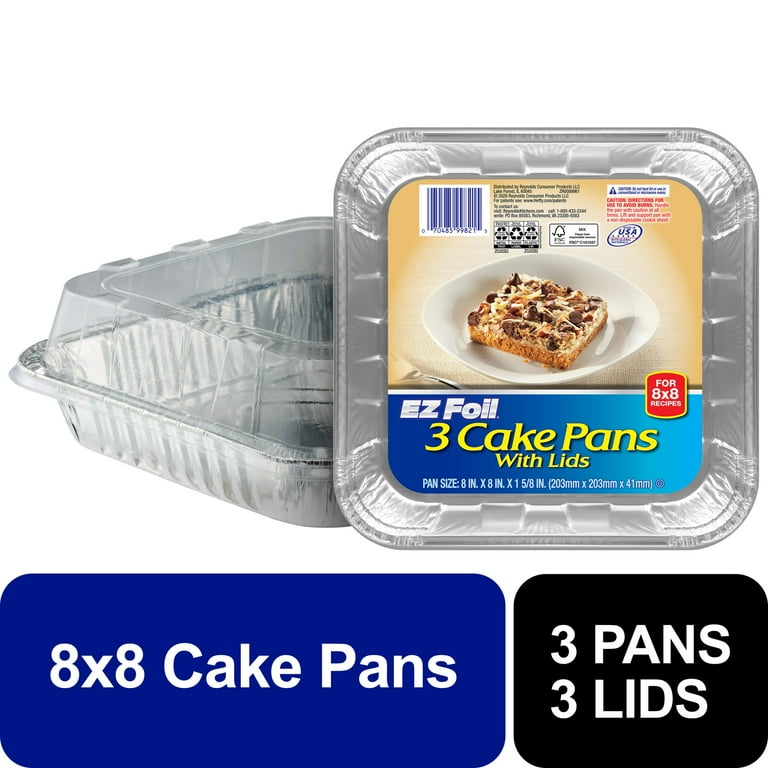
- A silicone lid costs $8–$15 but lasts years.
- Parchment paper is cheaper than foil by the sheet and compostable.
Environmental impact: Using silicone mats and glass lids can reduce up to 50 foil boxes per household over a decade.
Credit: www.walmart.com
When Foil Really Is Needed
There are a few rare cases where foil is best:
- Wrapping potatoes or corn for roasting
- Shielding pie crusts from over-browning (though silicone shields exist)
- Making foil packets for grilling
For most oven baking, though, there’s a better, safer, and more sustainable option.
Frequently Asked Questions
Can I Use Wax Paper Instead Of Foil To Cover A Baking Dish?
No. Wax paper is not heat-safe and will melt or catch fire in the oven. Only use parchment paper or other oven-safe materials.
Is It Safe To Use Plastic Wrap As An Oven Cover?
Never. Plastic wrap melts at oven temperatures and releases chemicals. Always use oven-safe alternatives.
What’s The Best Way To Cover A Lasagna Without Foil?
A baking sheet, oven-safe lid, or parchment paper works well. Just make sure the cover fits and doesn’t touch the cheese.
Does Covering A Dish With A Lid Or Sheet Change The Flavor?
No, but it can affect texture and moisture. Lids trap steam and make food juicier; loose covers allow a crisper topping.
How Do I Know If My Plate Or Lid Is Oven-safe?
Check the manufacturer’s label or look for markings like “oven-safe” on the bottom. If you’re unsure, don’t use it—it could break.
Baking without foil is not only possible, it’s often better for your food, your health, and the environment. With these tips and alternatives, you’ll never be stuck without a cover again. Experiment with different methods, and you may find your favorite new way to bake.