
Cleaning stainless steel kitchen utensils sounds simple, but many people find it tricky to keep them looking shiny and new. Whether it’s stubborn stains, water spots, or dull surfaces, these problems can make even the best utensils look old. But the good news is, stainless steel is one of the most durable and easy-to-clean materials if you know the right techniques. Understanding how to care for these tools not only helps them last longer but also keeps your kitchen safe and hygienic.
This article will guide you through every step, from daily cleaning to handling tough stains and even restoring shine. You’ll learn why some common cleaning methods actually damage stainless steel, and discover better, safer approaches. With clear explanations and practical tips, you’ll be able to clean your utensils efficiently—without frustration or guesswork.
Why Stainless Steel Needs Special Care
Stainless steel is popular in kitchens because it’s resistant to rust and corrosion. However, it’s not completely stain-proof. Over time, utensils can develop discoloration, streaks, or even pitting if they are not cared for properly. The main reason is that stainless steel contains a thin protective layer of chromium oxide. This layer keeps the steel from rusting, but harsh chemicals, abrasive cleaners, and even tap water minerals can damage it.
Also, many people believe stainless steel never stains, but things like salt, acidic foods, and hard water can all leave marks. If you want your utensils to stay bright and clean, you must use the right cleaning methods.
Essential Supplies For Cleaning Stainless Steel Utensils
Before you start, gather the right supplies. Using proper tools prevents accidental damage and makes cleaning easier.
- Soft sponges or microfiber cloths – Avoid steel wool or abrasive pads.
- Mild dish soap – Strong detergents can strip the protective layer.
- Baking soda – Great for removing tough stains without scratching.
- White vinegar – Helps dissolve mineral deposits and water spots.
- Warm water – Dissolves grease and lifts dirt.
- Olive oil or mineral oil – For polishing and restoring shine.
- Plastic scrapers – For stuck-on food (never use metal scrapers).
- Spray bottle – Useful for applying vinegar or diluted solutions.
These simple items are usually enough for most cleaning tasks.
Daily Cleaning Routine
Keeping stainless steel utensils clean every day prevents buildup of stains and keeps them looking their best.
Step-by-step Daily Cleaning
- Rinse Immediately After Use
- Wash utensils soon after cooking to prevent food from drying and sticking.
- Rinse with warm water to remove loose debris.
- Wash with Mild Dish Soap
- Use a soft sponge or cloth.
- Add a few drops of mild dish soap to warm water.
- Scrub gently, following the grain of the steel if visible.
- Rinse Thoroughly
- Soap residue can cause streaks or spots, so rinse well with clean water.
- Dry Immediately
- Use a soft, dry towel to prevent water spots and streaks.
- Air-drying can leave marks, especially with hard water.
Practical Example
If you just finished using a stainless steel spatula to fry eggs, don’t let it sit in the sink. Quickly rinse off the egg, wash with a soapy sponge, rinse, and dry. This keeps the spatula shiny and prevents stubborn stains.
Non-obvious Insight
Always dry utensils right away. Air-drying often causes water spots, especially if your water has minerals. This simple step keeps utensils looking new.
Dealing With Common Problems
Even with good habits, stainless steel utensils can develop issues like stains, discoloration, or burnt-on food. Here’s how to handle the most frequent problems.
Removing Water Spots
Water spots appear when minerals in tap water dry on the surface.
- Dampen a microfiber cloth with equal parts white vinegar and water.
- Wipe the utensil, following the grain.
- Rinse with clean water and dry immediately.
If spots remain, repeat the process or use undiluted vinegar for stubborn marks.
Tackling Stubborn Stains
Some stains, like tea or tomato sauce, can stick to the surface.
- Make a paste with baking soda and water.
- Apply the paste to the stain.
- Gently rub with a soft sponge or cloth.
- Rinse and dry.
Avoid using too much force—baking soda is gentle but can scratch if overused.
Removing Burnt-on Food
Burnt food is tough, but it doesn’t mean you need to scrub aggressively.
- Fill a large bowl or sink with hot water and a little dish soap.
- Soak the utensil for 15–30 minutes.
- Use a plastic scraper to loosen burned bits.
- For very stubborn spots, sprinkle baking soda and rub gently.
- Rinse and dry.
Fixing Rainbow Discoloration
Sometimes stainless steel gets a blue or rainbow tint. This is from overheating.
- Dampen a cloth with white vinegar.
- Wipe the surface until the color fades.
- Rinse and dry.
If the discoloration remains, repeat the process. Do not use harsh chemicals.
Removing Rust Spots
While stainless steel resists rust, it’s not immune if scratched or exposed to saltwater.
- Mix baking soda with water to make a thick paste.
- Apply to the rust spot.
- Let it sit for 30 minutes.
- Rub gently with a soft cloth, then rinse and dry.
For larger or deeper rust, repeat as needed. Never use steel wool or harsh abrasives.
Deep Cleaning Stainless Steel Utensils
Deep cleaning is important every few weeks or if utensils look dull or dirty despite regular care.
Step-by-step Deep Cleaning
- Soak in Vinegar Solution
- Mix one part white vinegar to three parts warm water.
- Soak utensils for 10–20 minutes to loosen mineral deposits and stains.
- Scrub Gently with Baking Soda
- Sprinkle baking soda on a damp sponge.
- Scrub utensils, focusing on stained areas.
- Rinse Thoroughly
- Remove all vinegar and baking soda residue.
- Polish with Oil
- Put a few drops of olive or mineral oil on a soft cloth.
- Rub utensils to restore shine and help protect the surface.
- Buff Dry
- Use a clean, dry microfiber cloth to remove excess oil and polish to a bright finish.
Deep Cleaning Table
Here’s a quick comparison of daily cleaning vs. deep cleaning:
| Cleaning Type | Frequency | Main Steps | Purpose |
|---|---|---|---|
| Daily Cleaning | After every use | Wash, rinse, dry | Remove food and prevent stains |
| Deep Cleaning | Every 2–4 weeks | Soak, scrub, polish | Remove stains, restore shine |
Cleaning Different Types Of Stainless Steel Utensils
Not all utensils are the same. Some need extra care, especially those with handles, nonstick coatings, or special finishes.
Knives
Stainless steel knives are sharp and need careful cleaning.
- Wash by hand. Dishwashers can dull the blade and cause staining.
- Dry immediately to avoid water spots and rust.
- Do not leave soaking in water—this can loosen handles and cause rust at joints.
Spoons And Forks
These are the easiest to clean.
- Wash as usual with mild soap and water.
- Pay attention to the area where the handle meets the head—food can hide there.
Tongs, Whisks, And Specialty Utensils
- Use a brush to clean between wires or joints.
- Dry well to avoid moisture getting trapped inside.
Utensils With Plastic Or Wooden Handles
- Do not soak—water can damage the handle or cause it to loosen.
- Wipe handles with a damp cloth, then dry immediately.
Utensils With Silicone Parts
- Silicone is dishwasher safe, but stainless parts need drying after washing.
- Check for food stuck between silicone and steel.

Credit: www.amazon.com
What To Avoid When Cleaning Stainless Steel Utensils
Many well-meaning cleaning habits can actually damage stainless steel.
Harsh Abrasives
Steel wool, scouring pads, and gritty powders scratch the surface. These scratches trap food and moisture, leading to stains and rust.
Bleach And Chlorine Cleaners
Bleach damages the protective chromium oxide layer, leading to permanent stains or corrosion.
Leaving Utensils Wet Or Soaking Too Long
Water left on utensils can cause spotting and, with salt or acid, even rust. Dry thoroughly after washing.
Dishwasher Pitfalls
While many stainless steel utensils are labeled dishwasher safe, repeated dishwashing can cause:
- Dullness and discoloration (from high heat and harsh detergents)
- Water spots (from minerals in the rinse water)
- Rust at joints or handles
If you use a dishwasher, remove utensils as soon as the cycle ends and dry them by hand.
Tips For Restoring Shine And Luster
Stainless steel can lose its mirror finish over time. Here’s how to bring it back.
Oil Polishing Method
- Apply a few drops of olive oil or mineral oil to a soft cloth.
- Rub gently, following the grain of the steel.
- Buff with a dry, clean cloth to remove any extra oil.
This not only restores shine but also adds a light protective layer.
Vinegar For Shine
White vinegar removes streaks and water spots. Spray or wipe with vinegar, rinse, and buff dry.
Commercial Stainless Steel Cleaners
If home remedies don’t work, use a cleaner specifically made for stainless steel. Always follow the instructions and test on a small area first.
Comparing Cleaning Methods
Let’s compare the most common cleaning solutions for stainless steel utensils.
| Cleaning Method | Effectiveness | Safety for Surface | Typical Use |
|---|---|---|---|
| Mild Dish Soap & Water | High | Very Safe | Everyday cleaning |
| Baking Soda Paste | High | Safe if gentle | Stains, stuck-on food |
| White Vinegar | Medium-High | Safe | Water spots, discoloration |
| Bleach/Chlorine | High (but damages steel) | Unsafe | Never recommended |
Preventing Damage: Long-term Care
Keeping utensils clean is important, but prevention is even better. Here are ways to avoid damage before it starts.
Store Utensils Properly
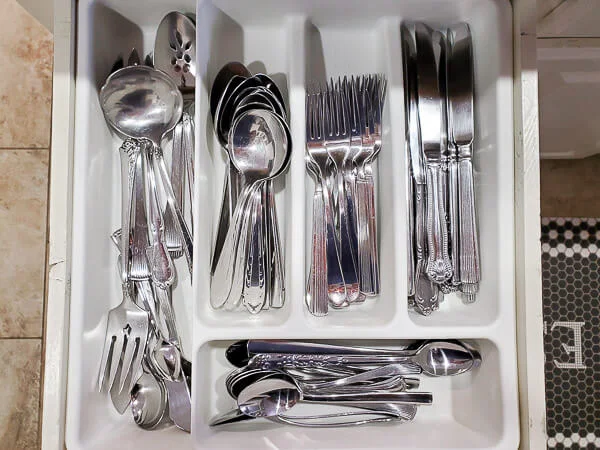
- Keep utensils dry and separated to prevent scratching.
- Avoid overcrowding drawers, which causes rubbing and dulls the finish.
- Store knives in a block or on a magnetic strip.
Handle With Clean, Dry Hands
Moisture and oils from hands can leave marks. Dry utensils before putting them away.
Don’t Mix With Other Metals
Contact with aluminum, silver, or copper can cause chemical reactions and stains.
Use The Right Utensil For The Job
Don’t use stainless steel utensils for highly acidic or salty foods for long periods. This can damage the surface.
Myths About Cleaning Stainless Steel Kitchen Utensils
Many people believe myths that can actually shorten the life of their kitchen tools.
- Stainless steel never rusts: It is rust-resistant, not rust-proof. Scratches or long exposure to salt can cause rust.
- Dishwashers are always safe: Repeated dishwashing can dull and stain utensils over time.
- Any cleaner is fine: Many strong cleaners will damage the protective layer.
- Air-drying is best: In most cases, hand-drying is safer and prevents spots.
Common Mistakes To Avoid
Learning from others’ mistakes can save you time and money.
- Scrubbing too hard: This causes scratches and removes the shine.
- Using the wrong cleaners: Bleach and strong chemicals lead to pitting and stains.
- Ignoring stains: The longer stains sit, the harder they are to remove.
- Not drying right away: This leads to water spots and rust.

Credit: www.diybeautify.com
Environmental Considerations
Choosing eco-friendly cleaning methods is good for your kitchen and the planet.
- Baking soda and vinegar are safe, natural, and biodegradable.
- Avoid disposable wipes or chemical sprays when possible.
- Use reusable cloths and sponges.
- Don’t pour harsh chemicals down the drain.
This not only protects your utensils but also keeps your home healthier.
When To Replace Stainless Steel Utensils
Even the best utensils wear out over time. Look for these signs:
- Deep scratches or cracks that trap bacteria.
- Loose handles or joints.
- Rust that won’t come off after cleaning.
- Bent or warped shapes that affect use.
Replacing old utensils keeps your kitchen safe and efficient.
Professional Cleaning And Restoration
If your utensils are very expensive or have sentimental value, professional cleaning might be worth it. Some kitchenware shops offer restoration services that can remove deep stains, polish surfaces, and even repair minor damage. This is usually not needed for everyday utensils but can be helpful for special items.
For more information on stainless steel properties and care, you can read this Stainless Steel Overview.
Frequently Asked Questions
How Often Should I Deep Clean My Stainless Steel Kitchen Utensils?
Deep cleaning is recommended every 2–4 weeks, depending on how often you use the utensils. If you notice dullness, stains, or spots, consider deep cleaning sooner. Regular deep cleaning keeps utensils looking new and prevents buildup.
Can I Put Stainless Steel Utensils In The Dishwasher?
Most stainless steel utensils are labeled dishwasher safe, but frequent dishwashing can cause dullness, spots, and even rust over time. For best results, hand wash and dry utensils, especially knives and items with handles or special finishes.
What Should I Do If My Utensils Develop Rust Spots?
Make a paste of baking soda and water, apply it to the rust, and let it sit for 30 minutes. Rub gently with a soft cloth, rinse, and dry. If rust remains, repeat the process. Avoid using steel wool, as it can make the problem worse.
Is It Safe To Use Vinegar Or Lemon Juice For Cleaning?
Yes, vinegar and lemon juice are both safe and effective for removing water spots, stains, and discoloration from stainless steel utensils. Always rinse and dry thoroughly after using acidic cleaners to protect the surface.
How Can I Restore The Shine To Dull Stainless Steel Utensils?
After cleaning, apply a few drops of olive oil or mineral oil to a soft cloth and rub the utensil gently. Buff with a dry cloth to restore shine. You can also use white vinegar for extra brightness. Avoid abrasive polishes that can scratch the surface.
Caring for stainless steel kitchen utensils doesn’t have to be difficult or time-consuming. With the right methods, you can keep them spotless, shiny, and safe for many years. By using gentle, effective cleaners and avoiding common mistakes, you’ll protect your investment and enjoy your kitchen tools every day.
Credit: www.diybeautify.com