
Granite stone cookware is becoming more popular in kitchens around the world. People love it for its durability, nonstick properties, and its ability to cook food evenly. But to make sure your granite cookware lasts for years, it’s important to know how to clean it the right way. Many beginners damage their pans by using the wrong cleaners or scrubbing too hard. Some believe granite stone cookware is indestructible, but even these tough pans need gentle care.
This guide will teach you everything you need to know about cleaning granite stone cookware. Whether you use your pan every day or just for special meals, you’ll learn simple, practical steps to keep it looking and working like new.
Along the way, you’ll discover tips that most people miss, common mistakes to avoid, and answers to questions you may not even know you had.
What Is Granite Stone Cookware?
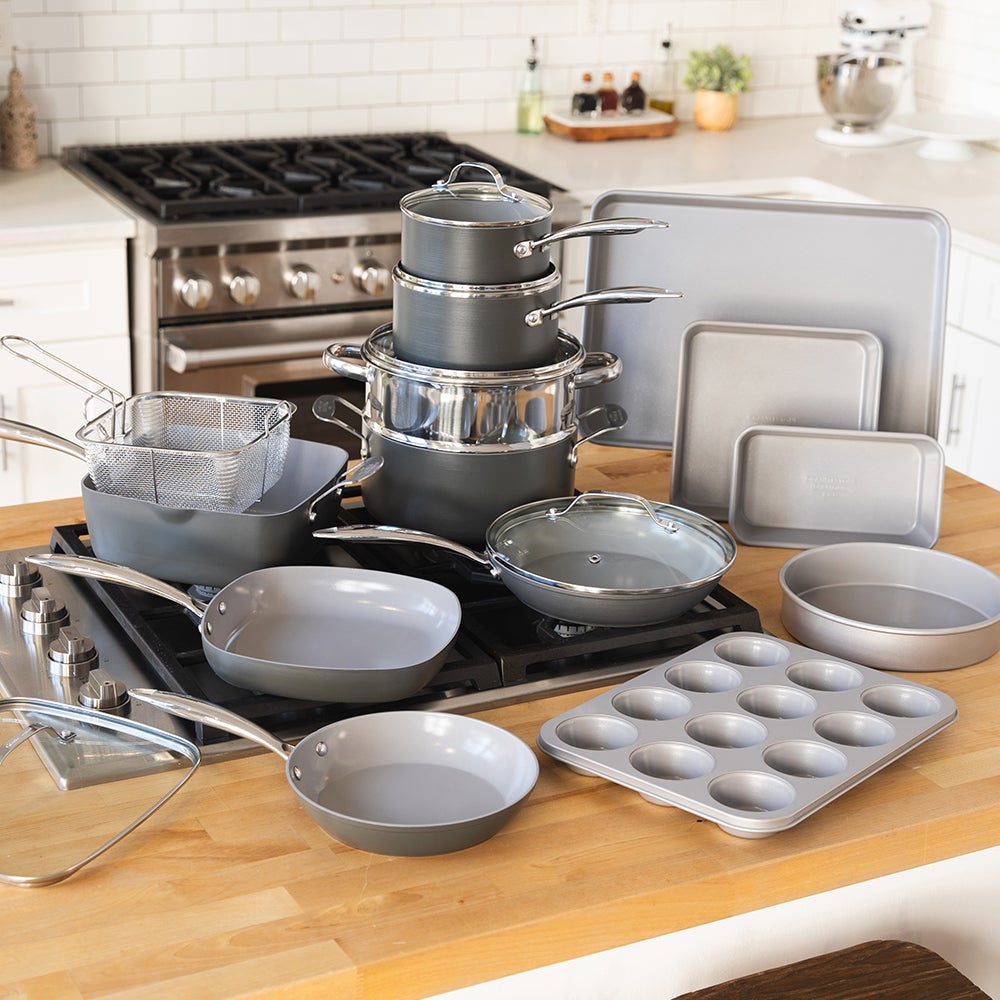
Granite stone cookware is a type of nonstick cookware that looks like granite rock. However, it’s not made entirely from granite. Most granite stone pans are made from a core material like aluminum or steel, covered with a nonstick coating that has granite particles or a granite-like finish. This makes the cookware strong, resistant to scratches, and easy to clean.
People often choose granite stone cookware because it:
- Heats up quickly and evenly
- Needs less oil for cooking
- Is less likely to stick than traditional pans
- Looks stylish in any kitchen
But, even though it’s tough, the nonstick surface can wear out if you don’t clean it the right way.
Why Proper Cleaning Matters
Keeping your granite stone cookware clean isn’t just about making it look good. Proper cleaning helps:
- Protect the nonstick surface from scratches and peeling
- Prevent food from sticking or burning in the future
- Avoid health risks from leftover food or bacteria
- Keep your cookware working well for many years
Some people think granite stone pans are “set and forget. ” But small cleaning mistakes—like using steel wool or strong chemicals—can ruin the nonstick layer. Once this happens, food sticks, and your pan will never cook the same way again.
Tools And Materials You Need
Before you start cleaning, make sure you have the right tools. Using the wrong items can easily damage the pan. Here’s what you’ll need:
- Soft sponge or dishcloth (never abrasive pads)
- Mild dish soap
- Warm water
- Plastic or silicone spatula (for stuck-on food)
- Baking soda (for deep cleaning)
- White vinegar (optional, for tough stains)
- Soft towel or air-drying rack
Avoid using steel wool, metal brushes, or harsh detergents. These can scratch or strip the nonstick coating.
How To Clean Granite Stone Cookware: Step-by-step
Now let’s walk through the process, from everyday cleaning to dealing with burnt-on messes. Follow these steps for best results.
1. Let The Pan Cool
Never put a hot granite stone pan straight under cold water. This can cause thermal shock, which may warp the pan or damage the coating. Let the pan cool down naturally for about 10-15 minutes before you start cleaning.
2. Remove Excess Food
Use a plastic or silicone spatula to gently scrape off any leftover food. Do not use metal utensils, as they can easily scratch the surface.
3. Wash With Warm Soapy Water
Fill your sink or a large bowl with warm water. Add a few drops of mild dish soap. Dip your soft sponge or cloth into the soapy water and gently wipe the pan inside and out.
- Don’t scrub too hard. The nonstick layer only needs a gentle touch.
- Pay extra attention to the rim and handle, where grease can build up.
4. Rinse And Dry
Rinse the pan with clean, warm water to remove any soap. Use a soft towel to dry it completely, or place it on a rack to air dry. Leaving water on the surface can lead to water spots or even rust if the pan has metal parts.
5. Removing Stubborn Stains Or Burnt Food
Sometimes, food gets stuck or burns onto the pan. Never scrape with metal tools or use harsh chemicals. Here’s a safe way to clean tough spots:
- Sprinkle a small amount of baking soda on the affected area.
- Add a little warm water to make a paste.
- Let it sit for 10-15 minutes. Baking soda helps loosen burnt food.
- Gently scrub with your soft sponge.
- Rinse thoroughly and dry.
If stains remain, you can add a splash of white vinegar before scrubbing. The vinegar reacts with baking soda to lift off stubborn stains.
6. Deep Cleaning (once A Month)
Even if you clean your pan after every use, oils and food particles can build up over time. Deep cleaning helps restore the nonstick surface.
- Fill the pan with warm water and a few drops of dish soap.
- Simmer on low heat for 5-10 minutes.
- Let the pan cool, then pour out the water.
- Wipe the inside with your sponge, focusing on any sticky spots.
- Rinse and dry as usual.
Deep cleaning keeps your pan working like new and removes any hidden residue.

Credit: www.amazon.com
Tips For Maintaining Granite Stone Cookware
Taking care of your cookware goes beyond cleaning. Here are proven tips to make your pans last longer and perform better.
Seasoning The Pan
Some granite stone pans benefit from occasional seasoning, even if they’re nonstick. Seasoning means adding a thin layer of oil to protect the surface.
- Rub a teaspoon of vegetable oil onto the clean, dry surface.
- Heat the pan on low for 2-3 minutes.
- Let it cool, then wipe off any excess oil.
Seasoning helps fill tiny scratches and keeps the nonstick layer smooth. Do this once a month or after deep cleaning.
Avoid High Heat
Granite stone cookware works well at medium or low heat. Using very high heat can damage the nonstick layer and cause food to stick.
- Preheat the pan slowly.
- Don’t use the “high” setting unless the recipe asks for it.
Use The Right Utensils
Always use wooden, plastic, or silicone utensils. Metal spoons and forks can scratch the surface, which makes cleaning harder and reduces the life of your pan.
Store Carefully
Stacking pans can lead to scratches. If you have to stack, place a soft cloth or paper towel between pans. Hanging your pans is even better.
Don’t Use Cooking Sprays
Many cooking sprays contain chemicals that build up on the surface and are hard to clean. Use a small amount of oil or butter instead.
Regular Inspection
Check your cookware every few weeks for signs of wear, such as:
- Peeling or flaking nonstick coating
- Deep scratches
- Warped base
If you notice these problems, it may be time to replace the pan. Using damaged nonstick pans can affect your food and health.
Common Mistakes To Avoid
Many people make the same cleaning mistakes with granite stone cookware. Here are the top errors and how to avoid them.
Using Steel Wool Or Metal Scrubbers
These tools are too harsh for the nonstick layer. Even one cleaning can leave scratches that ruin the coating.
Putting The Pan In The Dishwasher
Some brands say their pans are dishwasher safe, but repeated dishwasher cleaning can still wear out the nonstick layer faster. Hand washing is always safer.
Cleaning While Hot
Pouring cold water onto a hot pan can cause the surface to crack or warp. Always let the pan cool first.
Using Harsh Chemicals
Strong cleaners, bleach, or oven cleaners can eat away at the nonstick coating. Stick to mild dish soap.
Storing Food In The Pan
Leaving cooked food in the pan for hours can stain or damage the surface. Transfer leftovers to a storage container before cleaning the pan.
Credit: granitestone.com
How Granite Stone Compares To Other Cookware
Understanding how granite stone cookware compares with other common materials can help you see why cleaning it properly is so important. Below is a comparison of granite stone with popular options like cast iron, stainless steel, and ceramic.
| Cookware Type | Nonstick | Cleaning Difficulty | Durability |
|---|---|---|---|
| Granite Stone | Yes | Easy | High (if cared for) |
| Cast Iron | No (unless seasoned) | Medium | Very High |
| Stainless Steel | No | Hard (food can stick) | Very High |
| Ceramic | Yes | Easy | Medium |
As you can see, granite stone cookware is easier to clean than most other types, but only if you use the right method. Otherwise, the nonstick layer can be damaged, making it harder to clean than even stainless steel.
Dealing With Special Cleaning Situations
Sometimes, you’ll face unusual cleaning problems. Here’s how to handle them safely.
Sticky Grease Buildup
Over time, oil and grease can leave a sticky layer on your pan. Mix equal parts baking soda and water to make a paste, spread it on the sticky areas, and let it sit for 15 minutes. Then, scrub gently and rinse well.
Discoloration
A light brown or rainbow color can appear if the pan gets too hot. Usually, this does not affect performance, but if you want to remove it, rub with a little white vinegar and rinse.
Mold Or Mildew
If you store your pans damp, mold can form. Wash with dish soap, rinse, and dry completely. For stubborn mold, fill the pan with a mixture of water and vinegar, let it soak for an hour, then wash and dry.
Removing Odors
Some foods leave strong smells behind. Fill the pan with water and add a few tablespoons of baking soda. Simmer for 10 minutes, then wash as usual.
The Science Behind Granite Stone Nonstick Surfaces
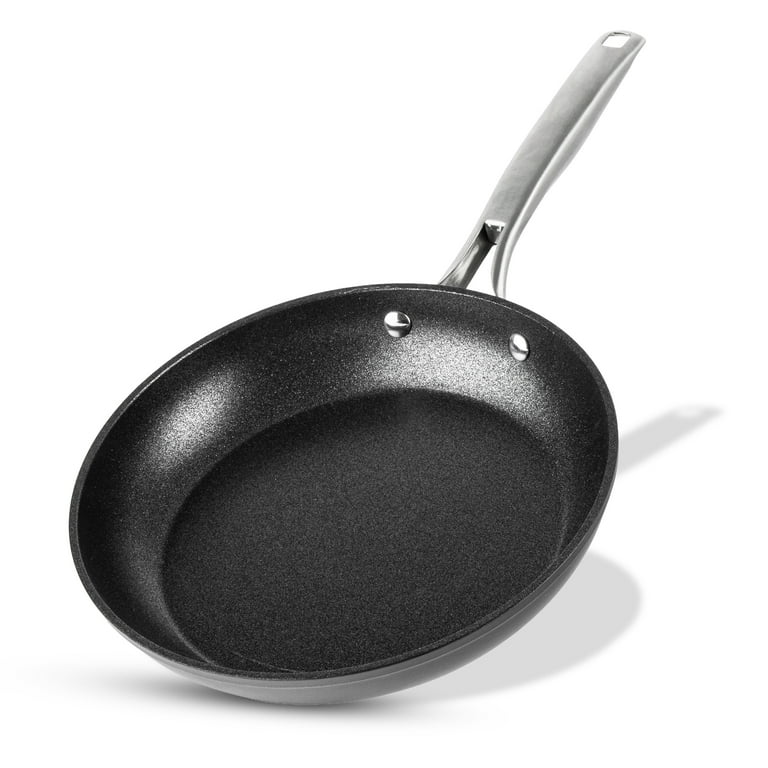
Understanding why granite stone cookware is nonstick can help you care for it better. The nonstick layer is usually made from a polymer-based coating (like PTFE), mixed with granite particles or a stone-like finish. This surface is very smooth, which is why food doesn’t stick easily.
However, this layer is thin and sensitive to scratches. If you use rough tools or chemicals, you can break the surface. Once broken, food starts to stick, and the pan is much harder to clean. That’s why gentle cleaning is so important.
How To Restore Granite Stone Cookware
If your pan starts sticking or looks dull, there’s still hope before you throw it out. Here are some ways to restore its surface:
Reseason The Pan
As mentioned before, seasoning can help. Add a thin layer of oil, heat gently, and let it cool. This fills in tiny scratches.
Remove Minor Scratches
For small scratches, clean the pan well and apply a little oil. Sometimes, this is enough to “heal” the nonstick surface.
For Major Damage
If the nonstick layer is peeling or you see metal, it’s time to replace the pan. Using a damaged nonstick pan can cause unhealthy chemicals to get into your food.
Granite Stone Cookware And Food Safety
Many people worry about chemicals from nonstick cookware. Granite stone pans are usually PFOA-free and lead-free, making them safer than older nonstick pans. But if the coating is damaged, it’s not safe to keep using the pan.
Always buy from trusted brands, and follow cleaning instructions. Cheap, fake granite cookware may use unsafe materials.
Eco-friendly Cleaning Tips
You can keep your granite stone cookware clean without harming the environment:
- Use baking soda and vinegar instead of harsh chemicals.
- Wash by hand to save water and energy.
- Use biodegradable dish soap.
- Recycle old pans properly instead of throwing them in the trash.
Credit: www.walmart.com
How Often Should You Clean Granite Stone Cookware?
For best results, clean your pan after every use. If you cook several meals in a row, wipe the pan between dishes. Deep clean once a month, and reseason if needed.
Skipping cleaning can lead to stains, buildup, and shorter pan life.
When To Replace Your Granite Stone Cookware
Even with perfect care, all cookware wears out eventually. Replace your pan if:
- The nonstick coating is peeling or flaking
- There are deep scratches
- The pan is warped or damaged
- Food always sticks, even after seasoning
Most granite stone pans last 3-5 years with regular use. High-quality brands can last even longer.
Real User Experiences And Mistakes
Many home cooks share similar stories. For example, one user bought a granite stone pan and washed it with a rough scouring pad. After a few months, the surface was scratched, and eggs began to stick. Another used metal utensils and noticed the coating peeling after a year.
But, many who follow the right cleaning steps say their pans last for years, and food never sticks. Some even pass their pans down to family members.
Granite Stone Cookware Cleaning: Quick Reference
Here’s a summary for quick review.
| Cleaning Task | Best Method | What to Avoid |
|---|---|---|
| Daily Cleaning | Warm water, mild soap, soft sponge | Metal scrubbers, harsh chemicals |
| Stubborn Stains | Baking soda paste, gentle scrubbing | Steel wool, sharp tools |
| Deep Cleaning | Soapy simmer, monthly | Dishwasher (if unsure) |
| Odor Removal | Baking soda simmer | Bleach |
Frequently Asked Questions
How Do I Know If My Granite Stone Cookware Is Truly Nonstick?
Most real granite stone cookware will say nonstick on the packaging or the bottom of the pan. You can also test by cooking an egg with no oil—if it slides easily, the pan is nonstick. Always buy from trusted brands to avoid fakes.
Can I Put Granite Stone Cookware In The Dishwasher?
Some brands say yes, but it’s safer to wash by hand. Dishwashers use high heat and strong detergents, which can wear out the nonstick layer over time. Hand washing keeps your pan in better shape.
Is It Safe To Use Metal Utensils On Granite Stone Cookware?
No. Metal utensils can scratch and damage the nonstick surface. Always use wood, plastic, or silicone tools. Even small scratches can make food stick and shorten the life of your pan.
How Often Should I Season My Granite Stone Cookware?
If your pan’s instructions recommend seasoning, do it once a month or after deep cleaning. Seasoning fills tiny scratches and keeps the surface smooth. If your pan says “no seasoning needed,” you can skip this step.
What Should I Do If The Nonstick Coating Starts To Peel?
Stop using the pan. Peeling coating can mix with your food and is unsafe to eat. It’s time to replace the pan. For more on cookware safety, check the Wikipedia cookware guide.
Keeping your granite stone cookware clean and well-maintained is simple with the right approach. By following these steps, you’ll enjoy delicious meals and a pan that lasts for years. Remember, gentle cleaning and smart care make all the difference.