
When you invest in a Wolf coffee maker, you expect every cup to be rich, smooth, and satisfying. But even the best coffee machines can lose their magic if not cleaned regularly. Coffee oils, mineral deposits, and leftover grounds can build up, affecting both taste and machine performance. Whether you own a Wolf built-in coffee system or a Wolf drip coffee maker, understanding the right cleaning steps is key to great coffee and a long-lasting machine.
This guide gives you everything you need to know about how to clean a Wolf coffee maker. You’ll learn the best cleaning frequency, detailed instructions for every part, and practical tips most manuals don’t tell you. If you want to keep your Wolf machine in top shape—and your coffee tasting like it should—this article has you covered.
Why Cleaning Your Wolf Coffee Maker Matters
A clean machine makes a difference you can taste. Fresh coffee should never have a sour or bitter aftertaste. Over time, oils from coffee beans and minerals from water can create buildup that blocks water flow, ruins flavor, and even causes machine breakdowns. This is especially important for Wolf coffee systems, which are designed for precision and performance.
Neglecting cleaning can lead to:
- Clogged water lines and poor brewing
- Unpleasant odors from old coffee residue
- Shorter machine lifespan
- Inconsistent coffee strength
Regular cleaning keeps your coffee pure and your machine reliable. It also protects your investment, since repairs for high-end appliances like Wolf can be costly.
Types Of Wolf Coffee Makers And What’s Different
Wolf offers a range of coffee makers, from built-in coffee systems to classic drip coffee makers. Each model has unique cleaning needs.
| Wolf Model | Type | Cleaning Focus |
|---|---|---|
| EC24/S | Built-in Coffee System | Automatic descaling, milk frother cleaning |
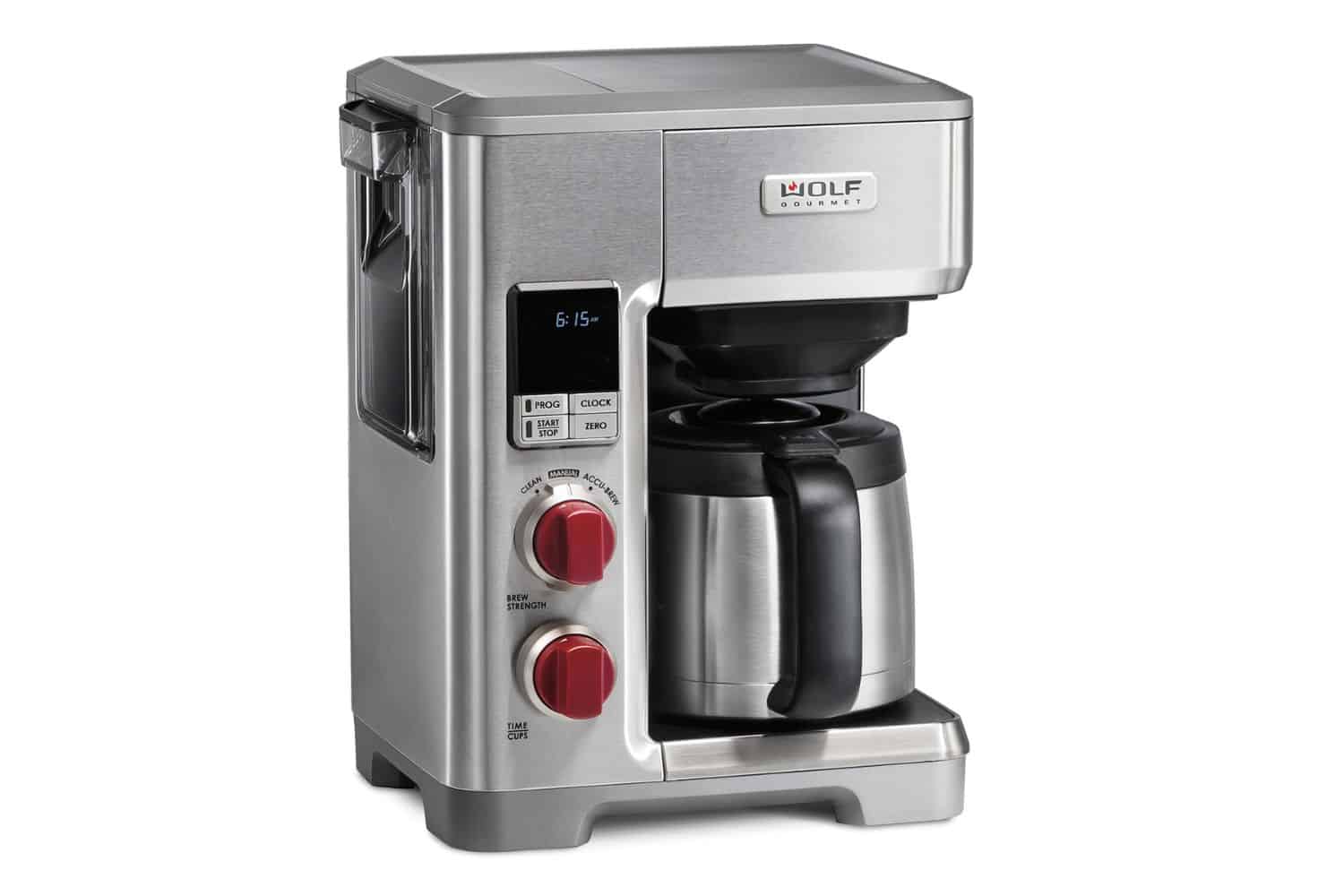
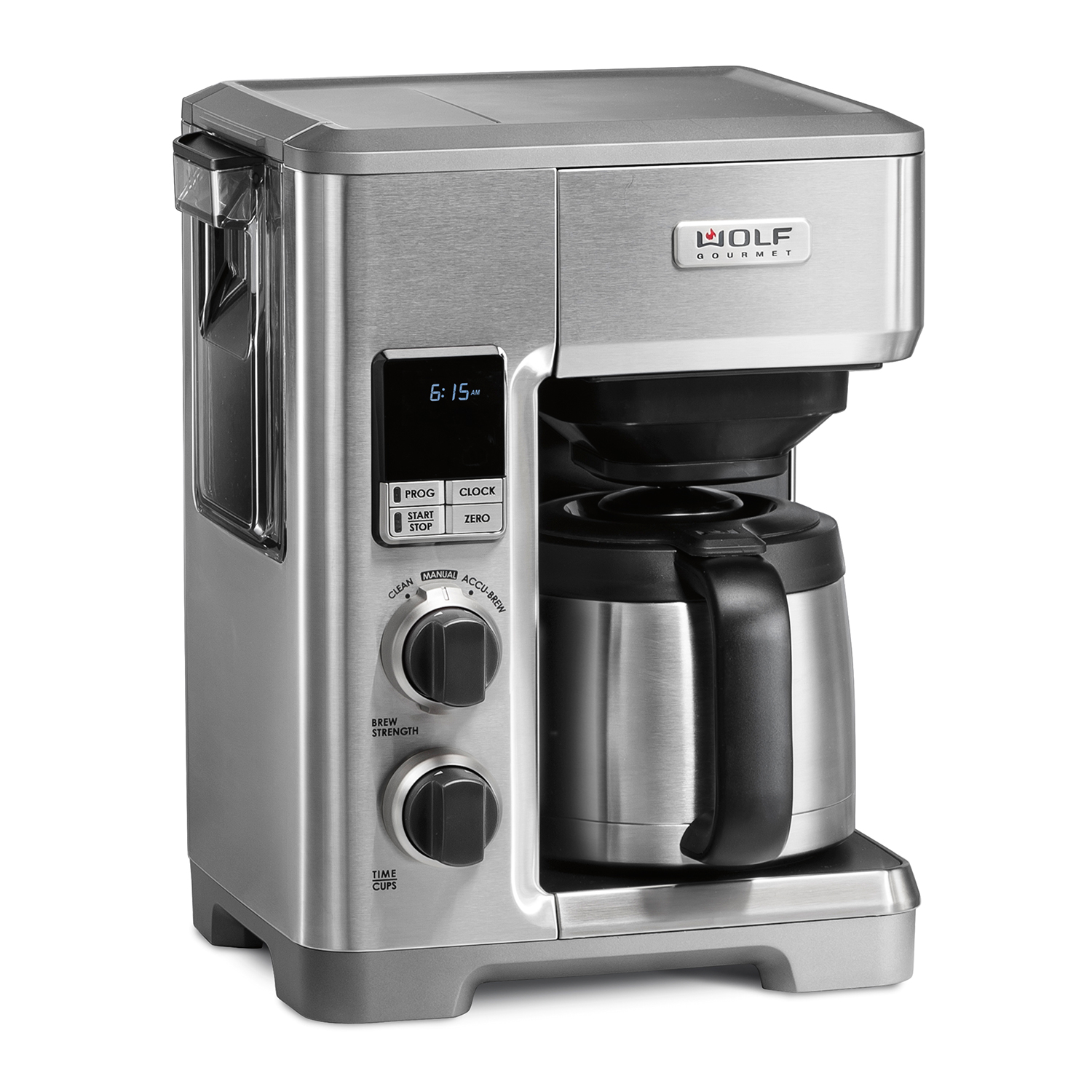
| Wolf Gourmet Coffee Maker | Drip Coffee Maker | Carafe and filter basket, water reservoir |
| Older models | Various | Manual parts cleaning |
Built-in systems often have complex internal parts, automatic milk frothers, and need regular descaling. Drip models focus on carafe, basket, and reservoir cleaning. Always check your specific model’s manual, but the core principles are the same.
What You Need To Clean A Wolf Coffee Maker
Before starting, gather your supplies. Using the right tools makes cleaning easier and safer for your machine.
- Soft cloths or microfiber towels
- Dish soap (unscented is best)
- White vinegar or official Wolf descaler
- Soft brush or old toothbrush
- Paper towels
- Filtered water
- Cleaning tablets (for some built-in models)
- Measuring cup
Never use bleach, harsh chemicals, or abrasive pads—these can damage the finish and internal components.
Daily Cleaning Steps For Wolf Coffee Makers
To keep your coffee fresh and your machine running smoothly, some tasks should be done every day, especially if you use milk or brew several times.
- Empty and rinse the carafe or cup tray. Don’t let old coffee sit—it stains and creates bad odors.
- Discard used coffee grounds. Remove and rinse the filter basket or grounds container.
- Wipe the exterior. Use a damp cloth to remove splashes or drips from the stainless steel.
- Clean the milk frother. If your Wolf model has a steam wand or milk system, run steam or a rinse cycle and wipe with a clean cloth.
These quick steps prevent buildup and save you time later.
Weekly Cleaning: Deeper Maintenance
Once a week, set aside time for a more thorough clean. This keeps small problems from becoming big ones.
Built-in Coffee Systems
- Remove and clean the brew unit. Most Wolf systems let you take out the internal brew group. Rinse under warm water and let it dry completely.
- Wash the drip tray and grounds container. Use mild soap and rinse well. Dry before reinserting.
- Clean the water reservoir. Empty, wash with soapy water, and rinse. This helps prevent mold.
- Milk system: Run the cleaning cycle with water or a special milk cleaner if you use this feature.
Drip Coffee Makers
- Wash the carafe and lid. Remove coffee oils with soap and a brush if needed.
- Clean the filter basket and holder. Rinse or wash with soapy water.
- Check the water reservoir. Wipe inside with a damp cloth.
Never skip drying parts before putting them back. Moisture can attract mold and cause machine errors.
Monthly Cleaning: Descaling And Deep Care
Over weeks, minerals from water build up inside your Wolf coffee maker. This can slow brewing, cause noise, or trigger warning lights. Descaling removes these deposits.
How To Descale A Wolf Coffee Maker
For Built-in Models
- Fill the water reservoir with a descaling solution (use Wolf’s official descaler or a mix of 1 part white vinegar to 1 part water).
- Start the descaling program. Most built-in systems have a menu option for this. Follow on-screen instructions.
- Rinse cycle. After descaling, flush the system with two full tanks of fresh water.
- Clean the brew unit and drip tray once done.
For Drip Coffee Makers
- Mix descaling solution (same as above) and fill the reservoir.
- Run a brew cycle without coffee. Let half the solution run through, then turn off and let sit 30 minutes.
- Finish the cycle. Then run two cycles with clean water to rinse.
Pro tip: If you live in a hard water area, descale every month. Softer water users can wait 2-3 months.
Cleaning The Milk Frother Or Steam Wand
Milk systems are often the most neglected part of any coffee machine. Milk residue can clog the system and breed bacteria. Wolf’s built-in units have both automatic and manual cleaning modes.
After Each Use
- Wipe the steam wand with a damp cloth right after frothing.
- Purge steam for 2-3 seconds to clear milk from inside.
Weekly
- Soak the tip in warm water and run steam to clear any dried milk.
- For automatic frothers, run the cleaning program with water or a milk system cleaner.
Don’t ignore this step—even a few hours can let milk proteins stick and harden.
Cleaning The Grinder (built-in Models Only)
If your Wolf has a built-in grinder, it also needs regular care. Coffee oils and fine grounds can clog the burrs.
- Turn off and unplug the machine.
- Remove the bean hopper (if possible) and empty it.
- Vacuum out loose grounds or use a small brush.
- Wipe the burrs gently with a dry brush—never use water here.
Insider tip: Never put oily or flavored beans in the grinder. They leave sticky residue that’s hard to remove.
Cleaning The Water Reservoir
Water tanks can develop slime or mold if not cleaned. Always use filtered water to slow this problem.
- Empty the tank each week and wash with mild soap and water.
- Rinse thoroughly to remove all soap.
- Leave open to air dry before refilling.
If you see slime or a smell, soak the tank with a mix of water and vinegar for 30 minutes, then scrub and rinse.
Cleaning The Drip Tray And Grounds Container
These parts catch spills and used grounds, and need frequent attention.
- Remove and empty daily.
- Wash with soap and water weekly.
- Dry completely before putting back.
Watch for overflow—if you see water under the machine, the tray might be full.
Cleaning Exterior And Touchscreen
Wolf coffee makers are known for their stainless steel finish and sleek designs. Keeping them looking new is simple.
- Wipe the exterior with a damp microfiber cloth. Dry with a second towel to prevent streaks.
- Never use abrasive pads—they scratch and dull the finish.
- For touchscreens, use a soft, barely damp cloth. Avoid sprays or strong cleaners.
Fingerprints and coffee splashes are easier to remove if you clean them quickly.
How To Reset Cleaning Alerts And Maintenance Lights
Wolf built-in coffee systems often display reminders for cleaning and descaling. When you finish, you’ll need to reset these alerts.
- Check the manual for your model—usually, you press and hold a specific button after cleaning.
- If the alert stays on, double-check that you completed all steps (especially rinsing).
Ignoring alerts can cause the machine to stop working until you clean it.
Credit: www.coffeeness.de
Common Cleaning Mistakes And How To Avoid Them
Many owners unknowingly make mistakes that can damage their Wolf coffee maker or leave it less than clean. Here’s what to watch for:
- Using harsh chemicals or bleach: This can ruin seals and internal parts. Stick to mild soap, vinegar, or official descalers.
- Forgetting to rinse after descaling: Residual cleaner can affect taste and health.
- Not drying parts fully before reassembly: Moisture encourages mold and can cause electrical problems.
- Ignoring the milk system: Dried milk is hard to remove and can block the frother.
- Using oily or flavored beans in the grinder: These cause sticky buildup.
Insider tip: Take photos before removing unfamiliar parts. This makes reassembly easier.
How Often Should You Clean Each Part?
Consistency is more important than perfection. Here’s a practical schedule:
| Part | Cleaning Frequency | Key Reason |
|---|---|---|
| Carafe/Drip Tray | Daily | Prevents stains, odors |
| Filter Basket/Grounds Container | Daily | Stops mold growth |
| Brew Unit | Weekly | Prevents clogging |
| Milk Frother | After each use | Food safety |
| Water Reservoir | Weekly | Stops bacteria, slime |
| Descale | Monthly (hard water) / 2-3 months (soft water) | Removes mineral deposits |
| Exterior | Weekly | Keeps appearance |
Setting phone reminders or marking a calendar can help you stay on track.
Credit: wolfgourmet.com
Signs Your Wolf Coffee Maker Needs Cleaning
Sometimes, your machine tells you it needs attention—even if you forget the schedule. Look for:
- Coffee tastes bitter or weak
- Brewing takes longer than usual
- Unusual noises during brewing
- Visible stains or residue
- Warning lights or error codes
Don’t ignore these signals. Regular cleaning usually solves these problems before you need a costly repair.
How To Store And Maintain Your Wolf Coffee Maker
If you won’t use your Wolf machine for several days, give it a quick clean first:
- Empty and clean all removable parts
- Dry everything thoroughly
- Leave the water reservoir open to prevent odor
- Store in a dry, cool place (if portable)
For built-in systems, run a rinse cycle before your next use.

Credit: www.subzero-wolf.com
Troubleshooting Cleaning Problems
Even with the best care, you may run into issues. Here’s how to handle common cleaning problems:
- Descaling light won’t turn off: Make sure you ran enough rinse cycles. Consult your manual for a reset.
- Bad smell from the machine: Clean the reservoir, drip tray, and run a vinegar cycle.
- Milk frother clogged: Soak the parts in warm water and use a cleaning solution if needed.
- Water leaking: Check that the drip tray is not full and all parts are seated properly.
If issues persist, contact Wolf customer support. They have detailed guides and can walk you through advanced troubleshooting.
Practical Tips Most Owners Miss
Beyond the basics, these tips keep your Wolf coffee maker running like new:
- Use filtered water whenever possible. This reduces mineral buildup and improves taste.
- Don’t let coffee sit in the carafe for hours. Oils become rancid and stain glass.
- Clean after guests or heavy use. More coffee means faster buildup.
- Keep the manual handy. Each model may have special care instructions.
- Check for software updates if your machine has Wi-Fi or smart features.
These small habits can add years to your machine’s life.
When To Call For Professional Service
Most cleaning can be done at home, but some situations need expert help:
- Repeated error codes after cleaning
- Strange noises that don’t stop
- Visible leaks from inside the machine
- Major performance drops
For high-end appliances like Wolf, it’s worth getting service from an authorized technician. DIY repairs can void your warranty.
You can find official service information at the Wolf official website.
Frequently Asked Questions
How Often Should I Descale My Wolf Coffee Maker?
It depends on your water. If you have hard water, descale every month. For soft water, every 2-3 months is enough. Watch for warning lights on built-in models—they remind you when it’s time.
Can I Use Vinegar Instead Of Wolf’s Descaler?
Yes, for most models, a mix of equal parts white vinegar and water works. However, vinegar may leave an odor if not rinsed well. Wolf’s official descaler is designed to be odor-free and safe for all components.
Why Does My Coffee Taste Bitter Even After Cleaning?
Bitter coffee can come from old or oily residue left in the brew unit or carafe. Make sure you clean all removable parts, rinse thoroughly after descaling, and use fresh, high-quality beans.
How Do I Clean The Milk Frother If It’s Clogged?
Soak the frother or steam wand in warm water for 20-30 minutes. Use a soft brush to remove dried milk. Some models have a special cleaning cycle for the milk system—run this with water or a milk cleaner.
Is It Safe To Put Wolf Coffee Maker Parts In The Dishwasher?
Most removable plastic parts like the drip tray or grounds container are top-rack dishwasher safe. However, always check your model’s manual. Never put metal, electronic, or grinder parts in the dishwasher.
—
A Wolf coffee maker is an investment in great coffee and kitchen style. Keeping it clean is the best way to enjoy every cup and avoid costly repairs. With regular care, attention to detail, and these practical tips, your Wolf machine will serve you for many years—and every brew will taste just as it should.