
Cleaning your espresso filter is not just a routine task—it’s the difference between a perfect shot and a bitter disappointment. Many people love the rich, bold taste of espresso, but few realize that a dirty filter can destroy flavor, damage your machine, and even cause it to fail.
If you want your espresso to taste fresh every time, you must clean your espresso filter correctly and regularly. This guide will show you everything you need to know, from basic cleaning to deep maintenance, with real examples, expert tips, and a few things most beginners miss.
Why Cleaning Your Espresso Filter Matters
Every time you make espresso, fine coffee oils and particles get trapped in the filter. Over time, this buildup creates several problems. First, it blocks the tiny filter holes, making water flow uneven. This can cause over-extraction or under-extraction, leading to bitter or weak coffee. Second, old coffee oils go rancid, giving your espresso a stale, unpleasant taste. Third, a blocked filter strains your machine’s pump, leading to expensive repairs.
Many new espresso lovers clean the visible parts but forget the filter. Even if the filter looks clean, it can still hide oils and micro-particles. That’s why a proper cleaning routine is essential for both flavor and machine health.
Understanding The Espresso Filter
Before cleaning, it helps to understand what you’re working with. The espresso filter is a small metal basket, usually stainless steel, placed inside the portafilter. It has tiny holes that allow pressurized water to pass through the coffee grounds, extracting flavor into your cup.
There are two main types:
- Single-wall filters: Used for fresh, finely ground coffee. They let water flow directly through.
- Double-wall (pressurized) filters: Used for pre-ground coffee or beginners. They create more pressure for better crema but can be trickier to clean.
Some machines also have a shower screen above the filter, which distributes water evenly. Both the filter and the shower screen need cleaning to keep your espresso tasting great.
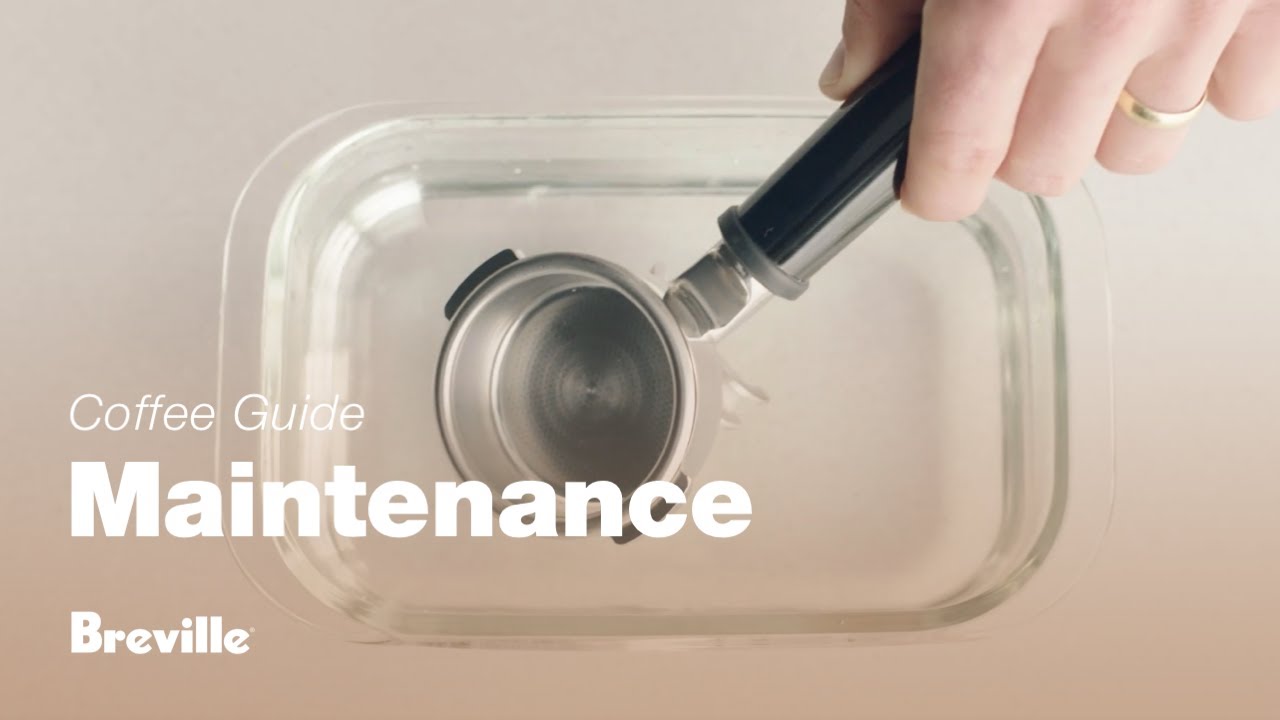
Credit: www.youtube.com
Daily Cleaning Routine
A simple daily cleaning habit will prevent most problems. Here’s how to keep your espresso filter in good shape with minimal effort.
- Rinse after every use: As soon as you finish brewing, knock out the used coffee puck and rinse the filter under hot water. Use a small brush to remove any stuck grounds.
- Check for blockages: Hold the filter up to the light. If you can’t see through every hole, it’s time for a deeper clean.
- Wipe the portafilter and basket: Use a clean cloth to wipe away oils from both parts.
- Flush the group head: Run water through your machine without coffee, cleaning the shower screen and internal parts.
Doing this every day takes just a minute but prevents buildup.
Weekly Deep Cleaning
Even with daily rinsing, oils and micro-grounds will accumulate. A weekly deep clean keeps your filter and machine in top shape.
What You’ll Need
- Espresso machine cleaning detergent or tablets (like Cafiza or Puly Caff)
- Small brush (nylon or brass)
- Pin or needle (for stubborn blockages)
- Clean cloth
- Large bowl or cup
Step-by-step Instructions
- Remove the filter basket: Take it out of the portafilter.
- Soak in detergent solution: Fill a bowl with hot water and add a cleaning detergent as directed. Soak the filter and portafilter for 15–30 minutes.
- Scrub the basket: Use a brush to clean both inside and outside, paying special attention to the holes.
- Clear blocked holes: If any holes are blocked, use a pin to gently poke them clean. Be careful not to enlarge the holes.
- Rinse thoroughly: Wash away all detergent under running water.
- Dry completely: Let the filter air-dry before using it again.
Cleaning The Shower Screen
- Remove the screen (if possible): Most machines let you unscrew the shower screen. Check your manual.
- Soak and scrub: Use the same detergent solution and brush.
- Rinse and reinstall: Make sure it’s completely dry before putting it back.
Backflushing (for Machines With 3-way Valves)
Some machines allow backflushing, which sends water and detergent backward through the system to clean inside. Use a blind filter (no holes) and follow your machine’s instructions. This step is vital for commercial and high-end home machines.
Monthly And Occasional Maintenance
Besides regular cleaning, some deeper tasks are needed less often but make a big difference.
Descale The Machine
Mineral deposits from hard water can build up in the filter and group head. Use a descaling solution every 1–3 months, especially if you see white chalky spots. Run the solution through the machine, then rinse with clean water several times.
Inspect For Wear
Check the filter basket and shower screen for dents, rust, or stretched holes. A damaged filter can ruin your espresso and should be replaced.
Deep Soaking
Every few months, soak all removable metal parts overnight in a solution of cleaning detergent and hot water. This removes stubborn oils you can’t see.
Tools And Products For Cleaning
Using the right tools makes cleaning easier and more effective. Here’s a quick comparison of popular cleaning aids:
| Tool/Product | Best For | How Often | Special Notes |
|---|---|---|---|
| Cleaning Detergent | Removing oils/coffee stains | Weekly/Monthly | Use espresso-specific brands |
| Brush (Nylon/Brass) | Scrubbing holes and surfaces | Daily/Weekly | Brass for tough stains, nylon for regular use |
| Needle/Pin | Unclogging holes | As needed | Be gentle to avoid damage |
| Ultrasonic Cleaner | Deep cleaning | Occasionally | Great for stubborn buildup |
Common Cleaning Mistakes (and How To Avoid Them)
Many people miss important steps when cleaning their espresso filter. Here are some common mistakes and how to avoid them:
- Using soap instead of espresso detergent: Regular dish soap can leave flavors and doesn’t break down oils as well as espresso-specific cleaners.
- Not rinsing enough: Detergent left behind can ruin the taste of your coffee. Always rinse all parts thoroughly.
- Skipping deep cleans: Rinsing alone isn’t enough. Make time for regular soaks and scrubs.
- Forgetting the shower screen: Oils collect here too. Clean or replace the screen regularly.
- Using abrasive tools: Steel wool or harsh pads can scratch your filter, making it trap more oils and grounds. Use nylon or soft brass brushes instead.
- Not drying parts completely: Moisture can cause rust or mold, especially in humid climates. Always air-dry all parts.
- Poking holes too aggressively: Forcing a pin through blocked holes can enlarge them, ruining the filter’s precision.
Special Tips For Different Filter Types
Single-wall Filters
These are easier to clean but need more frequent attention since they rely on unblocked holes for good extraction. Always check for clear light passage.
Double-wall (pressurized) Filters
These are more forgiving for beginners but harder to clean. They have a second wall inside with a smaller exit hole, where grounds and oils can build up out of sight. Use soaking and a fine pin to keep the pressure system clear.
Pod And Capsule Filters
Some machines use metal reusable pods. Clean these like a regular basket, but pay attention to the rubber seals and tiny holes.
Signs Your Espresso Filter Needs Cleaning
How do you know it’s time to clean your filter? Watch for these signs:
- Espresso tastes bitter or weak: Old oils or blockages are affecting extraction.
- Water flows too slowly or too fast: Blocked or stretched holes change water pressure.
- Crema looks thin or uneven: Dirty filters can’t create proper crema.
- Visible buildup or discoloration: Any brown or black stains need attention.
- Machine makes strange noises: A blocked filter strains the pump.
If you notice any of these, clean your filter before your next cup.
How To Clean Stubborn Or Neglected Filters
Sometimes, you inherit or forget a filter for too long, and regular cleaning isn’t enough. Here’s how to rescue a badly clogged or stained filter.
Boil And Soak
Boil water and soak the filter with a strong cleaning detergent. Let it sit overnight. This loosens most old oils and grounds.
Ultrasonic Cleaner
For extreme buildup, use an ultrasonic cleaner. These devices use high-frequency sound waves in water to blast away micro-particles. You can often find them in jewelry or lab supply stores.
Vinegar And Baking Soda (last Resort)
Mix a solution of equal parts white vinegar and hot water, soak the filter, then add a little baking soda. The fizz helps lift stubborn stains. Rinse very thoroughly afterward to remove all vinegar taste.
Replace If Needed
If your filter is rusted, dented, or still blocked after deep cleaning, it’s safer and easier to buy a new one.
Espresso Filter Maintenance Schedule
To make things simple, here’s a suggested schedule for keeping your espresso filter in perfect condition:
| Task | Frequency | Details |
|---|---|---|
| Rinse after use | Every shot | Remove grounds, quick brush, hot water rinse |
| Deep soak & scrub | Weekly | Detergent soak, brush, and pin clean as needed |
| Backflush (if possible) | Weekly | Use blind filter and cleaning detergent |
| Descale machine | 1–3 months | Use descaler to remove mineral buildup |
| Inspect & replace parts | 3–6 months | Check for damage or wear |
How Clean Filters Improve Espresso Quality
A clean filter does more than just protect your machine. It has a direct impact on the quality of your espresso. Here’s why:
- Better extraction: Water flows evenly through clean holes, extracting flavor evenly.
- Fresher taste: No old oils or stale particles to spoil your coffee.
- More crema: A clean filter helps create a thick, golden crema on top.
- Fewer repairs: Regular cleaning means less strain on the pump and seals.
- Consistent results: You can dial in your espresso recipe and get the same great taste every time.
Many professional baristas say that 80% of espresso problems come from poor cleaning. Cleanliness is a simple step, but it’s the foundation of great coffee.

Credit: www.thecoffeebrewers.com
Real-world Example: Cleaning A Filter After Heavy Use
Let’s say you’ve been making several espressos a day, and one morning you notice your shots taste off. You check your filter and see dark stains and some blocked holes. Here’s what you do:
- Remove the basket and soak it in hot water with espresso detergent for 30 minutes.
- Scrub with a nylon brush, focusing on the inside and outside.
- Hold up to the light—if holes are still blocked, gently use a pin.
- Rinse thoroughly and dry.
- Clean the shower screen and flush the group head.
- Pull a blank shot (just water, no coffee) to rinse away any leftover detergent.
- Make espresso again—taste should be restored.
This process saves your espresso and extends the life of your equipment.
Two Insights Most Beginners Miss
- Invisible buildup is the real enemy: Even when your filter looks clean, oils can build up inside the holes, especially in double-wall filters. Only soaking in espresso detergent removes these oils fully. Rinsing or brushing alone won’t do the job.
- Water quality affects cleaning needs: If your water is hard (full of minerals), you’ll get more limescale and need to clean and descale more often. Using filtered or softened water reduces both taste issues and cleaning frequency.
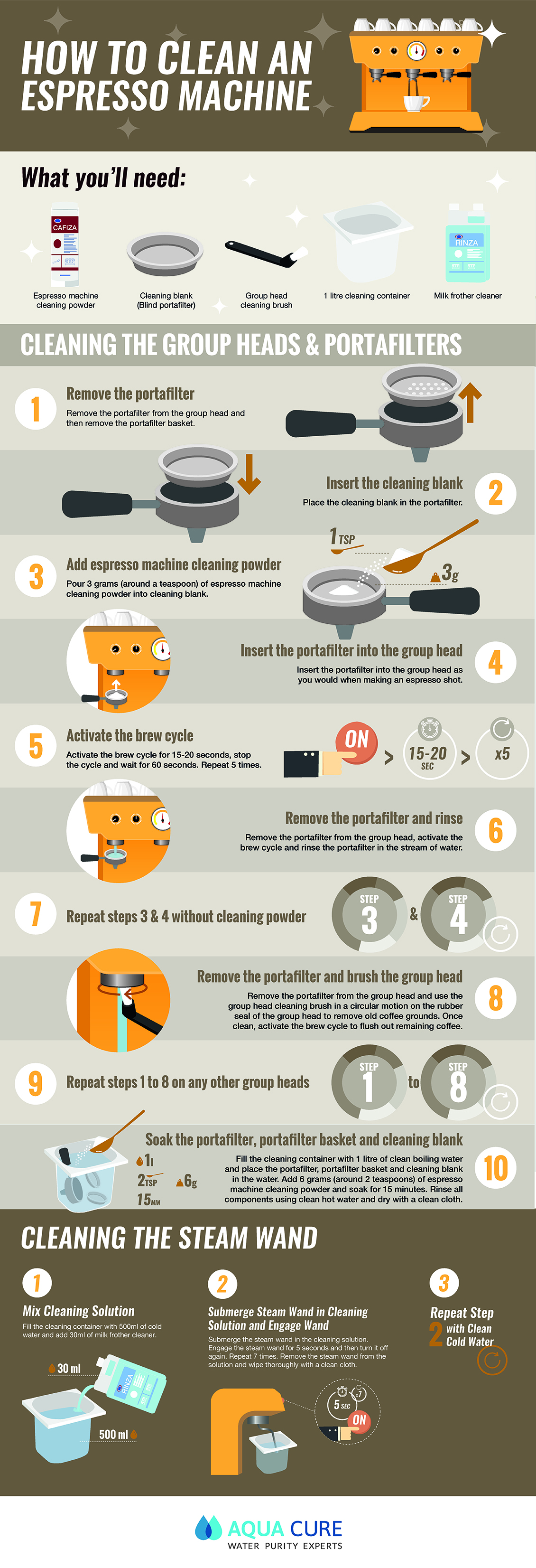
Credit: www.aquacure.co.uk
Practical Tips For Hassle-free Cleaning
- Keep cleaning supplies handy: Store a small brush and detergent tablets near your machine.
- Clean while the filter is still warm: Oils and grounds come off more easily right after brewing.
- Set a reminder: Put a recurring alert on your phone for weekly and monthly cleaning.
- Don’t mix cleaning tools: Have separate brushes/sponges for espresso and other kitchen use to avoid contamination.
- Replace filters every 1–2 years: Even stainless steel wears out with time. New baskets are inexpensive and can instantly improve espresso quality.
Frequently Asked Questions
How Often Should I Clean My Espresso Filter?
For best results, rinse and brush your filter after every use. Do a deep clean with detergent and a thorough scrub at least once a week. If you use your machine heavily or notice taste changes, clean more often.
Can I Use Dish Soap To Clean My Espresso Filter?
It’s better to use a cleaner made for espresso machines. Dish soap does not break down oils as well and may leave a taste behind. Espresso cleaning detergents are designed to remove coffee oils and rinse away completely.
What If My Filter Is Still Clogged After Cleaning?
Try soaking the filter overnight in a strong cleaning solution, then use a pin to gently clear the holes. If the filter is still blocked, it may be too damaged or clogged and should be replaced.
Is Backflushing Necessary For All Espresso Machines?
No, only machines with a 3-way solenoid valve can be backflushed. Check your machine’s manual. For most home machines, soaking and scrubbing the filter and shower screen is enough.
Where Can I Find More Information About Espresso Machine Maintenance?
You can find reliable information at the Home-Barista website. They offer expert guides, tips, and troubleshooting help for all espresso machine types.
Keeping your espresso filter clean is one of the simplest ways to improve your coffee and protect your investment. With the right habits, tools, and a little attention, you’ll enjoy delicious espresso every time—rich, fresh, and full of crema. Don’t let a dirty filter ruin your hard work.
Take a few minutes to clean, and your espresso will always be worth the effort.