
Cooking with ceramic pans can feel like discovering a new way to make your meals healthier and tastier. Ceramic cookware has gained popularity because it’s nonstick, good for your health, and easy to clean. But cooking with ceramic pans is not exactly the same as using traditional metal or Teflon pans.
To get the best results, you need to understand how ceramic works, how to treat it, and how to avoid common mistakes. If you want your ceramic pans to last and your food to taste great, you need to know more than just the basics.
This article will guide you through everything you need to know about cooking with ceramic pans. You’ll learn about their benefits, how to season and care for them, the best cooking techniques, and important safety tips. Whether you’re a beginner or have tried ceramic pans before, you’ll find practical advice and non-obvious insights that most guides miss.
What Makes Ceramic Pans Special?
Ceramic pans are not made entirely of ceramic. Most have a metal core (like aluminum or stainless steel) with a ceramic nonstick coating. This coating is made from natural minerals, which are applied and then baked at very high temperatures. The result is a slick, glass-like finish that food doesn’t stick to easily.
What sets ceramic pans apart is that they are PTFE- and PFOA-free. These are chemicals used in older nonstick coatings, and many people avoid them for health reasons. Ceramic pans also don’t react with acidic foods like tomatoes or vinegar, so you don’t have to worry about flavor changes or harmful substances leaching into your meal.
Ceramic pans are also loved for their even heat distribution. The coating helps food cook more evenly, reducing the risk of hot spots and burned spots. Plus, they look beautiful in the kitchen, often coming in bright colors and stylish designs.
Advantages Of Cooking With Ceramic Pans
Ceramic cookware offers several benefits that make it a popular choice for home cooks and professionals.
- Nonstick Surface: The smooth ceramic coating means you need less oil or butter to keep food from sticking. This makes your meals healthier and easier to cook.
- Chemical-Free Cooking: With no PTFE or PFOA, you avoid chemicals linked to health risks in some studies.
- Easy to Clean: Food rarely sticks to ceramic, so cleaning is usually quick. Most stains come off with a soft sponge and warm water.
- No Flavor Transfer: Ceramic doesn’t react with acidic or spicy foods, so your dishes keep their true taste.
- Even Heating: Ceramic pans heat up evenly, so you get consistent results every time.
- Attractive Look: Many ceramic pans come in bright colors and modern styles, making them a nice addition to your kitchen.
- Versatility: Ceramic pans are suitable for many types of cooking, from eggs to fish to pancakes.
- Oven Safe: Most ceramic pans can go from stovetop to oven, giving you more cooking options.
How To Season A Ceramic Pan
Many people think ceramic pans are always nonstick and don’t need seasoning. While it’s true they work well out of the box, seasoning can help extend the life of your pan and improve its nonstick qualities.
Here’s how to season a ceramic pan:
- Wash the pan with warm, soapy water to remove any factory oils or dust. Dry it completely.
- Pour one teaspoon of vegetable oil (like canola or sunflower) into the pan.
- Use a paper towel to rub the oil all over the cooking surface, covering it evenly.
- Heat the pan on low heat for about 2 minutes. Do not let the oil smoke.
- Remove the pan from heat and let it cool.
- Wipe away any extra oil with a clean paper towel.
Seasoning is not required after every use, but doing it once a month or after heavy cleaning keeps the surface slick. If you notice food starting to stick more than usual, it’s a sign you should season your pan.
Non-obvious tip: Some brands suggest skipping seasoning, but a light coat of oil can make a big difference, especially if you use dish soap often (which can strip oils from the surface).
Choosing The Right Utensils
Using the wrong utensils can scratch or wear down the ceramic coating. Always use wooden, silicone, or plastic utensils. Avoid metal spatulas, whisks, or forks. Even a single scrape with a metal knife can damage the surface, making food stick more and shortening the pan’s life.
Practical insight: Some people use metal by accident when cooking quickly. Keep your preferred ceramic pan utensils in a separate jar or drawer to avoid mistakes.

Credit: madeincookware.com
Best Cooking Techniques For Ceramic Pans
Ceramic pans work well for many cooking styles, but they shine in certain areas. Here are some common techniques and how to use your pan for the best results.
Sautéing
Sautéing is quick cooking at medium heat with a small amount of oil. Ceramic pans are perfect for this because the nonstick coating helps you use less fat. Heat the pan for about a minute before adding oil, then add your food.
Stir gently with a silicone or wood utensil.
Frying Eggs
Eggs are a classic nonstick test. For perfect eggs, heat the pan on low-medium for a minute, add a little oil or butter, then pour in the eggs. Let them set before flipping or stirring. Ceramic pans make it easy to slide eggs out with no sticking.
Pancakes And Crepes
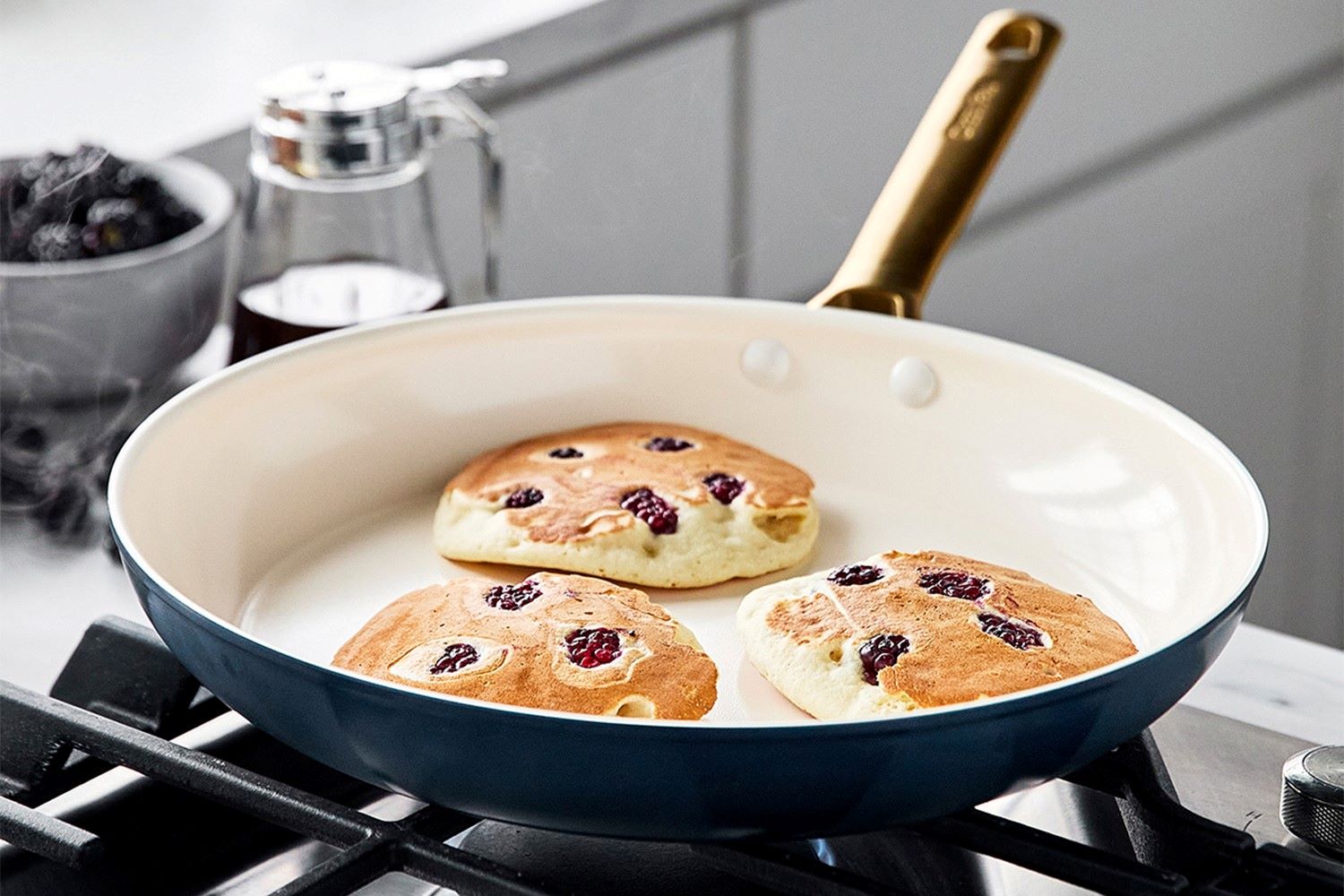
Ceramic pans produce evenly browned pancakes and crepes. Preheat the pan and lightly grease. Use a ladle to pour the batter and let the surface do the work—no need to pry pancakes loose.
Fish And Delicate Foods
Because ceramic is gentle and non-reactive, it’s great for fish, shrimp, and other delicate proteins. Preheat, add oil, and use a thin silicone spatula to turn food carefully.
Reheating Leftovers
Ceramic pans distribute heat evenly, so you can reheat rice, pasta, or stir-fry without burning. Use low heat to avoid drying out your food.
Less-known advice: Never use ceramic pans for high-heat searing or deep frying. The coating is not made for extreme temperatures and can break down, reducing nonstick ability.
Common Mistakes To Avoid
Cooking with ceramic pans is easy, but some mistakes can ruin your pan quickly.
- Overheating: Never use ceramic pans on high heat. Most work best at low to medium settings. High heat can damage the coating and cause discoloration.
- No Preheating When Empty: Don’t leave an empty ceramic pan on a hot burner. Always add oil or food before preheating.
- Metal Utensils: As mentioned before, avoid any metal tools.
- Stacking Without Protection: If you store pans by stacking, put a towel or pan protector between them. Direct contact can chip the coating.
- Using Cooking Spray: Aerosol sprays can leave a sticky film that’s hard to remove. Use a small amount of regular oil instead.
- Sudden Temperature Changes: Don’t move a hot pan directly into cold water. This “thermal shock” can crack the coating or warp the pan.
- Dishwasher Overuse: Even if the box says “dishwasher safe,” hand washing is gentler. Dishwashers use harsh detergents and hot water that can wear down the nonstick surface.
How To Clean Ceramic Pans
Keeping your ceramic pans clean is simple, but there are a few rules to follow for the best results.
- Let the pan cool before washing. Putting a hot pan in water can damage it.
- Use warm water, mild dish soap, and a soft sponge. Avoid steel wool or rough scrubbing pads.
- For tough stains, fill the pan with warm water and let it soak for 15-30 minutes. Most stuck food will loosen up.
- If stains remain, sprinkle a little baking soda on the surface and gently rub with a damp sponge.
- Rinse well and dry thoroughly with a towel.
Pro tip: If you notice a white or rainbow stain, it’s probably a mineral deposit from water. Wipe with a bit of vinegar and rinse to remove it.
Longevity: How To Make Ceramic Pans Last
Ceramic pans last between 1 and 5 years, depending on how you treat them. Here’s how to get the most value from your investment.
- Use low to medium heat only.
- Hand wash after each use.
- Store with a soft liner between pans.
- Avoid cooking sprays and harsh cleaners.
- Reseason once a month.
Non-obvious insight: Even the best ceramic pans lose their nonstick quality over time. If you notice food sticking more, try reseasoning before deciding to replace the pan.
Comparing Ceramic Pans With Other Types
It’s useful to see how ceramic pans stack up against other popular cookware. Here’s a simple comparison.
| Feature | Ceramic Pan | Teflon (PTFE) | Cast Iron | Stainless Steel |
|---|---|---|---|---|
| Nonstick | Yes | Yes | No (unless seasoned) | No |
| Chemical-Free | Yes | No | Yes | Yes |
| Heat Tolerance | Medium | Medium | High | High |
| Oven Safe | Often | Sometimes | Yes | Yes |
| Easy to Clean | Yes | Yes | No | No |
| Price | Medium | Low-Medium | Medium | Medium-High |
When To Use Ceramic Pans (and When Not To)
Ceramic pans are excellent for:
- Cooking eggs, pancakes, and crepes
- Sautéing vegetables and fish
- Reheating leftovers
- Cooking sticky foods with minimal oil
You should avoid using ceramic pans for:
- High-heat searing of steak or burgers
- Deep frying
- Recipes needing a hard crust (breaded cutlets, for example)
- Frequent oven-to-broiler transitions
Pro tip: If you need a pan for both delicate and high-heat cooking, keep one ceramic pan and one stainless steel or cast iron pan.
How To Store Ceramic Pans
Proper storage keeps the ceramic coating safe and extends the life of your pan.
- Store pans separately if possible.
- If you must stack, place a soft towel or pan protector between each pan.
- Hang pans by the handle if your kitchen space allows (just check the weight).
Extra advice: Avoid storing ceramic pans in very humid places, as long exposure to moisture can affect the handles or base.
Buying Guide: What To Look For In A Ceramic Pan
Choosing the right ceramic pan can be confusing. Here are the most important factors to consider:
- Coating Thickness: Thicker coatings usually last longer and resist scratching.
- Pan Material: The base metal (aluminum or stainless steel) affects heating. Aluminum heats quickly; stainless steel offers evenness but takes longer.
- Handle Design: Look for sturdy, heat-resistant handles. Some pans have silicone or metal handles—choose what feels comfortable and safe.
- Oven Safety: Not all ceramic pans can go in the oven. Check the temperature limit before buying.
- Size and Shape: Common sizes are 8, 10, and 12 inches. Think about what foods you cook most.
- Lid Quality: A tight-fitting lid helps with simmering and steaming.
- Weight: Lighter pans are easier to handle but may not heat as evenly. Heavier pans can be harder to lift, especially when full.
- Brand Reputation: Read customer reviews and look for brands that offer warranties.
Common mistake: Don’t buy the cheapest option. Low-cost ceramic pans often have thin coatings that wear out quickly.
Cost And Value: What To Expect
Ceramic pans vary in price, but most are in the mid-range compared to other cookware. Here’s a quick look at average costs.
| Pan Size | Entry-Level Price | Mid-Range Price | Premium Price |
|---|---|---|---|
| 8-inch | $15-$25 | $30-$40 | $50+ |
| 10-inch | $20-$30 | $40-$50 | $60+ |
| 12-inch | $25-$40 | $50-$65 | $75+ |
While you can find ceramic pans for under $20, investing in a mid-range option ($30-$60) is usually better for durability and performance.
Health And Safety With Ceramic Pans
One reason people choose ceramic pans is safety. They do not use PTFE or PFOA. Ceramic coatings are considered safe for cooking, even at higher temperatures. However, overheating any nonstick pan can create fumes, so always cook at the recommended heat levels.
Recent studies show that ceramic coatings do not release harmful chemicals when used correctly. For more details, see this research by the Wikipedia Ceramic Nonstick Cookware page.
Important note: If your ceramic pan is chipped, cracked, or the coating is peeling, stop using it. Pieces of the coating can mix with your food.
Troubleshooting: What To Do If Food Starts Sticking
Even the best pans lose their nonstick power over time. Here are steps to fix a sticky ceramic pan:
- Clean the pan thoroughly with warm water, soap, and a soft sponge.
- Make a paste with baking soda and water. Apply it to the sticky area and rub gently.
- Rinse and dry.
- Reseason the pan with oil as described earlier.
If this doesn’t help, the coating may be too worn and it’s time to replace the pan.
Eco-friendliness Of Ceramic Pans
Ceramic pans are often seen as more eco-friendly than traditional nonstick pans. The coating is made from natural minerals, not synthetic chemicals. Production uses less energy, and the pans are generally recyclable.
However, not all brands follow the same standards. Look for companies that mention eco-friendly manufacturing and packaging.
Tips From Pro Chefs
- Always preheat ceramic pans with a little oil before cooking.
- Use silicone spatulas for stirring and turning food.
- Let food “release” naturally—if it sticks, give it another minute.
- For best results, cook on medium or lower heat.
- Wipe the pan clean between batches if cooking many items.
Chef’s secret: Many professional kitchens use ceramic pans just for eggs, pancakes, or delicate fish—tasks where nonstick is essential.
Cleaning And Maintenance Schedule
If you want your pan to last, stick to a regular cleaning and maintenance schedule.
- After each use: Hand wash with mild soap, dry fully.
- Weekly: Check for stains or buildup. Use baking soda if needed.
- Monthly: Reseason the pan.
- As needed: Remove mineral deposits with vinegar.
:max_bytes(150000):strip_icc()/faw-ceramic-cookware-sets-june-24-test-our-place-home-cook-duo-2-piece-nsimpson-765-3e8ba4d166754e9d9ca0447291a885b9.jpeg)
Credit: www.foodandwine.com
How To Tell When It’s Time To Replace A Ceramic Pan
Even with good care, ceramic coatings wear out. Replace your pan if:
- Food sticks badly, even after reseasoning.
- The coating is chipped, cracked, or peeling.
- The base is warped or the handle is loose.
Most ceramic pans need replacing after 2-5 years of regular use.
Frequently Asked Questions
How Do I Prevent Food From Sticking To My Ceramic Pan?
Always preheat the pan with a little oil, even if it seems nonstick. Don’t cook on high heat, and avoid using sprays. If food still sticks, clean and reseason your pan.
Can Ceramic Pans Go In The Dishwasher?
Most brands say their pans are dishwasher safe, but hand washing is better. Dishwashers use strong detergents that can wear down the coating faster.
Are Ceramic Pans Safe For Induction Cooktops?
Not all ceramic pans work on induction. Check for a magnetic base—if a magnet sticks to the bottom, it’s induction-compatible.
How Long Does The Nonstick Coating Last On Ceramic Pans?
With good care, the nonstick coating can last 1-3 years for daily use, or longer if used less often. Always follow the manufacturer’s care instructions.
Is It Safe To Use A Ceramic Pan With Scratches?
Small scratches are usually okay, but if the coating is chipped or peeling, stop using the pan. Pieces of coating can mix with your food and ruin your meals.
Cooking with ceramic pans is easy once you know the basics and avoid common mistakes. With the right care, you’ll enjoy healthy, delicious meals and a pan that stays nonstick for years. If you’re ready to upgrade your kitchen, ceramic cookware is a smart choice that combines safety, style, and simplicity.
Credit: learn.surlatable.com