
Connecting a dishwasher water supply is a task many homeowners face, whether upgrading to a new machine or installing one for the first time. It can look complicated, with hoses, valves, and pipes, but with the right guidance, you can do it yourself.
Proper installation not only makes your dishwasher run smoothly but also prevents leaks and water damage in your kitchen. This article breaks down the process clearly, with practical steps, advice, and tips to help you connect your dishwasher water supply confidently—even if you have never done it before.
You will learn about the required tools, understanding your home’s plumbing, each step in the connection process, and how to avoid common mistakes. We will also look at safety, troubleshooting, and how to handle special situations, such as old plumbing or tight spaces.
By the end, you’ll know exactly what to do and why each step matters.
Understanding Dishwasher Water Supply Connections
Before you begin, it’s important to understand what the dishwasher water supply actually is and how it fits into your kitchen’s plumbing. Most dishwashers need a dedicated hot water line, typically connected under the kitchen sink. The machine uses this line to fill its tank and clean your dishes with hot water.
Key Components Of A Dishwasher Water Supply
- Water supply valve: Usually found under the sink, this valve controls water flow to the dishwasher.
- Supply hose or tube: A flexible tube, often braided stainless steel or reinforced plastic, that carries water from the valve to the dishwasher.
- Dishwasher inlet valve: The point on the dishwasher where the supply hose connects.
- Drain hose: Separate from the supply, but essential for removing used water.
- Shut-off valve: Sometimes installed just for the dishwasher, making maintenance easier.
Why Hot Water?
Dishwashers use hot water (typically 120°F/49°C) for effective cleaning. This means you must connect the supply to the hot water line, not cold, for best results.
Standard Connection Sizes
Most dishwasher water supply lines use a 3/8-inch compression fitting. Some older models or homes may differ, so always check your dishwasher’s manual and your plumbing.
Tools And Materials You Will Need
Having the right tools and materials before you start saves time and prevents frustration. Here’s what you need:
- Adjustable wrench or channel-lock pliers
- Teflon tape (plumber’s tape)
- Dishwasher installation kit (includes water supply line, fittings, sometimes a 90-degree elbow)
- Bucket or towel (to catch drips)
- Screwdriver (for removing panels)
- Flashlight (for dark spaces under the sink)
- Safety gloves (to protect your hands)
- Utility knife (for cutting hoses or tape if needed)
Pro tip: Some kits come with a small 90-degree elbow fitting. This is crucial for connecting the hose to the dishwasher at the correct angle without kinking the line.
Preparing For Installation
Preparation is key for a smooth installation. Skipping these steps is a common mistake.
1. Turn Off The Water Supply
Find the hot water shut-off valve under your sink. Turn it clockwise until it stops. If you don’t have a dedicated valve, turn off the home’s main water supply.
2. Unplug The Dishwasher
If you’re replacing or installing, always unplug the dishwasher. Working with water and electricity can be dangerous.
3. Clear The Area
Empty the cabinet under the sink and move items away from the dishwasher. You need space to work.
4. Inspect The Plumbing
Check the existing water supply line for corrosion, leaks, or damage. Replace old or plastic lines with braided stainless steel for reliability.
5. Read The Dishwasher Manual
Every model is slightly different. The manual will tell you specific requirements for your dishwasher.
6. Check Fittings And Lengths
Measure the distance from the water supply valve to the dishwasher’s water inlet. Standard hoses are 6 feet (about 1. 8 meters), but you may need a longer one for certain layouts.
Step-by-step: How To Connect Dishwasher Water Supply
Now, let’s walk through the full connection process. Follow each step for a safe and reliable installation.
1. Attach The Dishwasher Elbow Fitting
Most dishwashers need a 90-degree elbow to connect the supply line to the water inlet. This prevents the hose from bending or kinking.
- Locate the inlet valve, usually underneath the dishwasher at the front left or right.
- Wrap Teflon tape around the threads of the elbow fitting.
- Using your wrench, screw the elbow into the inlet valve hand-tight, then snug it gently with the wrench. Don’t overtighten, or you may damage the threads.
2. Connect The Water Supply Line To The Elbow
- Attach one end of the supply hose to the elbow fitting.
- Use your wrench to secure it, but again, do not overtighten. The Teflon tape should prevent leaks.
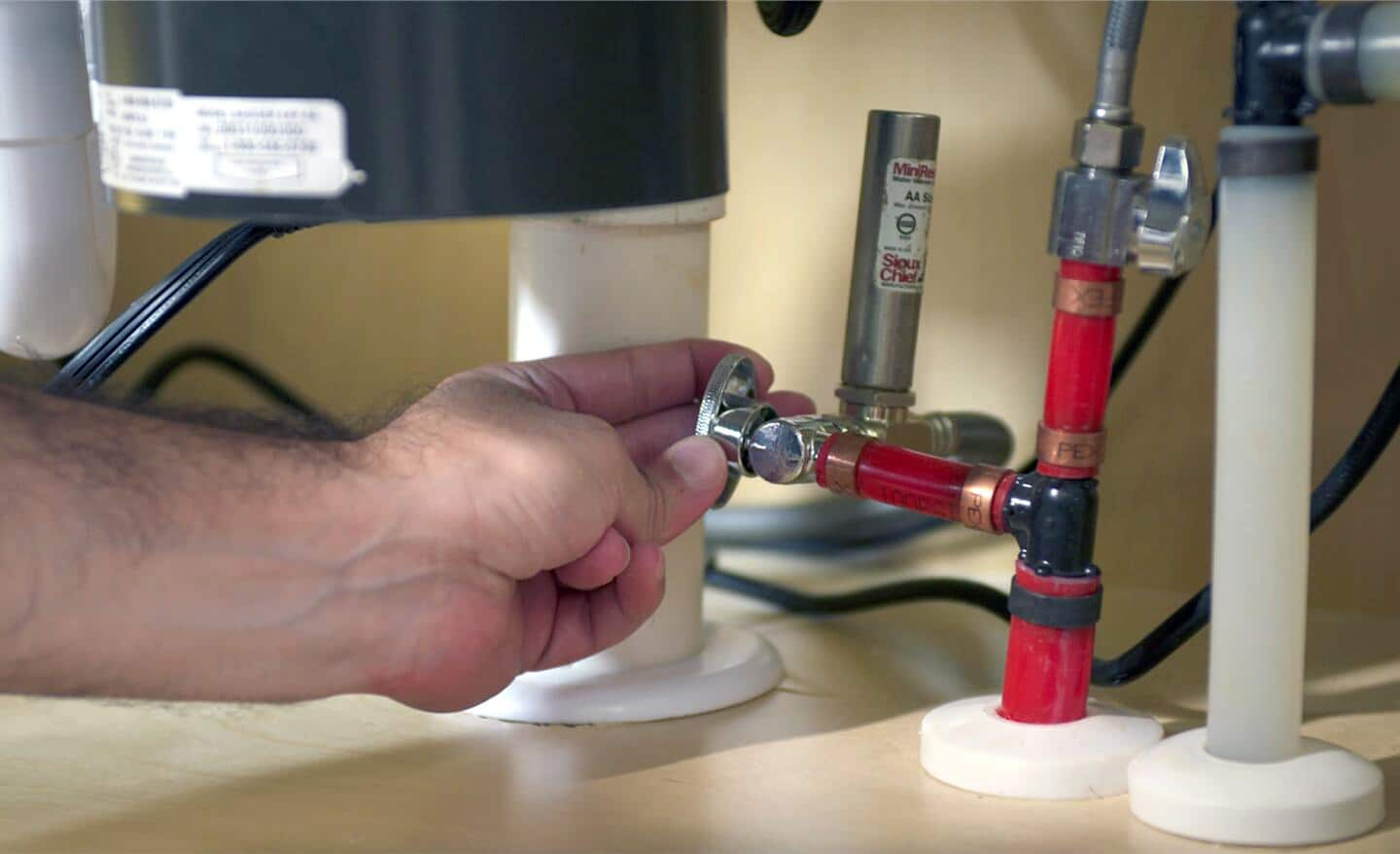
3. Connect The Other End To The Shut-off Valve
- Attach the other end of the hose to the shut-off valve under the sink.
- If the old line is still attached, use your wrench to loosen and remove it.
- Wrap Teflon tape on the valve threads if needed, and then screw on the new hose.
- Tighten securely by hand, then a final snug with the wrench.
4. Check For Kinks Or Twists
Before turning on the water, look at the hose path. Ensure there are no sharp bends or kinks, which can restrict water flow or cause leaks.
5. Turn On The Water And Check For Leaks
- Slowly turn the shut-off valve counterclockwise to open it.
- Watch the hose connections for any drips or water beads.
- If you see leaks, gently tighten the fittings a little more.
6. Plug In The Dishwasher And Test
- Restore power to the dishwasher.
- Run a short cycle to fill and drain water. Listen for the sound of water entering the machine and check again for leaks.
7. Reinstall Any Panels
Most dishwashers have a lower front panel for protection and appearance. Reattach any panels you removed earlier.
Non-obvious insight: Many leaks do not appear immediately. Check your connections again after the dishwasher has run a full cycle, especially at both ends of the supply line.
Special Situations: Old Homes, Tight Spaces, And Unique Layouts
Not every kitchen is the same. Here’s what to do if you face special challenges.
Working With Old Plumbing
Older houses may have copper, galvanized steel, or even old plastic water lines.
- Copper pipes: You may need a compression tee to add a dishwasher line.
- Galvanized steel: Older steel can be corroded inside. Replace with new valves or adapters.
- Plastic pipes: Use fittings designed for plastic to avoid cracks.
Always check for signs of corrosion and replace any suspect parts before connecting your dishwasher.
When Space Is Tight
Many kitchens have crowded cabinets.
- Use a flexible braided hose for easier routing.
- Buy a longer supply line if you need to go around obstacles.
- Secure the hose away from sharp edges or moving parts that could wear it out.
Unique Layouts
Sometimes the dishwasher is across the room from the sink or on an island.
- You may need a longer supply line and drain hose.
- Make sure the line does not run near heat sources (like an oven) or where it could be pinched.
- Secure long runs with clamps to prevent sagging.
Expert tip: Always allow a small loop or “service loop” in the hose behind the dishwasher. This makes future maintenance much easier.
Comparing Dishwasher Supply Line Materials
Choosing the right material for your supply line is important for safety and durability.
| Type | Pros | Cons | Best For |
|---|---|---|---|
| Braided Stainless Steel | Strong, flexible, long-lasting, resists leaks | More expensive than plastic | Most modern installations |
| Reinforced Plastic | Cheap, widely available | Can kink, not as durable, less flexible | Short-term or budget installs |
| Copper | Very durable, handles high pressure | Hard to shape, can corrode, more costly | Permanent, professional installs |
For most people, braided stainless steel is the best choice. It balances flexibility with strength and is easy to install.
:max_bytes(150000):strip_icc()/how-to-install-a-dishwasher-2718667-03-6f43d4b9c9e74ee9add9140ee97f5ff5.jpg)
Credit: www.thespruce.com
Mistakes To Avoid When Connecting A Dishwasher Water Supply
Even careful DIYers can make errors. Here are common mistakes and how to avoid them.
1. Not Using Teflon Tape
Skipping Teflon tape is a leading cause of leaks at threaded connections. Always wrap threads 2-3 times with tape before tightening.
2. Overtightening Fittings
Many think tighter is better. But overtightening can strip threads or crush gaskets, causing leaks. Tighten until snug, then a small twist more.
3. Using The Wrong Supply Line
Plastic hoses are tempting due to price but do not last as long or resist pressure as well as braided steel. Use quality materials for peace of mind.
4. Forgetting To Check For Leaks
Some leaks are slow. Always run a test cycle and check connections with a dry tissue for hidden moisture.
5. Not Leveling The Dishwasher
If your dishwasher is not level, water may pool inside or leak at the door. Adjust the feet after connecting the supply line.
6. Ignoring Local Plumbing Codes
Some areas require specific types of valves or backflow prevention. Check local codes or ask a plumber if you are unsure.
Non-obvious insight: If your kitchen has a water filter or softener, make sure the dishwasher taps into the filtered water line if recommended by the manufacturer.
Safety Tips For Dishwasher Water Supply Installation
Water and electricity are a risky mix. Follow these safety tips:
- Always unplug the dishwasher before working on it.
- Never work with wet hands.
- Use gloves to avoid cuts from metal edges or tools.
- If you smell gas (in homes with gas stoves), stop and call a professional.
- Double-check all connections before running the dishwasher.
Pro tip: Place a dry towel under the supply line during testing. Any drops will be easy to spot.
Troubleshooting Common Problems
What if something goes wrong? Here’s how to handle common issues.
Leaks At The Valve Or Fitting
- Turn off water immediately.
- Remove the fitting, clean threads, reapply Teflon tape, and reinstall.
- If still leaking, check for cracks in the hose or fitting.
No Water Entering Dishwasher
- Confirm the valve is open.
- Check the hose for kinks or blockages.
- Inspect the dishwasher inlet valve for clogs.
Low Water Pressure
- Make sure your home’s water pressure is at least 20 psi (pounds per square inch).
- Clean the supply hose filter or inlet screen.
Water Not Draining
- Check the drain hose for clogs or kinks.
- Make sure the drain line is properly looped to prevent backflow.
Dishwasher Won’t Start
- Confirm it’s plugged in and the outlet works.
- Check the circuit breaker.
- Some dishwashers won’t start if they sense a leak—double-check all connections.
Expert tip: If you need more help, many manufacturers have support lines or online guides. Also, the Family Handyman website has detailed visual guides for troubleshooting.
Dishwasher Water Supply Vs. Other Appliances
It’s helpful to compare a dishwasher’s water connection to other common appliances.
| Appliance | Water Supply Needed | Special Considerations |
|---|---|---|
| Dishwasher | Hot water, 3/8” line | Needs a dedicated shut-off |
| Washing Machine | Hot and cold, 1/2” line | Uses larger hoses, more water per cycle |
| Refrigerator (ice maker) | Cold water, 1/4” line | Needs filter, low pressure |
Notice that dishwashers use smaller lines than washing machines but require hot water for proper cleaning. Always use the correct size and type of line for each appliance.
When To Call A Professional
Most people can connect a dishwasher water supply with careful steps. However, you should call a licensed plumber if:
- Your plumbing is very old, corroded, or hard to reach.
- There is no existing shut-off valve for the dishwasher.
- You see water damage or mold under the sink.
- Local codes require a certified installation.
- You do not feel confident handling water and electrical connections.
A professional can install the supply line, test for leaks, and ensure everything is up to code.
Cost tip: A basic dishwasher water supply connection by a plumber usually costs between $120 and $300 in the US, depending on complexity and location.
How To Maintain Your Dishwasher Water Supply
Once installed, your supply line needs regular checks to keep your kitchen safe.
Visual Inspection
Every few months, look under the sink and behind the dishwasher for:
- Leaks or drips at connections
- Rust or corrosion on metal parts
- Kinks or damage to the supply hose
Replace Old Lines
Manufacturers recommend changing supply hoses every 5-7 years, even if no leaks are visible. This prevents sudden bursts.
Clean Inlet Screens
Many dishwashers have a small mesh screen at the water inlet. Clean it yearly to prevent clogs.
Test Shut-off Valves
Turn the valve off and on a few times per year. Stiff or stuck valves should be replaced.
Pro tip: Water leaks can cause thousands of dollars in damage if unnoticed. Regular checks prevent big problems.

Credit: www.reddit.com
Environmental Factors And Efficiency
A good dishwasher water supply helps your machine use less water and energy.
- Insulate hot water pipes to reduce heat loss.
- Fix leaks quickly to avoid wasting water.
- Newer dishwashers use as little as 3 gallons (11 liters) per cycle, compared to 10 gallons (38 liters) for hand washing.
For more on water efficiency, see resources from the EPA WaterSense program.
Frequently Asked Questions
How Do I Know If My Dishwasher Is Getting Enough Water?
If your dishes are not coming out clean, or you hear odd noises, your dishwasher may not be filling properly. Check the water supply line for kinks, make sure the shut-off valve is fully open, and inspect the inlet screen for clogs.
Can I Use A Plastic Water Supply Line For My Dishwasher?
Plastic lines are allowed but not recommended for long-term use. They are more likely to kink or burst. Braided stainless steel is safer and lasts longer.
What Do I Do If I Find A Leak Days After Installation?
Turn off the water supply immediately. Check all fittings for tightness and reapply Teflon tape if needed. If you can’t stop the leak, call a plumber.
Do I Need To Install A Separate Shut-off Valve For My Dishwasher?
While not always required, it’s highly recommended. A dedicated valve allows you to service the dishwasher without shutting off water to the entire sink.
Is It Difficult To Replace An Old Dishwasher With A New One?
Replacing is easier than a first-time install. You just disconnect the old supply line and drain, swap in the new machine, and reconnect. Always use a new supply hose, as old ones can become brittle.
Connecting your dishwasher water supply is a practical job that can save you money and give you confidence in your home improvement skills. Take your time, use quality materials, and double-check your work for a safe and leak-free kitchen. If you ever feel unsure, don’t hesitate to get help from a professional—your kitchen and wallet will thank you.
Credit: www.homedepot.com