
Have you ever walked into your living room and suddenly wondered, “Why do I smell grass in my house? ” This question is more common than you might think. Many people notice a fresh, green scent indoors—even when there is no open window or lawn nearby.
Sometimes it is a welcome, nostalgic smell. Other times, it can be confusing or even worrying. The scent of grass inside your home can have many causes, from harmless to serious. Understanding why this happens is the first step to solving it and keeping your living space healthy and comfortable.
This article dives deep into all possible reasons for a grass-like odor in your house. You will learn about both natural and artificial causes, health connections, and when you should take action. We will also cover how to identify the source, steps to remove the smell, and ways to prevent it in the future.
If you have ever wondered about this unusual indoor scent, you are in the right place.
Common Causes Of A Grass Smell Indoors
The smell of grass in your home can be surprising, especially if you have not brought any inside. To find the answer, it helps to look at some of the most frequent reasons this scent appears.
1. Mold And Mildew Growth
One of the most common sources is mold or mildew. These fungi often grow in damp, dark places such as basements, bathrooms, or behind walls. Some types of mold, especially Penicillium and Aspergillus, release a smell similar to fresh-cut grass or even earthy tones.
This happens because mold produces Microbial Volatile Organic Compounds (MVOCs). Some MVOCs, like geosmin and 2-methylisoborneol, are the same chemicals that give soil and grass their unique scents. When mold grows out of sight, you might notice the smell before you see any physical signs.
2. Air Conditioning And Hvac Systems
Your air conditioning or HVAC system can sometimes spread a grass-like odor through your home. This often happens when moisture builds up in the ducts or on the coils, creating a breeding ground for mold and bacteria. When these organisms grow, they can produce a musty or grassy smell that spreads through the vents.
If the HVAC filters are dirty or not changed regularly, dust and organic particles can also add to the scent. In some cases, the system may even pull in smells from outside, especially if the air intakes are near a grassy area or damp soil.
3. Freshly Cut Grass Brought Indoors
Sometimes, the answer is simple: fresh grass can enter your home on shoes, clothing, or pets. If someone has recently mowed the lawn or walked through a grassy area, the scent can cling to their belongings and shoes, then spread inside.
Even small pieces of grass or leaves left on the floor can give off a strong smell, especially when they are damp. This is usually harmless but can be persistent if not cleaned up promptly.
4. Plumbing Leaks And Water Damage
A hidden plumbing leak can lead to moisture build-up inside walls or under floors. Over time, this creates the perfect environment for mold and bacteria, which can cause a grass-like or earthy odor. The smell may be strongest near the leak or in rooms above basements or crawl spaces.
If you notice the scent after rainstorms or in areas with past water damage, it is important to check for leaks. Sometimes, the odor is the first clue before you see stains or wet spots.
5. Houseplants And Soil
If you keep a lot of houseplants, they can sometimes contribute to a grass smell. Healthy soil contains bacteria and organic matter that release earthy, grassy scents, especially after watering. Overwatering can make this even more noticeable, as wet soil promotes the growth of microbes.
Some plants, such as wheatgrass or certain types of moss, have a particularly strong grassy smell. While this is usually not a problem, it can be unexpected if you are not used to it.
6. Food Spoilage
Certain types of food—especially grains, bread, and some vegetables—can develop a grass-like or musty odor when they spoil. For example, stale bread or old rice left in hidden corners may start to smell earthy or grassy as mold and bacteria grow.
These smells are often subtle at first but can become stronger if the spoiled food is not found and removed. This is a common cause in kitchens, pantries, or behind large appliances.
7. Building Materials And Construction
Some building materials can produce a grassy smell, especially if they are new or have gotten wet. For example, certain types of insulation, wood, or drywall can emit odors when they contain natural fibers. If moisture gets into the walls or floors during construction, the smell can linger for months.
New carpets or rugs sometimes have a scent that is mistaken for grass, but is actually from the adhesives or backing materials used.
8. Electrical Problems
Rarely, electrical wiring or components overheating can produce a scent similar to cut grass or even burning leaves. This is due to the insulation or plastic parts warming up and releasing chemicals into the air. While this is less common, it can be serious and should be checked by a professional immediately.
9. Outdoor Odors Entering Indoors
If your windows or doors are open, or if you have a strong ventilation system, the grass smell could simply be coming from outside. Lawnmowers, fresh-cut grass, or even nearby fields can send scents inside, especially on windy days.
In urban areas, landscaping work or nearby parks can also be a source. If the smell is seasonal or only present when windows are open, this is likely the cause.
10. Cleaning Products And Air Fresheners
Some cleaning products and air fresheners are designed to mimic the scent of fresh grass or nature. If you have recently cleaned your home or used a new spray, check the label for ingredients like “green grass,” “earth,” or “outdoor fresh.”
These synthetic scents can linger for hours or days, especially in small spaces or on fabrics.
Less Obvious Reasons For A Grass Smell
While the causes above are common, there are also less obvious sources you might not expect.
1. Pets And Animals
Pets, especially dogs, can bring in grass, dirt, and outdoor odors on their fur and paws. Sometimes, even wild animals such as mice or insects can build nests in attics or walls using grass, leaves, or straw. As these materials break down, they can emit a grassy smell.
If you notice other signs like scratching sounds or animal droppings, this might be the culprit.
2. Old Books And Paper
Old books, magazines, or cardboard boxes stored in damp places can develop a musty, grassy odor as they age. This happens when paper absorbs moisture and mold begins to grow, even if it is not visible.
Basements, closets, and garages are common spots for this problem, especially if the area is not well ventilated.
3. Personal Health Conditions
In rare cases, certain health conditions can change how your nose detects odors. For example, phantosmia is a condition where you smell things that are not present, such as grass, smoke, or chemicals. Some sinus infections, allergies, or neurological problems can cause this.
If the smell is always present or only noticed by you, it may be worth talking to a doctor.
4. Seasonal Changes
Humidity and temperature changes can affect how odors are released and noticed. During spring or after rain, the air can carry more organic scents, making grass-like odors stronger indoors. Even dusting or vacuuming can stir up particles that change the way your home smells.
5. Scented Candles Or Incense
Some candles, especially those labeled as “fresh,” “outdoor,” or “nature-inspired,” are designed to mimic grass scents. If you have used a candle or incense recently, the smell can linger on fabrics, curtains, and carpets.
How To Identify The Source Of The Grass Smell
Finding the true cause of a grass smell in your house requires a bit of detective work. Here are some practical steps to narrow down the source.
- Check high-moisture areas first. Start with bathrooms, basements, laundry rooms, and under sinks. Look for any signs of leaks, standing water, or mold growth.
- Inspect HVAC vents and filters. Remove the covers and check for dust, mold, or debris. Notice if the smell is stronger near any vent.
- Examine houseplants and soil. Smell the soil of each plant, especially after watering. Check for mold or fungus on the surface.
- Look for forgotten food. Search your kitchen, pantry, and even behind furniture for old food items, especially bread, rice, or grains.
- Review cleaning routines. Think about any new cleaning products or air fresheners you have used. Check their labels for green or outdoor scents.
- Check entryways and pets. Notice if the smell is stronger near doors, windows, or where pets rest. Clean paws and wipe down fur after walks.
- Investigate building materials. If the smell is new after renovations or repairs, ask your contractor about the materials used.
- Ask others in your home. See if anyone else notices the smell. If only you do, consider health-related causes such as phantosmia.
Health Risks Associated With Grass-like Odors
While a grass smell is often harmless, it can sometimes signal a health risk, especially if it comes from mold or chemicals. Here’s what you need to know.
Mold And Mildew Risks
Exposure to mold spores can cause:
- Allergic reactions (sneezing, itchy eyes, runny nose)
- Asthma attacks
- Respiratory infections
- Headaches and fatigue
Young children, elderly people, and those with weakened immune systems are especially sensitive. If you suspect mold, do not ignore the smell.
Chemical And Electrical Risks
If the odor is due to electrical problems or chemicals from new materials, there is a risk of:
- Breathing in volatile organic compounds (VOCs)
- Fire hazards from faulty wiring
- Skin or eye irritation from adhesives or cleaning agents
Animal And Pest Risks
Decomposing animal nests can harbor bacteria and parasites, leading to:
- Bad indoor air quality
- Unpleasant symptoms like coughing or nausea
Psychological Effects
Persistent, unexplained odors can cause anxiety or stress, especially if you are worried about health risks. Addressing the root cause can improve peace of mind.
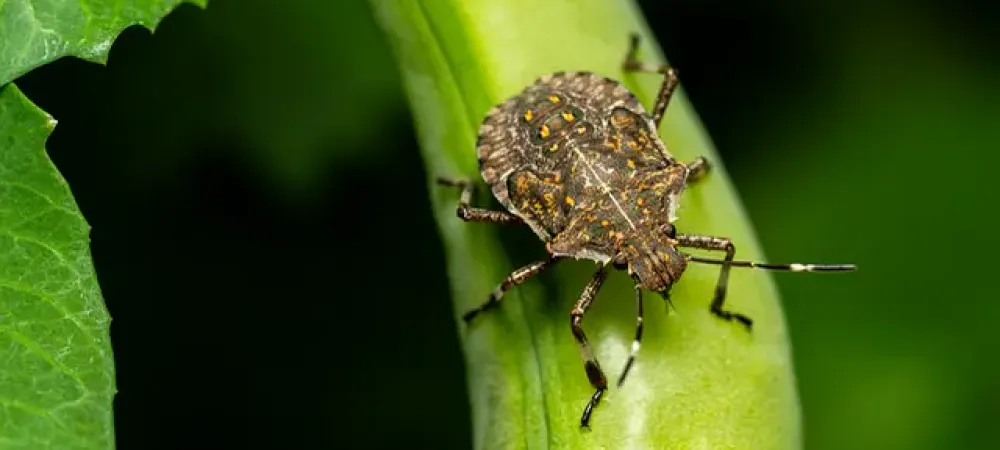
Credit: www.wittpm.com
Steps To Remove Grass Smell From Your House
Once you identify the likely source, here are effective ways to get rid of the grass odor.
1. Clean And Dry Moist Areas
- Fix any leaks right away.
- Use a dehumidifier in damp rooms.
- Clean moldy surfaces with a mixture of vinegar and water or a commercial cleaner.
- Throw away items that cannot be cleaned, like moldy carpets or old boxes.
2. Service Your Hvac System
- Change or clean air filters every 1-3 months.
- Have a professional clean the ducts if you suspect mold inside.
- Make sure the system drains properly to avoid standing water.
3. Wash Floors And Entryways
- Sweep and mop entrances regularly, especially after being outdoors.
- Use a mat to trap grass and dirt from shoes.
- Clean pet paws before they come inside.
4. Dispose Of Spoiled Food
- Check dark corners, behind appliances, and under furniture for forgotten food.
- Clean pantry shelves with soap and water.
- Store grains and bread in airtight containers.
5. Repot Or Replace Houseplants
- Allow soil to dry out between waterings.
- Remove dead leaves and debris from plant pots.
- If you notice mold, repot the plant in fresh soil.
6. Air Out Your Home
- Open windows and doors when weather allows.
- Use fans to circulate air.
- Place bowls of baking soda around the house to absorb odors.
7. Remove Or Replace Scented Products
- Switch to unscented cleaning products or air fresheners.
- Wash fabrics, curtains, and carpets if they have absorbed synthetic scents.
8. Repair Or Replace Building Materials
- If new floors, carpets, or walls are the source, talk to your contractor.
- Remove and replace water-damaged materials.
- Use low-VOC paints and adhesives in future projects.
9. Call A Professional
- Hire a mold remediation expert if you suspect a large or hidden mold problem.
- Contact an electrician if you think the smell is linked to wiring or outlets.
Preventing Grass Smells In The Future
Stopping the smell before it starts is the best approach. Here are smart steps to keep your house smelling fresh.
Control Moisture
- Fix leaks immediately.
- Use exhaust fans in bathrooms and kitchens.
- Keep humidity levels below 60% with dehumidifiers or air conditioning.
Maintain Hvac Systems
- Change filters regularly.
- Schedule yearly professional maintenance.
- Clean vents and ducts when needed.
Clean Regularly
- Sweep and mop floors weekly.
- Clean behind furniture and appliances every few months.
- Wash pet bedding and vacuum carpets often.
Store Food Properly
- Use airtight containers for grains, bread, and snacks.
- Check expiration dates and rotate food in your pantry.
Choose Safe Materials
- Use low-VOC building materials and paints.
- Let new carpets or furniture air out before bringing them inside.
Manage Plants Wisely
- Avoid overwatering.
- Use well-draining pots and fresh soil.
- Trim dead leaves and keep pots clean.
Limit Scented Products
- Try natural air fresheners like baking soda or activated charcoal.
- Open windows instead of using sprays or candles when possible.
Educate Your Family
- Teach everyone to wipe feet and clean up spills.
- Make sure all members know how to spot leaks or moisture problems.
Non-obvious Insights Most Beginners Miss
Even after reading about the common causes, there are two key details many people overlook.
First, mold can grow behind walls or under floors for months or years before you ever see a stain or discoloration. The smell is often the only early warning sign. Ignoring it can lead to serious repairs later.
Second, many modern homes are built to be very airtight for energy savings. This means odors from even a small source can linger much longer than in older, drafty houses. Regular ventilation is more important than ever, even if you don’t notice other problems.
When To Worry About A Grass Smell
Not every grass odor is a crisis, but sometimes it means you should act quickly.
- If you or your family develop allergies, asthma, or frequent headaches, investigate for mold immediately.
- If the smell is stronger after rain or in one part of the house, check for water leaks or hidden damage.
- If you notice burning or chemical undertones along with the grass scent, unplug electronics and call an electrician.
- If you feel unwell or dizzy, leave the area and seek help.
Real-life Examples
Many homeowners have faced this issue. For instance, a family in Ohio noticed a grass smell in their basement for months. After investigating, they found a slow leak behind the washing machine had created hidden mold. Cleaning up the mold and fixing the leak removed the odor completely.
Another example: a renter in an apartment kept smelling grass near the air vents. Maintenance found that the HVAC system was pulling in air from a grassy courtyard, and moving the air intake fixed the problem.
Comparison: Mold Vs. Other Grass Smell Sources
Here is a quick comparison to help you decide if mold is the likely cause.
| Feature | Mold-Related Grass Smell | Other Causes |
|---|---|---|
| Odor Location | Near damp/wet areas | Often near doors, plants, or vents |
| Symptoms | Allergy, headaches, fatigue | Usually no health symptoms |
| Source Visibility | Often hidden | Usually visible (plants, food, pets) |
| Persistence | Continuous, may get worse | May fade with cleaning or time |

Credit: diylandscape.supply
Comparing Prevention Methods
Different strategies work better for different sources. Here’s how some common methods compare:
| Prevention Method | Best For | Limitations |
|---|---|---|
| Dehumidifiers | Mold, mildew | Does not fix leaks |
| Regular Cleaning | Pets, food, plants | Needs consistency |
| Airtight Food Storage | Food spoilage | Does not stop mold elsewhere |
| Low-VOC Materials | New construction odors | May cost more |
Air Quality And Grass Smell: How They Relate
The presence of a grass smell is often a sign of indoor air quality issues. Mold, bacteria, and decaying organic matter release MVOCs, which can affect air quality. The Environmental Protection Agency (EPA) notes that poor indoor air can lead to long-term health problems. Regularly airing out your home, maintaining appliances, and cleaning up moisture are key steps for a healthier environment.
For further reading on indoor air quality, you can visit the EPA’s official page.

Credit: www.reddit.com
Frequently Asked Questions
Why Do I Smell Grass In My House If I Live In A City?
Even in cities, grass smells can come from HVAC systems pulling air from green areas, houseplants, or mold growth. New cleaning products or air fresheners can also mimic this scent.
Is A Grass Smell Always A Sign Of Mold?
No, a grass smell is not always due to mold. It can come from plants, food, cleaning products, or outdoor air. However, if the smell is persistent and you notice health symptoms, mold could be the reason.
Can Pets Cause My House To Smell Like Grass?
Yes, pets often bring in grass, dirt, and outdoor odors on their fur and paws. Clean your pet’s paws before they come inside to reduce this problem.
How Can I Tell If The Grass Smell Is Dangerous?
If the smell comes with allergy symptoms, headaches, or is strongest in damp areas, it may be dangerous (such as from mold). If you notice a burning or chemical smell, leave the area and call a professional.
How Do I Remove A Grass Smell From My Home Permanently?
Find and remove the source, such as mold, spoiled food, or wet materials. Clean the area, improve ventilation, and prevent future moisture. If the smell returns, check for hidden leaks or consult an expert.
A grass smell in your house can be puzzling, but it is usually solvable. By understanding the possible causes, taking practical steps to identify the source, and acting quickly, you can keep your home safe, fresh, and comfortable. Remember, your nose is often the first warning sign—trust it and don’t ignore new or unusual odors.