
Installing a dishwasher can make your kitchen life much easier, but connecting its drain line to a double sink can be confusing if you’ve never done it before. Many people worry about leaks, clogs, or even damage to their kitchen plumbing.
The good news? With the right guidance and a careful approach, almost anyone can install a dishwasher drain to a double sink—often without hiring a plumber.
This guide will walk you through everything: tools you need, how double sink plumbing works, which connection method is best, and step-by-step instructions. You’ll learn how to avoid common mistakes, understand local plumbing rules, and even compare air gaps versus high loops. If you want a reliable, leak-free dishwasher drain, keep reading—you’re in the right place.
Understanding Dishwasher Drain Connections
Before you start, it’s important to know how a dishwasher drain works. Dishwashers pump dirty water out through a drain hose during each cycle. This hose must connect to your home’s drain system, usually under the kitchen sink. With a double sink, you have two main connection points:
- The sink drain tailpiece (the vertical pipe under the sink basket)
- The garbage disposal (if you have one)
Many homes also require a high loop or an air gap to prevent dirty water from flowing back into the dishwasher. These features are not just about safety—they’re often required by plumbing codes.
Tools And Materials You’ll Need
Gather all supplies before starting. This avoids last-minute runs to the hardware store and helps your project go smoothly.
- Dishwasher drain hose (usually comes with the dishwasher)
- Hose clamp (stainless steel, screw-type)
- Y-branch tailpiece (if connecting directly to the sink drain)
- Air gap (if required by your area’s code)
- Garbage disposal adapter (if connecting to disposal)
- Pipe wrench or channel lock pliers
- Screwdriver (flat or Phillips, depending on clamps)
- Teflon tape (for threaded connections)
- Bucket and towels (to catch spills)
- Utility knife (to trim hose if needed)
- Drill (for mounting air gap, if not pre-drilled)
- Zip ties or hose supports
Optional Tools For Tight Spaces
- Flashlight or headlamp
- Cordless driver
- Knee pads
Having the right tools is crucial. One insight many beginners miss: even a small leak under your sink can cause mold or wood damage over time, so always check your work carefully.
How A Double Sink Drain System Works
In a double sink, the drains from both basins usually join together before connecting to the main drain pipe. Here’s a simple breakdown:
- The left and right drains each have a tailpiece going down.
- These connect to a T-fitting or wye fitting.
- The combined flow exits through a P-trap (the U-shaped pipe) and then into the wall.
If you have a garbage disposal, it’s often on one side, with the other sink’s drain joining just after the disposal’s outlet.
Typical Double Sink With Dishwasher Setup
Here’s a common setup:
- Left basin: Regular drain tailpiece with a branch for dishwasher
- Right basin: Garbage disposal (with dishwasher drain connection port)
- P-trap: After both join, before the wall
Understanding this setup helps you choose the best connection method for your dishwasher drain.
Choosing The Right Connection Method
There are two main ways to connect a dishwasher drain in a double sink:
- Direct to sink drain tailpiece
- To the garbage disposal
Each method has pros and cons. Let’s compare them:
| Connection Method | Pros | Cons | Best For |
|---|---|---|---|
| Sink drain tailpiece | Easy access, no disposal needed | May require new tailpiece, not as powerful for food waste | Kitchens without disposal |
| Garbage disposal | Handles food debris, often has built-in port | Must knock out plug, can clog if not used properly | Kitchens with disposal |
Most modern kitchens use the garbage disposal connection for convenience, but direct-to-tailpiece is just as reliable if installed correctly.
Air Gap Vs. High Loop: What’s Required?
Dishwasher drains must have a backflow prevention feature. This keeps dirty sink water from entering the dishwasher. Two main options exist:
- Air gap: A small device mounted above the sink, usually next to the faucet. It uses air to break any siphon effect.
- High loop: The drain hose is looped up under the sink, higher than the entry point, before going down to the drain.
Some building codes require an air gap, especially in states like California and Washington. Others allow a high loop. Always check your local plumbing code before deciding.
| Feature | Air Gap | High Loop |
|---|---|---|
| Effectiveness | Best protection | Good, but not perfect |
| Code Compliance | Required in many areas | Accepted in some areas |
| Installation | Requires sink hole | Simple, no extra parts |
| Maintenance | Can clog, needs cleaning | Rarely needs attention |
Pro tip: Even if your area does not require an air gap, installing one gives the best long-term protection.
Step-by-step Guide: How To Install Dishwasher Drain To Double Sink
Ready to get started? Follow these steps for a leak-free, code-compliant installation.
1. Turn Off Power And Water
Safety comes first. Unplug the dishwasher or turn off its circuit breaker. Shut off water to the dishwasher if possible. This prevents accidents.
2. Remove The Old Drain Plug (if Using Garbage Disposal)
If you’re connecting to a garbage disposal, look for a small plug inside the disposal’s dishwasher inlet port.
- Insert a screwdriver into the port.
- Hit the screwdriver gently with a hammer to knock out the plug.
- Remove the plug piece from inside the disposal (don’t leave it in, or it will clog).
Many beginners forget this step and wonder why their dishwasher doesn’t drain!
3. Attach The Drain Hose To The Dishwasher
Most dishwashers have a barbed fitting on the back or side for the drain hose.
- Slide the hose over the fitting.
- Secure with a stainless steel hose clamp.
- Make sure it’s tight but not so tight that you crush the hose.
4. Route The Drain Hose
Run the drain hose from the dishwasher to under the sink. Avoid sharp bends or kinks.
If Using A High Loop:
- Pull the hose up as high as possible under the counter—at least 20 inches above the floor, or as required by your local code.
- Secure it with a zip tie, screw, or clamp to keep it from sagging.
If Using An Air Gap:
- Insert the air gap into a hole on the sink or countertop.
- Connect the short hose from the dishwasher to the air gap inlet.
- Connect a separate hose from the air gap outlet to the sink drain or disposal.
5. Connect Hose To Drain Or Disposal
Connecting To Sink Drain Tailpiece:
- Replace the old tailpiece with a Y-branch tailpiece (with a hose barb).
- Slide the hose onto the barb.
- Secure with a hose clamp.
Connecting To Garbage Disposal:
- Slide the hose over the disposal’s dishwasher inlet.
- Secure with a hose clamp.
- Tug gently to make sure it’s tight.
Important: The hose should flow downhill from the high loop or air gap to the drain. This prevents standing water and odors.
6. Check For Leaks
Before running a full cycle, test for leaks.
- Place a dry towel under all connections.
- Run the dishwasher’s rinse cycle.
- Watch carefully for drips, especially around hose clamps and the air gap.
If you spot leaks, stop and tighten clamps or reposition the hose.
7. Secure And Finish
- Use zip ties or brackets to keep the hose in place.
- Restore power and water.
- Run a full cycle and check again for leaks.
If Everything Is Dry, You’re Done!
Common Mistakes And How To Avoid Them
Many DIYers make small errors that lead to big problems later. Here are the top mistakes:
- Forgetting the disposal plug: If not removed, water will back up into the dishwasher.
- Loose hose clamps: Causes slow leaks and water damage.
- No high loop or air gap: Backflow can cause dirty water and bad odors.
- Hose too long or kinked: Slows drainage and strains the dishwasher pump.
- Using the wrong tailpiece: The hose can pop off under pressure.
Non-obvious insight: Always run your finger around the inside of the drain hose after cutting. Any small plastic burrs can catch food debris and cause clogs.
Special Situations: What If You Have A Unique Setup?
If Both Sinks Have Garbage Disposals
Rare, but possible. Choose one disposal for the dishwasher drain. Never connect one hose to both disposals.
If Your Sink Doesn’t Have A Pre-drilled Hole For Air Gap
You can usually remove a knockout plug (often used for a soap dispenser) or drill a new hole with a hole saw. Be careful not to crack the countertop.
If Your Dishwasher Is Far From The Sink
Dishwasher drain hoses typically reach about 6 feet. For longer distances, use an extension kit approved by your dishwasher’s manufacturer. Never use ordinary garden hose, as it can leak or burst.
How To Maintain Your Dishwasher Drain
A good installation is just the start. To keep your drain working well:
- Clean the air gap every few months by removing the cap and rinsing with water.
- Run hot water in your sink after using the dishwasher to help flush any debris.
- Never pour grease or large food scraps down the sink, especially with a disposal.
- Listen for gurgling or slow draining sounds—these are early signs of a clog.
When To Call A Professional
Most people can install a dishwasher drain with basic tools. But call a plumber if:
- You find old, corroded plumbing under the sink.
- You see water leaking inside the dishwasher itself.
- You have persistent clogs, even after cleaning.
- Local plumbing codes seem confusing or strict.
A good plumber will make sure your drain is safe, legal, and long-lasting.
Troubleshooting: Solving Common Problems
Sometimes, things don’t go as planned. Here’s how to handle common issues:
Dishwasher Not Draining
- Check for a clogged hose or air gap.
- Make sure the garbage disposal knockout plug is removed.
- Inspect for kinks in the drain hose.
Water Leaks Under Sink
- Tighten hose clamps.
- Replace cracked hoses.
- Check all pipe joints for loose threads or missing washers.
Bad Odors
- Clean the air gap.
- Run hot water to clear out the P-trap.
- Check for standing water in the hose.
If problems persist, re-check every connection and consult your dishwasher manual.
Dishwasher Drain Installation And Plumbing Codes
Many cities have specific rules for dishwasher drains. Key points:
- Some codes require an air gap—especially in new construction.
- Most codes require that the dishwasher drain hose be connected before the P-trap, not after.
- Drain hoses must use approved materials and not be extended with unapproved tubing.
Always check local codes, or ask your building department for guidance. The International Code Council has more details on plumbing standards.
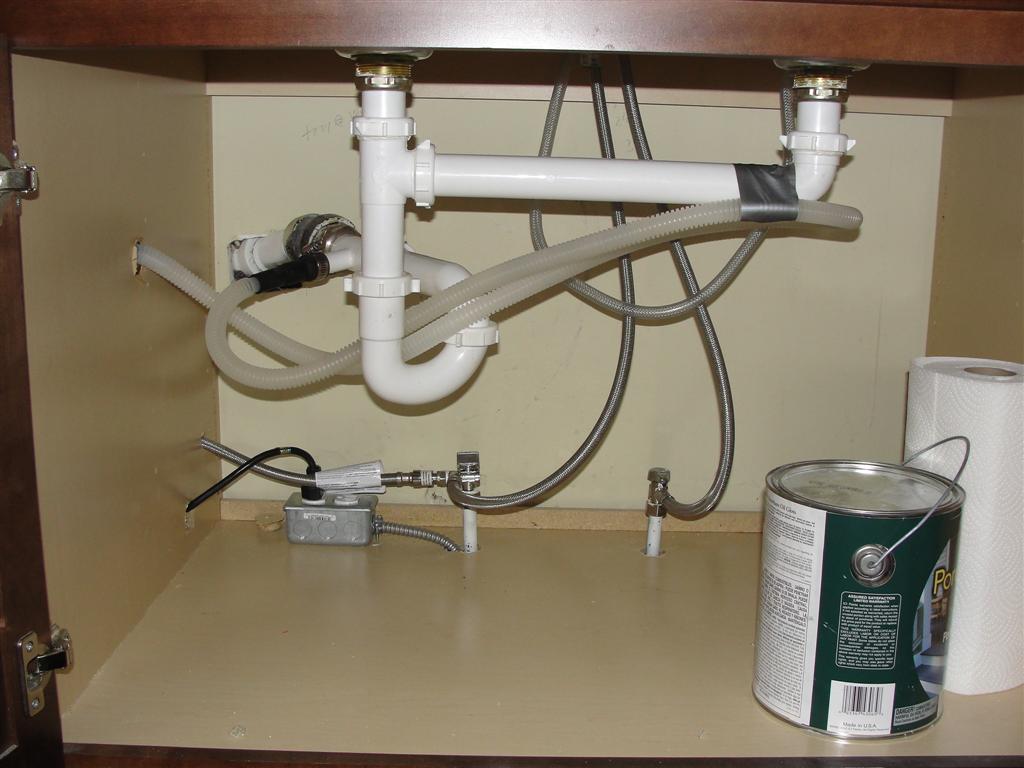
Credit: structuretech.com
Cost And Time Estimates
Installing a dishwasher drain is a moderate project for most people.
- Time required: 1 to 2 hours for most installations
- Cost: $20–$60 for parts (hose, clamps, tailpiece, air gap if needed)
- Professional plumber: $100–$300 for installation
DIY saves money, but don’t rush—one small mistake can cause expensive water damage.
Real-world Example
Here’s a quick story: Sarah, a homeowner in Seattle, installed her own dishwasher drain. She chose the garbage disposal connection and added an air gap, as required by her city’s code. She found that her first attempt leaked—because she forgot to fully seat the hose on the disposal port. After adjusting and retightening the clamp, the leak stopped. Two years later, her drain is still trouble-free.

Credit: www.youtube.com
Comparing Air Gap And High Loop In Real Kitchens
Not sure which method to use? Here’s how they stack up in real homes.
| Feature | Air Gap | High Loop |
|---|---|---|
| Cost | $10–$20 | Free (just needs zip tie) |
| Code Compliance | High (required in many cities) | Depends on local rules |
| Failure Rate | Low, but can clog | Very low |
| Looks | Visible on sink | Hidden under counter |
Most homeowners choose the air gap if required, or the high loop if allowed and they prefer a cleaner look.
Tips For A Professional-quality Job
- Measure twice before cutting any hose.
- Always use stainless steel clamps, not plastic.
- Keep the drain hose as short as possible, but not stretched tight.
- Label the hose if you have multiple drains under the sink (future you will thank you).
- Photograph your work for reference.
Non-obvious insight: After installation, run a dishwasher cleaning cycle (with no dishes) to flush out any small debris or manufacturing residue in the drain line.
Frequently Asked Questions
What’s The Difference Between Connecting To The Sink Drain And The Garbage Disposal?
The sink drain connection uses a Y-branch tailpiece, while the garbage disposal connection uses a built-in port. Disposals can handle small food debris, but if you don’t have one, the tailpiece method works just as well. Always check which method is best for your plumbing layout.
Do I Really Need An Air Gap, Or Is A High Loop Enough?
That depends on your local code. Some areas require an air gap for all new installations, while others allow a high loop. If you’re unsure, contact your city’s building department. Air gaps provide the highest protection against backflow.
My Dishwasher Smells Bad After Draining. What Should I Do?
Clean the air gap (if installed), run hot water, and check for standing water in the hose. Make sure the drain hose is sloped downward and not holding water. Bad smells often mean there’s a partial clog or food debris in the line.
Can I Use Any Hose Clamp, Or Does It Need To Be Stainless Steel?
Always use stainless steel hose clamps. They resist rust and last longer, especially in damp areas under the sink. Cheap clamps can fail over time and cause leaks.
How Do I Know If My Installation Is Up To Code?
Check your city or county’s plumbing code, or ask a licensed plumber. The International Code Council provides general standards, but local rules may be stricter. If you’re selling your house, a code-compliant installation avoids problems during inspection.
A well-installed dishwasher drain makes your kitchen cleaner and safer. Take your time, follow these steps, and you’ll have years of trouble-free dishwashing—without ever worrying about leaks or backflow.

Credit: www.reddit.com