
Keeping your Viking dishwasher clean is more than just a way to keep it looking new. Regular cleaning helps your machine last longer, gives you cleaner dishes, and prevents unpleasant smells. Many people think their dishwasher cleans itself during every wash. But even the best dishwashers, including Viking models, need care to keep performing well.
If you own a Viking dishwasher, you have a premium appliance designed for heavy use. However, hard water, soap residue, and food particles can build up over time. These can block spray arms, make your dishwasher work less efficiently, and even damage the interior.
Learning how to clean it properly can save you repair costs and help you get the best out of your investment.
Cleaning a Viking dishwasher isn’t difficult, but doing it right requires attention to detail and regular effort. In this article, you’ll find easy-to-follow steps, expert tips, and answers to common questions. Whether you’re a first-time owner or just want to improve your maintenance routine, this guide will help you keep your Viking dishwasher running smoothly.
Why Regular Cleaning Matters
Many Viking owners believe that running the dishwasher with detergent is enough to keep it clean. But over time, grease, limescale, and food debris collect inside. This buildup can:
- Cause bad odors
- Leave spots or film on dishes
- Reduce cleaning power
- Lead to drain blockages
- Damage internal parts
In fact, studies show that dishwashers cleaned monthly have 25% fewer repairs than those left unmaintained. Also, hard water can leave mineral deposits, especially in areas with high calcium or magnesium levels. If you notice cloudy glassware or white streaks, it’s a sign your Viking dishwasher needs attention.
Viking dishwashers are known for their strong performance and quiet operation, but even these high-end machines can suffer without proper cleaning. A simple, regular routine can prevent most problems and save you expensive service calls.
Another detail many miss: Modern detergents are designed for efficient cleaning, but they can leave residues behind, especially with frequent short cycles. Over time, these residues can create a sticky film inside your dishwasher and on your dishes. If you live in an area with “soft” water, you may notice this even more, because less mineral content means detergent is less likely to rinse away completely. Regular cleaning helps avoid this build-up.
Getting Ready: Tools And Materials
Before you start, gather the right tools and cleaners. This makes the process smoother and avoids delays.
You will need:
- Soft cloth or microfiber towel
- Soft-bristled brush (old toothbrush works)
- White vinegar
- Baking soda
- Dish soap (mild, non-abrasive)
- Toothpicks or plastic skewers
- Screwdriver (for some models)
- Large bowl or basin
- Rubber gloves (for sensitive skin)
Optional items:
- Commercial dishwasher cleaner (approved for stainless steel)
- Stainless steel polish (for the exterior)
Tip: Always check your Viking dishwasher’s user manual for specific cleaning instructions, as some models have unique features.
Extra advice: Keep a small container or caddy with these cleaning tools under your sink. This makes it easier to do quick touch-ups between deep cleans. If you have small children or pets, store cleaning products out of their reach for safety.

Credit: www.assinc.com
Step-by-step: How To Clean Viking Dishwasher
Here’s a complete routine for cleaning every part of your Viking dishwasher. Follow these steps for a thorough clean.
1. Safety First: Turn Off And Empty The Dishwasher
Before you start, make sure the dishwasher is turned off. Unplug it or switch off the circuit breaker for extra safety, especially if you’ll be cleaning around electrical parts. Remove all dishes, racks, and utensils.
If you’re cleaning after a recent cycle, let the dishwasher cool down to avoid burns from hot water or steam.
2. Clean The Door And Exterior
Wipe the outside of the dishwasher with a damp microfiber cloth. For stainless steel surfaces, use a cleaner made for stainless steel or a mix of water and a few drops of dish soap. Always wipe in the direction of the grain to avoid scratches.
For handles and control panels, be gentle—these areas collect fingerprints and grease. If you notice stubborn fingerprints or smudges, a little white vinegar on your cloth can help remove them without leaving streaks.
Pro tip: Avoid using rough sponges or bleach on the door, as these can damage the finish.
3. Inspect And Clean The Door Gasket
The door gasket (rubber seal) keeps water inside during washing. Food, grease, or soap can build up here and cause leaks. Gently wipe the gasket with a damp cloth and a bit of dish soap. For stubborn grime, use an old toothbrush. Check for cracks—if you find any, you may need a replacement.
A clean gasket not only prevents leaks but also stops mold and mildew from growing. Run your finger along the length of the gasket to check for sticky spots or hidden buildup.
4. Remove And Clean The Dishwasher Racks
Take out both the upper and lower racks. Wash them in the sink with warm soapy water. Scrub away any stuck-on food or mineral spots. Make sure to dry the racks before putting them back.
Racks can sometimes hide broken bits of glass or plastic, so check for sharp objects before washing. If your racks have movable tines, wiggle them to make sure they are clean and not loose.
5. Clean The Spray Arms
The spray arms shoot water onto your dishes. If they get clogged, cleaning performance drops. Here’s how to clean them:
- Remove the spray arms (check your manual for instructions).
- Rinse under running water.
- Use a toothpick or plastic skewer to clear out any blocked holes.
- For stubborn mineral deposits, soak the arms in a bowl of white vinegar for 15-30 minutes.
- Rinse and reinstall.
Insight: Many beginners miss cleaning the spray arms. Even small blockages can affect washing power.
Extra tip: After soaking, gently shake the spray arms—if you hear rattling, there may be debris inside. Rinse until you don’t hear anything loose.
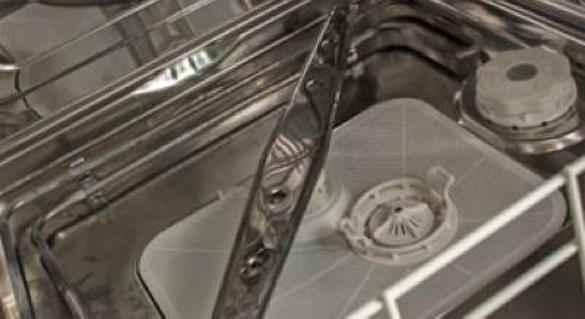
6. Clear And Clean The Filter
Most Viking dishwashers have a removable filter at the bottom. This is essential for trapping food particles. A dirty filter can cause smells and poor cleaning.
- Twist and lift out the filter (see your manual for details).
- Rinse under warm water. Use a soft brush and dish soap for greasy buildup.
- Avoid using wire brushes—they can damage the filter mesh.
- Dry and put the filter back in place.
Did you know? Ignoring the filter is the most common cause of dishwasher odors.
Some models have more than one filter (main and coarse). Make sure you clean all parts. If the filter looks worn or has holes, order a replacement. A damaged filter can let food particles recirculate during washing.
7. Check And Clean The Drain
A blocked drain can lead to standing water or even floods. Inspect the drain area at the bottom of the dishwasher. Remove any visible debris or bits of glass. If you see buildup, clean the area with a cloth and a toothbrush.
If water is not draining, there may be a deeper clog. In this case, consult a professional.
Extra insight: Sometimes, food like rice or seeds can hide in the drain area. Use a flashlight for a better look, and don’t forget to check under the filter for hidden debris.
8. Clean The Interior Walls And Floor
Food splashes and detergent can leave a film on the inside. Mix a cup of white vinegar with a quart of warm water. Use a soft cloth to wipe down the walls, floor, and door edges.
For tough spots or hard water stains, sprinkle baking soda on a damp cloth and gently scrub.
Pay close attention to corners and the area where the door meets the bottom of the tub—these spots often collect grease and grime that regular cycles miss.
9. Run A Cleaning Cycle (vinegar Wash)
Place a cup of white vinegar in a dishwasher-safe bowl on the top rack. Run a hot water cycle with the dishwasher empty. Vinegar helps break down grease, limescale, and odors.
Important: Do not mix vinegar and baking soda during the cleaning cycle—use them separately for best results.
Extra tip: If you want extra shine, wipe the interior after the cycle with a dry cloth to remove loosened residue before it dries again.
10. Freshen With Baking Soda
After the vinegar cycle, sprinkle a cup of baking soda across the bottom of the dishwasher. Run a short, hot water cycle. This deodorizes the interior and removes lingering stains.
Baking soda is gentle and safe for all surfaces, so it’s a great way to keep your dishwasher smelling fresh between deep cleans.
11. Clean The Utensil Basket
Remove the utensil basket and soak it in warm, soapy water. Use a brush to scrub away food particles stuck in the corners or slots. Dry thoroughly before putting it back.
If your basket has removable parts or small holes, use a toothpick to clear out stuck debris. Check for cracks—if the basket is damaged, replace it to avoid sharp edges.
12. Wipe Down The Control Panel
Use a lightly damp cloth to clean the control buttons and display. Avoid using too much water or harsh cleaners, as moisture can damage electronics.
For sticky buttons, a little dish soap on a cloth works well. Dry with a soft towel immediately to prevent moisture from getting inside.
13. Reassemble And Inspect
Once all parts are dry, put racks, spray arms, and the filter back in place. Double-check that everything is secure and moves freely.
Open and close the door a few times to ensure the gasket sits properly, and spin the spray arms by hand to check for free movement.
14. Polish The Exterior
For a finishing touch, polish the stainless steel door with a special polish if you have one. Buff with a dry microfiber cloth for a streak-free shine.
If you don’t have stainless polish, a few drops of mineral oil on a cloth can also prevent fingerprints and add shine.
Monthly, Quarterly, And Annual Maintenance
Cleaning frequency depends on how much you use your dishwasher and your water quality.
Monthly:
- Clean the filter
- Wipe gasket and door
- Run vinegar cleaning cycle
Quarterly:
- Deep clean spray arms and racks
- Check for limescale or mineral buildup
- Polish exterior
Annually:
- Inspect for signs of wear (gasket, racks, spray arms)
- Replace any worn parts
- Consider a professional service if you notice performance drops
Extra tip: If your water is hard, consider using a dishwasher-safe descaler every 3-6 months.
Another smart move: If you have a water softener, check its salt level regularly. Low salt can let minerals build up in your dishwasher, even if you’re cleaning it often.
Table: Common Viking Dishwasher Problems And Cleaning Solutions
Here’s a quick reference for typical issues and the cleaning step that solves them.
| Problem | Cause | Cleaning Solution |
|---|---|---|
| Cloudy glassware | Hard water deposits | Vinegar rinse, clean spray arms |
| Bad smells | Dirty filter, food buildup | Clean filter, baking soda cycle |
| Dishes not clean | Clogged spray arms or filter | Clean spray arms, filter |
| Standing water | Blocked drain | Check and clear drain |
| Leaking door | Dirty or worn gasket | Clean gasket, replace if needed |
Cleaning Mistakes To Avoid
Even with the best intentions, it’s easy to make mistakes. Here are errors to watch out for:
- Using bleach – Bleach can corrode stainless steel and damage rubber parts.
- Scrubbing with steel wool – This scratches the interior and exterior.
- Skipping the filter – Most odors and performance issues start here.
- Forgetting the spray arms – Blocked jets mean poor cleaning.
- Overusing commercial cleaners – Stick to mild products or natural solutions unless your manual says otherwise.
- Ignoring the gasket – A leaky door can ruin your kitchen floor.
Additional mistake: Using too much detergent. This can cause a soapy film to build up inside the dishwasher and leave residue on your dishes. Always follow the recommended amount—more is not better.

Credit: www.reddit.com
Table: Natural Vs. Commercial Dishwasher Cleaners
Some owners prefer natural cleaners like vinegar and baking soda. Others use commercial products. Here’s how they compare:
| Cleaner Type | Pros | Cons |
|---|---|---|
| Vinegar & Baking Soda | Non-toxic, cheap, easy to find | May not remove heavy limescale, strong vinegar smell |
| Commercial Dishwasher Cleaner | Effective on tough buildup, easy to use | Costly, may contain harsh chemicals |
Tip: If you use commercial cleaners, make sure they’re marked as safe for stainless steel and approved by Viking or your dishwasher’s manufacturer. Some products can damage the interior if used incorrectly.
Signs Your Dishwasher Needs Cleaning
Some signs are obvious, while others are easy to miss. Watch for:
- Lingering odors after cycles finish
- Cloudy or spotted dishes, even after using rinse aid
- Longer cycle times or incomplete draining
- Visible food particles left inside
- Noise changes (e.g., louder operation, new rattling sounds)
- Water leaks around the door
If you notice any of these, clean your dishwasher as soon as possible to avoid bigger problems.
Extra insight: If your dishwasher has a filter alert light, don’t ignore it. Some Viking models have sensors that warn you when cleaning is needed. Responding quickly helps your machine last longer.
Extra Tips For Viking Dishwasher Owners
Here are a few advanced tips to get the most from your appliance:
- Use the right detergent: Viking recommends high-quality, low-sudsing detergent. Too much soap can cause buildup.
- Check your water temperature: Water should be at least 120°F (49°C) for best cleaning. Cold water may leave residue.
- Rinse dishes lightly: Scrape off large food pieces, but don’t pre-wash everything. Modern Viking dishwashers are designed to handle small amounts of food.
- Run full loads: This saves water and prevents detergent residue from sticking to the interior.
- Keep the door slightly open after cycles: This helps prevent mold and mildew by allowing the interior to dry out.
- Use rinse aid: This reduces spotting and film, especially in hard water areas.
Another tip: If your dishwasher has a self-cleaning mode, use it regularly along with manual cleaning. This feature is helpful, but it doesn’t replace the need to clean filters and spray arms by hand.
Table: Recommended Cleaning Frequency For Key Parts
If you’re not sure how often to clean each part, use this guide:
| Part | Frequency | Reason |
|---|---|---|
| Filter | Once a month | Prevents odors and poor cleaning |
| Spray Arms | Every 3 months | Ensures strong water flow |
| Door Gasket | Monthly | Prevents leaks |
| Interior Walls | Quarterly | Removes film and stains |
| Drain Area | Monthly | Prevents standing water |
Smart habit: Set a recurring reminder on your phone or calendar for these tasks. Regular care is easier than fixing a big problem later.
Credit: viking-appliance.repair
When To Call A Professional
Routine cleaning fixes most problems, but sometimes you need expert help. Contact a qualified Viking technician if:
- There’s a persistent leak, even after cleaning the gasket
- The dishwasher won’t drain, even after clearing the drain and filter
- You hear grinding or loud, unusual noises
- The control panel stops working
- You see error codes you can’t clear
Attempting repairs on electrical or complex parts without training can be dangerous and may void your warranty. If in doubt, call for help.
Example: If your dishwasher trips the circuit breaker or gives off a burning smell, turn it off immediately and call a professional. Electrical issues should never be handled without proper training.
Frequently Asked Questions
How Often Should I Clean My Viking Dishwasher’s Filter?
Clean the filter at least once a month. If you run your dishwasher daily or notice odors sooner, check and clean it every two weeks. A clean filter keeps your dishwasher running efficiently and prevents smells.
Is It Safe To Use Vinegar In My Viking Dishwasher?
Yes, white vinegar is safe for most Viking dishwashers and is effective at removing grease and limescale. However, don’t use vinegar if your manual warns against it, and never mix vinegar with bleach-based cleaners.
What Should I Do If There Is A Bad Smell After Cleaning?
If odors remain, check for hidden food particles under the filter, in the spray arm holes, or around the door gasket. Run a baking soda cycle and leave the door open after washing to let the interior dry out.
Extra tip: Also check the drain hose for kinks or blockages, as trapped water can cause musty smells.
Can I Use Bleach Or Strong Chemicals?
Avoid bleach and harsh chemicals. These can damage stainless steel and rubber seals inside your Viking dishwasher. Stick to mild dish soap, vinegar, and approved commercial cleaners.
Where Can I Find The Official Viking Dishwasher Cleaning Guide?
You can find detailed instructions and official maintenance tips on the Viking Range official site.
Keeping your Viking dishwasher clean isn’t just about appearances. With regular care, you’ll enjoy sparkling dishes, lower repair bills, and a longer-lasting appliance. Set a reminder to clean key parts each month, and your dishwasher will reward you with years of reliable service.