
Making your swimming pool shallower can solve many problems. Maybe you want a safer space for children, easier exercise, or just more useable space for games. Some people inherit a pool that’s too deep for their needs. Others find that their old diving pool is not practical anymore. Whatever your reason, you have options that can help you adjust your pool depth without building a new one. Today, you’ll learn everything about inserts to make pools more shallow—the methods, pros, cons, costs, and practical tips.
Why Make A Pool More Shallow?
Changing your pool’s depth is a big decision. It’s important to know why people do this and what benefits it brings.
First, a shallower pool is safer, especially for families with children or elderly swimmers. Many accidents happen in deep water, so reducing the depth lowers risk. Second, many people find that deep pools are harder to keep clean and cost more to maintain. More water means more chemicals, energy, and work. Third, if you don’t use the deep end for diving, it’s wasted space. Shallower pools offer more room for water games, relaxing, and even physical therapy.
Surprisingly, making your pool shallower can increase your home’s value. Buyers often prefer pools that are easier to use, cheaper to run, and safer. Some insurance companies also offer lower rates for shallower pools.
Methods For Making A Pool Shallower
You don’t need to rebuild your entire pool. Several insert methods can reduce depth, each with unique benefits and drawbacks. Let’s look at the most common ways to make an in-ground pool shallower.
1. Adding A Pool Floor Insert
This is one of the most popular and flexible solutions. A pool floor insert is a custom-made structure placed on the bottom of your pool to raise the floor.
- Materials: Most inserts are built from reinforced concrete, steel, or high-density plastic. Some are modular and removable.
- Installation: The insert is built or assembled inside your pool, then covered with a finish that matches the existing surface.
- Benefits: You can choose the depth you want. The insert is solid and feels like the original pool floor.
- Drawbacks: It’s a permanent change and usually requires professional help.
Example: If your pool is 8 feet deep and you want 5 feet, a 3-foot insert is installed. The new floor is safe and strong enough for normal use.
2. Pool Conversion With Concrete Fill
Here, workers pour concrete into the deep end to raise the floor. It’s a traditional and long-lasting method.
- Materials: Reinforced concrete, sometimes with steel rebar for strength.
- Installation: The deep end is cleaned and prepared. Concrete is poured and allowed to cure, then finished to match the rest of the pool.
- Benefits: Very durable, can add value to your home.
- Drawbacks: Expensive, messy, and permanent.
Insight: Concrete fill changes the pool’s water volume, which means lower chemical and heating bills.
3. Modular Pool Platform Systems
These are pre-fabricated, removable platforms that rest on the pool floor. They’re popular for temporary needs.
- Materials: Aluminum, stainless steel, or heavy-duty plastic.
- Installation: The platform is lowered into the pool and locked in place. Many are adjustable and can be removed.
- Benefits: Great for events or short-term use. No permanent changes.
- Drawbacks: May not feel exactly like a real pool floor. Can be costly for large pools.
Example: Swim schools often use modular platforms to teach small children, then remove them for adult swimmers.
4. Partial Fill With Gravel And Concrete
This method uses gravel as a base and a concrete layer on top.
- Materials: Washed gravel, reinforced concrete.
- Installation: Gravel is poured first, then concrete is added for a smooth surface.
- Benefits: Gravel is cheaper than using only concrete. Good drainage, stable, and strong.
- Drawbacks: Still a permanent change, and may need professional design to avoid future settling.
5. Vinyl Pool Floor Inserts
If you have a vinyl liner pool, you can add a custom insert under a new liner.
- Materials: High-density foam or plastic for the insert, new vinyl liner.
- Installation: The old liner is removed, the insert is placed, then a new liner is installed over everything.
- Benefits: Less expensive than concrete. Can be done during routine liner replacement.
- Drawbacks: Only for vinyl pools. Not as strong as concrete.
Non-obvious tip: Many vinyl liner pool owners don’t realize they can change the depth during liner replacement, combining two jobs into one.
6. Above-ground Pool Depth Adjustment
Even above-ground pools can be made shallower using inserts or platforms.
- Materials: Modular plastic or foam blocks.
- Installation: Blocks are placed on the pool floor, covered with a protective mat or liner.
- Benefits: Removable, affordable, and simple.
- Drawbacks: Usually only for small pools, not as durable as in-ground solutions.
7. Custom Fiberglass Inserts
These are large, factory-molded platforms placed in the pool.
- Materials: Fiberglass shell, sometimes with anti-slip finish.
- Installation: The shell is lowered into the pool and sealed along the edges.
- Benefits: Fast installation, smooth surface, and very strong.
- Drawbacks: Expensive, custom order required, not removable.
Example: A homeowner with a 10-foot-deep pool wanted just 5 feet. A fiberglass insert was installed in days, with minimal mess.
8. Foam-based Temporary Platforms
For parties or special needs, lightweight foam platforms can quickly make a pool shallower.
- Materials: Closed-cell foam panels.
- Installation: Panels are placed on the pool floor, then covered with a slip-resistant mat.
- Benefits: Inexpensive, portable, easy to remove.
- Drawbacks: Not for everyday use, not as stable as permanent inserts.
Insider tip: These platforms are popular for toddler pool parties or physical therapy sessions.
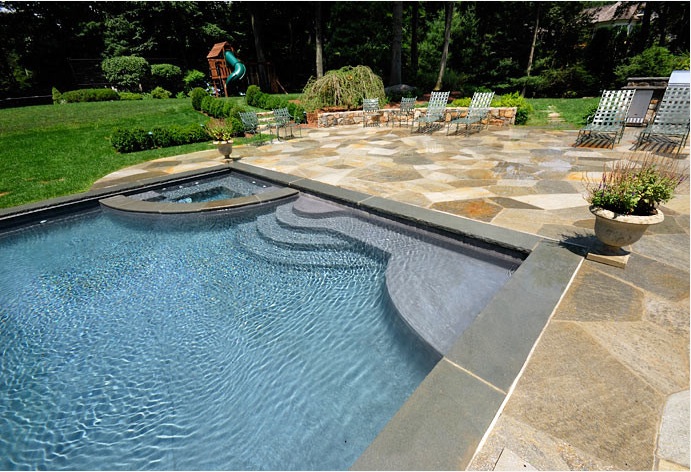
Credit: www.shorelinepools.com
Comparing Pool Shallower Inserts
Choosing the right method depends on your pool type, budget, and goals. Here’s a useful comparison:
| Insert Type | Permanent/Removable | Cost Range (USD) | Best For |
|---|---|---|---|
| Concrete Floor Insert | Permanent | $8,000–$20,000 | Long-term, home value |
| Modular Platform System | Removable | $2,000–$10,000 | Temporary use, swim schools |
| Vinyl Pool Insert | Permanent | $3,000–$7,000 | Vinyl liner pools |
| Fiberglass Shell | Permanent | $7,000–$18,000 | Quick, smooth finish |
| Foam Platform | Removable | $500–$2,000 | Events, therapy, kids |
Planning Your Pool Depth Change
Before you start, consider these important points:
Know Your Goal Depth
Think about who uses your pool. For family use, 3. 5 to 5 feet is ideal. If you want a play area, consider a uniform depth. For exercise, 4 feet works well.
Practical tip: Don’t make it too shallow. If it’s less than 3 feet, adults might find it hard to swim or float.
Pool Type Matters
Not all pools are the same. Concrete, vinyl, and fiberglass pools each need different inserts. For vinyl pools, always change the liner if you adjust the floor.
Budget And Timing
Costs can vary a lot. Permanent changes are more expensive but last longer. Temporary platforms are cheaper but may not meet all needs. Plan for 2–4 weeks for most permanent projects, and a few hours for temporary inserts.
Permits And Rules
Most cities require a permit to change a pool’s depth. Check with your local building office before starting work. Some homeowners’ associations also have rules.
Professional Vs. Diy
Small, temporary inserts can be a DIY project. Concrete or fiberglass inserts almost always need a professional contractor. Mistakes can be costly or unsafe.
Step-by-step: Installing A Permanent Pool Floor Insert
If you choose a concrete or modular insert, here’s what happens:
Step 1: Assess And Design
A pool contractor will measure your pool and design the new floor. They check the pool structure, plumbing, and how much the water level will change.
Step 2: Prepare The Pool
The pool is drained. Workers remove ladders, drains, or other hardware in the deep area.
Step 3: Build The Insert
- For concrete, forms are built and steel rebar is placed.
- For modular systems, the pieces are assembled in the pool.
Step 4: Pour Or Place Material
Concrete is poured or the modular system is installed. Everything is leveled carefully.
Step 5: Finish The Surface
The new surface is smoothed and finished to match the rest of the pool. For vinyl pools, a new liner is fitted.
Step 6: Fill And Test
The pool is refilled, and the water chemistry is balanced. All systems are tested before use.
Expert tip: Ask your contractor about warranty and maintenance. Good companies offer at least a 5-year warranty on the new floor.
Real-world Examples
Let’s see how homeowners use inserts to change their pools.
Family With Small Children
A family had a 9-foot-deep pool that was rarely used. They chose a concrete insert to raise the floor to 4 feet. The kids now play safely, and the pool is easier to clean.
Swim School
A swim school installed removable modular platforms to create a shallow teaching area. They remove the platforms for advanced classes. This flexibility means more students and higher income.
Senior Living Center
A retirement home added foam-based platforms to their pool for therapy sessions. Residents feel safer, and the staff can adjust depth for each group.
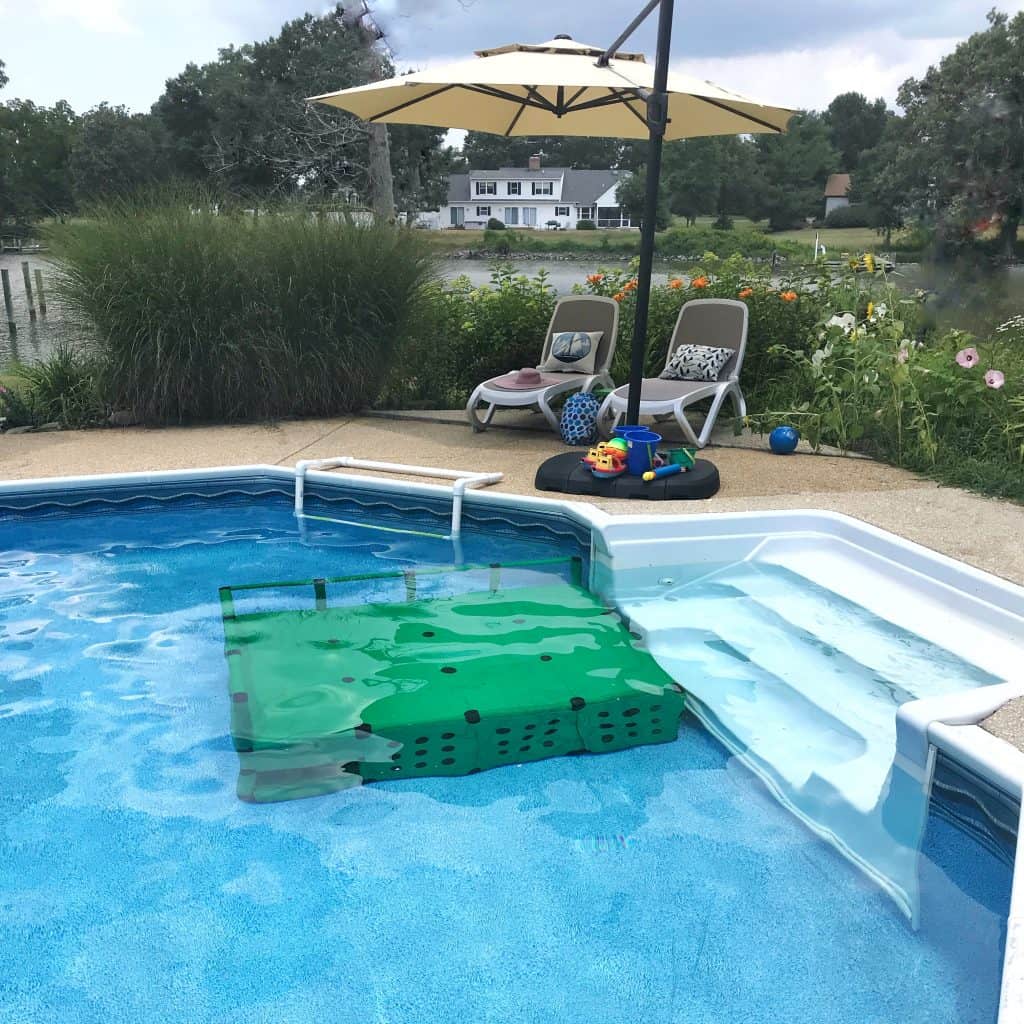
Credit: fortbirthday.com
Pros And Cons Of Pool Shallower Inserts
No solution is perfect. Here’s a summary of what to expect.
| Method | Pros | Cons |
|---|---|---|
| Concrete Insert | Permanent, strong, adds value | Costly, messy, not reversible |
| Modular Platform | Removable, flexible, quick | May not feel solid, storage needed |
| Vinyl Insert | Affordable for vinyl pools | Limited to certain pool types |
| Fiberglass Shell | Fast, smooth, low maintenance | High upfront cost |
| Foam Platform | Cheap, portable, good for kids | Not suitable for daily use |
Common Mistakes To Avoid
Many pool owners make the same mistakes. Here’s what to watch out for:
- Ignoring Water Volume Changes: A shallower pool holds less water. This affects filtration and chemical dosing. Adjust your pool’s pump and chemical routines.
- Choosing the Wrong Material: Not all pools can use every insert. For example, concrete isn’t safe for some vinyl pools.
- Skipping Permits: Always check local building codes. Unapproved changes can lead to fines or insurance problems.
- Underestimating Cost: Ask for a detailed quote, including surface finishing and plumbing changes.
- DIY on Big Jobs: Complex inserts should be installed by professionals. Bad installation can lead to leaks or cracks.
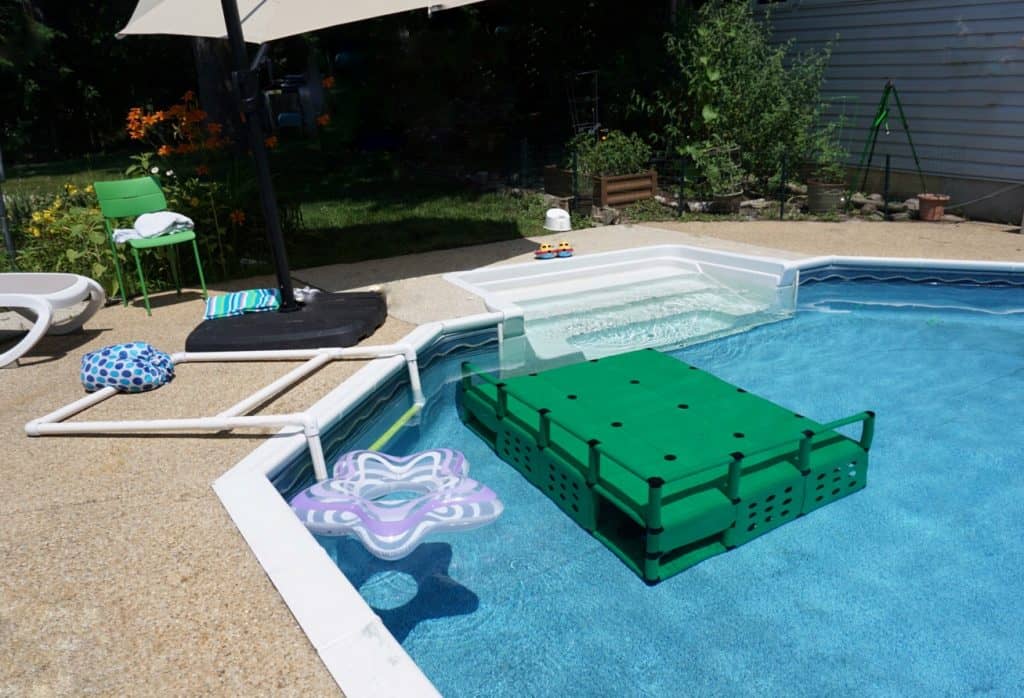
Credit: fortbirthday.com
Maintenance After Making Your Pool Shallower
Your new pool will need some changes in maintenance:
- Less Water, Fewer Chemicals: You’ll use less chlorine and algaecide.
- Shorter Cleaning Times: A smaller pool is faster to vacuum and skim.
- Check Equipment: Your pool pump and filter may need adjustment for lower water volume.
- Surface Care: New concrete or liners may need special cleaning for the first few months.
Non-obvious tip: Mark your new pool depth with tiles or signs. This helps guests know where it’s safe to swim.
Costs And Value
Changing your pool’s depth isn’t cheap, but it can pay off. On average, permanent inserts cost $8,000 to $15,000 depending on pool size and materials. Temporary inserts start around $500. Homeowners often find that the long-term savings in maintenance and energy offset the initial investment.
Data point: According to the National Association of Realtors, shallower pools can increase resale value by making the home more attractive to families.
When Not To Make A Pool Shallower
Sometimes, it’s best to leave your pool as is:
- If you use the deep end for diving.
- If you plan to sell soon and your area prefers diving pools.
- If your pool is very old or damaged—sometimes repairs cost more than a new pool.
If you’re not sure, ask a pool professional for a full inspection and advice.
Professional Vs. Diy: What’s Realistic?
Some jobs are easy DIY, like foam or modular platforms. But most permanent inserts need skilled contractors. They know how to:
- Check your pool’s structure and plumbing.
- Design the insert for safety and durability.
- Get permits and follow building codes.
Warning: A poorly built insert can leak, crack, or even collapse. Don’t risk your investment—know when to call a pro.
Where To Find Pool Inserts And Installers
Start with local pool companies. Search online for “pool depth conversion” or “pool floor insert. ” Ask for references and examples of past work.
Pro tip: Always ask for a warranty and read reviews. Bad installers can cause expensive repairs later.
For more technical details and guidelines, you can visit resources like the Wikipedia Swimming Pool page.
Frequently Asked Questions
What Is The Cheapest Way To Make My Pool Shallower?
The cheapest way is to use foam-based platforms or modular inserts. They start around $500 and can be placed and removed easily. However, they are not permanent and may not work for large pools.
Can I Make My Pool Shallower By Just Adding Sand Or Dirt?
No, adding sand or dirt is not recommended. These materials can shift, cause drainage problems, and damage the pool structure. Always use engineered materials like concrete, gravel, or approved inserts.
Will Making My Pool Shallower Affect My Home Insurance?
Yes, it can. Many insurance companies prefer shallower pools because they are safer. Some may reduce your premium after the depth is changed. Always notify your insurer of any major pool changes.
How Long Does It Take To Install A Pool Floor Insert?
Permanent inserts usually take 2–4 weeks, including planning, permits, and installation. Temporary platforms can be installed in a few hours. Weather, pool size, and contractor schedule can affect timing.
Can I Reverse The Process And Make My Pool Deep Again?
In most cases, permanent changes are not reversible. Concrete and fiberglass inserts are meant to last. Removable modular or foam platforms can be taken out, but they are not meant for permanent conversion.
—
Adjusting your pool’s depth with an insert is a smart solution for many homeowners. It can improve safety, reduce costs, and make your pool more enjoyable for everyone. Take time to choose the right method, work with experienced professionals, and plan your project carefully.
With the right approach, your pool can fit your family’s needs for years to come.