
When water suddenly backs up in your basement or toilet, panic often sets in. But if you own a home built before the 1970s, you may be dealing with a very specific problem: Orangeburg pipes. These tar paper pipes were once a popular choice, but their weaknesses mean clogs and collapses are common today. Learning how to unclog Orangeburg pipes can save your property and wallet—if you understand the right steps and dangers.
Let’s dive into what makes Orangeburg pipes unique, why they clog, and how to clear them. This guide covers essential methods, tools, safety advice, and long-term solutions. You’ll also learn non-obvious tips that many homeowners and even some pros miss.
What Are Orangeburg Pipes?
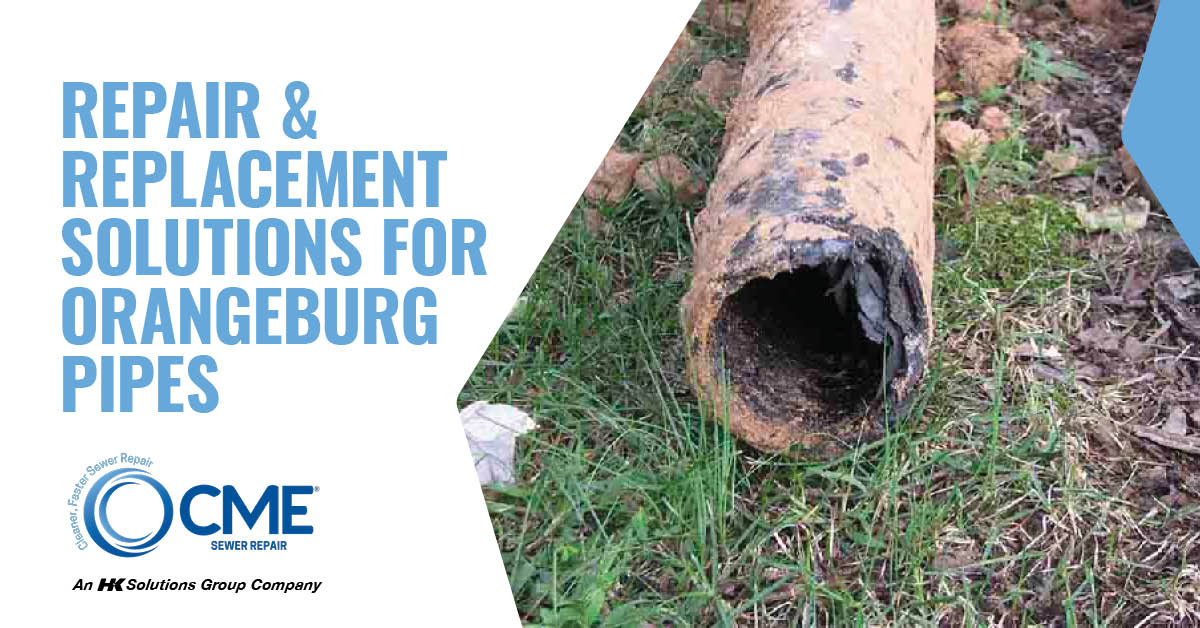
Orangeburg pipes are a type of sewer pipe made from layers of wood pulp and pitch (a tar-like substance). They were widely installed in North American homes from the 1860s through the 1970s, especially during building booms after World War II. The name comes from Orangeburg, New York, where the main manufacturer was based.
Features Of Orangeburg Pipes
- Material: Compressed wood fibers, sealed with coal tar pitch
- Diameter: Usually 3–6 inches (7.5–15 cm)
- Lifespan: Intended for 50 years, but often fail earlier
- Weaknesses: Prone to softening, deformation, and collapse
Unlike clay or cast iron, Orangeburg pipes are not rigid. Over time, they absorb moisture, lose shape, and can even flatten under soil pressure. This makes them especially vulnerable to clogs and root intrusion.
Their lightweight construction made them quick and easy to install, especially when materials like iron and clay were scarce or costly. However, this ease of installation came at the price of durability. Homeowners today are often surprised to discover that their “solid” sewer line is actually made of layered paper and tar, which is far less durable than it sounds.
A point many people overlook: Orangeburg pipes don’t only fail from the inside. Soil chemicals and shifting earth can also break down the pipe walls from the outside, leading to unseen weaknesses until a major problem appears. This outside-in deterioration is not obvious without a camera inspection.
Why Orangeburg Pipes Clog So Easily
Understanding the unique clogging risks of Orangeburg pipes helps you choose the safest way to clear them.
- Pipe Deformation: Over the years, these pipes tend to oval or flatten, making it easy for debris to catch and build up. When the round shape is lost, the flow of water slows, and waste no longer moves as intended.
- Absorption of Water: The material softens, causing the interior surface to become rough, which snags waste. A rough interior also increases the risk that fats, oils, and grease will stick inside the pipe, building up over time.
- Root Infiltration: Tree roots love the seams and soft walls, quickly breaking through and causing blockages. Even small cracks can become major openings for roots, which grow rapidly inside the pipe and create dense tangles.
- Collapse and Breakage: Partial collapses can narrow the pipe, leading to chronic clogs. Sometimes, the collapse is so subtle that only a camera can confirm it; water may still flow, but slower and with constant blockages.
- Tar Leaching: Over time, tar can leach into the soil, sometimes causing pipe layers to separate. This delamination means the pipe might look fine from the outside but is actually coming apart on the inside.
Beginners often miss that using aggressive mechanical tools can easily break these pipes. Also, some blockages are actually caused by collapsed sections, not just typical clogs—so standard snaking won’t work.
Another overlooked risk: Orangeburg pipes can be affected by heavy vehicles or new landscaping above them. Even adding a patio or driveway can add enough weight to speed up deformation and clogging, especially if the pipes are already weakened.
:max_bytes(150000):strip_icc()/Sewer-pipe-types-1822511-v1-809aea8b85ce4ced87980dad6a012e35.png)
Credit: www.thespruce.com
Warning Signs Your Orangeburg Pipe Is Clogged
Before you grab a plunger, look for these clues:
- Slow drains throughout the house (not just one sink)
- Gurgling sounds from toilets or drains
- Foul sewer odors inside or outside
- Water backing up in basement drains or tubs
- Wet spots or sinkholes in the yard above the pipe
If you notice these signs and have an older home, Orangeburg pipes are a likely culprit.
Sometimes, you’ll also see sewer flies or an increase in insects near drains. This can signal a leak or blockage in the system. Also, pay attention to any odd changes in water pressure or bubbling in toilets when other fixtures are draining—these are early warnings that often get ignored until a bigger backup happens.
Safety First: Key Precautions
Unclogging Orangeburg pipes is riskier than clearing modern pipes. The material is fragile, so you need to:
- Avoid high-pressure water jets (hydro jetting), which can destroy the pipe
- Use gentle, flexible tools—not aggressive augers
- Never use caustic chemicals (like drain cleaner), as these can break down the pipe walls
- Know the pipe’s location before digging or using any equipment
If you suspect a total collapse, stop all DIY efforts and call a professional. Continuing can cause a sewer backup or expensive damage.
Another important safety tip: always ventilate the area when working with sewer lines. Sewer gases can be dangerous or even deadly in confined spaces like basements. If you smell strong gas, wait for a pro.
And don’t forget personal protection. Wear old clothes and rubber boots, as sewage can carry harmful bacteria. Keep children and pets away from work areas and wash up thoroughly after any work.

Credit: www.groundtechmn.com
Essential Tools And Supplies
You’ll need the right equipment, but not all common drain tools are safe for Orangeburg pipes.
Safe Options
- Plumbing snake (drain auger): Use only the flexible, manual type—not motorized or cutting heads
- Drain bladder (gentle water pressure device): Only for minor clogs, and never at full force
- Pipe inspection camera: To see the inside before and after clearing
- Protective gloves and goggles
- Wet/dry vacuum: For removing standing water
A non-obvious but useful tool is a small bucket or pan for catching sewage when you open the cleanout. This helps prevent messes that are hard to clean up and controls odors during the job.
What To Avoid
- Mechanical cutters: These can tear or collapse the pipe
- Chemical drain cleaners: Dangerous for Orangeburg material
- High-pressure jetters: Can destroy pipe walls instantly
Here’s a quick comparison of tools:
| Tool | Safe for Orangeburg? | Typical Use |
|---|---|---|
| Manual Plumbing Snake | Yes | Minor to moderate clogs |
| Motorized Auger | No | Heavy clogs, but risky for Orangeburg |
| Drain Bladder | With caution | Small blockages, gentle use only |
| Chemical Cleaner | No | Never recommended |
Pro tip: If you’re not sure what type of pipe you have, always start with the gentlest tool and increase force only if you’re certain the pipe is not Orangeburg.
Step-by-step Guide: How To Unclog Orangeburg Pipes
The safest way to unclog these pipes is to use low-impact methods and verify pipe condition at every stage. Here’s how to do it:
1. Locate The Pipe And Cleanout
Find the main sewer cleanout—a capped pipe, often near your foundation or basement wall. If you don’t have one, access may require removing a toilet or a section of pipe, which is best left to pros.
Tip: Take note of where slow drains or backups occur. This helps you pinpoint the clog’s location.
If your home has additions or changes, sometimes the cleanout is outside, hidden under landscaping, or even beneath a deck. A metal detector can sometimes locate buried cleanout covers.
2. Inspect With A Camera (if Possible)
A sewer inspection camera lets you see if the pipe is blocked, deformed, or collapsed. Many tool rental shops offer cameras. Insert the camera gently; never force it if you feel resistance.
- If you see collapsed pipe or standing water: Stop and call a professional.
- If you see roots or a soft blockage: Proceed to gentle clearing.
Camera inspection gives more information than you might expect. It can reveal multiple trouble spots, letting you plan for future repairs. Sometimes, you’ll see water pooling at low points (“bellies”) in the pipe—these often cause repeated slow drains.
3. Prepare The Area
- Wear rubber gloves and old clothes.
- Place buckets or a wet/dry vacuum nearby.
- Remove the cleanout cap slowly to release any pressure.
If water or sewage spills out, use towels or a mop to contain the mess. Have disinfectant ready for cleaning surfaces.
4. Use A Manual Plumbing Snake
Feed the snake slowly into the cleanout. Rotate gently as you advance, but never force the tool.
- For root clogs, back out if you meet resistance.
- For debris, work the snake back and forth until water starts to drain.
Common mistake: Beginners often try to break through clogs aggressively, but this can rupture the pipe. Patience is key.
If you’re not making progress within 10–15 minutes, withdraw the snake and check for signs of collapse or a stuck tool. Forcing the snake further can make the problem worse or get your tool stuck.
5. Try A Drain Bladder (with Caution)
If the snake doesn’t work, use a drain bladder attached to a garden hose. Insert it into the cleanout and turn on the water slowly.
- Only use the lowest pressure setting.
- Watch closely for water backing up—stop immediately if you see this.
- Never use in cold weather (frozen pipes can burst).
A beginner’s mistake is leaving the bladder running too long. If the water doesn’t move after 1–2 minutes, stop and reassess.
6. Flush The Line
Once the blockage clears, run hot water through the drain for several minutes. This helps wash away loose debris.
Pro tip: Add a small amount of dish soap to help lubricate the pipe, but avoid harsh chemicals.
If the water drains slowly or not at all, it may signal a partial collapse or a stubborn clog that needs professional help.
7. Re-inspect With Camera
If possible, check the pipe again to confirm the clog is gone and the pipe isn’t damaged. This step is often skipped, but it can catch hidden issues early.
Look for “scalloping” or rough areas inside the pipe—these are spots where blockages may return soon. Take photos or record video for your records; it can help if you need to show a plumber later.
8. Clean Up And Monitor
Replace the cleanout cap. Monitor drains for the next few days. If problems return quickly, you may have a deeper structural issue.
Keep a log of any backups or slow drains. This information helps professionals diagnose the problem faster and more accurately.
Credit: www.hksolutionsgroup.com
When To Call A Professional
Some Orangeburg pipe problems are beyond DIY repair. Call a plumber if you experience:
- Repeated clogs within weeks or months
- Standing water in the pipe after clearing
- Sewage leaks in your yard or basement
- Pipe collapse seen on camera
Professionals have specialized tools, like root saws and pipe liners, and can advise if you need pipe replacement.
Also, if you notice foul odors lingering after a backup, or if part of your lawn becomes soggy for no reason, these are signs of a leak or break that only a pro can fix safely.
Long-term Solutions For Orangeburg Pipes
Clearing a clog is only a temporary fix. Orangeburg pipes will eventually fail—often sooner rather than later.
Pipe Replacement Options
Most experts recommend replacing Orangeburg pipes entirely. Here are the main choices:
| Replacement Material | Pros | Cons |
|---|---|---|
| PVC | Durable, inexpensive, root-resistant | Requires trenching |
| HDPE | Flexible, fused joints, very long life | Higher material cost |
| Cured-In-Place Pipe (CIPP) Liner | No digging, reinforces old pipe | Not suitable for collapsed sections |
Non-obvious insight: Even if only part of your Orangeburg pipe is clogged, the rest is likely to fail soon. Replacing just a section is rarely cost-effective in the long run.
A detail many miss: If your sewer line runs under a city sidewalk or street, you may be responsible for those repair costs too. Always check with your city before starting work.
Pipe Lining Vs. Excavation
- Pipe lining is less invasive, using a flexible liner inside the old pipe.
- Excavation means digging up and replacing the entire pipe.
If your pipe has already collapsed or is severely deformed, excavation is the only option.
Trenchless methods (like pipe bursting or lining) can save your yard and reduce costs, but they require the pipe to have enough structural integrity to work. Severely misshapen or fully collapsed Orangeburg pipes can’t be lined successfully.
Preventing Future Clogs In Orangeburg Pipes
While you plan for replacement, you can reduce the risk of new blockages:
- Limit what goes down the drain: Avoid flushing wipes, grease, or anything stringy.
- Trim nearby trees and roots: Roots love Orangeburg pipes.
- Schedule routine inspections: A camera check every year can spot problems early.
- Install a backwater valve: This prevents sewer backups during heavy rain.
Surprising fact: Many insurance policies do not cover Orangeburg pipe failures. Check your policy and budget for replacement accordingly.
Another tip: Installing root barriers when landscaping can keep roots from reaching your sewer line. Some homeowners even remove large trees near the line to avoid future trouble.
What If The Pipe Is Collapsed?
If your pipe has collapsed, unclogging is not possible. You may notice:
- Sudden, total backup of all drains
- Standing water that does not drain, even after snaking
- Visible sinkhole or depression in the yard
These are emergencies. Digging up and replacing the broken section is the only solution. Modern pipe replacements typically last 50–100 years.
A collapsed pipe can also attract rodents and insects to your yard, as sewage leaks provide food and moisture. Fixing the problem quickly is best for both your health and your property value.
Cost Of Unclogging And Replacing Orangeburg Pipes
Costs can vary widely:
- DIY unclogging: $10–$100 for a snake or camera rental
- Professional cleaning: $200–$600 per visit
- Full replacement: $5,000–$20,000 or more, depending on length and depth
If your sewer line is under a driveway or trees, expect higher costs.
Non-obvious tip: Some cities offer low-interest loans or partial funding to replace failing sewer lines. Check with your local government for programs.
Also, ask plumbers about warranties on new lines. Many offer guarantees of 20 years or more, which can be a selling point if you plan to move in the future.
Common Mistakes To Avoid
Many homeowners cause more harm than good by:
- Forcing a motorized auger through the pipe
- Pouring chemical drain cleaners into the system
- Ignoring repeated backups (these signal deeper issues)
- Waiting until a major failure before calling for help
Gentle, early intervention can save money and prevent a messy disaster.
Another common error: assuming a clog is “just a clog.” With Orangeburg pipes, every blockage is a warning sign of bigger problems ahead.
Real-world Example
In Toronto, a homeowner noticed repeated backups in their 1950s house. After snaking the drain several times, they rented a camera and discovered tree roots had crushed part of the Orangeburg pipe. The partial collapse meant DIY methods only provided temporary relief. Replacement with PVC pipe solved the problem for good—and actually raised the property value.
In another case, a homeowner in Ohio kept experiencing slow drains despite regular cleanings. A plumber’s inspection revealed the Orangeburg line was oval-shaped and full of small leaks, allowing soil to wash in and block the pipe. After replacing the line with HDPE, the drainage was perfect, and lawn sinkholes stopped appearing.
Environmental Impact
Replacing Orangeburg pipes also benefits the environment. Old pipes can leak sewage into the soil and groundwater. Modern materials like PVC or HDPE are non-toxic and last much longer.
Another benefit: newer pipes reduce the risk of contaminating local rivers and streams with untreated wastewater, protecting public health and wildlife.
For more on the history and risks of Orangeburg pipes, see the Orangeburg Pipe Wikipedia page.
Frequently Asked Questions
What Are Orangeburg Pipes Made Of?
Orangeburg pipes are made from layers of wood pulp and coal tar pitch. This composition makes them lightweight but not very strong. Over time, they soften and deform, especially when exposed to moisture.
How Long Do Orangeburg Pipes Last?
Most Orangeburg pipes were designed for a 50-year lifespan. However, many fail much earlier due to root intrusion, soil pressure, and material breakdown. If your home was built before 1970, these pipes may already be at the end of their life.
Can I Use A Power Auger To Unclog Orangeburg Pipes?
No, power augers are not safe for Orangeburg pipes. The aggressive action can easily tear, collapse, or destroy the pipe. Stick with a gentle, manual plumbing snake and avoid any tool with a cutter head.
How Do I Know If My Orangeburg Pipe Has Collapsed?
Signs of collapse include sudden, total backups, standing water that does not clear after snaking, or visible sinkholes in your yard. A sewer camera inspection can confirm the condition of the pipe.
Should I Repair Or Replace My Orangeburg Pipes?
If your Orangeburg pipes clog repeatedly or show signs of deformation or collapse, replacement is the best option. Repairs may buy time, but the entire line will likely fail soon. Modern materials like PVC or HDPE are much more durable and offer long-term peace of mind.
Unclogging Orangeburg pipes requires patience, gentle methods, and a focus on long-term solutions. Taking the right steps now can save your home from costly water damage and protect your investment for decades to come.