
Nobody expects to find ants marching inside a microwave. Yet, it happens more often than you might think. Picture this: you open your microwave, ready to reheat a snack, and instead, you spot a trail of tiny ants scurrying around. It’s unsettling, unhygienic, and leaves you wondering how they even got there. The truth is, ants in microwaves are a surprisingly common household problem, especially in warmer months or in homes where food crumbs are left behind. But don’t worry—getting rid of ants in your microwave and keeping them out for good is completely possible, even for beginners. This guide will walk you through every step, from understanding why ants invade microwaves to the most effective removal and prevention methods. If you want your kitchen clean and ant-free, keep reading.
Why Are Ants Attracted To Microwaves?
Ants don’t invade microwaves because they like electronics. They’re simply following their strongest instinct: finding food. Microwaves are often covered in food residue, grease, and crumbs—especially if you don’t wipe them after every use. Sweet or greasy foods are magnets for ants, and the warm, enclosed space can feel like a safe haven. Here are some main reasons ants target microwaves:
- Leftover food particles: Even tiny crumbs or spills attract ants.
- Sweet scents: Sugary residues, like from reheated desserts, are especially appealing.
- Easy access: Ants are experts at finding the smallest gaps to crawl through.
- Warmth: The microwave’s warmth makes it an inviting place, especially for nesting.
If you notice ants in your microwave, there’s a good chance they’ve found a food source inside or nearby. Understanding why they’re there helps you tackle the problem at its root.
How Do Ants Get Into The Microwave?
It may seem impossible for ants to enter such a tightly sealed device, but these tiny insects can slip through nearly invisible gaps. Microwaves have small vents for heat dissipation and sometimes loose door seals. Here’s how ants usually get inside:
- Vents and openings: Every microwave has ventilation holes. Ants can easily crawl through these.
- Loose door seals: If the rubber gasket around the door is worn or damaged, ants can sneak in.
- Power cord holes: The back of the microwave where the cord enters can be an entry point.
- Carrying food in: Some species are strong enough to drag crumbs inside.
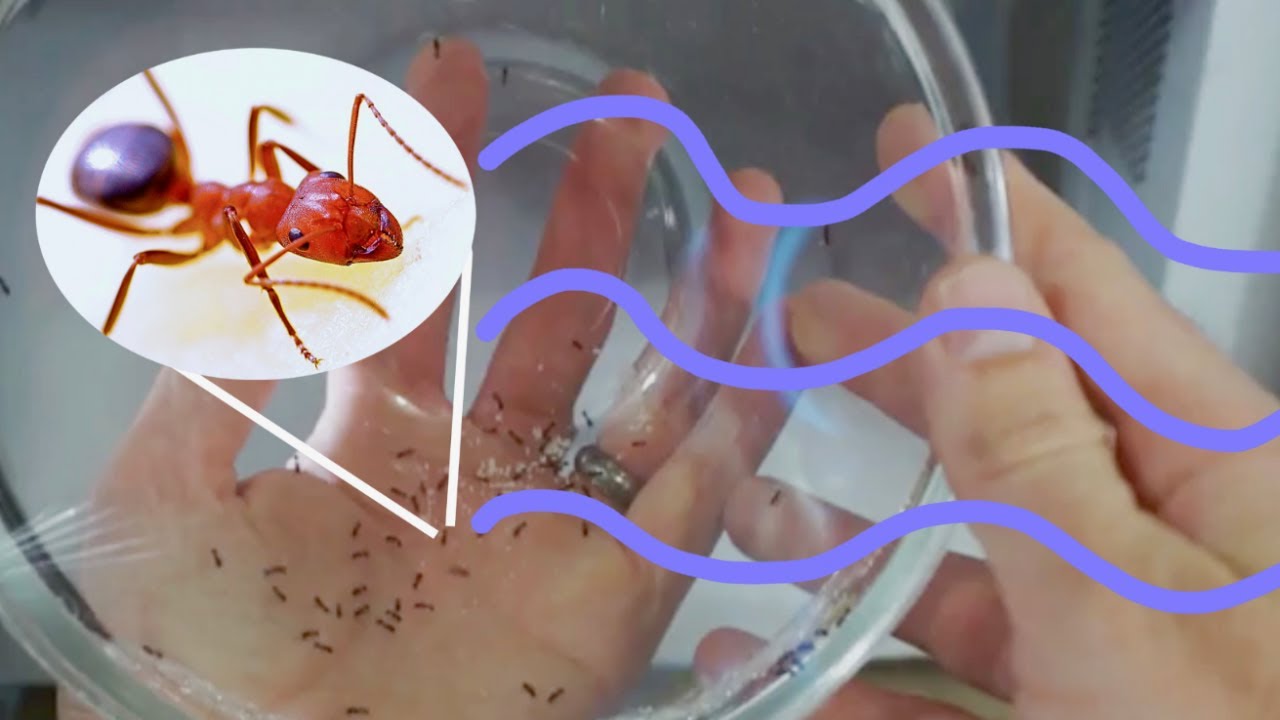
It’s important to know these access points so you can block them later. Also, ants rarely travel alone. If you see a few, there’s likely a larger ant trail leading to and from the microwave.
Credit: www.youtube.com
Health Risks And Dangers Of Ants In The Microwave
It’s tempting to think, “Ants are harmless.” But having them in your microwave poses a few real risks:
- Food contamination: Ants can carry bacteria from dirty places, spreading germs onto your food.
- Allergic reactions: For some people, ant bites or even close contact can cause allergic responses.
- Damage to microwave: Large ant infestations can cause electrical issues if they get into wiring.
- Unpleasant odors: Dead ants inside the microwave can create a bad smell, affecting your food’s taste.
Microwaving food with ants inside doesn’t always kill them, as microwave radiation targets water molecules, not insects. Some ants may survive, making the problem worse.
Step-by-step: How To Get Rid Of Ants In Your Microwave
Ready to reclaim your microwave? Follow these steps carefully. Each step is important for complete removal and prevention.
1. Unplug The Microwave And Empty It
Safety first. Always unplug the microwave before cleaning or inspecting it. Remove the glass turntable, tray, and any other loose parts. Take out any food items or wrappers inside.
2. Inspect And Identify The Ant Trail
Look closely at the inside and outside of your microwave. Where are the ants coming from and going to? Follow their path if you can. This will help you find their entry point and possibly their nest.
3. Deep Clean The Microwave
Ants are attracted to leftover food and grease. Cleaning removes their food source and helps erase the scent trail they use to communicate.
How to clean:
- Use a mixture of warm water and mild dish soap.
- Wipe all surfaces inside: Walls, ceiling, floor, and door.
- Clean the turntable and tray separately.
- For stubborn stains, microwave a bowl of water with lemon juice for 3-5 minutes. The steam loosens grime, and lemon’s scent helps repel ants.
Never use harsh chemicals or pesticides inside the microwave. They can leave dangerous residues on your food.
4. Clean And Check The Exterior
Don’t forget the outside. Ants often hide under or behind the microwave. Wipe down the top, sides, back, and especially around the door seal and buttons. Use a small brush to reach crevices. Also, check under the microwave for crumbs.
5. Block Entry Points
Now that your microwave is clean, focus on sealing where ants can get in.
Check and seal:
- Door gasket: If cracked or loose, replace it.
- Vents: Cover with fine mesh (but don’t block airflow completely).
- Power cord entry: Use a small piece of steel wool or sealant around the hole (ensure it’s heat-safe).
- Nearby cracks in countertops or walls: Fill these with caulk.
6. Remove Ant Trails With Vinegar
Ants leave behind a chemical trail (pheromones) so others can follow. Destroying this trail is key to stopping more ants from coming.
- Mix equal parts white vinegar and water.
- Wipe down all surfaces the ants traveled, inside and outside the microwave, and along countertops.
- Vinegar erases the scent and acts as a mild repellent.
7. Use Ant Baits Strategically
You might see fewer ants, but the colony could still be nearby. Baits help kill the entire nest.
- Place ant bait stations (gel or liquid) near the microwave, but never inside it.
- Ants carry the poison back to the nest, killing the queen and others.
- Do not kill visible ants immediately; let them return to the nest with the bait.
8. Clean The Kitchen And Surrounding Area
Ants rarely stop at one appliance. Deep clean the whole kitchen, focusing on:
- Countertops and backsplashes
- Under and behind appliances
- Pantry shelves and food containers
- Sink area and trash cans
Store food in airtight containers. Wipe up spills immediately. This removes alternative food sources and discourages ants from returning.
9. Monitor Daily For Reappearance
After cleaning and baiting, keep an eye on the microwave for several days.
- If you see more ants, repeat the cleaning and baiting process.
- Look for new ant trails elsewhere in the kitchen.
10. Repeat If Needed
It can take several days to a couple of weeks for all ants to disappear, especially if the colony is large. Stay patient and consistent.
Natural Remedies To Repel And Remove Ants
Some people prefer natural solutions over chemical baits. Here are popular methods that are safe for use around food areas:
Lemon Or Citrus
Ants dislike citrus scents. After cleaning, wipe the microwave and nearby surfaces with lemon juice or orange peels.
Peppermint Oil
Mix a few drops of peppermint essential oil with water. Spray it around the microwave’s exterior, vents, and kitchen entry points. Peppermint confuses ants’ sense of smell.
Diatomaceous Earth (food Grade)
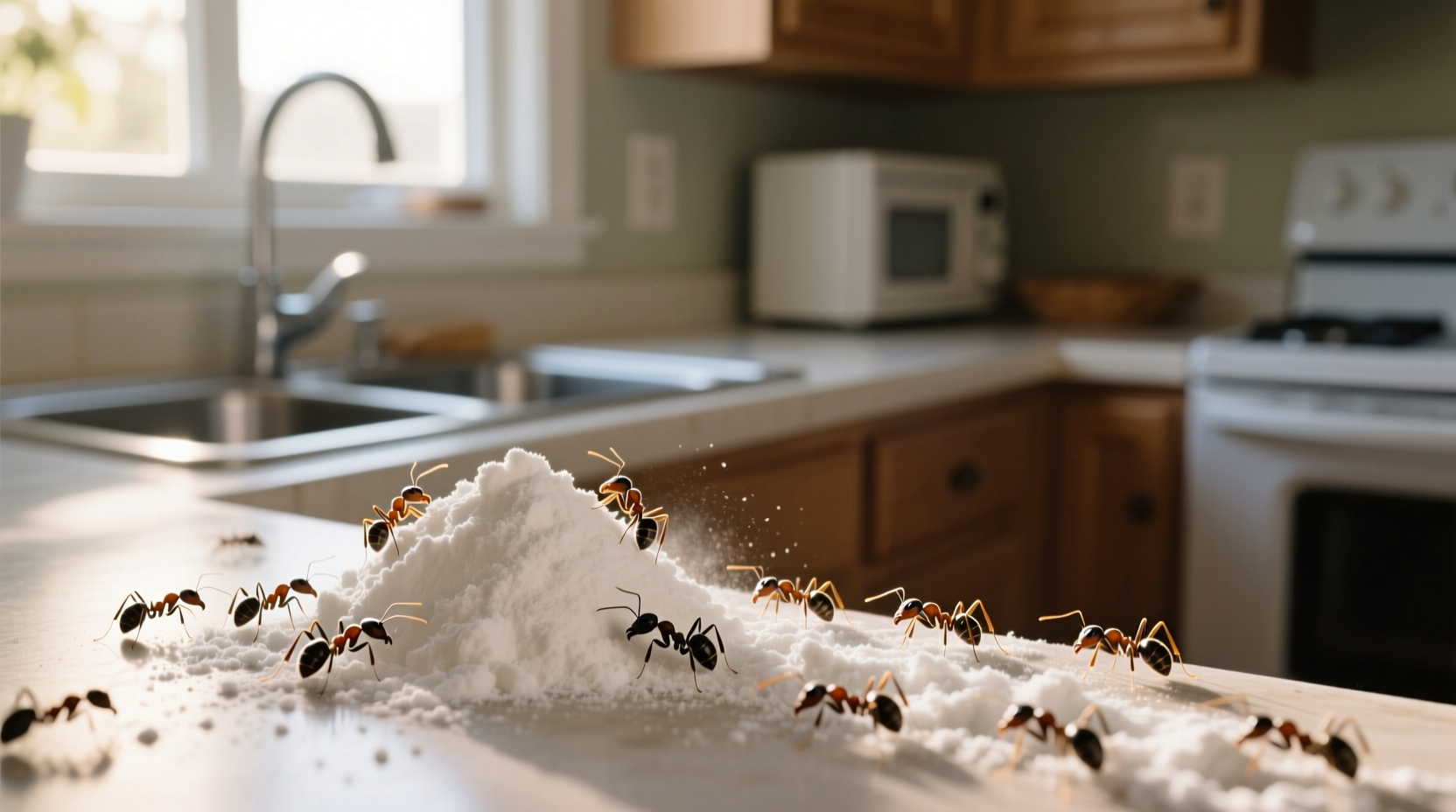
Sprinkle a thin layer of food-grade diatomaceous earth around the base of your microwave and along ant trails. It’s harmless to humans but deadly for ants, as it dries out their bodies.
Baking Soda And Sugar
Mix equal parts baking soda and powdered sugar. Place in small lids near ant trails. The sugar attracts ants, and the baking soda kills them when ingested.
Cucumber Peels
Ants dislike the bitterness of cucumber. Place fresh cucumber peels near the microwave or in ant-prone areas.
Salt
A simple line of salt across ant entry points can slow down or deter them, though it’s not a long-term solution.
Chemical Solutions: When And How To Use Them
Sometimes, natural remedies aren’t enough, especially for large infestations. Chemical solutions can help, but you must use them safely.
Ant Sprays
Never spray commercial ant killers inside the microwave. Instead, use ant sprays around the base, behind the microwave, and along ant trails outside food prep areas. Always let surfaces dry and wipe thoroughly before using the microwave.
Ant Bait Gels
Gels are effective because ants carry them back to the colony. Place gels close to, but not inside, the microwave. Follow the instructions on the packaging.
Professional Pest Control
If you’ve tried everything and ants keep returning, consider calling a licensed pest control professional. They can identify hidden nests and use targeted treatments that are safe for your kitchen.
Credit: lifetips.alibaba.com
How To Prevent Ants From Returning To Your Microwave
Once you’ve cleared out the ants, prevention is key. Here’s how to keep your microwave ant-free for the long term:
1. Clean After Every Use
Wipe the inside of the microwave, especially after heating messy or sweet foods. Don’t forget the door and buttons.
2. Store Food Properly
Never leave uncovered food in the microwave. Store leftovers in sealed containers.
3. Seal Entry Points
Regularly check the microwave’s vents and door seal. Replace damaged gaskets promptly.
4. Keep Kitchen Dry
Ants seek water as well as food. Wipe up spills and keep the area around the microwave dry.
5. Empty Trash Regularly
A full trash can with food waste is an open invitation for ants. Take out the trash every day if possible.
6. Use Natural Repellents
Wipe surfaces with vinegar or citrus weekly to discourage ants from returning.
7. Inspect Regularly
Check for signs of ants in and around the microwave every week, especially in spring and summer.
Common Mistakes When Dealing With Ants In A Microwave
Many people make mistakes when trying to get rid of ants. Avoid these errors for the best results:
- Spraying insecticide inside the microwave: This is unsafe and can contaminate your food.
- Ignoring the source: Killing visible ants is not enough; you need to treat the colony.
- Not cleaning thoroughly: Missing crumbs or food residue will keep attracting ants.
- Blocking only one entry point: Ants can use multiple routes; check all possible openings.
- Using non-food safe products: Only use safe, non-toxic cleaners inside the microwave.
Comparing Ant Removal Methods
Here’s a quick comparison of the most popular ways to remove ants from your microwave area:
| Method | Effectiveness | Safety | Speed | Cost |
|---|---|---|---|---|
| Deep Cleaning + Vinegar | High | Very Safe | Fast | Low |
| Natural Repellents (Citrus, Peppermint) | Moderate | Very Safe | Moderate | Low |
| Ant Baits | Very High | Safe if used outside microwave | Slow (days-weeks) | Moderate |
| Chemical Sprays | High | Unsafe for food contact | Fast | Low |
| Professional Pest Control | Very High | Safe (when professional) | Fast | High |
How To Find And Destroy The Ant Nest
If you keep seeing ants, the nest is likely nearby. Here’s how you can locate and get rid of it:
- Follow the ant trail: Watch where ants are coming from or going to. Trails often lead to cracks, behind appliances, or outside.
- Check common hiding spots: Look under sinks, behind baseboards, in wall cracks, or outside near the kitchen window.
- Use baits: Place baits along the trail. If ants disappear after a few days, the nest is likely destroyed.
- Destroy the nest: For outdoor nests, pour boiling water or a mix of water and dish soap directly on the mound. Indoors, use ant bait to target hidden colonies.
How To Clean Your Microwave Safely After An Infestation
After removing ants, it’s important to sanitize the microwave so it’s safe for food again.
Step-by-step Cleaning:
- Unplug and disassemble: Take out the glass turntable and any removable parts.
- Wash removable parts: Soak in hot, soapy water. Rinse and dry completely.
- Clean interior: Wipe down with a sponge and soapy water. For tough spots, use a paste of baking soda and water.
- Deodorize: Microwave a bowl of water with lemon slices for 5 minutes. Wipe dry.
- Wipe exterior: Don’t forget the door, handle, and buttons.
- Let air dry: Leave the door open for an hour before plugging back in.
How Ants Survive In Microwaves
You might wonder, don’t microwaves kill ants? Not always. Microwave ovens heat water molecules, and ants are small enough to avoid direct exposure—especially if they hide in dry spots or corners. Some species even sense the heat and move away.
That’s why simply running the microwave won’t solve your ant problem.
Foods That Attract Ants Most
Some foods are much more likely to draw ants. If you heat or store these in your microwave, be extra careful:
| Food Type | Examples | Ant Attractiveness |
|---|---|---|
| Sugary | Cakes, cookies, jam, syrup | Very High |
| Greasy/Oily | Pizza, fried foods, butter | High |
| Starchy | Bread, rice, pasta | Moderate |
| Protein | Meat, cheese | Low |
| Fruits | Bananas, apples, grapes | High |
Special Tips For Homes With Children Or Pets
If you have kids or pets, be extra cautious with ant control methods:
- Avoid toxic baits or sprays: Place baits in child-proof, pet-proof stations.
- Use natural repellents: Vinegar, lemon, and diatomaceous earth are safe for most homes.
- Keep food out of reach: Don’t let children leave snacks near the microwave.
- Supervise cleaning: Make sure no chemical residue is left behind.
Is It Time To Replace Your Microwave?
If your microwave is very old or heavily infested, you might wonder if it’s better to replace it. Here’s when to consider a new one:
- The door seal is damaged and can’t be fixed.
- Ants have reached the electronic parts, causing malfunctions.
- You notice strange odors or sparks after cleaning.
- Deep cracks or rust are present inside.
A new microwave with tight seals and modern design can help prevent future infestations.
Ant Species Most Likely To Invade Microwaves
Not all ants behave the same. Some are more likely to invade kitchens and microwaves:
- Sugar ants: Love sweet foods, common in kitchens.
- Argentine ants: Form large colonies and travel long trails.
- Pharaoh ants: Prefer warm, hidden spaces like electronics.
- Odorous house ants: Attracted to sugary and greasy foods.
Knowing the type can help you choose the best bait or repellent.

Credit: www.wikihow.com
Ant Control: What Science Says
Scientific studies show that integrated pest management (using several methods together) is the most effective way to control ants. Baits work best for destroying colonies, while regular cleaning and sealing entry points keep them from returning. According to research by the National Pest Management Association, 80% of ant infestations start with food left out in the open.
If you want to dig deeper into the science of ant behavior and control, check out this resource from the U.S. Environmental Protection Agency.
Frequently Asked Questions
How Do I Safely Remove Ants From Inside My Microwave?
Unplug the microwave, remove any food, and clean all surfaces with soapy water. Avoid using chemical sprays inside. Use natural repellents like vinegar or lemon juice to wipe surfaces, and place ant baits outside the microwave.
Can I Use Bug Spray Inside My Microwave?
No, you should never use bug spray or pesticides inside the microwave. They can leave harmful residues that contaminate your food. Stick to food-safe cleaning solutions and target ant entry points outside the appliance.
How Long Does It Take To Get Rid Of Ants In A Microwave?
The process can take from a few days to two weeks, depending on the size of the infestation and how quickly you clean and use baits. Consistency is important—clean daily and monitor progress.
Why Do Ants Keep Coming Back To My Microwave?
If ants keep returning, you may have missed a food source or scent trail, or the colony is nearby and still active. Deep clean all kitchen surfaces, block all entry points, and use baits to destroy the colony.
Are Ants Dangerous If They Get Into My Food?
While most ants are not directly harmful, they can carry bacteria from dirty places, which could contaminate your food. Eating food that has come in contact with ants is not recommended, especially for children or people with allergies.
Taking the time to tackle ants in your microwave the right way pays off with a cleaner, safer kitchen. Remember, the key is not just removing the ants you see, but making your home less inviting so they never return.
With regular cleaning, smart prevention, and a little patience, you can keep your microwave—and your kitchen—completely ant-free.