
Gas leaks from stoves are dangerous but often go unnoticed until it’s too late. The risk is real: gas leaks can cause fires, explosions, and carbon monoxide poisoning. But many people don’t know how to detect a gas leak stove, or what to do if they suspect one. If you use a gas stove at home, learning how to spot leaks is one of the most important safety skills you can have. This article will guide you through everything: from the signs of a gas leak, to testing, prevention, and what steps to take if you find a problem. By the end, you’ll know exactly what to do to keep your home and family safe.
Why Gas Stove Leaks Are So Dangerous
Natural gas and liquefied petroleum gas (LPG) are common fuels for stoves. They are efficient and easy to use, but they have risks if not handled carefully. Gas leaks can fill your kitchen with flammable air. If a spark or flame appears, it can cause a fire or explosion. Even without fire, breathing in leaking gas can make you dizzy, sick, or worse. Some gases, like carbon monoxide, are also odorless and deadly. That’s why knowing how to detect leaks quickly is so important.
Common Gases Used In Stoves
Most homes use either natural gas or LPG (propane or butane) for cooking. Both are highly flammable, but they have different properties.
| Property | Natural Gas | LPG (Propane/Butane) |
|---|---|---|
| Main Component | Methane | Propane/Butane |
| Odor | Odorless (odor added) | Odorless (odor added) |
| Density (Air = 1) | 0.6 (lighter than air) | 1.5–2.0 (heavier than air) |
| Explosion Risk | High | High |
| Common Use | Piped supply | Cylinders/bottles |
Key insight: Natural gas rises and spreads out, while LPG settles close to the ground. This affects where leaks collect in your kitchen.
Recognizing The Signs Of A Gas Leak
Many people rely only on smell to detect a gas leak. While the “rotten egg” odor is the most common sign, it’s not the only clue. Here are important signs to watch for:
1. Unusual Smell
Gas companies add a chemical called mercaptan to give gas a strong, rotten egg odor. If you smell this, it’s a warning sign. However, some people lose their sense of smell, or the odor may be masked by other kitchen smells.
2. Hissing Or Whistling Sounds
Listen for a quiet hissing or whistling near your stove, especially around connections or hoses. This can mean gas is escaping through a small hole or crack.
3. Dead Or Discolored Plants Near Stove
If you have indoor plants near the stove, a gas leak can kill or discolor them. Gas reduces the oxygen plants need to live.
4. Bubbles In Standing Water
If there’s water on the floor near your stove (for example, from cleaning), watch for bubbles. Gas escaping under pressure can form bubbles in water.
5. Physical Symptoms
Gas leaks can cause dizziness, headaches, nausea, eye and throat irritation, and fatigue. If you feel these symptoms only when near the kitchen and they go away outside, suspect a leak.
6. Pilot Light Or Burner Problems
Burners that won’t light, or pilot lights that keep going out, can signal a leak or block in your gas line.
7. Dust Or Debris Blowing
Sometimes, leaking gas can blow dust or small debris near the leak site.
Non-obvious insight: Gas leaks can sometimes mute the odor over time, making the smell less noticeable if the leak is slow and long-term. That’s why it’s important to use multiple detection methods.
How To Detect A Gas Leak On Your Stove
Detecting a gas leak is not just about your nose. Here’s a step-by-step guide to check for leaks safely and accurately.
1. Stay Safe First
- Do not turn on or off any electrical switches.
- Avoid using your phone in the kitchen.
- Do not light any matches or lighters.
- Open windows and doors for ventilation.
2. Check With Your Senses
- Smell: Move close to the stove and sniff around. If you notice the rotten egg smell, move to the next steps.
- Listen: Turn off all appliances and listen in silence for hissing sounds.
- Look: Check for damaged hoses, loose connections, or signs of wear.
3. The Soapy Water Test
This is the most reliable home method. Here’s how to do it:
- Mix a small amount of dish soap with water in a spray bottle or bowl.
- Turn off the stove burners, but keep the main gas valve on.
- Apply the soapy water to all connections, hoses, and valves.
- Watch closely: If you see bubbles forming and growing, gas is escaping.
Practical tip: Even a tiny bubble means a leak. Don’t ignore small signs.
4. Use A Gas Leak Detector
A gas leak detector is an electronic device that senses gas in the air. You can buy simple handheld models for home use. Move the sensor slowly along the pipes, connections, and around the stove. The device will beep or flash if it detects gas.
5. Professional Inspection
If you suspect a leak but can’t find it, or if the leak is large, call a certified professional. They have advanced tools to trace leaks, including electronic sniffers and pressure testing equipment.
6. Using Leak Detection Sprays
Some hardware stores sell special sprays that are designed to detect gas leaks. They work like soapy water but are more sensitive and easy to use.

Credit: www.fixwerks.com
Areas To Check For Gas Leaks In A Stove
Gas leaks can happen in several parts of your stove setup. Here’s where to look:
1. Flexible Gas Hose
The hose connecting your stove to the gas supply is a common leak spot. Check for cracks, splits, or loose fittings.
2. Connection Points And Joints
These are where the pipes or hoses meet the stove or supply. Loose or poorly sealed joints often leak.
3. Burner Valves
The knobs you turn to start the stove can leak if their seals fail.
4. Regulator Valve
If you use LPG cylinders, check the regulator valve for leaks.
5. Cylinder Head (lpg Only)
The top of the cylinder, where the hose connects, is another high-risk area.
6. Pilot Light Assembly
If your stove has a pilot light, inspect the small tubes and connections.
Expert tip: Leaks often start small and get worse with time. Check regularly, especially after moving or cleaning the stove.
What To Do If You Suspect A Gas Leak
If you think there’s a leak, act fast. Your safety is the top priority.
1. Do Not Use Flames Or Switches
Don’t turn on lights, fans, or any electrical device. A small spark can ignite gas.
2. Ventilate The Area
Open windows and doors immediately to let gas escape.
3. Shut Off The Main Gas Supply
Find the main valve (usually behind or below the stove) and turn it off.
4. Leave The Area If Necessary
If you smell a strong gas odor or feel unwell, leave the home and call for help.
5. Call Emergency Services Or The Gas Company
Use a neighbor’s phone or call from outside. Tell them you suspect a gas leak.
6. Do Not Return Until Safe
Wait for professionals to declare the area safe before going back inside.
Non-obvious insight: Even after a leak is fixed, it’s important to air out the home well. Gas can linger in fabrics and low corners, especially with LPG.
How Often Should You Check For Gas Leaks?
Regular checks are the best way to prevent accidents. Here’s a recommended schedule:
- Monthly: Quick visual and smell check of all hoses, valves, and connections.
- Every 3–6 months: Do the soapy water test and listen for hissing.
- After Moving the Stove: Always check connections after cleaning or moving your stove.
- Annually: Call a professional for a full inspection if your stove is used daily or is more than 3 years old.
Key advice: Don’t skip checks even if your stove is new. Factory defects or installation errors can cause leaks.
Tools And Products To Detect Gas Leaks
Using the right tools makes detection safer and faster. Here are the most effective ones:
Soapy Water
- Cheap and easy to use.
- Good for visible connections.
Gas Leak Detection Sprays
- More sensitive than soapy water.
- No mess, and easy to apply.
Electronic Gas Detectors
- Detects even tiny amounts of gas.
- Some models can sense different gases (methane, propane, butane).
- Audible and visual alarms for safety.
Fixed Gas Alarms
- Install near the stove for constant monitoring.
- Sounds alarm if gas reaches dangerous levels.
- Important for homes with children, elderly, or people with poor sense of smell.
Professional Tools
- Used by technicians: Pressure gauges, advanced sniffers.
- Detect leaks deep inside pipes or in walls.
| Tool | Best For | Cost | Accuracy |
|---|---|---|---|
| Soapy Water | Home checks | Very low | Medium |
| Leak Spray | Quick checks | Low | High |
| Electronic Detector | Frequent checks | Medium | Very High |
| Fixed Alarm | Continuous safety | Medium-High | Very High |
| Professional Tools | Deep leaks | High | Expert-level |
Practical tip: For most families, a combination of soapy water checks and a simple gas alarm gives excellent protection.
Preventing Gas Leaks: Best Practices
Prevention is always better than cure. These steps help keep your stove safe:
1. Install Your Stove Properly
Always use a certified technician. Poor installation is a top cause of leaks.
2. Use Quality Hoses And Parts
Cheap or old hoses crack easily. Use parts recommended by your stove manufacturer.
3. Replace Parts Regularly
Gas hoses and regulators should be replaced every 2–5 years, or sooner if damaged.
4. Don’t Over-tighten Connections
Too much force can damage threads and seals, causing leaks.
5. Avoid Moving The Stove Often
Movement can loosen connections. If you must move it, check all joints after.
6. Check After Repairs
Always test for leaks after any repair, cleaning, or cylinder change.
7. Keep Flammable Items Away
Don’t store paper, oil, or cleaning chemicals near the stove.
8. Educate Family Members
Everyone in the home should know how to spot leaks and what to do.
9. Ventilate Your Kitchen
Install an exhaust fan or vent if possible. Good airflow reduces risk.
10. Install A Gas Alarm
Especially important if you have young children, elderly, or someone with a poor sense of smell.
Insider tip: Even “maintenance-free” stoves can develop leaks over time. Never skip regular checks.
What To Do If You Find A Leak
Discovering a leak can be scary, but calm action is best.
- Turn off the stove and main gas supply immediately.
- Open all windows and doors to clear the gas.
- Warn everyone in the house and help children or elderly leave quickly.
- Call the gas supplier or emergency number from outside.
- Do not try to repair a major leak yourself. Only tighten loose connections if you are certain it is safe and minor.
- Wait for professionals before using the stove again.
Common mistake: Trying to find a leak with a match or lighter. Never use flames to check for gas leaks.
Credit: generaltools.com
Gas Leak Detection: Common Myths Vs. Facts
Many people believe things about gas leaks that are simply not true. Let’s clear up some common myths:
| Myth | Fact |
|---|---|
| You can always smell a gas leak. | Some leaks are slow, or your sense of smell may be weak. Always use other methods too. |
| Only old stoves leak gas. | Even new stoves can leak if installed poorly or if parts are defective. |
| Electric appliances can’t cause a gas fire. | Switching on a light or fan can spark an explosion in a gas-filled room. |
| It’s safe to test for leaks with a candle. | Never use open flames for testing. It’s extremely dangerous. |
| Turning off the stove stops all leaks. | Leaks can occur in hoses, valves, or connections even when the stove is off. |
Special Considerations: Households With Children Or Elderly
Children and older adults may not recognize gas leaks as quickly. Take these extra steps:
- Place gas alarms at low and high points (since LPG and natural gas behave differently).
- Teach children to recognize the smell and to alert an adult.
- Ensure elderly family members know what to do if they smell gas or feel dizzy.
- Check the stove and connections more often if elderly people spend time in the kitchen.
Detecting Carbon Monoxide (co) From Gas Stoves
Natural gas and LPG can also create carbon monoxide if the stove does not burn cleanly. CO is odorless, colorless, and deadly. Signs of CO buildup include:
- Sooty stains around burners.
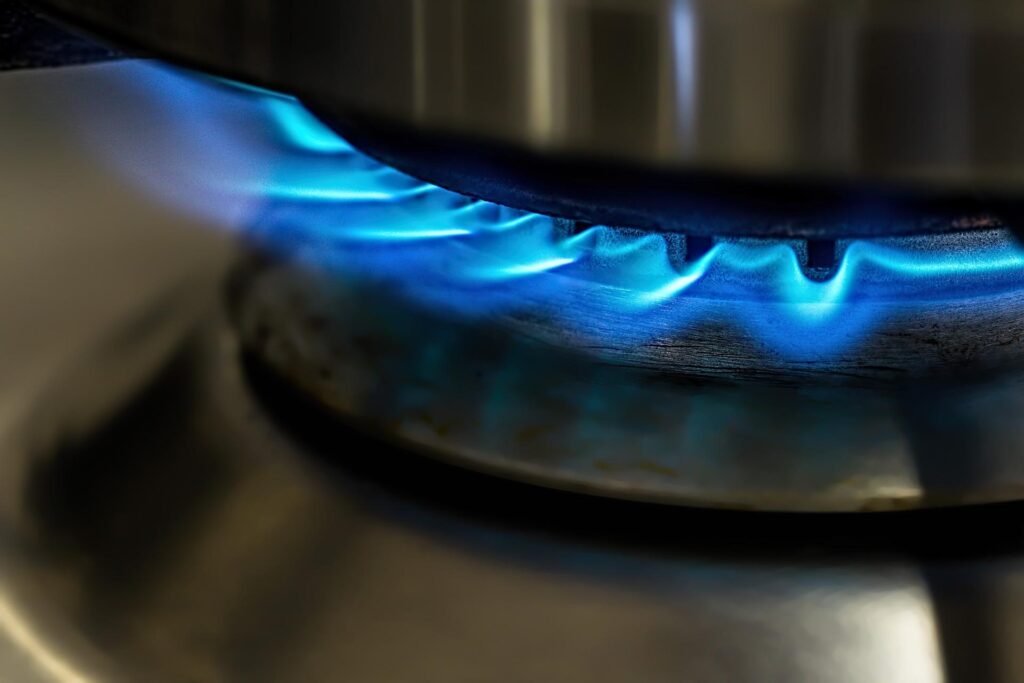
- Yellow or orange flame instead of blue.
- Family members feel sleepy, dizzy, or sick, especially during cooking.
Key advice: Install a CO detector near your kitchen for extra safety. These detectors are different from gas alarms and are also essential for homes with gas appliances.
When To Replace Your Gas Stove Or Parts
Gas stoves are durable, but not forever. Replace your stove or its parts if:
- The stove is more than 10–15 years old.
- You notice frequent leaks or repairs.
- Burner flames are always yellow, even after cleaning.
- Parts like hoses, valves, or regulators are cracked, stiff, or damaged.
Pro tip: Keep a maintenance log. Write down the date when you change hoses, regulators, or do full checks. This helps you remember when to replace parts.
Professional Help: When And Why To Call An Expert
Some tasks are best left to professionals:
- If you can’t find the leak but smell gas.
- If you have repeated leaks even after replacing parts.
- If you have installed a new stove or moved to a new home.
- For yearly safety checks.
Professionals have training, experience, and advanced tools. Never hesitate to call for help if you’re unsure.
Environmental Impact Of Gas Leaks
Leaking gas doesn’t just risk your safety—it harms the environment too. Methane (in natural gas) is a powerful greenhouse gas. Even small leaks from many homes add up to big problems for our climate. Fixing leaks helps keep your family and the planet safe.

Credit: www.youtube.com
Government Rules And Building Codes
Many countries have building codes for gas appliances. These rules cover:
- Proper installation by certified technicians.
- Ventilation requirements.
- Approved types of hoses and connectors.
- Regular inspection schedules.
Check your local regulations. Following the law is not just about avoiding fines—it’s about safety.
For more on gas safety codes, see the official U.S. Consumer Product Safety Commission.
Frequently Asked Questions
What Should I Do If I Smell Gas Near My Stove?
Immediately open all windows and doors, avoid using any electrical devices, and turn off the main gas supply. Leave the house if the smell is strong and call your gas company or emergency services. Never try to find the leak with a flame.
How Often Should I Check My Gas Stove For Leaks?
Do a quick visual and smell check monthly, a full soapy water test every 3–6 months, and get a professional inspection once a year or after moving or repairs. Always check after changing gas cylinders or parts.
Are Gas Detectors Necessary If My Stove Is New?
Yes. Even new stoves can leak due to installation errors or faulty parts. Gas detectors add another layer of safety, especially for children, elderly, or those with a weak sense of smell.
Can I Repair A Gas Leak Myself?
You can tighten a loose connection or replace a hose if you are sure of the source and it’s minor. For big leaks, or if you’re unsure, always call a professional. Never ignore a leak or try to patch it temporarily.
Is It Safe To Use My Stove After A Leak Is Fixed?
Only use the stove after a professional declares it safe. Air out your kitchen completely, check for lingering smells, and re-test all connections with soapy water before using the stove again.
Gas leaks are dangerous but preventable. With regular checks, the right tools, and quick action, you can keep your home safe and healthy. Stay alert, educate your family, and never ignore the warning signs of a gas leak stove.