
Cleaning a paella pan is not just about removing food and oil. It’s about protecting your pan, making sure it lasts for years, and ensuring your paella always tastes authentic. People often buy a paella pan, use it once, and then let it rust or lose its shine because they don’t know the right way to clean it.
If you’ve struggled with burnt rice stuck on the bottom, or you’re worried about damaging your pan, you’re not alone. With the right approach, you can keep your paella pan looking and performing like new. This guide shows you every step, from basic cleaning to deep care, so you can cook and clean with confidence.
Why Paella Pans Need Special Care
Paella pans are not like regular frying pans or skillets. They are often made from carbon steel, enameled steel, or stainless steel, and each material has its own needs. Paella pans are wide and shallow, which helps the rice cook evenly, but this shape also means food can stick or burn if you don’t clean it properly. Carbon steel pans, in particular, are prone to rust if not dried and oiled. Cleaning a paella pan the wrong way can shorten its life or ruin the flavor of your future dishes.
Understanding Your Paella Pan Material
Before you clean your pan, you need to know what material it’s made from. Here’s a quick overview to help you identify and care for your pan.
| Material | Pros | Cons | Cleaning Notes |
|---|---|---|---|
| Carbon Steel | Heats quickly, authentic flavor, affordable | Rusts easily, needs oiling | Never soak, dry fast, oil after cleaning |
| Enameled Steel | Doesn’t rust, easy to clean | Chips if dropped, not as traditional | No need to oil, avoid metal scrubbers |
| Stainless Steel | Rust-resistant, shiny, easy maintenance | More expensive, can discolor with heat | Scrub stains with baking soda if needed |
Non-obvious tip: Even if your pan looks like stainless steel, check the bottom or handles for a stamp or label. Many affordable paella pans are carbon steel with a polished finish.
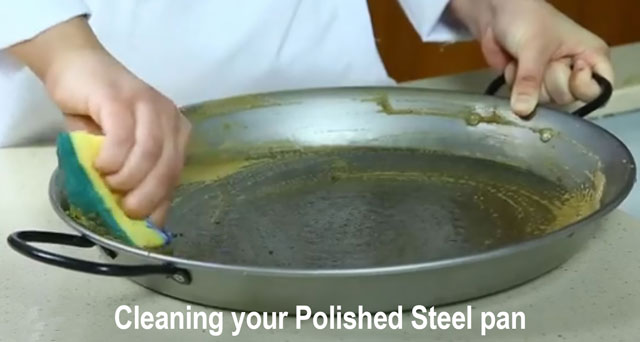
Credit: www.thepaellacompany.co.uk
Essential Tools And Supplies For Cleaning
You don’t need fancy tools, but using the right items makes a big difference. Here’s what you should have ready:
- Soft sponge or cloth: For everyday cleaning.
- Plastic scraper: For loosening stuck bits gently.
- Mild dish soap: Never use harsh chemicals or bleach.
- Paper towels or lint-free cloth: To dry and oil the pan.
- Vegetable oil: For oiling carbon steel pans.
- Baking soda: For tough stains or discoloration.
- Non-abrasive scrubber: For enameled or stainless steel pans.
- White vinegar: For deep cleaning or removing rust.
Beginner mistake: Many people use steel wool or metal scouring pads, which can scratch the pan’s surface, especially enameled or stainless steel pans.
Step-by-step: How To Clean A Paella Pan After Cooking
Let’s break down the cleaning process for each type of pan. This ensures you protect the material and keep your pan in top shape.
1. Carbon Steel Paella Pan
Cleaning Steps:
1. Cool Down First
Never put a hot pan in cold water. Sudden temperature change can warp the steel.
2. Remove Food Residue
Use a soft sponge or a plastic scraper to remove any rice or food stuck on the pan. Do not use soap for regular cleaning, as it removes the protective oil layer.
3. Wash With Warm Water
Rinse the pan with warm water. If food is stuck, soak the pan for a few minutes in warm water (not hours).
4. Scrub Gently
Use a soft brush or non-abrasive scrubber. If you need to use soap, use only a drop and rinse thoroughly.
5. Dry Immediately
Wipe with a clean towel right away. Do not let it air dry, as this will cause rust.
6. Oil The Surface
When the pan is completely dry, add a thin layer of vegetable oil. Rub it over the entire surface with a paper towel.
Practical tip: Store the pan with a paper towel inside to absorb moisture and prevent rust.
2. Enameled Steel Paella Pan
Cleaning Steps:
1. Let The Pan Cool
Avoid thermal shock. Let the pan reach room temperature.
2. Wash With Soap And Water
Enameled pans can handle mild dish soap. Use a soft sponge to clean all surfaces.
3. Remove Stubborn Stains
For tough stains, sprinkle a little baking soda and scrub gently.
4. Rinse And Dry
Rinse with warm water. Dry with a towel.
5. No Oiling Needed
The enamel coating protects the pan. Do not oil.
Non-obvious insight: Even though enamel is strong, it can chip if you drop or bang the pan. Avoid knocking it against hard surfaces.
3. Stainless Steel Paella Pan
Cleaning Steps:
1. Cool And Rinse
Let the pan cool, then rinse with warm water.
2. Add Soap
Use a mild dish soap and a non-abrasive sponge.
3. Tackle Discoloration
For blue or rainbow discoloration, make a paste with baking soda and water. Rub gently.
4. Dry Thoroughly
Stainless steel is less likely to rust, but drying prevents water spots.
5. Oiling Optional
You do not need to oil stainless steel, but a light rub of oil can keep it shiny.
Expert guidance: If rice is burned on, add water and a little vinegar, simmer for a few minutes, then scrub gently.
How To Remove Stubborn Stains And Burnt-on Food
Sometimes, food sticks or burns even if you’re careful. Here’s how to handle those tough situations without damaging your pan.
For Carbon Steel
- Fill the pan with warm water and let it soak for 15-20 minutes (not longer).
- Use a plastic scraper to remove stuck bits.
- For stubborn stains, sprinkle coarse salt on the surface and rub with a paper towel.
- Rinse, dry, and oil as usual.
For Enameled Steel
- Add a little water and baking soda to the pan, heat gently for a few minutes, then let it cool.
- Scrub with a soft sponge. Repeat if needed.
For Stainless Steel
- Boil water in the pan with a splash of vinegar for 10 minutes.
- Use a nylon brush to lift away burnt areas.
- For persistent stains, make a paste of baking soda and water, apply, and scrub gently.
Example: If you cooked a seafood paella and some shrimp shells left marks, don’t panic. These methods work for both mild and stubborn stains.
Dealing With Rust On Carbon Steel Pans
Rust is a common problem with carbon steel pans, but it is not the end of the world. You can restore your pan with a few simple steps.
1. Scrub Off Rust
Use a mix of coarse salt and a little oil. Rub with a paper towel or a soft cloth until the rust lifts.
2. Wash And Dry
Rinse with warm water and dry immediately.
3. Season The Pan
Rub a thin layer of vegetable oil all over the pan, including the edges and handles. Heat the pan on the stove or in the oven for a few minutes until it smokes slightly. Let it cool and wipe off excess oil.
4. Repeat If Needed
For heavy rust, you may need to repeat these steps.
Key insight: Even after removing rust, you need to re-season your pan to restore its non-stick qualities.
How To Season A Carbon Steel Paella Pan
Seasoning is not just for cast iron pans. Carbon steel paella pans also need a protective layer of oil baked into the surface.
Steps To Season
1. Clean The Pan
Wash and dry the pan thoroughly.
2. Add Oil
Pour a teaspoon of vegetable oil into the pan. Spread it over the whole surface, including the sides and handles.
3. Heat The Pan
Place the pan on a burner or in a 400°F (200°C) oven for 20 minutes. It will smoke — this is normal.
4. Cool And Wipe
Let the pan cool, then wipe off any extra oil.
5. Store Properly
Place a paper towel inside the pan to absorb moisture.
Pro tip: Season your pan after every few uses to maintain a strong, non-stick layer.
Common Mistakes When Cleaning Paella Pans
Many beginners make mistakes that can shorten the life of their pan. Here’s what to avoid:
1. Soaking Too Long
Especially with carbon steel, soaking for hours leads to rust.
2. Using Metal Scrubbers
These scratch and damage the surface, making food stick more next time.
3. Not Drying Fully
Letting the pan air dry is the fastest way to rust.
4. Skipping Oiling
For carbon steel, always oil after cleaning. Skipping this causes rust spots.
5. Using Harsh Chemicals
Bleach or oven cleaners are too strong and can damage the pan and leave harmful residues.
6. Stacking Without Protection
Storing pans stacked directly together can scratch the surface, especially enamel.
Important: Always read the instructions that come with your pan. Some high-end paella pans may have special coatings or care instructions.
Cleaning Paella Pan Handles And Underside
People often clean only the inside of the pan, but the handles and bottom matter too. Food, oil, and soot can build up under the pan, especially if you cook over a flame.
- For carbon steel, wipe handles and bottom with a little oil after cleaning.
- For enameled or stainless steel, wash all surfaces with soap and water, then dry.
- If soot builds up, use a damp cloth with a little baking soda to scrub it off.
Non-obvious tip: The underside of the pan can affect how evenly it heats. Keeping it clean avoids hot spots and burning.
How To Clean A Paella Pan After Outdoor Or Open Fire Use
Cooking paella over an open flame or barbecue gives great flavor but leaves soot and burnt marks. Here’s how to clean up:
- Let the pan cool fully before touching it.
- Use a damp cloth or paper towel to wipe off loose soot.
- If soot is stubborn, sprinkle baking soda on a wet sponge and scrub the outside.
- Rinse the pan under warm water, making sure no soot gets inside.
- Clean the inside as usual, based on your pan’s material.
Extra guidance: Always remove ash or large burnt pieces before washing. This protects your sink and the pan’s surface.
How To Store Your Paella Pan Properly
Proper storage is as important as cleaning. Here’s how to keep your pan safe between uses:
- Carbon steel: Always oil and dry, then store in a dry place. Put a paper towel inside to absorb any moisture.
- Enameled steel: Dry fully before storing. Stack with a towel or cloth between pans to prevent chips.
- Stainless steel: Dry and store in a cabinet. You can hang the pan by its handles if you have space.
Beginner mistake: Storing in a humid place, like under the sink, increases the risk of rust and damage.
Comparison: Cleaning Paella Pan Vs. Other Pans
It’s helpful to see how paella pan cleaning compares to other common pans.
| Pan Type | Cleaning Method | Special Care Needed? | Can Use Dishwasher? |
|---|---|---|---|
| Paella Pan (Carbon Steel) | Hand wash, dry, oil | Yes, must oil and avoid soaking | No |
| Non-stick Frying Pan | Hand wash with mild soap | Yes, avoid scratches | Sometimes, check label |
| Cast Iron Skillet | Hand wash, dry, oil, season | Yes, same as carbon steel | No |
| Stainless Steel Skillet | Hand or machine wash | Not usually | Yes |
Key takeaway: Paella pans, especially carbon steel, need more care than regular pans. Never put them in the dishwasher.
Credit: machika.com
How Often Should You Clean And Season Your Paella Pan?
- Clean after every use. Even if you just cooked vegetables or rice, always wash and dry your pan.
- Season carbon steel pans after every 2-3 uses. If you see rust or food starts sticking, season more often.
- Deep clean only when needed. If your pan looks good and food isn’t sticking, regular cleaning is enough.
Example: A paella pan used every weekend should be lightly seasoned once a month, but always cleaned and oiled after cooking.
How To Bring Back An Old Or Neglected Paella Pan
If your pan is rusty, sticky, or dull, you can often restore it.
1. Remove All Rust
Scrub with coarse salt and oil, or use a little white vinegar for heavy rust.
2. Wash And Dry
Clean with warm water and a soft sponge.
3. Season The Pan
Follow the seasoning steps above.
4. Test With A Simple Dish
Cook plain rice or vegetables to check for sticking. If the food still sticks, repeat seasoning.
Practical tip: Do not use harsh oven cleaners. They can damage the surface and are unsafe for food.
How To Clean Paella Pans At A Party Or Picnic
When you cook paella outdoors or for a large group, you may not have your kitchen tools. Here’s what you can do:
- Wipe out as much food as possible with paper towels right after cooking.
- Rinse with bottled water if possible.
- Use a little salt and a paper towel to scrub the surface.
- Dry with a clean cloth or leave in the sun for a few minutes.
- Oil the pan lightly before packing it away.
Non-obvious tip: Bring a small bottle of vegetable oil and a rag when cooking outdoors. This prevents rust before you get home to clean properly.
How To Clean A Paella Pan In The Dishwasher: Should You Try?
The short answer is no for most paella pans, especially carbon steel and enameled steel. Dishwashers are too harsh and can cause rust or chip the enamel. Stainless steel pans may survive the dishwasher, but hand washing is still safer.
Why avoid the dishwasher:
- High heat and detergents strip protective oil.
- Prolonged moisture causes rust.
- Enamel can chip due to rough handling.
Best practice: Always hand wash. It takes a few minutes but protects your pan for years.

Credit: originalpaella.com
Safety Tips When Cleaning Paella Pans
- Always let the pan cool before washing. Hot pans can burn you and may warp if cooled too quickly.
- Use gloves if you have sensitive skin or are using baking soda or vinegar.
- Keep children away from hot pans and cleaning chemicals.
Important: Never use bleach or oven cleaner. These are dangerous for your health and will ruin your pan.
How To Clean Paella Pan For Different Types Of Paella
Some paella dishes leave special stains or smells, such as:
- Seafood paella: May leave fishy smells. Rinse with vinegar and water to remove odors.
- Vegetable paella: Usually easy to clean, but tomato can stain. Use baking soda paste for stains.
- Meat paella: Beef or chicken fat can leave grease. Use hot water and a little extra soap if needed.
Non-obvious insight: Never use strong-smelling soaps, as they can leave odors in the pan and affect future dishes.
How To Keep Your Paella Pan Looking New
- Clean and dry after every use.
- Oil carbon steel pans often.
- Store in a dry place.
- Avoid stacking pans without protection.
- Season carbon steel pans regularly.
Pro tip: If you want your pan to shine, buff it gently with a soft cloth after oiling.
Environmental Tips For Cleaning Your Paella Pan
- Use natural cleaners like baking soda and vinegar instead of harsh chemicals.
- Reuse old towels or T-shirts as cleaning rags.
- Dispose of used oil or soapy water responsibly.
Helpful resource: Learn more about safe cleaning products from the Green Cleaning Wikipedia page.
Frequently Asked Questions
How Do I Prevent My Paella Pan From Rusting?
Always dry your carbon steel paella pan completely and rub a thin layer of oil over the surface after each cleaning. Store in a dry place, and avoid soaking the pan for long periods.
Can I Use Metal Utensils On My Paella Pan?
It depends on the material. Stainless steel and carbon steel can handle metal utensils, but enameled steel can chip if you use metal. Use wooden or plastic spatulas to be safe.
What Do I Do If My Pan Is Sticky After Cleaning?
If your pan feels sticky, it may have too much oil or leftover food. Wash it again with warm water and a little soap, dry, and then oil lightly. Avoid using too much oil when seasoning.
Is It Safe To Cook In A Rusty Paella Pan?
No. Always remove rust before cooking, especially with carbon steel pans. Rust can affect the flavor and safety of your food. Clean and season the pan before using again.
How Do I Remove Discoloration From My Stainless Steel Paella Pan?
Mix baking soda with water to make a paste, then rub gently with a soft sponge. For tough stains, boil a little vinegar and water in the pan, then scrub and rinse.
Cleaning your paella pan the right way means you’ll enjoy delicious, authentic paella for years. With a little care, your pan can become a family treasure, passed down from one generation to the next. Take pride in your pan, and it will reward you with amazing meals and memories.