
Keeping the top of cabinets clean is a challenge many homeowners face. You might clean your kitchen, bathroom, or office regularly but still ignore the area above your cabinets. Dust, grease, and grime collect there quietly, making your home less hygienic and even affecting air quality.
If you’ve ever reached up and wiped your finger along that forgotten surface, you know how quickly the mess builds up. But why does this space get so dirty? And what’s the best way to keep it clean without adding hours to your chores?
This article gives you everything you need to know about keeping the top of cabinets clean. You’ll learn why these spots are magnets for dirt, which cleaning methods work best, and how to stop grime from building up in the first place.
We’ll cover practical tools, cleaning products, and even some tricks you probably haven’t tried. You’ll also see how regular cleaning makes your home look better, feel fresher, and last longer. Whether your cabinets are wood, laminate, or painted, you’ll get clear steps for caring for them.
By the end, you’ll have a simple routine and smart tips you can use right away.
Why The Top Of Cabinets Gets So Dirty
The space above cabinets is often out of sight, making it easy to forget. But this area collects more than just dust. Grease particles from cooking, tiny food crumbs, and even pet hair can drift up and settle there. Kitchens are especially bad for this, but bathrooms and offices see similar problems. Let’s break down the main reasons:
- Rising Air Currents: When you cook, hot air rises, carrying grease and moisture. This air cools and the particles settle on surfaces above your cabinets.
- Poor Ventilation: If your kitchen doesn’t have a strong exhaust fan, more particles float up and stick to cabinet tops.
- Rare Cleaning: Because it’s hard to reach, people clean these areas less. Dirt and dust build up for months, even years.
- Sticky Surfaces: Grease mixes with dust, creating a sticky layer that grabs even more dirt.
- Open or High Ceilings: In open kitchens or rooms with high ceilings, airflow pulls dust up, making the problem worse.
A 2023 study by the National Air Duct Cleaners Association found that kitchens without regular cabinet top cleaning had 35% more airborne dust than those with a regular cleaning routine. Over time, that dirt can attract pests, discolor your paint, and even cause odors.
Tools And Supplies For Cleaning Cabinet Tops
Choosing the right tools makes cleaning safer, faster, and much more effective. You don’t need expensive gadgets, but a few smart choices will make the job easier.
Essential Tools
- Step stool or sturdy ladder: You need something stable to safely reach the cabinet tops.
- Long-handled duster: Great for a quick dusting or for high ceilings.
- Microfiber cloths: These trap dust and grease better than paper towels.
- Vacuum with hose attachment: For loose debris, spider webs, or pet hair.
- Scrub brush or old toothbrush: For sticky or hard-to-remove grime.
- Spray bottle: For mixing cleaning solutions.
- Rubber gloves: To protect your hands from harsh cleaners or grime.
Recommended Cleaning Products
- All-purpose cleaner: Good for regular cleaning.
- Degreaser: Essential in kitchens where grease builds up.
- White vinegar: Natural and effective against sticky residue.
- Baking soda: Gentle scrubbing power for stubborn spots.
- Mild dish soap: Safe for most surfaces.
- Disinfectant spray: For bathrooms or if you suspect mold.
Optional Helpers
- Protective sheet or drop cloth: To cover counters or floors from falling dirt.
- Old towels or newspapers: To catch drips or protect surfaces.
Using the right supplies saves time and helps you avoid damaging your cabinets. For example, harsh scrubbing pads can scratch wood or painted surfaces, so always choose soft cloths or brushes.
Step-by-step: How To Clean The Top Of Cabinets
Cleaning cabinet tops is simple if you follow the right process. Doing it well the first time means you’ll spend less time on future cleanings.
1. Prepare The Area
Clear off counters below the cabinets. Lay down old towels, newspapers, or a drop cloth to catch falling dust or drips. Gather all your tools so you don’t need to climb down for forgotten items.
2. Dust And Vacuum
Start by removing loose dust and debris. Use a long-handled duster or a vacuum with a hose attachment. Pay attention to corners, where cobwebs and heavy dust collect.
- If you have allergies, wear a mask to avoid breathing in dust.
- Don’t forget the edges and corners, where build-up is usually thickest.
3. Apply Cleaner
Spray your chosen cleaner (all-purpose, degreaser, or vinegar solution) directly onto the surface. For heavy grease, let it sit for 2–3 minutes to break down sticky layers.
- Mix your own cleaner with 1 part white vinegar, 1 part warm water, and a few drops of dish soap.
- Avoid soaking the surface, especially on wood cabinets.
4. Scrub Away Grime
Use a microfiber cloth or soft brush to scrub the surface. For stubborn spots, sprinkle a little baking soda on your cloth and gently rub. An old toothbrush helps with crevices or textured finishes.
- Always scrub gently to avoid damaging the finish.
- If the surface is very sticky, repeat the cleaner and scrubbing process.
5. Wipe Clean
Wipe away all residue with a damp cloth. Follow with a dry cloth to remove excess moisture. This step prevents water spots and keeps wood or laminate from swelling.
6. Sanitize (if Needed)
If you’re cleaning in a bathroom, or if you notice mold or mildew, spray with a disinfectant. Let it sit for the recommended time, then wipe dry.
7. Inspect And Repeat
Check for any missed spots. In older kitchens, layers of grime may need a second round. Don’t rush—giving attention to details now makes future cleanings easier.
8. Finish Up
Remove drop cloths and replace items on your counters. Wash your hands and clean your tools for next time.
How Often Should You Clean Cabinet Tops?
Frequency depends on your home’s location, kitchen habits, and how often you cook. Here’s a simple guide:
| Home Type | Recommended Cleaning Frequency |
|---|---|
| Busy kitchen (daily cooking, frying, or baking) | Every 1–2 months |
| Average family kitchen | Every 3–4 months |
| Office or rarely used kitchen | Every 6 months |
| Bathroom or laundry room cabinets | 2–3 times a year |
If you live in a city with high air pollution, or near a busy road, dust may build up faster. In homes with pets, expect to clean more often, as pet hair and dander float up easily.

Credit: simplify101.com
Preventing Dust And Grime Build-up
The best way to keep the top of cabinets clean is to prevent dirt from settling in the first place. There are several easy strategies you can use:
1. Cover The Top
One of the smartest tricks is to cover the cabinet tops with a removable layer. Here are some popular options:
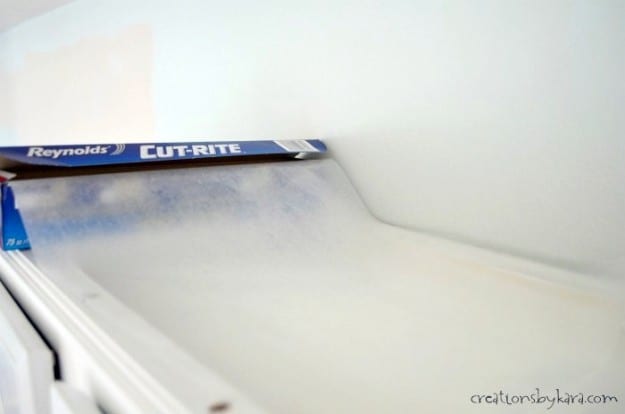
- Wax paper or parchment paper: Cheap and easy to cut to size. Replace every few months.
- Plastic wrap: Sticks to the surface, easy to peel off and replace.
- Peel-and-stick shelf liner: Sold in most home stores. Looks neat and is easy to wipe clean.
- Newspapers: Simple and cost-effective, but not as tidy as liners.
Every few months, just remove the old layer, wipe the surface, and replace with new paper or liner. This method stops grease and dust from sticking, making cleaning almost effortless.
2. Improve Kitchen Ventilation
A good exhaust fan above your stove removes grease and steam before they reach your cabinets. If you don’t have a range hood, consider adding one. At minimum, open windows and use fans when cooking.
3. Dust Regularly
Even if you don’t do a deep clean every month, a quick dusting every few weeks keeps build-up to a minimum. Use a long-handled duster or a microfiber cloth.
4. Avoid Storing Items On Top
It’s tempting to use the space above cabinets for storage, but this makes cleaning harder. Boxes and baskets trap dust and grease, and moving them every time you clean adds work.
5. Use Cabinet Top Decor Wisely
If you want to decorate, choose items that are easy to move and wipe clean, like ceramic vases or glass jars. Avoid fabric or baskets, which trap dust.
6. Seal Wood Cabinets
If your cabinets are unfinished or have old, worn-out finishes, reseal them with a water-based polyurethane. This creates a smoother surface that’s easier to wipe clean.
Tips For Different Cabinet Materials
Cabinet tops come in many materials—wood, laminate, painted, or metal. Each needs different care to avoid damage.
Wood Cabinets
- Avoid soaking with water or harsh chemicals.
- Use a mild dish soap or vinegar solution.
- Dry immediately after cleaning to prevent swelling or warping.
Laminate Cabinets
- Use non-abrasive cleaners.
- Baking soda paste (baking soda and water) removes stubborn stains.
- Avoid strong solvents that can lift the finish.
Painted Cabinets
- Test cleaners in a small spot first.
- Avoid scrubbing pads or powders that may scratch paint.
- Use gentle motions and avoid soaking.
Metal Cabinets
- Use a damp cloth with mild soap.
- Dry thoroughly to prevent rust.
- For stainless steel, wipe in the direction of the grain to avoid streaks.
Credit: www.creationsbykara.com
Common Mistakes To Avoid
Many people make simple errors that make cleaning harder or damage their cabinets. Here’s what to watch out for:
- Using harsh chemicals: Bleach or ammonia can discolor wood and paint.
- Scrubbing too hard: Steel wool or rough pads scratch surfaces.
- Letting water pool: Standing water seeps into seams, causing swelling or mold.
- Ignoring protective covers: Skipping liners means grease and dust stick directly to the cabinet.
- Storing fabric or baskets above: These trap dust and are hard to clean.
- Not testing new cleaners: Always try new products in a hidden spot first.
Advanced Cleaning Tricks You May Not Know
If you want to make this chore even easier, try these expert tips most people miss:
Use A Handheld Steam Cleaner
A handheld steam cleaner loosens grease and kills germs without chemicals. Just be careful on wood—wipe dry immediately and don’t linger in one spot.
Make A Baking Soda Gel
Mix baking soda with a little water and a splash of hydrogen peroxide. Spread this paste on sticky grime, let it sit for 10 minutes, then wipe away. It’s gentle but powerful.
Try A Magic Eraser (with Caution)
Magic erasers remove tough stains from laminate or painted cabinets. Use a light touch—these are slightly abrasive, so test in a hidden spot first.
Use A Dryer Sheet For Dust
After cleaning, wipe the surface with a dryer sheet. The anti-static coating helps repel dust for weeks.
Essential Oil Freshener
Add a few drops of lemon or tea tree oil to your cleaning solution. This leaves a fresh scent and can even help keep pests away.

Credit: mypinterventures.com
The Impact Of Clean Cabinet Tops On Your Home
You may wonder if cleaning above the cabinets is really worth the effort. Here’s how it benefits your home:
- Improved air quality: Less dust means fewer allergens floating around, which helps people with asthma or allergies.
- Longer cabinet life: Removing grime protects finishes and prevents damage.
- Better appearance: Guests notice a clean, fresh kitchen—even when they can’t see the top directly.
- Fewer pests: Greasy, dusty surfaces attract insects and mice. Clean cabinet tops help keep them away.
- No more odors: Old grease and dust can cause a musty smell, especially in warm weather.
Comparing Cleaning Methods
Different cleaning methods work better for different situations. Here’s a side-by-side look at common approaches:
| Method | Best For | Pros | Cons |
|---|---|---|---|
| Vinegar Solution | Light grease, natural cleaning | Cheap, non-toxic, deodorizes | Strong smell, not for all surfaces |
| Commercial Degreaser | Heavy grease, kitchens | Fast, powerful cleaning | Can be harsh, always test first |
| Baking Soda Paste | Stubborn stains, gentle scrub | Non-abrasive, safe on most surfaces | Requires scrubbing, messy |
| Steam Cleaning | Sanitizing, deep cleaning | No chemicals, kills germs | Moisture risk for wood |
| Protective Liners | Prevention, easy clean-up | Minimal effort long-term | Need to replace regularly |
Creating A Cabinet Top Cleaning Routine
The secret to keeping your cabinet tops clean is consistency. Here’s a simple routine you can follow:
- Quick dusting: Every 2–4 weeks, run a long duster or vacuum attachment across the tops.
- Liner check: Every 2–3 months, replace or wipe down protective liners.
- Deep cleaning: Every 3–6 months, use a cleaning solution and wipe thoroughly.
- Seasonal check: At least twice a year, inspect for mold, pests, or damage.
Set a reminder on your phone or calendar. Tying this chore to another routine (like cleaning your fridge or oven) makes it easier to remember.
When To Call A Professional
Most people can handle cabinet top cleaning themselves. But sometimes, it’s better to call a cleaning pro:
- Heavy mold or mildew: If you see black or green spots, especially with a musty smell, you may need mold remediation.
- Severe grease build-up: In older homes or after years of neglect, professionals have tools that cut through thick layers safely.
- Physical limitations: If you can’t safely reach the area, hire help rather than risk a fall.
- Renovation cleaning: After remodeling, builders’ dust and paint splatter often coat cabinet tops.
Professional cleaners use commercial degreasers, steam, and HEPA vacuums for a deep, safe clean. For more about professional cleaning standards, see the CDC’s cleaning guidelines.
Environmental Considerations
Cleaning can be eco-friendly. Here’s how to reduce your environmental impact:
- Use biodegradable cleaners instead of harsh chemicals.
- Microfiber cloths last longer and replace paper towels.
- Vinegar and baking soda are safe for the environment.
- Dispose of liners and cleaning materials properly.
Many green cleaning products work just as well as traditional options and are safer for your home.
The Hidden Dangers Of Ignoring Cabinet Tops
Leaving the top of your cabinets dirty is more than just a cosmetic issue. Over time, thick layers of grease and dust can:
- Attract cockroaches and ants.
- Lead to discoloration and permanent staining.
- Cause odors that are hard to remove.
- Increase allergens in your home.
- Make future cleaning much harder.
A 2022 survey by the American Cleaning Institute found that 54% of homeowners never clean the top of their cabinets, and 27% reported seeing pests in that area. Regular attention prevents these problems before they start.
Making Cleaning Easier For Seniors Or Those With Limited Mobility
Not everyone can climb up and clean easily. Here are some tips to help:
- Use a long-handled duster for regular cleaning.
- Ask family or friends for help with deep cleaning.
- Consider hiring a professional for twice-yearly cleaning.
- Store step stools with handrails for added safety.
Safety always comes first—never risk a fall for the sake of clean cabinets.
Frequently Asked Questions
How Can I Clean Above My Cabinets Without A Ladder?
You can use a long-handled duster or a vacuum with an extension hose. These tools reach high places safely. For deep cleaning, ask for help or use a step stool with a handrail.
What’s The Best Way To Prevent Grease Build-up On Cabinet Tops?
Cover the surface with removable liners like wax paper or shelf liner. Replace every few months. Also, use a kitchen exhaust fan while cooking to reduce airborne grease.
Is Vinegar Safe For All Types Of Cabinets?
Vinegar is safe for most sealed surfaces, but avoid it on unfinished wood or natural stone. Always test in a small, hidden area first to check for any reaction.
How Do I Get Rid Of Sticky Residue On Cabinet Tops?
Spray with a degreaser or a vinegar solution, let it sit for a few minutes, then scrub gently with a microfiber cloth. For stubborn spots, use a baking soda paste.
Can Dirty Cabinet Tops Cause Health Problems?
Yes, thick dust and grease can trap allergens and bacteria. Over time, this affects air quality and can trigger allergies or asthma, especially in kitchens.
Keeping the top of cabinets clean may not be the most glamorous part of home care, but it pays off with a healthier, fresher home. With the right tools, a simple routine, and a few clever tricks, you’ll find this chore easier than you think.
And next time you look up, you’ll know there’s nothing lurking above your cabinets—just clean, tidy space.