
Moving a stove might seem simple, but one careless move can leave deep scratches or even cracks on your floor. For many homeowners, the floor under the stove is a prized possession—shiny hardwood, delicate tile, or expensive vinyl. If you want to keep your floor looking new, you need to move your stove with a plan.
This is not just about brute strength; it’s about smart preparation, the right tools, and careful technique. Whether you’re renovating, replacing your stove, or cleaning behind it, this guide will help you move your stove safely, without leaving ugly marks behind.
This article walks you through every detail: preparing your kitchen, choosing the right protective materials, step-by-step moving instructions, handling different floor types, and solving common problems. You’ll also find expert tips, real-life examples, and answers to the questions most people ask. By the end, you’ll know exactly how to move a stove without scratching your floor—and avoid common mistakes that could cost you hundreds of dollars in repairs.
Why Floor Scratches Happen When Moving A Stove
Many people are surprised at how easy it is to scratch or gouge a floor when moving a heavy appliance. Stoves often weigh between 100 to 250 pounds. Most have metal feet or sharp corners underneath. When you push or drag a stove—even a little—the pressure focuses on those small points.
This can easily cut into wood, tear vinyl, or chip tile.
A few reasons why scratches are so common:
- Weight distribution: The stove’s weight is not evenly spread, causing more pressure at the corners.
- Hidden debris: Small pieces of dirt or grit under the feet act like sandpaper.
- Incorrect technique: Dragging instead of lifting or sliding properly increases friction.
- No protection: Skipping floor protectors or using the wrong materials can lead to damage.
- Unstable appliances: A stove that tips or shifts suddenly can gouge the floor with a corner.
Knowing these risks is the first step. The next is learning how to avoid them.
Preparing For A Safe Move
Before you touch the stove, take time to get ready. Preparation is the most important stage—rushing here is a recipe for disaster.
Gather The Right Tools And Materials
You don’t need expensive tools, but a few simple items will make the job safer and easier:
- Furniture sliders (specially designed pads that go under the stove feet)
- Plywood sheets or hardboard (for extra protection on soft floors)
- Thick moving blankets or towels
- Appliance dolly (a strong hand truck with straps and wheels)
- Work gloves
- Tape measure
- Screwdriver or wrench (for disconnecting gas or electric lines if needed)
- Strong tape (to secure cords and loose parts)
- Vacuum or broom (for cleaning the path)
If you’re missing any of these, don’t improvise with materials that can slip or tear easily—like cardboard or thin plastic bags.
Clear And Protect The Surrounding Area
Move anything breakable or valuable near the stove. Give yourself at least a few feet of space on all sides. Cover nearby cabinets or counters with blankets if you’re worried about bumps or scratches.
Vacuum or sweep the floor to remove tiny stones or grit. Even small debris can scratch the surface when trapped under a heavy stove.
Disconnect Power And Gas Safely
Always unplug the stove before moving it. If your stove is gas, turn off the valve and disconnect the hose carefully. For electric stoves, unplug from the wall. If you’re unsure about disconnecting a gas line, call a professional.
Tape all cords and hoses securely to the stove to keep them out of the way.
Choosing The Best Floor Protection
Not all floors are the same, and not all protection methods work for every surface. Choosing the right material is crucial.
For Hardwood Floors
Hardwood is beautiful but can scratch easily. Use furniture sliders made for hardwood, or place a thick moving blanket under each corner. For extra safety, lay a sheet of plywood or hardboard (at least 1/4 inch thick) over the area where you’ll move the stove. This spreads out the weight and prevents dents.
For Tile Floors
Tile is hard but can chip, especially at the edges. Use furniture sliders or thick towels under the feet. Avoid metal tools that could break tiles. Plywood sheets work well for creating a smooth surface.
For Vinyl Or Laminate
Vinyl and laminate are soft and can tear. Use moving blankets or sliders. Never drag the stove directly, even for a short distance. Plywood is a good option, especially if the path is long.
Comparing Floor Protection Materials
Here’s a quick look at how different materials protect your floor:
| Protection Material | Best For | Pros | Cons |
|---|---|---|---|
| Furniture sliders | Hardwood, tile, vinyl | Easy to use, reusable, protects well | Can slip if not placed properly |
| Plywood/hardboard | All surfaces | Very strong, spreads weight | Heavier, needs cutting to size |
| Moving blankets/towels | Vinyl, laminate, tile | Soft, easily available | May bunch up, less strong for heavy loads |
The best option depends on your floor type, the distance you need to move, and what’s available.
Step-by-step Guide: How To Move A Stove Without Scratching The Floor
Now you’re ready for the main task. Here’s the process, broken down into clear steps.
1. Plan Your Path
Think about where the stove will go. Measure doorways, corners, and narrow spaces. Make sure there’s enough room to move the stove without turning or tilting too much. Planning the route reduces the risk of sudden stops or bumps.
2. Prepare The Floor
- Clean the entire path.
- Lay down your chosen protection—sliders, plywood, or blankets.
- Double-check that the surface is smooth, with no wrinkles or bumps.
3. Loosen The Stove
Many stoves are set tightly against the wall or cabinets. Gently rock the stove forward and backward to loosen it. Do not use sharp tools to pry it out, as this can damage both the stove and the floor.
4. Place Sliders Or Blankets Under Each Foot
With a helper, tilt the stove slightly—just enough to slide a furniture slider or folded blanket under each foot. Never try to lift the entire stove by yourself. Always keep your back straight and use your legs.
If you’re using plywood, slide it under the entire stove so all feet rest on the board.
5. Move Slowly And Steadily
Push the stove gently from the sides, not the front or back. This helps keep it balanced. Move a few inches at a time, checking that all feet stay on the sliders or protective material. If something slips, stop immediately and fix it.
If the stove needs to turn, do this very slowly. Sudden turns can cause sliders to slip out or the stove to tip.
6. Use An Appliance Dolly For Long Moves
For moves across the room or out of the house, an appliance dolly is safer. Slide the dolly under the stove (with sliders in place), strap it securely, and tilt back slowly. Roll the dolly over plywood sheets if possible. Never try to roll a dolly directly over soft floors.
7. Set Down Gently
Once you reach the destination, lower the stove slowly. Remove sliders or blankets one at a time, tilting the stove just enough to pull them out.
8. Reconnect And Check
Plug the stove back in and reconnect gas or electric lines. Test everything before pushing the stove back into its final position—again, use sliders or plywood for this last step.

Credit: www.youtube.com
Special Tips For Moving Heavy Or Large Stoves
Some stoves are much heavier than others, especially if they have double ovens or extra features.
- Get help: Never move a heavy stove alone. One person can guide, and another can push or pull.
- Remove what you can: Take out oven racks, trays, or even doors if possible. This makes the stove lighter and easier to balance.
- Check for adjustable feet: Some stoves have feet that screw up or down. Lower them before moving for more stability.
- Use extra-wide sliders: For heavy stoves, use larger sliders or double up blankets for more surface area.
Mistakes To Avoid When Moving A Stove
Even smart people make simple mistakes when moving a stove. Here are some common ones, and how to avoid them:
- Dragging the stove without protection: Even a few inches can leave a permanent mark.
- Forgetting to clean the floor first: Grit or sand is like sandpaper under a heavy load.
- Using thin materials as sliders: Cardboard or plastic bags can tear or slip, leaving you with both a stuck stove and a scratched floor.
- Rushing the process: Most accidents happen when someone tries to move too fast.
- Neglecting to measure doorways: Getting stuck halfway can mean trying to wiggle the stove free, risking more damage.
- Lifting with your back: Always lift with your legs, and never try to hold the stove in an awkward position.
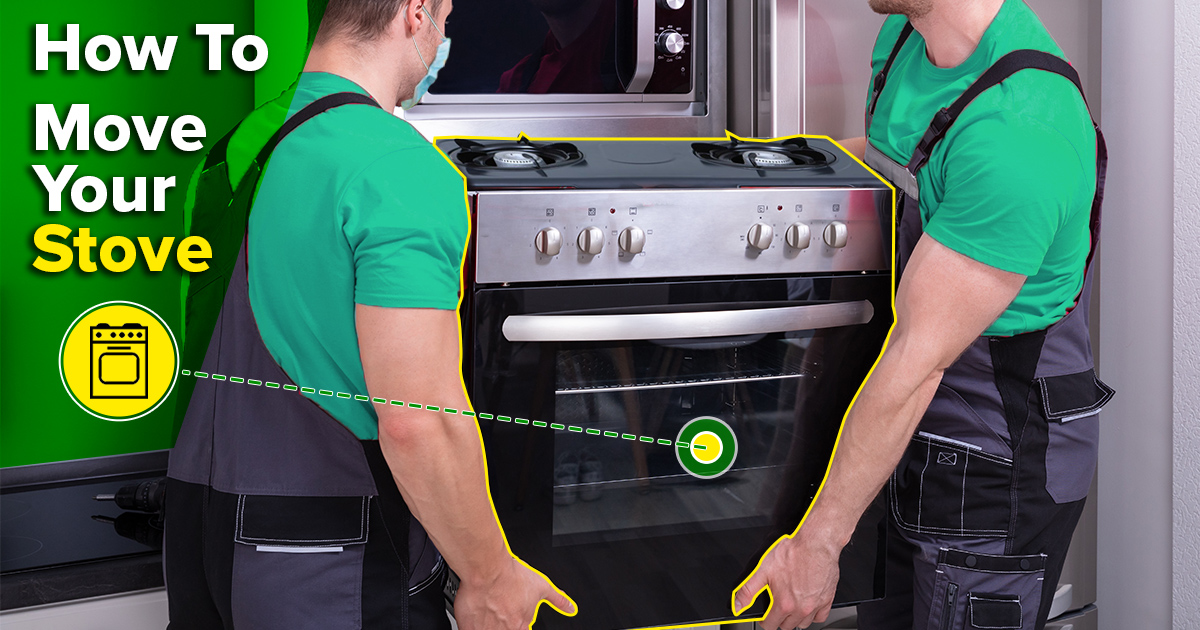
Credit: www.transportify.com.ph
How Different Stove Types Affect Moving
Not all stoves are the same. The type of stove changes how you should move it.
Freestanding Ranges
These are the most common and usually the easiest to move. Just follow the main steps above.
Slide-in And Drop-in Ranges
These stoves fit tightly between cabinets or are built into the counter. You may need to unscrew or unclip them from the sides. Always check the manual before trying to move.
Wall Ovens
Wall ovens are mounted, not placed on the floor. Moving them is a completely different process and usually requires a professional.
Comparing Stove Types
Below is a quick comparison to help you see which stoves are easier to move:
| Stove Type | Ease of Moving | Special Precautions |
|---|---|---|
| Freestanding | Easy | Standard protection, check weight |
| Slide-In | Moderate | May need to unscrew from cabinets |
| Drop-In | Difficult | Usually requires partial disassembly |
| Wall Oven | Very difficult | Professional help recommended |
Handling Obstacles: Doorways, Steps, And Tight Spaces
Most floors get scratched not in the open, but in tight corners, narrow doorways, or when going over steps.
- Measure everything: Know your stove’s size and the size of your path.
- Remove doors if needed: Sometimes taking a door off its hinges gives you the extra inch you need.
- For steps: Use a sturdy ramp with plywood or moving boards. Always keep the stove balanced and never force it up or down stairs alone.
- Corners: Go slowly. Have one person guide and another push or pull.
When To Call A Professional
Some moves are best left to experts, especially if:
- The stove is extremely heavy or valuable
- Gas lines need to be disconnected or reconnected
- You have expensive or delicate flooring (like new hardwood or soft stone)
- The path involves stairs, narrow hallways, or other hazards
Professionals have the right tools, insurance, and experience to do the job safely.
Cleaning Up After Moving The Stove
Once the stove is in place, take a few minutes to finish the job right.
- Check the floor for any small scratches or dents. Fix minor marks with a wood or vinyl repair kit.
- Vacuum or sweep the area before pushing the stove back to catch any new debris.
- Inspect the stove for loose parts or damage.
- Wipe down the stove and surrounding area.
Real-life Examples And Extra Insights
Many homeowners think a heavy stove will always scratch the floor, but with the right steps, damage is very rare. For example, one family in Chicago moved a 220-pound gas stove across a 15-foot hardwood kitchen using only thick towels and a plywood sheet.
They had zero scratches—because they cleaned the path and moved slowly.
A common mistake is using cardboard from shipping boxes as a slider. Cardboard may work for a short distance but often bunches up or tears, exposing the floor. Instead, furniture sliders cost just a few dollars and can be reused for years.
Another insight: If you ever need to move the stove again, store your sliders or plywood in a closet. Many people throw them away, only to scratch the floor next time.
How Much Does It Cost To Fix Scratched Floors?
Repairing a scratched floor can be expensive. According to the National Wood Flooring Association, refinishing hardwood floors costs between $3 to $8 per square foot. Even a small area under your stove could cost $100 or more to fix. Tile repairs are similar—replacing one tile may be cheap, but matching the color or pattern is often tricky.
Avoiding damage is almost always cheaper and easier than repairing it later.
Eco-friendly Ways To Move A Stove
If you want to be environmentally friendly, reuse old towels, blankets, or even yoga mats instead of buying new protectors. These materials work well for short moves and keep waste out of the landfill. However, make sure they are thick and strong enough to handle the stove’s weight.
Quick Reference: Do’s And Don’ts
Here’s a quick list to keep in mind:
- Do clean the path before moving.
- Do use proper sliders, plywood, or thick blankets.
- Do move slowly, checking as you go.
- Don’t drag the stove directly on the floor.
- Don’t use thin or slippery materials.
- Don’t move heavy appliances alone.

Credit: www.appliancesonline.com.au
Comparing Store-bought Sliders Vs. Diy Methods
Some people wonder if they can make their own sliders. Here’s a quick look:
| Method | Pros | Cons |
|---|---|---|
| Store-bought sliders | Strong, easy to use, last for years | Small cost, need to buy in advance |
| Homemade sliders (towels, old rugs) | Cheap, often available at home | May bunch up, less durable, can slip |
| Plywood | Very strong, protects any floor | Bulky, may need cutting, harder to store |
Store-bought sliders are usually best for most people, but homemade options work well for emergencies.
What To Do If A Scratch Happens
Even with the best care, accidents happen. If you do scratch your floor:
- For shallow scratches: Use a matching wood or vinyl repair marker.
- For deeper scratches: Fill with putty or get professional help.
- For tile chips: Use a tile repair kit or call a tile specialist.
The key is to act quickly. Fixing minor damage early prevents bigger problems later.
Useful External Resource
For more details on protecting floors during moves, the Family Handyman offers step-by-step guides and safety tips.
Frequently Asked Questions
How Many People Do I Need To Move A Stove Safely?
At least two people are recommended. One person can guide and check the path, while the other pushes or pulls. For very heavy stoves, three or more people—or a professional mover—may be needed.
What Should I Do If My Stove Is Stuck To The Floor?
First, check if there is any adhesive, old spills, or screws holding the stove. Gently rock the stove to loosen it. If it won’t move, don’t force it. Check the manual or call an appliance technician.
Can I Move A Stove On My Own?
It’s possible with a small, lightweight stove and proper sliders, but it’s much safer to have help. Solo moves increase the risk of injury and floor damage.
Is It Safe To Move A Gas Stove Without Professional Help?
If you know how to safely turn off and disconnect the gas, you can move the stove. However, if you’re unsure, always call a licensed professional to avoid leaks or accidents.
What’s The Best Way To Protect My Floor If I Have To Move The Stove Again In The Future?
Keep your sliders, plywood, or moving blankets in storage for next time. Make sure to clean the path and repeat the same careful process for every move.
Moving a stove without scratching your floor is all about careful planning, the right materials, and patience. With these steps, you can protect your investment and keep your kitchen looking its best for years to come.