
If you’ve discovered a strong, unpleasant odor coming from your oven and suspect it’s rat urine, you’re not alone. Many homeowners struggle with this issue, especially if their kitchen has had a rodent problem. The smell of rat pee is powerful and can linger for weeks or even months if not handled correctly.
Cooking in an oven with this smell is not just uncomfortable—it can also affect the taste of your food and may be unsafe.
Dealing with this problem takes more than a quick wipe-down. Rat urine contains proteins and bacteria that can soak into oven surfaces, insulation, and even reach hidden areas. Getting rid of the smell requires a careful, step-by-step approach. This article will walk you through everything you need to know, from identifying the source to deep-cleaning, neutralizing odors, and making sure the smell doesn’t come back.
You’ll also learn about safety precautions, common mistakes, and the best products for the job.
Let’s get your oven fresh, clean, and safe to use again.
Understanding The Problem: Why Rat Pee Smell Is So Hard To Remove
Rat urine is more than just a nasty liquid. It contains high levels of urea, which breaks down into ammonia, causing the strong, eye-watering smell. This ammonia can bond with oven surfaces, especially if it’s been heated. The smell is not just unpleasant—it signals the presence of bacteria and possibly diseases. If the urine has soaked into insulation or hidden spaces, normal cleaning methods won’t work.
Another challenge is that ovens have many cracks, crevices, and layers. Urine can drip under the oven floor, behind panels, or even into the insulation. Once heated, the smell often gets worse, not better.
Safety First: Preparing To Clean Rat Urine From Your Oven
Cleaning rat urine is not like regular oven cleaning. You must protect yourself from bacteria, viruses, and ammonia fumes. Before you start:
- Wear gloves: Use disposable or rubber gloves to avoid contact.
- Use a mask: A mask (preferably an N95 or similar) will help block dust, urine particles, and ammonia fumes.
- Eye protection: Goggles can prevent splashes or fumes from irritating your eyes.
- Ventilate the area: Open windows and use fans to move air out.
- Keep kids and pets away: The cleaning process uses chemicals and may expose harmful particles.
Never start cleaning until you have the right protective gear. Rat urine can spread diseases like leptospirosis and hantavirus, so safety is serious.
Locating The Source Of The Rat Pee Smell
Before you grab cleaners, you need to find exactly where the urine is. The smell can be strongest after the oven has been on, so turn it off and let it cool completely first. Here’s how to find the source:
- Sniff test: Open the oven and carefully smell around. Focus on oven corners, the bottom, and the door seal.
- Look for stains: Rat urine often leaves yellowish or brown stains. Check the oven floor, walls, and around the door.
- Inspect under and behind: Move the oven (with help if needed) and check underneath and behind. Rats often pee along their paths.
- Check insulation: If the smell is very strong but you see no stains, the urine may have soaked into the insulation.
If you find droppings, nests, or chewed wires, you may need professional help. Rats can damage ovens in hidden ways.
Removing Rats And Preventing Return
Before you clean, make sure there are no more rats in or around your oven. Otherwise, the problem will return.
- Seal entry points: Check behind and under the oven for holes or gaps. Seal these with steel wool and caulk.
- Set traps: Use snap traps or electronic traps around the kitchen to catch remaining rats.
- Remove food sources: Store all food in sealed containers.
- Clean up: Sweep up crumbs and spills everywhere, not just near the oven.
Professional pest control may be needed if the infestation is large. Removing the rats is essential before you start deep cleaning.
Step-by-step Deep Cleaning To Remove Rat Pee Smell
Once you’ve found the source and removed the rats, it’s time for a deep clean. Follow these steps carefully to get rid of the smell for good.
1. Unplug And Cool Down
Always unplug the oven before cleaning. Wait until it’s fully cool to avoid burns or electric shock.
2. Remove Oven Racks And Accessories
Take out all racks, trays, and thermometers. Wash these separately in hot, soapy water. For stubborn smell, soak them in a mix of 1 part white vinegar to 3 parts water for one hour.
3. Wipe Out Loose Debris
Use disposable towels to wipe away any crumbs, droppings, or loose dirt. Do not sweep or vacuum, as this can send urine particles into the air.
4. Clean With Enzyme Cleaner
A standard cleaner is not enough for rat urine. Use an enzyme cleaner designed for pet or rodent urine. These break down the urine proteins instead of just covering up the smell.
- Spray the affected areas heavily.
- Let the cleaner sit for at least 30 minutes.
- Scrub with a soft brush or sponge.
- Wipe clean with damp cloths.
Repeat as needed. Enzyme cleaners can be found at pet stores or online.
5. Clean Oven Surfaces With Baking Soda Paste
Make a paste using baking soda and water (about 3:1 ratio). Spread this on all surfaces, including where you found stains.
- Let the paste sit for 30 minutes to 1 hour.
- Scrub with a non-scratch sponge.
- Wipe away with a damp cloth.
Baking soda helps absorb leftover odors and is safe for most oven surfaces.
6. Clean Oven Door Seals And Gaskets
Urine can hide in the oven door seal. Gently pull back the seal and use a cotton swab dipped in enzyme cleaner. Wipe thoroughly, then clean with damp cloths.
7. Address The Oven Insulation (if Needed)
If the smell remains strong after surface cleaning, the urine may be in the insulation. This is a common but tricky problem.
- Some oven models allow you to remove panels to access insulation.
- Carefully remove panels (check your oven manual).
- If the insulation is wet or smells, it must be replaced, not cleaned.
If you’re unsure, call an appliance technician. Do not use the oven if insulation smells of urine, as it can release harmful fumes.
8. Rinse And Dry
Wipe all areas with clean, damp cloths to remove any cleaner residue. Then let the oven air dry completely with the door open. Fans can speed up drying.
9. Reassemble And Test
Replace racks and accessories. Plug in the oven and run it empty at 400°F (200°C) for 30–45 minutes to help bake out any remaining odors.
Important: If any smell remains after this process, repeat the enzyme and baking soda steps. Persistent odor means the urine may be in a hidden area or insulation.
Comparing Cleaning Products: What Works Best For Rat Urine Odor?
Some cleaning products work better than others. Here’s a comparison of popular solutions for rat urine odor removal:
| Product | Main Ingredient | Effectiveness | Safe for Ovens? | Notes |
|---|---|---|---|---|
| Enzyme Cleaner | Enzymes | Very High | Yes | Breaks down urine proteins |
| White Vinegar | Acetic Acid | High | Yes | Good for racks, less for insulation |
| Baking Soda | Sodium Bicarbonate | Medium | Yes | Absorbs odors, not a disinfectant |
| Bleach | Sodium Hypochlorite | Low-Medium | No | Harsh fumes, can damage oven parts |
| Hydrogen Peroxide | H2O2 | Medium | With caution | Can bleach surfaces |
Enzyme cleaners are the most effective, especially for deep urine smells. Vinegar and baking soda are good for light cleaning or as follow-up steps.
How To Neutralize Rat Pee Smell That Lingers
Sometimes, even after cleaning, a faint odor remains. Here are advanced odor-neutralizing steps:
Use Activated Charcoal
Place bowls of activated charcoal inside the oven (with it turned off and unplugged) for 24–48 hours. Charcoal absorbs odors from the air and surfaces.
Try Ozone Treatment
Some professionals use ozone generators to break down odor molecules. This should be done with care, as ozone can be dangerous to breathe. Only use ozone when the oven is unplugged and the kitchen is empty, and follow all manufacturer instructions.
Use Odor Absorbing Gels
Odor gels made for refrigerators can also help. Place a gel inside the oven for a few days to absorb stubborn smells.
Heat Cycle
Running the oven empty at high heat for 1–2 hours can help “bake out” mild lingering odors. Always monitor for smoke or burning smells during this process.
When To Call A Professional
If you’ve tried all home cleaning steps and the smell is still strong, it’s time to call a professional. Signs you need expert help:
- Smell is strongest when oven is heated
- You find urine stains in insulation you can’t access
- Droppings or nests are inside the oven body
- Rats have chewed wires or damaged parts
An appliance technician can safely open the oven, replace insulation, and check for hidden damage. This is sometimes the only way to fully solve the problem.

Credit: www.youtube.com
Preventing Rat Problems In Your Kitchen
Once your oven is clean, you want to make sure rats never return. Here’s how to keep your kitchen rodent-free:
- Seal all holes and gaps larger than 1/4 inch around your kitchen and appliances.
- Store food in airtight containers—rats can chew through cardboard and plastic bags.
- Take out garbage regularly and use bins with tight lids.
- Keep floors and counters clean—sweep up crumbs daily.
- Check for leaks or standing water, which attract rats.
Regular checks under and behind appliances will help you spot new problems early. Prevention is always easier than removal.
How Oven Damage From Rats Can Affect Your Health
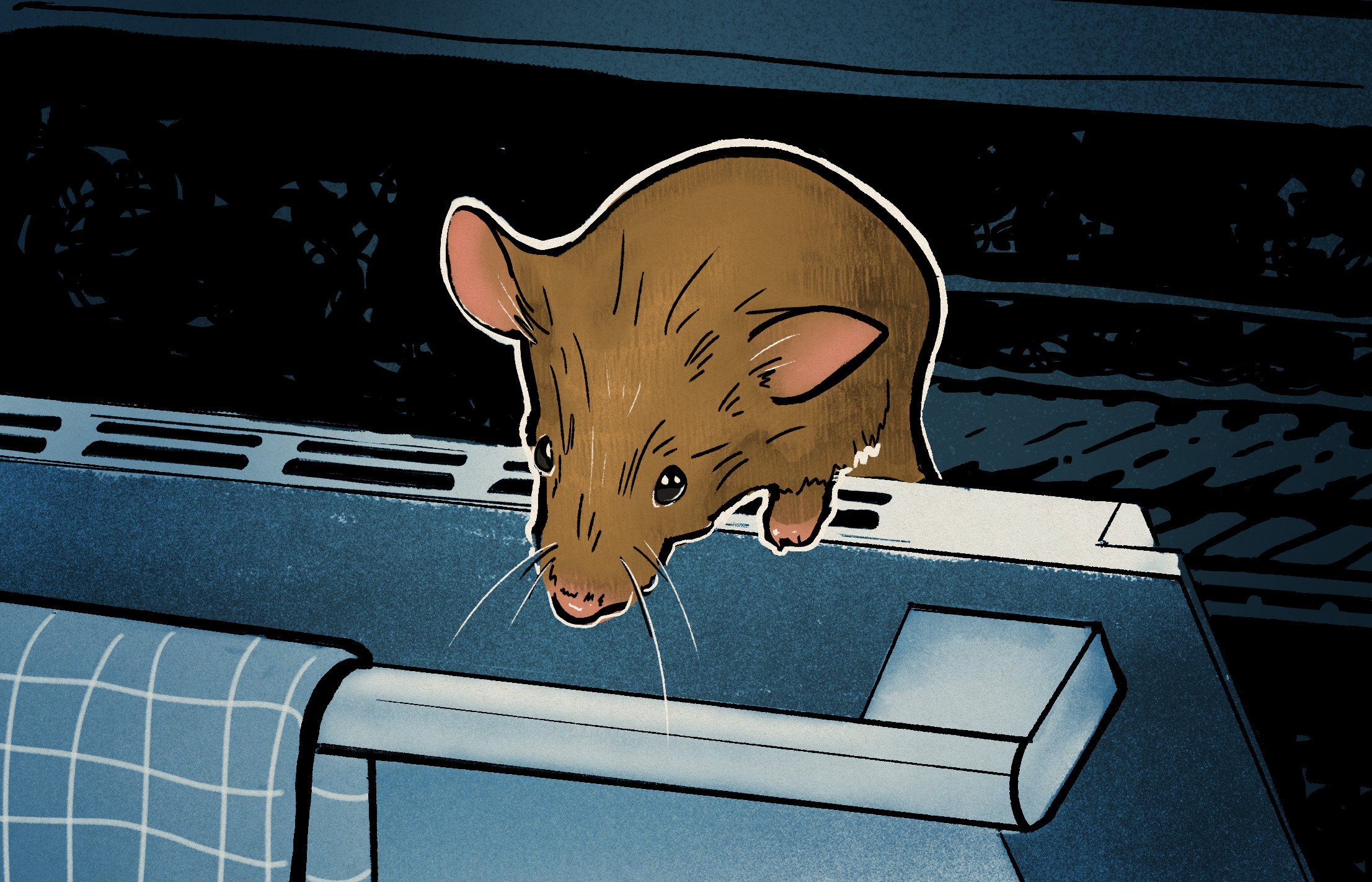
Rat urine is not just smelly—it can be dangerous. Some of the risks include:
- Hantavirus: Rare, but can be transmitted through urine and droppings.
- Leptospirosis: Bacteria in rat urine can cause fever, kidney problems, or worse.
- Salmonella and E. coli: Rats track bacteria everywhere they walk.
If you have asthma, the ammonia smell can trigger breathing problems. Never ignore persistent rat urine odors in your oven or kitchen.
Credit: www.bostonglobe.com
Common Mistakes To Avoid When Removing Rat Pee Smell
Many people try to clean rat urine but make mistakes that let the smell linger or even get worse. Watch out for these common errors:
- Using only air freshener: Sprays mask the smell but don’t remove it. The odor will return.
- Skipping enzyme cleaner: Soap and regular cleaners can’t break down urine proteins.
- Not checking insulation: If urine soaks into insulation, only replacement works.
- Using bleach inside the oven: Bleach can create toxic fumes when heated and may damage oven parts.
- Not wearing protection: Cleaning without gloves, mask, or ventilation is risky.
If you make these mistakes, you may have to start the cleaning process over or face ongoing health risks.
Quick Reference: Cleaning Steps And Timeline
Here’s a quick overview of the steps and how long each takes:
| Step | Action | Time Needed | Purpose |
|---|---|---|---|
| 1 | Unplug Oven & Prepare | 10 minutes | Safety |
| 2 | Remove Racks & Accessories | 10 minutes | Access all surfaces |
| 3 | Wipe Loose Debris | 10 minutes | Remove droppings |
| 4 | Enzyme Cleaner | 30–60 minutes | Break down urine |
| 5 | Baking Soda Paste | 30–60 minutes | Absorb odors |
| 6 | Seal & Gasket Cleaning | 20 minutes | Hidden urine removal |
| 7 | Dry & Air Out | 1–2 hours | Odor reduction |
| 8 | Test Run | 30–45 minutes | Final check |
In total, expect to spend 3 to 6 hours on a thorough cleaning, not counting drying time.
Non-obvious Tips For Getting The Best Results
Most guides miss a few key details that can make all the difference:
- Double-check oven vents and fan: Many ovens have a vent or cooling fan that can trap odors. Clean these with a long brush and enzyme spray.
- Don’t forget the oven drawer: The storage drawer under the oven can hold spills or urine. Remove it and clean underneath.
- Replace aluminum foil liners: If you use foil at the bottom of your oven, discard and replace it after cleaning.
Even small missed spots can keep the smell alive. Take your time and check every surface.
How Often Should You Clean After A Rat Incident?
After your first deep clean, check the oven every few days for a week. If you notice the smell returning, repeat the enzyme cleaning. Once the odor is gone, regular oven cleaning every 1–2 months helps prevent new problems.
Eco-friendly And Pet-safe Cleaning Options
If you’re worried about strong chemicals, there are eco-friendly choices:
- Enzyme-based cleaners are usually non-toxic and safe for homes with pets.
- White vinegar and baking soda are safe and natural, though they may take longer for strong odors.
- Avoid harsh chemicals like bleach, especially if you have children or pets.
Always rinse surfaces well and let the oven air out before cooking again.
What To Do If You Smell Rat Pee When Cooking
If the smell only appears while the oven is hot, it’s likely in the insulation or a hidden area. You have two options:
- Call a technician to open the oven and replace insulation.
- Replace the oven if it is very old, damaged, or not worth repairing.
Never cook in an oven with a strong urine smell—it’s unsafe and unhealthy.
Where To Learn More And Find Help
For more about cleaning after rodents and keeping your home safe, the Centers for Disease Control and Prevention (CDC) offers detailed guides. You can read more on their official website: CDC: Cleaning Up After Rodents.
Frequently Asked Questions
What Is The Fastest Way To Get Rid Of Rat Pee Smell In The Oven?
The fastest method is to use an enzyme cleaner designed for pet urine, followed by a high-heat empty oven cycle. This breaks down the odor molecules quickly. For best results, address all oven surfaces, including under racks and inside door seals.
Can I Use Bleach To Clean Rat Urine From My Oven?
No, bleach is not recommended for oven interiors. It can create harmful fumes when heated and may damage oven parts. Enzyme cleaners and baking soda are safer and more effective options.
Will The Smell Go Away On Its Own If I Just Keep Using The Oven?
No, the odor will likely get worse with heat. Urine can bake into insulation and oven surfaces, making it harder to remove over time. Cleaning as soon as possible is the best approach.
Is It Safe To Cook In An Oven That Smells Like Rat Urine?
No, it is not safe. Rat urine may contain bacteria and viruses that can contaminate food or cause illness. Always remove the odor and sanitize the oven before using it for cooking.
How Can I Prevent Rats From Getting Into My Oven Again?
Seal all gaps around the oven, keep your kitchen clean, store food securely, and regularly check for signs of rodents. Setting traps and using pest control methods can also help prevent future problems.
Getting rid of rat pee smell in your oven takes work, but with the right steps, you can enjoy a fresh, safe kitchen again. Take your time, use the right products, and don’t ignore persistent odors. Your health and peace of mind are worth it.

Credit: www.youtube.com