
Redoing granite countertops is a big project, but it can breathe new life into your kitchen or bathroom. Granite is known for its durability and beauty, but over time, it can look dull, scratched, or outdated. Many people think replacing granite countertops is the only option, but there are ways to refinish, resurface, or completely redo them without starting from scratch.
This guide will walk you through every step, from evaluating your current countertop to finishing touches, with practical advice, expert tips, and answers to common questions.
Understanding Granite Countertop Redo Options
Before jumping into the process, it’s important to know what “redoing” granite countertops means. There are several approaches:
- Resealing: Restoring the protective sealant layer.
- Refinishing: Polishing and repairing the surface.
- Resurfacing: Adding a new top layer or coating.
- Painting: Applying special paints for a new look.
- Replacing: Removing and installing new granite or another material.
Each option fits different needs and budgets. Deciding which is right for you depends on the current state of your countertops, your style goals, and how much you want to spend.
Assessing The Condition Of Your Granite
The first step is a close inspection. Not all granite countertops need a full redo. Sometimes, a deep clean or reseal is enough. Here’s how to evaluate:
- Surface Scratches: Run your fingers across the surface. Light scratches can often be polished out, while deep ones may need professional help.
- Stains: Check for dark spots, especially near the sink or stove. Stains may be from oil, wine, or other liquids.
- Etching: Acidic substances like lemon juice can dull the surface.
- Chips or Cracks: Look at the edges and around sinks for damage.
- Sealer Performance: Drip a few drops of water on the granite. If it darkens quickly, the sealer is worn out.
If your countertop has major cracks or large chips, resurfacing or replacement might be required. For minor issues, refinishing or resealing can restore its beauty.
Tools And Materials Needed
Redoing granite countertops requires specific tools and materials. The exact list depends on the method you choose, but here are common items:
- Mild detergent and warm water (for cleaning)
- Isopropyl alcohol (for degreasing)
- Soft cloths and sponges
- Painter’s tape and plastic sheeting (for protection)
- Diamond polishing pads (for refinishing)
- Polishing compound
- Granite sealer
- Epoxy resin (for filling chips/cracks)
- Paint and primer (for painting, if chosen)
- Protective gloves and goggles
- Orbital sander or polishing machine (optional)
- Mask (for dust protection)
Having the right supplies on hand saves time and ensures a smoother process. Using poor-quality products can lead to weak results, so always check reviews or ask for professional advice before buying.
Deep Cleaning: The Essential First Step
No matter what redo method you choose, starting with a deep clean is crucial. Granite can trap dirt and grease, making it hard for new finishes or sealers to bond.
Steps For Cleaning Granite
- Clear the Surface: Remove all items from the countertop.
- Wipe Down: Use a soft cloth with warm, soapy water to clean the surface.
- Degrease: Apply isopropyl alcohol to remove stubborn grease.
- Rinse: Wipe with a damp cloth to remove soap or alcohol residue.
- Dry Thoroughly: Use a clean towel to dry the countertop.
Avoid harsh chemicals or abrasive pads, as they can damage granite. A proper cleaning helps you see all the flaws and prepares the surface for the next steps.
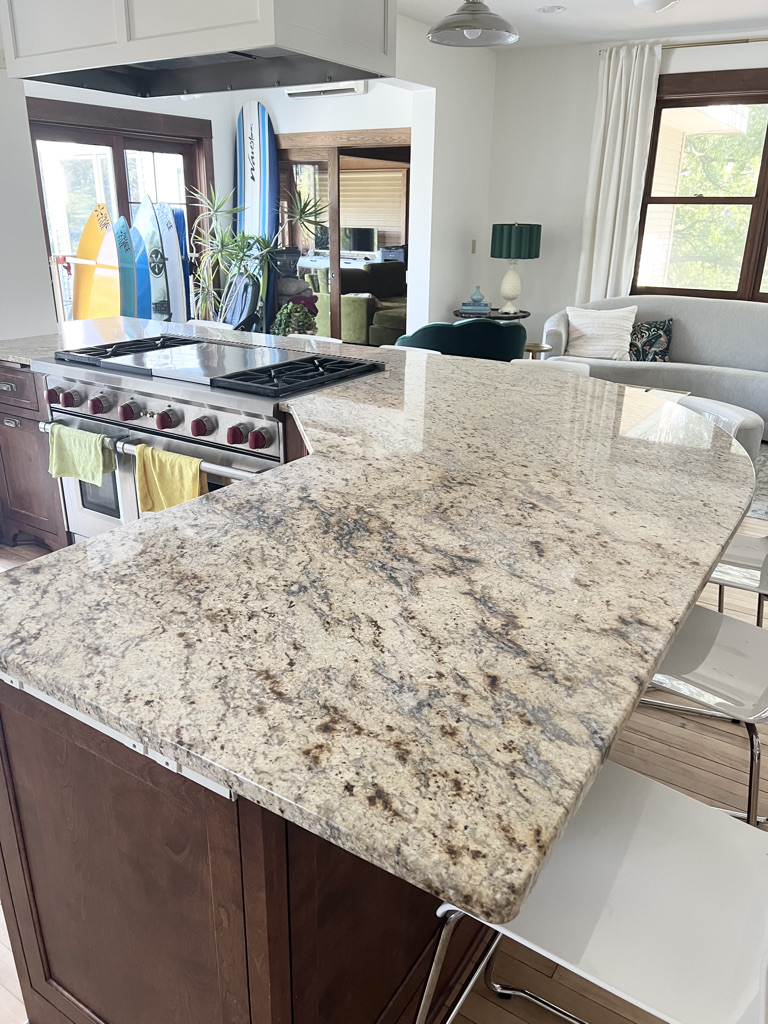
Credit: tessiefay.com
Repairing Chips And Cracks
Small chips and cracks are common, especially on edges and near sinks. Fixing them early prevents bigger problems later.
How To Fix Chips And Cracks
- Clean the Area: Remove any dust or debris.
- Prepare Epoxy: Use a clear or color-matched epoxy resin. Mix according to package instructions.
- Apply Epoxy: Use a toothpick or small spatula to fill the chip or crack.
- Smooth the Surface: Wipe away excess epoxy before it hardens.
- Let it Cure: Allow the epoxy to set for the recommended time (usually 24 hours).
- Polish: Once dry, gently polish the area with a fine-grit pad for a smooth finish.
For large cracks or damage near structural points, it’s safer to consult a professional. DIY repairs are best for small, cosmetic issues.
Polishing Granite Countertops
Polishing is a great way to restore shine and remove light scratches or etching. It’s also a necessary step before resealing.
Manual Polishing Steps
- Clean the Surface: Ensure the granite is free of dust and grease.
- Choose the Right Pad: Use a diamond polishing pad (start with 400-grit, move to 800 or 1500 for more shine).
- Wet the Surface: Spray with water to reduce dust and friction.
- Polish in Circles: Move the pad in small, circular motions.
- Rinse and Dry: Wipe away residue and let dry.
- Repeat with Finer Grit: For best results, use progressively finer pads.
Using A Polishing Machine
An orbital sander or a polishing machine speeds up the process and gives a more even finish. Always use light pressure and keep the pad moving to avoid uneven spots.
Resealing Granite Countertops
Granite is porous, so it needs to be sealed to prevent stains and water damage. The sealer wears out over time, especially in busy kitchens.
How To Reseal Granite
- Choose a High-Quality Sealer: Look for products made for natural stone.
- Apply Evenly: Pour a small amount of sealer onto the surface and spread with a soft cloth.
- Let it Absorb: Wait the recommended time (usually 15-20 minutes).
- Wipe Off Excess: Buff the surface with a clean cloth.
- Repeat if Needed: Some sealers require two coats.
- Cure Time: Avoid using the countertop for 24 hours after sealing.
A well-sealed countertop repels water and resists stains. Don’t skip this step if you want lasting results.
Resurfacing Granite: Changing The Look
If you want a totally new look without replacing your countertop, resurfacing is an option. This involves adding a new layer, such as epoxy or specialized coatings, over the existing granite.
Pros And Cons Of Resurfacing
| Pros | Cons |
|---|---|
| Cheaper than replacing | May not last as long as real granite |
| Can choose new color/finish | Not suitable for heavily damaged stone |
| Quick process (1-2 days) | Can be slippery when wet (epoxy) |
Steps For Epoxy Resurfacing
- Clean and Repair: Fix all chips and cracks first.
- Protect Surroundings: Use painter’s tape and plastic to shield cabinets and floors.
- Mix Epoxy: Follow instructions carefully for proper mixing.
- Pour and Spread: Pour epoxy onto the granite and use a spreader to distribute evenly.
- Remove Bubbles: Use a heat gun or torch to pop air bubbles.
- Let Cure: Most epoxies take 24-72 hours to harden.
- Final Polish: Once cured, buff the surface for extra shine.
Resurfacing can give a fresh, modern look. Some kits allow you to mimic marble, quartz, or other finishes, but the result depends on skill and patience.

Credit: jenniferrizzo.com
Painting Granite Countertops: Is It Possible?
Painting granite is less common, but it’s an option for dramatic makeovers. You must use products designed for stone and follow the process carefully.
Painting Process
- Deep Clean and Sand: Clean, then lightly sand the surface to help paint stick.
- Apply Primer: Use a primer made for stone surfaces.
- Paint: Use acrylic or epoxy-based paint in thin, even coats.
- Add Texture (Optional): Use sponges or brushes to create a stone-like appearance.
- Seal: Once dry, apply a clear sealer to protect the new finish.
Painting is best for low-traffic areas or as a temporary solution. Over time, painted surfaces may chip or scratch more easily than natural granite.
When To Replace Instead Of Redo
Sometimes, replacement is the only practical option. Here are signs it’s time to replace:
- Large cracks or structural damage
- Extensive stains that won’t come out
- Severe warping or unevenness
- Desire for a completely new material or layout
Replacing granite is costly and requires professional installation. However, it adds the most value and can completely transform your space.
Cost Comparison: Redo Vs. Replace
Understanding the cost is key before deciding. Here’s a typical price range:
| Method | DIY Cost (USD) | Professional Cost (USD) | Durability (Years) |
|---|---|---|---|
| Resealing | $30 – $100 | $200 – $400 | 1 – 2 |
| Refinishing | $50 – $200 | $300 – $800 | 2 – 5 |
| Resurfacing (Epoxy) | $100 – $300 | $500 – $1,500 | 3 – 5 |
| Painting | $60 – $150 | $200 – $500 | 1 – 3 |
| Replacement | Not recommended | $2,000 – $5,000+ | 10 – 20 |
Most homeowners find that resealing and refinishing offer the best balance of cost and results, especially if the stone is still in good shape.
Step-by-step Guide: How To Redo Granite Countertops Yourself
If you decide to tackle the job yourself, follow these steps for the best outcome:
1. Prepare The Area
- Remove all items from the countertop.
- Use painter’s tape to protect walls, sinks, and appliances.
- Cover floors and cabinets with plastic sheeting.
2. Clean Thoroughly
- Scrub with warm, soapy water.
- Degrease using isopropyl alcohol.
- Let the granite dry completely.
3. Repair Damage
- Fill chips and cracks with epoxy as described earlier.
- Allow to cure fully before moving to the next step.
4. Sand Or Polish
- Use diamond pads to polish out scratches or etching.
- For a matte look, stop at a lower grit. For high gloss, use finer grits.
5. Apply New Finish
- For resealing: Wipe on sealer, let absorb, and buff off.
- For resurfacing: Mix and spread epoxy, remove bubbles, and cure.
- For painting: Prime, paint, and seal as described in the painting section.
6. Final Touches
- Buff the surface if needed.
- Remove painter’s tape and protective coverings.
- Clean up any dust or residue.
7. Wait Before Use
- Allow the finish to cure completely (usually 24-72 hours).
- Avoid placing heavy objects or exposing the surface to water during this time.
One common mistake is rushing the process, especially curing times. Skipping wait times can ruin the finish and force you to start over.
Maintenance Tips After Redoing Granite Countertops
Taking care of your newly redone countertop will help it last longer and look better.
- Use mild cleaners: Harsh chemicals can strip the finish.
- Wipe spills quickly: Especially oil, wine, or acidic juices.
- Avoid cutting directly on granite: Use a cutting board.
- Re-seal as needed: Do the water drop test every 6-12 months.
- Don’t stand or sit on the countertop: Granite is strong but can crack under heavy, focused weight.
A tip many people miss: Use coasters and trivets under hot pans. Sudden temperature changes can cause cracks or stains, even on well-sealed granite.
Common Mistakes To Avoid
Even experienced DIYers make mistakes when redoing granite countertops. Here are some to watch out for:
- Skipping the cleaning step: Any dirt or grease left behind can ruin adhesion.
- Using the wrong products: Always use items designed for stone surfaces.
- Rushing the curing process: Each layer needs proper time to set.
- Not fixing chips or cracks first: These can get worse over time.
- Ignoring ventilation: Some chemicals have strong fumes. Open windows and use fans.
Another often-overlooked detail: Always test products on a small, hidden area before applying to the whole surface. This helps avoid unwanted color changes or damage.
When To Hire A Professional
DIY is possible for many granite redo tasks, but sometimes, calling a pro is wiser. Consider hiring help if:
- The countertop has large cracks or structural issues.
- You want a high-gloss, showroom-quality finish.
- You’re unsure about using chemicals or power tools.
- The countertop is an unusual shape or has many seams.
Professional installers have access to industrial tools and products, which can deliver longer-lasting and more beautiful results.
Environment And Safety Considerations
Working with sealers, epoxies, and paints can expose you to fumes and dust. Always:
- Work in a well-ventilated area.
- Wear gloves and eye protection.
- Dispose of chemicals responsibly.
- Keep children and pets away from the workspace.
Some products are labeled as “low VOC” (volatile organic compounds) and are safer for indoor use. Always read product instructions and safety warnings.
Granite Countertop Redo: Real-life Examples
Seeing what others have done can inspire your own project.
- A family in Texas polished and resealed their 20-year-old granite for under $100, making it look almost new.
- A DIYer in Florida used an epoxy kit to create a white marble look over old black granite, spending just $200 and two weekends.
- A small restaurant owner chose professional resurfacing to quickly update a worn countertop, reducing renovation downtime to two days.
These examples show that with the right approach, redoing granite countertops can fit different budgets, styles, and timelines.
Granite Vs. Other Countertop Materials: What To Expect
If you’re considering replacing your granite, it helps to know how it compares to other materials.
| Material | Average Cost (per sq. ft.) | Durability | Maintenance | Popular Styles |
|---|---|---|---|---|
| Granite | $40 – $100 | Very high | Medium (reseal regularly) | Natural stone, unique patterns |
| Quartz | $50 – $120 | Very high | Low (no sealing) | Consistent color, modern |
| Marble | $60 – $150 | Medium | High (stains easily) | Elegant, classic |
| Laminate | $10 – $40 | Low | Very low | Colorful, budget-friendly |
| Butcher Block | $35 – $100 | Medium | Medium (oil regularly) | Warm, natural look |
Granite remains popular for its balance of beauty, strength, and value. But if you want less maintenance or a different style, quartz is a strong alternative.

Credit: www.youtube.com
Additional Insights Most People Miss
- Color matching for repairs: When filling chips or cracks, use a color-matched epoxy or ask the manufacturer for a custom blend. Mismatched repairs are obvious and can hurt your countertop’s look.
- Edge profiles: Redoing is a good time to update edge styles (beveled, bullnose, ogee). Some pros can reshape edges during refinishing, adding a modern touch without full replacement.
Thinking ahead about these details can make your granite redo project look truly professional.
Choosing The Right Products
It’s easy to get overwhelmed by the number of products available. For best results, look for brands with good reviews and clear labeling. Some well-known granite care brands include:
- StoneTech
- Granite Gold
- Tenax
- Black Diamond Stoneworks
For more information on safe and effective granite care, you can visit The Spruce.
Frequently Asked Questions
How Often Should I Reseal My Granite Countertops?
Most granite countertops need resealing every 1-3 years. However, high-use areas or lighter-colored granite may need it more often. Do the water drop test every 6-12 months to check.
Can I Use Regular Paint On Granite Countertops?
No, regular wall or furniture paint will not stick well and will chip easily. Use only stone-specific primers and paints, like epoxy or acrylic kits designed for countertops.
Is It Safe To Redo Granite Countertops Myself?
Yes, for minor repairs, resealing, and even some resurfacing, DIY is safe if you follow instructions and use protective gear. For major structural repairs, hire a professional.
How Long Does It Take To Redo Granite Countertops?
The timeline depends on the method. Resealing can be done in a few hours, while resurfacing or painting may take 2-3 days due to curing times. Always check product labels for exact drying and curing periods.
Will Redone Granite Countertops Look As Good As New?
If done carefully, resealing and refinishing can restore shine and protect granite, making it look almost new. Resurfacing and painting can give a completely different appearance, but the durability may not match brand-new granite.
Redoing granite countertops is a smart way to refresh your kitchen or bathroom without the high cost of full replacement. With careful planning, the right products, and some patience, you can achieve a beautiful, durable surface that will last for years.
Whether you choose a simple reseal or a bold new look, the process is manageable for most homeowners—and the results can be truly impressive.