
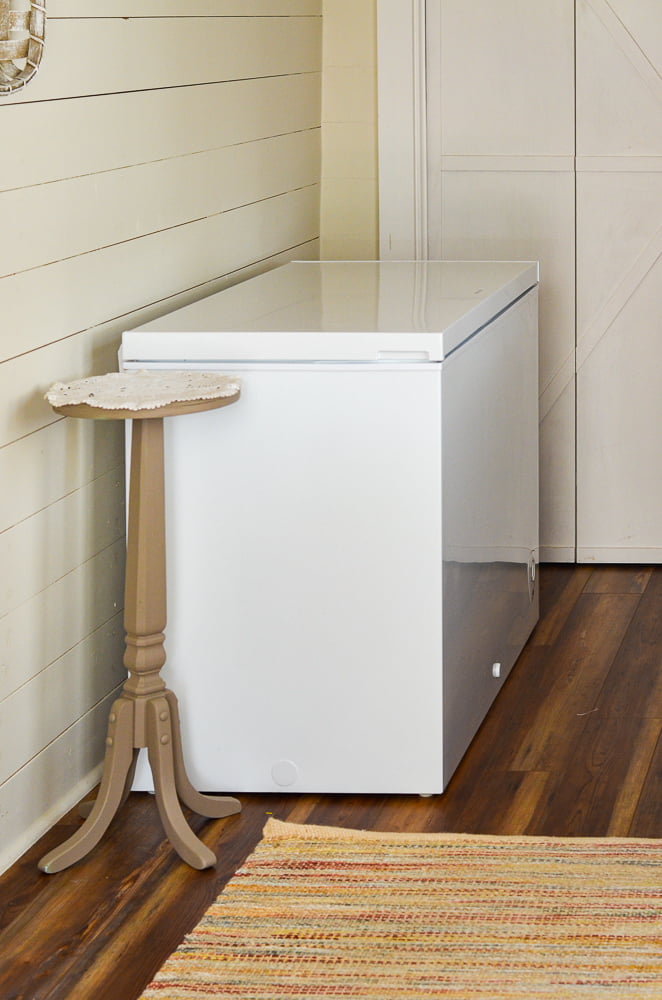
Hiding a deep freezer is a common challenge for many homeowners and renters. Maybe you need extra freezer space for groceries, but you don’t want a large white box to disrupt your home’s style. Or perhaps your kitchen, basement, or garage looks too crowded with a visible freezer.
No matter the reason, there are smart ways to blend a deep freezer into your decor, maximize your space, and keep your home looking tidy.
In this article, you’ll discover creative, practical, and budget-friendly solutions for hiding a deep freezer. You’ll see how small changes or DIY projects can make a big difference. We’ll look at different rooms, types of homes, and common obstacles. By the end, you’ll have a full toolkit of ideas—whether your freezer is in the kitchen, garage, basement, apartment, or even outdoors.
You’ll also get answers to common questions, and learn mistakes to avoid.
Let’s explore the best strategies for making your deep freezer almost invisible.
Why Hide A Deep Freezer?
A deep freezer is a practical appliance, but it often doesn’t match your home’s style. Hiding it can:
- Improve room aesthetics: Most freezers are bulky and industrial-looking.
- Save space: Clever placement creates more usable room.
- Reduce noise: Some freezers hum, so hiding them can make living areas quieter.
- Enhance safety: If you have children, it helps keep the freezer out of their way.
While some people try to ignore a visible freezer, a hidden one makes your home feel more organized and welcoming.
Key Factors Before You Hide A Deep Freezer
Before you start, think about these important details:
- Size and shape: Measure your freezer’s width, depth, and height.
- Ventilation needs: Freezers need airflow. Blocking vents can cause overheating or breakdown.
- Access: Make sure you can still open the lid/door fully and load/unload food easily.
- Electrical safety: Keep plugs, cords, and outlets clear and easy to reach.
- Moisture control: Avoid trapping humidity, which can lead to mold or rust.
- Budget: Some solutions are DIY, others may need custom work.
- Home style: Match your method to your room’s look—modern, farmhouse, minimal, etc.
Many people forget about ventilation and access. Don’t sacrifice the freezer’s function for looks; always balance both.
Smart Placement: Where To Hide A Deep Freezer
Choosing the right spot is half the battle. Consider these locations:
1. Kitchen
If your kitchen is large enough, you can make your deep freezer look like part of the cabinetry. Place it at the end of a row of cabinets, in a pantry, or under a counter (if it fits).
Pro tip: Measure the swing of the freezer lid before finalizing the location.
2. Garage
The garage is a classic spot. It keeps the freezer out of sight, but close enough for easy access. Just make sure the temperature stays within the freezer’s recommended range—some models can’t handle extreme cold or heat.
3. Basement
A basement offers privacy and space. Freezers in basements are less likely to interrupt your daily routine. Use the area under stairs or in a corner to keep it hidden.
4. Laundry Room
Many laundry rooms have extra space, and you can use cabinets or curtains to keep the freezer out of view.
5. Utility Room Or Mudroom
These rooms are designed for storage, making them perfect for a deep freezer. Use shelving or cabinets to keep the space neat.
6. Outdoor Spaces
Some people use covered patios or sheds. If you choose this, ensure your freezer is rated for outdoor use and protected from rain, direct sun, and pests.
Creative Ways To Hide A Deep Freezer
Here are effective techniques for disguising your deep freezer. Each method has its pros and cons, so choose what works best for your space and style.
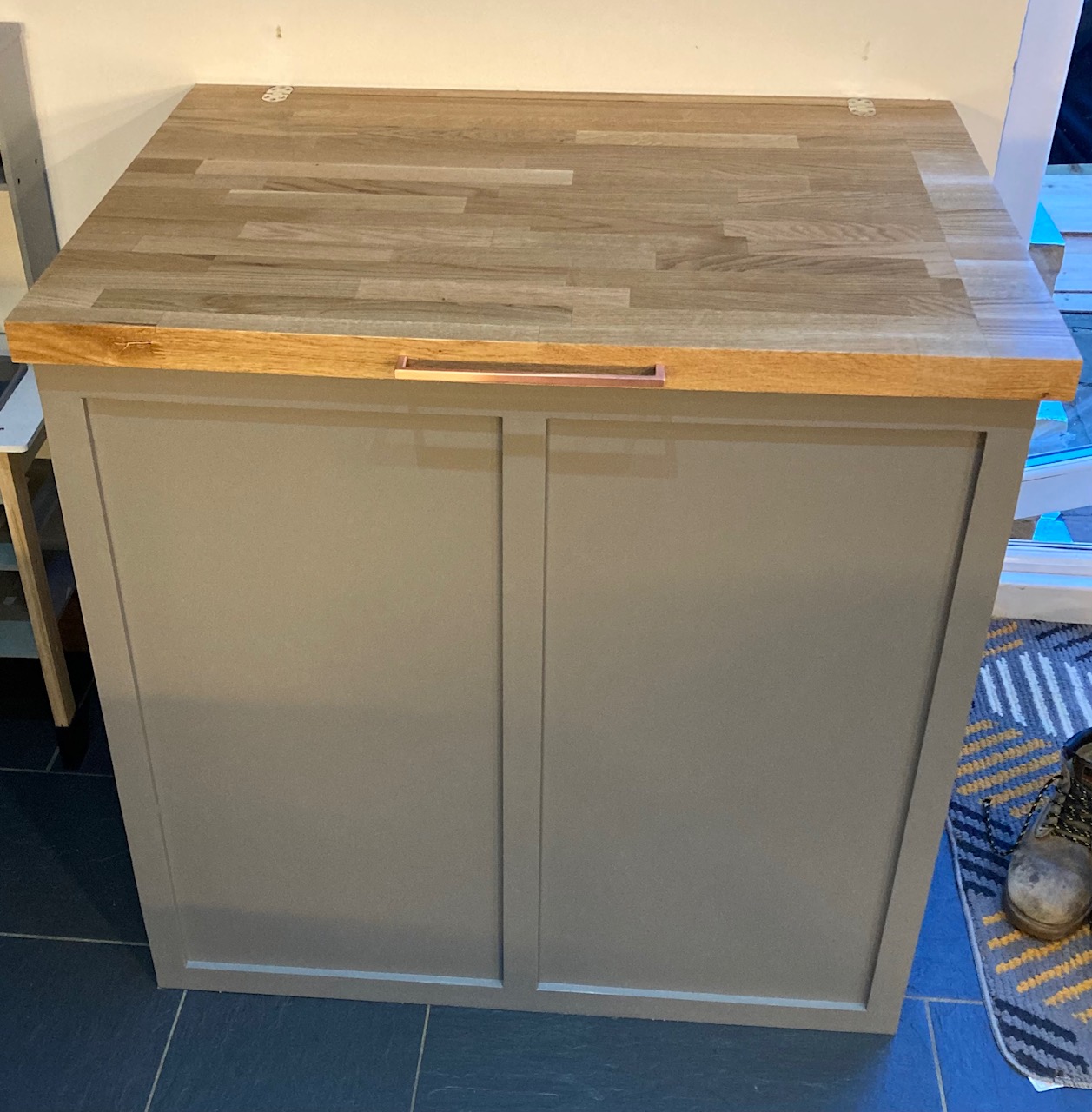
1. Custom Cabinet Enclosure
Build a cabinet around the freezer that matches your existing kitchen or room cabinets. Use doors on the front for access.
- Pros: Seamless look, blends with decor.
- Cons: Requires woodworking skills or hiring a carpenter.
Example: Many homeowners add matching panels and a countertop above, making the freezer look like a built-in unit.
2. Sliding Barn Door
Install a sliding barn door in front of the freezer. This works well in farmhouse, rustic, or even industrial styles.
- Pros: Easy to open, stylish, covers large areas.
- Cons: Needs wall space for the door to slide.
3. Decorative Folding Screen
Use a folding privacy screen or room divider. Choose a fabric or wood style that matches your decor.
- Pros: Quick, no installation, portable.
- Cons: May not fully enclose the freezer, but breaks up the visual.
4. Under-counter Installation
If your freezer is short enough, slide it under a kitchen counter or island.
- Pros: Saves space, keeps freezer accessible.
- Cons: Needs a custom-height counter, may require carpentry.
5. Built-in Closet Or Pantry
Convert part of a closet or pantry into a freezer “nook. ” Add a door or curtain for easy access.
- Pros: Fully hidden, uses existing space.
- Cons: Reduces other storage, may need ventilation.
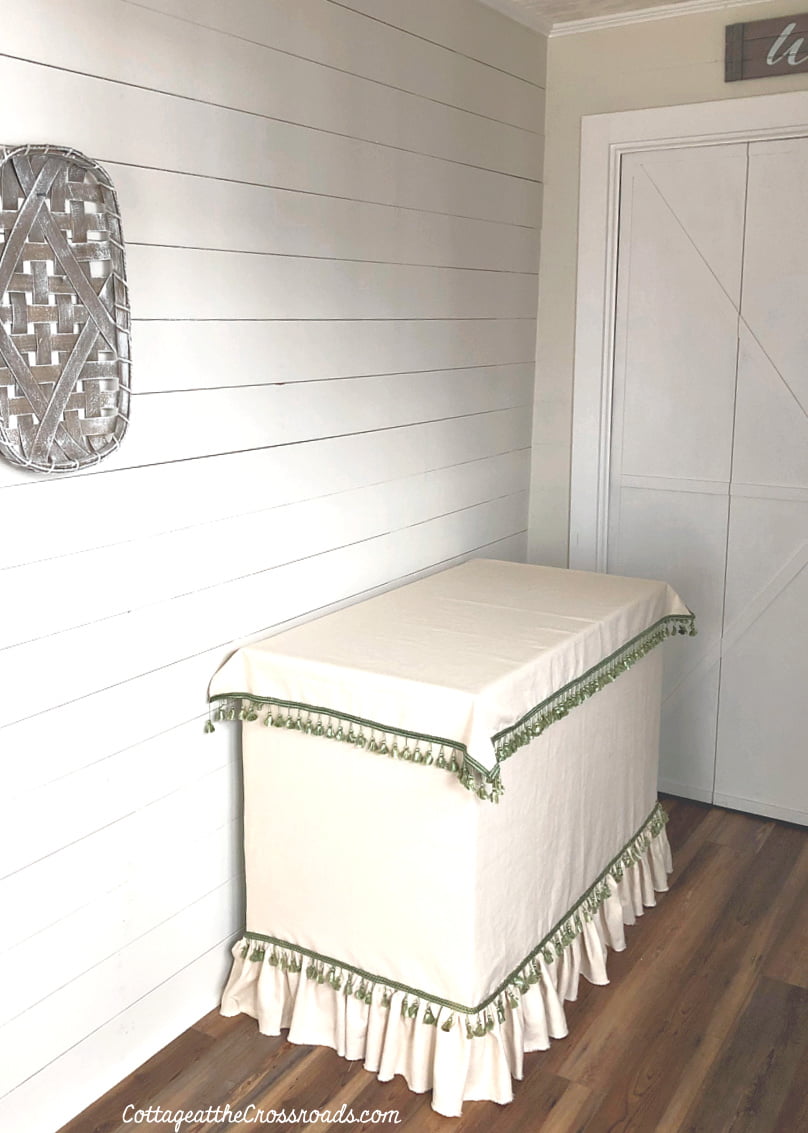
6. Curtain Or Fabric Cover
Hang a curtain or heavy fabric around the freezer using a tension rod or ceiling hooks.
- Pros: Inexpensive, easy to change colors/styles, good for renters.
- Cons: Fabric can gather dust, may need frequent washing.
7. Faux Cabinet Panels
Attach fake cabinet doors or panels to the front and sides of the freezer. Use magnetic strips or lightweight hinges.
- Pros: Mimics real cabinetry, budget-friendly.
- Cons: Not as strong as real cabinets, may require some DIY skill.
8. Built-in Bench Or Seating
For chest freezers, build a bench frame around the unit. Top with a cushion for seating.
- Pros: Doubles as seating, great for mudrooms or playrooms.
- Cons: Only works with chest (top-opening) freezers, must ensure lid opens fully.
9. Moveable Storage Cart Or Island
Surround the freezer with a cart or island that has shelves, drawers, or baskets.
- Pros: Adds storage, easy to move.
- Cons: May need custom sizing, can block airflow if too tight.
10. Wall-mounted Shelving Units
Install shelves above or around the freezer. Store boxes, baskets, or decor on the shelves to draw attention away from the appliance.
- Pros: Maximizes vertical space, organizes clutter.
- Cons: Doesn’t fully hide the freezer, but distracts the eye.
11. Repurposed Armoire Or Cabinet
Place your freezer inside a large wardrobe, armoire, or vintage cabinet. Cut out the back or sides for ventilation.
- Pros: Unique look, adds character.
- Cons: Needs a large, sturdy cabinet; may require modifications.
12. Plants And Greenery
Arrange tall potted plants or artificial trees around the freezer. Works best in corners or near windows.
- Pros: Softens the look, improves room ambiance.
- Cons: Needs watering/maintenance, may not fully cover the appliance.
13. Decorative Wall Panels
Use shiplap, beadboard, or other decorative panels to build a partial “wall” in front of the freezer.
- Pros: Customizable, matches any style.
- Cons: Permanent installation, may reduce access.
14. Garage Shelving Partition
In garages, use heavy-duty shelving units to create a “room divider. ” Store tools, bins, or sports gear on the shelves.
- Pros: Organizes garage, shields freezer from view.
- Cons: Needs space, may block light.
15. Outdoor Storage Shed
If your freezer is outdoor-rated, place it in a small shed or weatherproof box.
- Pros: Completely hidden, protects from weather.
- Cons: Needs electricity, check for code rules.
16. Tinted Or Frosted Glass Panels
Install glass panels with a frosted or tinted finish in front of the freezer. This is modern and lets light through.
- Pros: Sleek, contemporary look.
- Cons: Expensive, shows fingerprints.
17. Decorative Decals Or Wraps
Cover the freezer with adhesive vinyl wraps or decals. Choose woodgrain, stainless steel, or even a chalkboard design.
- Pros: Inexpensive, quick update, removable.
- Cons: Doesn’t change the shape, but changes the style.
18. Behind A Bookcase
Install a deep bookcase on wheels or hinges in front of the freezer. Open the bookcase when you need access.
- Pros: Hidden storage, adds interest.
- Cons: Can be heavy, needs space to open.
19. Room Divider Curtain
Hang a ceiling-mounted curtain across a section of the room, with the freezer behind it.
- Pros: Easy to install, customizable.
- Cons: May not suit all rooms, blocks part of the space.
20. Raised Platform With Steps
Build a platform over the freezer (for chest units), with steps leading up. Good for basements or playrooms.
- Pros: Creative use of space, adds function.
- Cons: Only for low freezers, needs secure construction.
Comparison: Popular Hiding Methods
Below is a comparison of three popular hiding options.
| Method | Cost | DIY Difficulty | Accessibility | Style Impact |
|---|---|---|---|---|
| Custom Cabinet Enclosure | High | Medium/High | Excellent | Seamless |
| Curtain or Fabric Cover | Low | Low | Good | Flexible |
| Sliding Barn Door | Medium | Medium | Very Good | Stylish |
Insight: Many people choose curtains for speed and cost, but cabinets give a more permanent, stylish result.
Step-by-step: Diy Cabinet Enclosure For A Deep Freezer
If you want a professional look, a custom enclosure is one of the best ways. Here’s how you can do it:
1. Measure Your Freezer
- Measure width, depth, and height.
- Add at least 2-3 inches around for airflow.
2. Plan Your Enclosure
- Decide on the materials: Wood, MDF, or plywood.
- Match the style with your kitchen or room.
3. Build The Frame
- Use 2x4s or sturdy boards.
- Create a base that supports the freezer’s weight.
- Build side walls, leaving the back open or adding vents.
4. Install Cabinet Doors
- Use pre-made cabinet doors or build your own.
- Attach with strong hinges.
5. Add A Countertop (optional)
- Place a countertop above for extra workspace.
- Make sure the lid or door can open fully.
6. Paint And Finish
- Paint or stain to match your room.
- Add trim or hardware as needed.
7. Test Ventilation
- Run the freezer and check that heat can escape.
Pro tip: Install a small fan or vent if the enclosure gets warm.
Table: Common Mistakes When Hiding A Deep Freezer
Avoid these pitfalls to keep your freezer working safely and efficiently.
| Mistake | Why It’s a Problem | How to Avoid |
|---|---|---|
| Blocking vents | Overheats the compressor | Leave 2-3 inches of space |
| Poor access | Hard to open or load | Test lid/door swing before building |
| Unsafe wiring | Risk of fire or shock | Keep plugs reachable |
| Excess moisture | Mold or rust | Use waterproof materials |
| Using outdoor freezers indoors (or vice versa) | Shortens lifespan | Check manufacturer’s rating |
Style Tips: Matching Your Freezer Cover To Your Home
Blending your deep freezer into your home isn’t just about hiding it. Make it part of your style:
- Modern homes: Use sleek panels, glass, or neutral colors.
- Farmhouse style: Try barn doors, shiplap, or wood finishes.
- Boho or eclectic rooms: Choose colorful curtains or patterned wraps.
- Industrial look: Use metal shelving, pipes, or dark woods.
If you move often, choose non-permanent solutions like screens, curtains, or wraps.
Credit: phil.lavin.me.uk
Hiding A Deep Freezer In Small Spaces
Apartments and small homes need creative thinking. Try these ideas:
- Use a decorative screen in a corner.
- Slide the freezer under a counter or work table.
- Cover the freezer with a tablecloth and use it as a display table.
- Choose multi-purpose furniture, like a storage bench.
Non-obvious tip: In very small kitchens, consider buying a smaller chest freezer or an upright model that fits in a closet.
Hiding A Deep Freezer In Garages And Basements
These areas offer more space, but you still want things tidy. Here are some top approaches:
- Place the freezer behind a row of shelving units.
- Build a small partition wall.
- Use a tarp or heavy-duty curtain to separate the freezer area from tools or laundry.
- Stack bins or storage boxes around the freezer to create a “zone.”
Insight: Many people forget to check the garage’s temperature—some freezers stop working if it gets too cold in winter. Check your model’s specs.
Outdoor And Porch Freezer Hiding Solutions
If you must put your freezer outdoors, focus on protection and style:
- Use a weatherproof shed or outdoor cabinet.
- Place under a covered porch, then use wood slats or lattice to disguise.
- Paint the shed to match your house.
- Add locks for security.
Pro tip: Outdoor freezers need regular checks for pests and moisture.
Budget-friendly Hiding Ideas
You don’t have to spend a lot to hide your deep freezer. Some quick, affordable solutions:
- Hang a simple curtain using a tension rod.
- Use contact paper or vinyl wraps for a fast makeover.
- Place a folding screen in front.
- Decorate the freezer top with a tray, plants, or baskets.
Data: According to DIY forums, most people spend under $50 for curtain or wrap solutions, versus $300+ for custom cabinetry.
Credit: cottageatthecrossroads.com
When To Hire A Professional
Some situations call for expert help:
- Custom cabinetry or built-in enclosures.
- Moving electrical outlets or wiring.
- Building permanent walls or benches.
- Ensuring proper ventilation in tight spaces.
If you’re not comfortable with power tools, complex measurements, or heavy lifting, a handyman or contractor can help.
Maintenance And Safety Tips
A hidden freezer still needs care. Keep these tips in mind:
- Check ventilation monthly—dust or clutter can block airflow.
- Defrost regularly to prevent ice buildup.
- Clean behind and under the freezer to reduce dust and pests.
- Test the plug and cord for wear or damage.
- Keep a thermometer inside to monitor temperature.
If you hear new noises or see moisture, check for problems right away.
When Not To Hide A Deep Freezer
Sometimes, hiding isn’t the best choice. Avoid these situations:
- If you can’t provide enough airflow.
- If frequent access is critical (like for a home business).
- If hiding would block emergency exits or pathways.
- If local building codes require appliances to be visible (rare, but possible).
Non-obvious insight: In some rentals, hiding appliances may break your lease. Check with your landlord.
Real-life Examples
- Sarah in Texas turned her garage freezer into a craft table by building a counter above and storing supplies on shelves around it.
- Mike in Canada used an old armoire in his basement, cutting vents in the back, to keep his deep freezer out of sight.
- Priya in India added a curtain under her kitchen counter to hide a compact chest freezer, matching the fabric to her kitchen towels for a unified look.
- Tom in the UK built a bench over his chest freezer in the mudroom, using the seating area for putting on shoes.
These solutions show that with a little creativity, anyone can make a deep freezer blend into their home.
Credit: cottageatthecrossroads.com
Frequently Asked Questions
How Much Space Should I Leave Around My Deep Freezer For Ventilation?
You should leave at least 2-3 inches of space on all sides of your freezer for proper airflow. Check your manual—some models need more. Good ventilation prevents overheating and extends the freezer’s life.
Can I Put A Deep Freezer In A Closet?
Yes, but only if the closet is large enough and you add vents or a fan for airflow. Never seal a freezer in a tight closet with no air movement—this can cause overheating and damage. Leave room to open the lid or door fully.
Is It Safe To Cover A Deep Freezer With A Curtain Or Fabric?
It’s generally safe if you use a lightweight, breathable fabric and don’t cover the vents or block airflow. Wash the fabric often to avoid dust and mold. Never drape heavy or waterproof materials that trap heat.
Will Hiding My Freezer Void The Warranty?
It depends on the manufacturer. Many warranties require proper installation and ventilation. If hiding your freezer causes it to overheat or break, repairs may not be covered. Always follow the user manual and check warranty terms.
What’s The Best Way To Hide A Deep Freezer In A Rental Apartment?
Use non-permanent solutions like curtains, folding screens, or vinyl wraps. Avoid drilling holes or building permanent enclosures. These options are easy to remove when you move out and won’t damage your rental.
For more information on appliance safety, see the official Consumer Reports Freezer Guide.
Hiding a deep freezer doesn’t have to be expensive or complicated. With the right method, you can keep your home stylish and organized—while still enjoying all the benefits of extra frozen storage. Whether you want a quick fix or a long-term solution, use these ideas to create a space that works for you.