
If you have a china cabinet but don’t want to fill it with dishes, you are not alone. Many people today use these traditional furniture pieces for something different—turning them into a showcase for art, memories, and personal style. It might seem tricky at first, but decorating a china cabinet without dishes can be fun and rewarding. You can turn an empty cabinet into a highlight of your room, using creativity and a few smart tips.
In this guide, you’ll discover practical ways to fill your cabinet beautifully, even if you never use it for plates or cups. Whether your style is modern, vintage, or playful, you’ll find ideas that suit your taste and your home.
You’ll also get advice on choosing the right items, arranging them for visual impact, and avoiding common mistakes. With a bit of planning, your china cabinet can become a conversation piece—no dishes required.
Understanding Your China Cabinet
Before you start decorating, it helps to know the basics about your cabinet. China cabinets come in many shapes and sizes. Some are tall and narrow, others are wide and low. Most have glass doors, shelves, and sometimes drawers or closed sections. The cabinet’s design will affect how you decorate it.
Key Features To Consider
- Shelf height and depth: Check how tall and deep each shelf is. This tells you what items will fit.
- Glass doors: Cabinets with glass doors show everything inside. If yours has them, think about how items will look from outside.
- Lighting: Some cabinets have built-in lights. If not, you can add battery-powered LED lights for extra brightness.
- Back panel: The back may be mirrored, painted, or wood. Mirrors reflect light and make items stand out.
Knowing these features helps you plan your decor. For example, deep shelves are good for large objects, while shallow shelves are best for smaller items. Glass doors mean you want neat arrangements, not clutter.
Choosing Your Theme
Decorating a cabinet without dishes starts with a theme. A theme gives your cabinet a story and helps you choose items that work together. Here are some popular themes:
- Nature-inspired: Use plants, stones, wood, and natural textures.
- Travel and adventure: Fill the cabinet with souvenirs, maps, and postcards.
- Art gallery: Show off small sculptures, pottery, or paintings.
- Memory lane: Display family photos, keepsakes, and heirlooms.
- Seasonal or holiday: Change items for different times of year—autumn leaves, winter ornaments, spring flowers.
Pick a theme that fits your personality and home. Don’t worry about matching everything perfectly. Mixing styles can look interesting, but having a theme makes decorating easier.
Selecting Items For Display
Now comes the fun part—choosing what to put inside. Here are ideas that work well in a china cabinet without dishes:
Decorative Objects
- Vases: Tall or short, glass or ceramic, vases add shape and color.
- Sculptures: Small statues or figurines can be a focal point.
- Candles: Use pillar or tea light candles. Flameless candles are safer.
- Baskets: Woven baskets bring warmth and texture.
Books And Magazines
Books aren’t just for shelves. Stack a few horizontally and stand some vertically. Choose books with pretty covers for extra style.
Art And Photos
Frame small prints, family photos, or artwork. Lean them against the back wall or hang them inside the cabinet if possible.
Plants And Flowers
Small potted plants, succulents, or dried flowers bring life to the cabinet. Choose plants that don’t need much light, or use artificial plants.
Collectibles
Display items like vintage toys, coins, or model cars. Group similar items together for more impact.
Seasonal Decorations
Switch decor for holidays or seasons. For example, use pumpkins in fall, ornaments in winter, seashells in summer.
Personal Memorabilia
Show off things that matter to you—medals, certificates, or souvenirs. These make your cabinet unique.
Arranging Items For Visual Impact
How you arrange your items is as important as what you choose. A good arrangement makes your cabinet look tidy and attractive.
Basic Arrangement Tips
- Rule of thirds: Don’t center everything. Place items off-center for a more natural look.
- Group odd numbers: Arrange items in groups of three or five. Odd numbers are more pleasing to the eye.
- Height variation: Mix tall and short items for interest.
- Layering: Place items in front of each other, not just side by side.
- Negative space: Leave some empty space. Crowding every inch makes the cabinet look messy.
Creating Depth
Objects placed at different distances from the glass add depth. For example, put a tall vase at the back, a small sculpture in front, and a candle between them.
Using Color And Texture
Mix colors and textures, but keep a balance. For example, combine shiny glass with rough wood. If you use bold colors, add some neutral items to calm things down.
Rotating Displays
Change the display every few months. This keeps the cabinet fresh and interesting. You can rotate themes or just swap a few items.
Practical Tips For Decorating
Decorating a china cabinet is easy to start, but there are some tricks that help you succeed. Here are practical tips:
Lighting Matters
If your cabinet has built-in lighting, use it. If not, add LED strip lights or puck lights. Good lighting makes your items shine and adds drama.
Cleaning And Maintenance
Dust items regularly. Glass shelves and doors show fingerprints, so wipe them often. Clean plants and decorative objects as needed.
Safety First
If you have children or pets, avoid fragile items on lower shelves. Use secure stands for tall objects. Flameless candles are safer than real ones.
Avoiding Clutter
Don’t fill every inch. Less is often more. Aim for a balanced look—enough items to create interest, but not so many that it feels crowded.
Mixing Materials
Combine glass, wood, metal, and fabric for a rich look. For example, a glass vase, a metal sculpture, and a woven basket together add variety.
Adding Backdrops
If the back of your cabinet is plain, add wallpaper, fabric, or a painted board. This helps items stand out. Choose a color or pattern that fits your theme.
Popular Alternative Uses For A China Cabinet
China cabinets are versatile. Here are some creative ways to use them:
- Bookcase: Turn the cabinet into a mini library. Use books, magazines, and reading accessories.
- Bar cabinet: Store bottles, glasses, and bar tools. Add a tray for mixing drinks.
- Craft supply storage: Organize yarn, fabric, or art supplies. Use baskets and jars for neatness.
- Toy display: Show off model cars, action figures, or dolls.
- Home office organizer: Store papers, pens, and gadgets. Add baskets for easy sorting.
- Plant stand: Fill the cabinet with potted plants. Use glass doors to create a greenhouse effect.
Each use changes the look and feel of your room. Think about your needs and pick a style that fits your lifestyle.
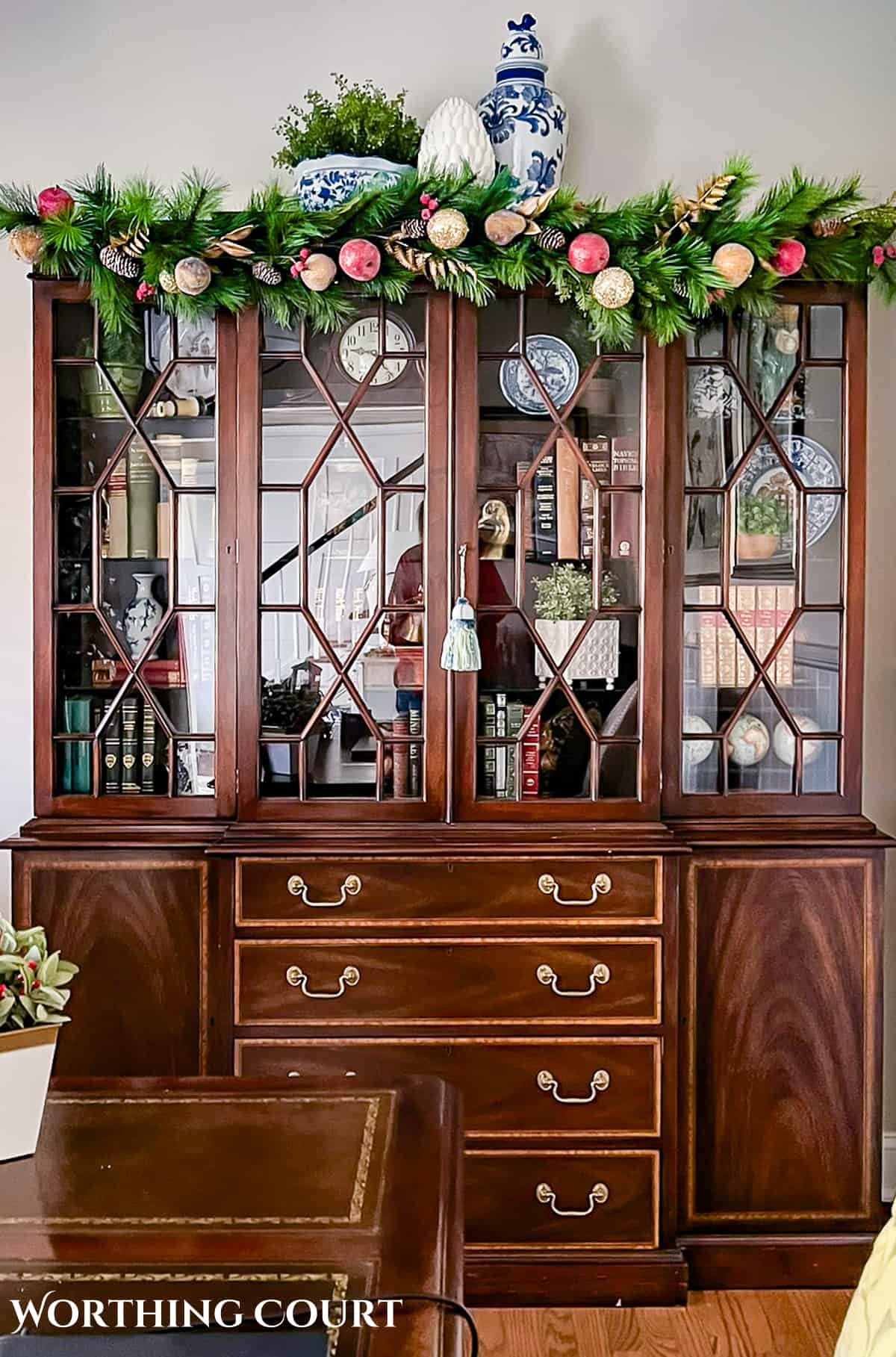
Credit: www.worthingcourtblog.com
Comparing Different Display Styles
To help you decide, here’s a comparison of three display styles for china cabinets:
| Style | Main Features | Best For | Visual Impact |
|---|---|---|---|
| Minimalist | Few items, lots of empty space | Modern homes | Clean, calming |
| Eclectic | Mixed objects, colors, textures | Creative personalities | Bold, lively |
| Themed | Items fit a story or theme | Storytellers, collectors | Coordinated, engaging |
Choosing a style helps guide your decoration choices. Minimalist is good if you like simple, uncluttered looks. Eclectic works for people who love mixing old and new. Themed displays tell a story or highlight a collection.
Mistakes To Avoid
Even experienced decorators make mistakes. Here are some common errors and how to fix them:
- Overcrowding: Filling every shelf makes the cabinet look messy. Leave space between items.
- Ignoring lighting: Poor lighting hides your display. Use lights to highlight key pieces.
- Mixing too many colors: Too many bright colors can clash. Stick to two or three main colors.
- Using only one material: Cabinets filled with only glass or metal look cold. Mix materials for warmth.
- Neglecting the back wall: The back wall is part of your display. Add a backdrop or lean art against it.
A good display is balanced—interesting but not overwhelming. It’s easy to make changes if something doesn’t look right.
Data: Most Popular Items For Cabinet Decoration
A recent survey of home decor enthusiasts showed the most common items used in china cabinets without dishes. Here are the results:
| Item Type | Popularity (%) | Why People Like It |
|---|---|---|
| Books | 65 | Easy to arrange, adds color |
| Plants | 54 | Brings life, fresh look |
| Art | 48 | Personalizes space |
| Collectibles | 39 | Showcases hobbies |
| Seasonal Decor | 32 | Keeps display fresh |
This data shows that books and plants are the top choices, but art and collectibles are also popular. Seasonal decor is used by those who like to change their display often.
Step-by-step Guide: Decorating Without Dishes
If you’re unsure where to start, here’s a simple step-by-step plan:
- Clear the cabinet: Remove all items and clean the shelves, doors, and back panel.
- Choose a theme: Decide what story you want your cabinet to tell.
- Select items: Pick objects that fit your theme. Gather more than you need—editing comes later.
- Plan arrangement: Sketch a layout or arrange items on a table first.
- Add lighting: Install lights if needed. Test how items look under the light.
- Start from the back: Place backdrops or tall items at the back of shelves.
- Layer objects: Add medium and small items in front, mixing heights and shapes.
- Check balance: Step back and look for clutter or empty spots. Adjust as needed.
- Add finishing touches: Place plants, candles, or art last for extra style.
- Maintain regularly: Dust, rotate items, and refresh the display every few months.
Following these steps helps create a cabinet that looks polished and personal.
Advanced Tips And Insights
Here are some less obvious tricks that beginners often miss:
Using Mirrors For Extra Depth
If your cabinet’s back isn’t mirrored, add a mirror panel. Mirrors reflect light and make items seem larger. This is especially useful for small cabinets.
Displaying Items At Different Angles
Instead of lining up everything straight, tilt some objects or lean them against the wall. This adds movement and interest.
Mixing Old And New
Combine vintage pieces with modern items. For example, an old clock next to a sleek vase. This contrast brings warmth and freshness.
Creating Zones
Divide the cabinet into sections for different types of items. One shelf for books, one for plants, one for art. This keeps things organized and visually clear.
Using Transparent Containers
Clear glass jars or acrylic boxes show off items like shells or marbles. Transparent containers add sparkle and allow you to see the contents easily.
Real-life Examples
Let’s look at how some people have decorated their china cabinets in creative ways:
Example 1: Nature Theme
A homeowner used their cabinet to display potted succulents, driftwood, and small stones. The back panel was lined with a leafy wallpaper. LED lights made the plants glow at night.
Example 2: Travel Memories
Another person filled their cabinet with souvenirs from trips—mini Eiffel Tower, postcards, and a globe. Books about travel were stacked on one shelf. A map was taped to the back wall.
Example 3: Art Display
An artist used their cabinet to show off small ceramic pieces, framed sketches, and a collection of paintbrushes in a jar. The shelves were arranged by color and size for a gallery feel.
Example 4: Family Keepsakes
A family used their cabinet for old photos, medals, and baby shoes. Each item had a label with its story. The cabinet became a memory wall.
Example 5: Seasonal Rotation
One person changes their cabinet every few months. In spring, it’s filled with flowers; in fall, with pumpkins and leaves; in winter, with ornaments and candles. This keeps the room feeling fresh all year.
Comparing Cabinet Types For Decor (no Dishes)
Different cabinet styles suit different decoration ideas. Here’s a comparison:
| Cabinet Type | Best Display Items | Challenges | Unique Features |
|---|---|---|---|
| Tall, Narrow | Stacked books, vertical art | Limited shelf depth | Good for small spaces |
| Wide, Low | Large sculptures, group displays | Can look empty if not filled well | Easy to reach |
| Corner Cabinet | Curved arrangements, plants | Odd angles, less lighting | Makes use of corners |
| Vintage Style | Antiques, collectibles | Older cabinets may need repairs | Decorative details |
| Modern Glass | Minimalist objects, art | Shows fingerprints | Sleek look |
Pick a cabinet style that fits your home and your decoration plans. Each type has its own strengths and challenges.
Sustainable And Eco-friendly Decoration Ideas
Decorating doesn’t have to harm the planet. Here are tips for sustainable displays:
- Use second-hand items: Thrift shops and flea markets offer unique pieces.
- DIY decor: Make your own art, baskets, or vases from recycled materials.
- Local crafts: Support local artists and makers for special items.
- Upcycle: Turn old jars, bottles, or boxes into display pieces.
- Choose plants: Live plants clean the air and need less packaging.
Eco-friendly decor is good for your home and the environment. It often costs less and adds personality.

Credit: joyfulderivatives.com
Connecting Your Cabinet To The Room
A china cabinet shouldn’t stand alone. Tie it into the rest of the room by matching colors, textures, or themes. For example, if your living room is blue and white, use blue books and white vases in the cabinet. If your room is rustic, choose wood and woven items.
Place the cabinet where it gets attention—not hidden in a corner. Use rugs, chairs, or art nearby to make it part of the room’s design.
Refreshing Your Display Over Time
One mistake is leaving a display unchanged for years. Refresh your cabinet every season or when you find new items. This keeps your home lively and lets you enjoy your collections more.
Try rotating themes. For example:
- Spring: Flowers, pastel colors
- Summer: Seashells, travel souvenirs
- Autumn: Leaves, pumpkins, warm tones
- Winter: Candles, ornaments, silver and gold
Change just a few items if you don’t want a full makeover. Small changes can make a big difference.
Where To Find Unique Items
Finding items for your cabinet can be part of the fun. Look in:
- Thrift shops
- Flea markets
- Craft fairs
- Online sites like Etsy
- Local artists and makers
- Family attics for heirlooms
Unique items tell a story and make your cabinet special. Avoid buying everything new—mix old and new for a richer look.
Using Technology: Smart Lighting And Displays
Modern technology can enhance your cabinet. Try these ideas:
- Smart LED lights: Change colors and brightness with your phone.
- Digital photo frames: Show rotating images on one shelf.
- Bluetooth speakers: Add music to your display.
These features add fun and convenience. They’re especially useful if your cabinet is in a room used for entertaining.
Expert Advice: What Professionals Recommend
Interior designers suggest these tips for decorating without dishes:
- Pick a theme and stick to it for a cohesive look.
- Use lighting to highlight your best pieces.
- Group items for more impact, not scatter them everywhere.
- Change displays often to keep things fresh.
- Mix personal items with decorative objects for a unique touch.
If you want more in-depth design advice, visit Architectural Digest for inspiration and expert tips.
Frequently Asked Questions
How Can I Decorate A China Cabinet If I Don’t Have Dishes?
You can fill your cabinet with books, art, plants, collectibles, or seasonal decor. Choose a theme and arrange items with care, leaving some empty space for balance.
Should I Use Lighting Inside My China Cabinet?
Yes, lighting makes your display stand out. Use LED lights, strip lights, or puck lights. Good lighting highlights key objects and adds drama.
What Are Some Good Themes For A China Cabinet Without Dishes?
Try themes like nature-inspired, travel memories, art gallery, family keepsakes, or seasonal displays. Pick one that fits your personality and room.
How Often Should I Change The Display In My Cabinet?
Change your display every few months or with each season. Rotating items keeps your cabinet interesting and lets you enjoy your collections more.
Where Can I Find Unique Items For My Cabinet?
Look in thrift shops, flea markets, craft fairs, online sites, and from local artists. Mixing old and new items adds personality and tells a story.
Decorating a china cabinet without dishes opens up many creative possibilities. With a bit of planning and imagination, your cabinet can become a highlight in your home—showing off your style, memories, and favorite objects. Don’t be afraid to experiment and refresh your display often.
The more you personalize it, the more you’ll enjoy it every day.
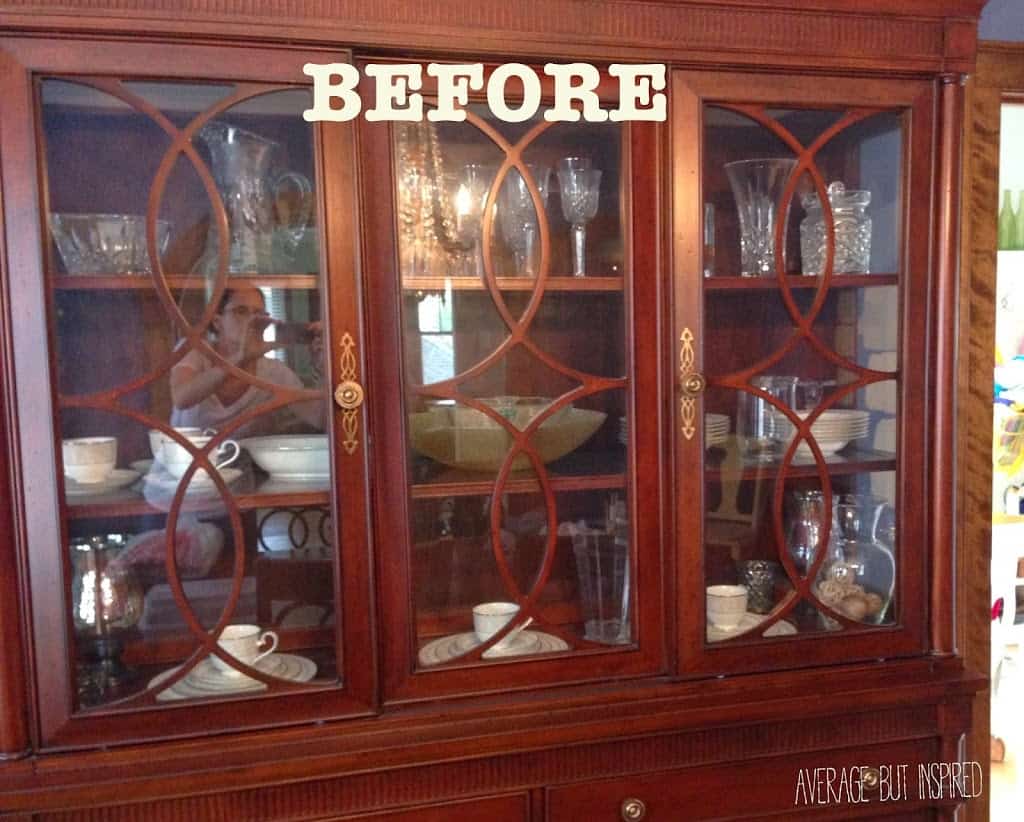
Credit: averageinspired.com