
Cooking at home often means dealing with messy stove burners. Food spills, oil splatters, and burnt crumbs can quickly turn a clean stovetop into a sticky mess. Many people use aluminum foil as a quick solution to keep their burners clean. With foil, you can protect the stove from stains and reduce how often you need to scrub. But if you’ve never done it before, you might wonder: How do you put aluminum foil on stove burners the right way? Is it really safe? And what’s the best method to make sure your stove still works well?
This guide will walk you through everything you need to know. You’ll learn not only the step-by-step process but also the hidden risks, better alternatives, and expert tips that most beginners miss. With these insights, you can keep your stove clean, safe, and efficient—without common mistakes that could damage your kitchen or even create fire hazards.
Why People Use Aluminum Foil On Stove Burners
Keeping a kitchen clean can take a lot of time, especially if you cook daily. The area around stove burners attracts food spills and grease, which can be hard to clean off. Aluminum foil offers a simple barrier between the burner and any mess, making cleaning much easier. Once the foil is dirty, you just remove and replace it instead of scrubbing the stove.
Some key reasons people choose to use foil on burners include:
- Protecting stove surfaces: Foil catches food spills and drips before they can burn onto the stovetop.
- Saving cleaning time: Instead of scrubbing baked-on stains, you can simply change the foil.
- Keeping burners looking new: Regular use of foil can help your stove last longer and look better.
However, while foil is popular, it’s important to use it properly to avoid safety issues.
Safety Considerations Before Using Aluminum Foil
Before you start, you must know that using aluminum foil on stove burners is not always recommended by manufacturers. In some cases, it can even be dangerous.
Potential Risks
- Fire Hazard: If foil blocks air vents or touches heating elements, it can overheat and catch fire.
- Heat Reflection: Foil reflects heat back at the burners, which can damage the stove or affect cooking performance.
- Electric Shock: For electric stoves, improper placement of foil can touch the electrical parts.
- Gas Flow Blockage: For gas stoves, foil may block the flow of gas, leading to uneven flames or gas buildup.
Manufacturer Warnings
Most stove manufacturers, such as GE Appliances and Whirlpool, clearly warn against using foil to cover burners or oven surfaces. They state this can void your warranty or cause permanent damage.
Local Fire Codes
Some cities and apartment complexes ban using foil on burners because of the risk of fire. Always check your local rules before starting.
Safer Alternatives
Stove burner liners, made specifically for this use, are often a better choice. These are usually made from heat-resistant materials and are safer than regular foil.
Non-obvious insight: Many people don’t realize that placing foil directly on electric or gas burner plates can trap heat and cause the metal parts to warp or discolor. Over time, this can lead to expensive repairs.
Types Of Stoves And How Foil Works With Each
Not all stoves are the same, and the right method depends on your model. Here’s a closer look at the main types:
Gas Stoves
Gas stoves have removable burners with metal grates. They use open flames, so safety is especially important.
- Do not cover the gas ports or holes with foil. This can block the flame or cause gas buildup.
- Only cover the area around the burner, never the burner itself.
Electric Coil Stoves
These stoves have metal coil burners that heat up when turned on.
- Foil should never touch the coil itself.
- Place foil only on the drip pans beneath the coils.
Glass-top Or Induction Stoves
These have a flat, smooth surface and use electricity or magnets to heat pans.
- Never use foil on glass-top or induction stoves. It can scratch the surface and interfere with cooking.
| Stove Type | Can You Use Foil? | Special Instructions |
|---|---|---|
| Gas | Yes, with care | Avoid covering gas ports; use only around burners |
| Electric Coil | Yes, with care | Place on drip pans only, not on coils |
| Glass-Top/Induction | No | Foil can cause damage; avoid using |
Non-obvious insight: Many people do not realize that even a small piece of foil touching a heating element can cause electrical arcing or permanent marks on glass surfaces.
What You Need To Get Started
Before you begin, gather the right supplies. Using the correct tools makes the process safer and easier.
- Heavy-duty aluminum foil: Thicker foil is less likely to tear or move out of place.
- Scissors: For cutting foil to the right size.
- Dish soap and sponge: To clean burners before applying foil.
- Oven mitts: For handling hot parts.
- Pen or marker: To help mark cutting lines.
- Measuring tape: Useful for getting the right size.
Optional:
- Heat-resistant burner liners: Available in stores, these are a safer, reusable alternative.
- Masking tape: To hold foil in place (only use small pieces, and avoid contact with flames or heat).
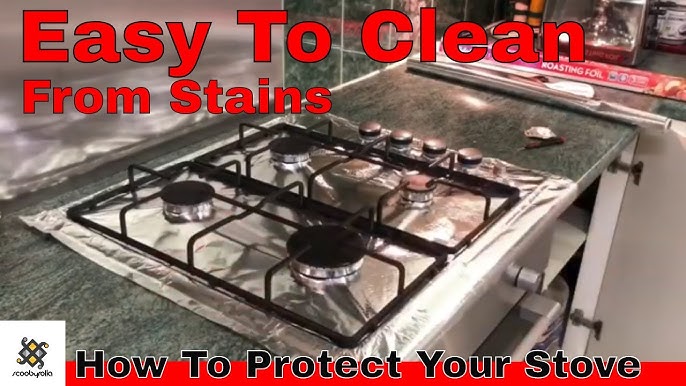
Credit: www.youtube.com
Step-by-step Guide: How To Put Aluminum Foil On Stove Burners
Taking the time to do this correctly will help you avoid common problems and keep your stove safe.
1. Turn Off And Cool Down The Stove
Always begin with a completely cool stove. Never work with hot burners. This prevents burns and gives you time to work safely.
2. Remove Burner Grates Or Coils
For gas stoves, lift off the grates. For electric coil stoves, gently pull up each coil and set it aside. Place all parts somewhere safe.
3. Clean The Burner Area
Use a damp sponge and dish soap to clean any crumbs, grease, or spills from the burner area. Let it dry completely before moving on. Foil sticks better to a clean, dry surface.
4. Measure And Cut The Foil
Use a measuring tape to find the size of each burner well or drip pan. Cut a piece of heavy-duty aluminum foil that is slightly larger than the area you want to cover—usually about 2–3 inches extra on each side.
5. Shape The Foil
Gently press the foil into the burner area, following the shape of the drip pan or burner well. Smooth out any wrinkles, but do not press too tightly, as you’ll need to remove the foil later.
6. Make Holes For Burners Or Coils
For gas stoves: Use scissors or a knife to cut holes in the foil where the burner ports or gas holes are. This is vital for safety and proper cooking.
For electric stoves: Cut a round hole in the center so the coil can fit back in place, with the foil only covering the drip pan.
7. Replace Grates Or Coils
Carefully put the burner grates or electric coils back in their places, making sure they sit flat and are not wobbly. The foil should not interfere with the burners’ position.
8. Secure The Foil (optional)
If you find the foil slips, use a tiny piece of masking tape at the edge (far from the heat). Never use tape near the flames or heating elements.
9. Check For Obstructions
Before turning the stove on, double-check that:
- No foil covers gas ports or electric contacts
- Grates and coils are stable
- Foil is smooth and not sticking up
10. Test The Burners
Turn on each burner for a few seconds to check that flames or coils work normally. If you smell anything burning, see smoke, or notice odd flames, turn off the stove and adjust the foil.
Tips For Best Results And Long-term Use
Getting the most out of your foil burner covers means using a few expert tricks.
Choose The Right Foil
Heavy-duty foil is much more durable than standard foil. It resists tearing and can handle high heat better. Some people use double layers, but this is not always safer, as it can trap more heat.
Replace Regularly
Replace the foil whenever it becomes dirty or torn. Dirty foil can attract insects or cause lingering smells. Never leave burnt food under the foil.
Avoid Overlapping Foil
Overlapping pieces of foil can create air pockets, trapping heat and making it harder for the stove to work. Use a single, smooth piece whenever possible.
Use Commercial Burner Liners
If you want a safer and more reliable solution, try heat-resistant burner liners designed for your stove model. These are sold in many stores and online. They are reusable, fit perfectly, and often come with safety guarantees.
Watch For Damage
If you notice discoloration, melted spots, or warping on your stove or burners, remove the foil immediately and check for damage.
Don’t Forget The Oven
Some people line the bottom of their oven with foil, but most oven manufacturers strongly warn against this. The same heat and airflow problems can happen inside the oven.
Common Mistakes To Avoid
Many beginners make small errors that can lead to bigger problems. Here’s what to watch out for:
- Blocking Air Vents: Never cover air holes or vents, as this can cause dangerous heat or gas buildup.
- Using Thin Foil: Cheap, thin foil tears easily and can end up inside the burner.
- Leaving Foil On for Too Long: Old, dirty foil can catch fire or cause odors.
- Not Cleaning First: Applying foil over a dirty burner traps grease and makes cleaning harder later.
- Foil Touching Heating Elements: This can cause sparks or permanent damage.
- Using on Glass-Top Stoves: As mentioned, never put foil on glass or induction surfaces.
- Ignoring Manufacturer Advice: Always check your stove’s manual before using foil.
Non-obvious insight: Many people reuse old foil that is already dirty or crumpled. This can lead to poor fit and increased fire risk, as greasy foil is more likely to ignite under high heat.
Environmental And Health Considerations
While foil helps keep your stove clean, it’s important to think about the environmental impact and your health.
Is Aluminum Foil Safe To Use Near Food?
Aluminum foil is considered safe for most cooking uses. However, when exposed to high heat, small amounts of aluminum can leach into food, especially if you cook with acidic ingredients like tomatoes or lemon juice. This is usually not a problem for most people, but if you have health concerns, consider using burner liners made from safe, non-toxic materials.
Recycling Used Foil
Most used kitchen foil can be recycled, as long as it’s clean. However, foil with a lot of food residue or grease may not be accepted in recycling bins. Try to wipe or rinse it before disposal.
Sustainable Alternatives
Instead of using lots of disposable foil, consider:
- Reusable burner liners (made from non-stick materials)
- Cleaning burners after each use, before messes have a chance to harden
- Using splatter guards while cooking

Credit: www.youtube.com
Comparing Foil With Commercial Burner Liners
Many people wonder: Is it better to use foil, or should you buy special liners? Here’s a quick comparison to help you decide.
| Feature | Aluminum Foil | Commercial Burner Liners |
|---|---|---|
| Cost | Very Low | Moderate |
| Safety | Can be risky if misused | Generally safer, designed for stoves |
| Ease of Use | Easy to cut, but needs careful fitting | Fits perfectly, less work |
| Reusability | Single use | Reusable, washable |
| Environmental Impact | Creates waste | Less waste over time |
Maintenance: Keeping Your Stove Clean Without Foil
While foil is a popular shortcut, there are other ways to keep your stove clean that don’t have the same risks.
Wipe Daily
Get in the habit of wiping your stove after every meal. Use a damp cloth or sponge to quickly remove crumbs and spills before they harden.
Deep Clean Weekly
Once a week, remove grates or coils and wash them with warm soapy water. Clean the stove surface with a gentle cleaner.
Use Splatter Guards
These mesh screens go over pots and pans to stop grease and food from splashing onto burners.
Try Natural Cleaning Solutions
For stuck-on messes, sprinkle baking soda and spray with vinegar. Let it fizz for a few minutes, then scrub.
Professional Cleaning
If your burners are especially dirty or damaged, you can hire a professional cleaning service for a deep clean.

Credit: buymode.shop
Real-life Example: Using Foil Safely
Sara, a busy mother of three, cooks dinner every night. She found that cleaning her gas stove took too much time, so she started using heavy-duty aluminum foil to cover the burner wells. After a few months, she noticed her stove’s flame was uneven, and the metal around the burners was turning brown.
She realized she had covered some of the gas ports with foil by accident.
By removing the foil and switching to commercial burner liners designed for her stove, Sara fixed the flame problem and stopped further damage. She learned that proper placement of foil is crucial, and that sometimes a small investment in the right tool is worth it.
Expert Recommendations
If you decide to use foil on your stove burners, always:
- Use only heavy-duty foil, cut to size
- Never cover any holes, vents, or heating elements
- Replace foil often to avoid buildup
- Check your stove’s manual for any warnings
- Consider using commercial liners for added safety
For more information on stove safety, you can visit the U.S. Consumer Product Safety Commission.
Frequently Asked Questions
What Happens If I Accidentally Cover Gas Ports With Foil?
If you cover the gas ports on your stove, the flame may become uneven, weak, or not light at all. This can also cause gas to build up, which is extremely dangerous. Always make sure the ports are completely clear before turning on the burner.
Can Aluminum Foil Catch Fire On A Stove?
Yes, aluminum foil can catch fire if it gets too hot, especially if it’s thin or if food and grease have built up on it. This is more likely if foil touches the flame or heating element. Always use heavy-duty foil, keep it away from direct contact with heat sources, and replace it regularly.
Is Using Aluminum Foil On Electric Stoves Different From Gas Stoves?
Yes, with electric stoves, you should only put foil on the drip pans beneath the coils, never on the coils themselves. For gas stoves, keep foil away from the gas ports and only cover the area around the burner. Each type requires careful placement to avoid safety hazards.
Why Can’t I Use Aluminum Foil On Glass-top Or Induction Stoves?
Foil can scratch the glass surface and interfere with the way heat is delivered in glass-top or induction stoves. It can also melt onto the glass, causing permanent damage. Manufacturers strongly advise against using foil on these types of stoves.
Are There Better Alternatives To Aluminum Foil For Keeping Burners Clean?
Yes, commercial burner liners made from heat-resistant materials are safer and reusable. Cleaning your stove regularly, using splatter guards, and choosing simple home cleaning solutions can also reduce the need for foil.
Putting aluminum foil on stove burners can be an easy way to keep your kitchen clean, but it’s important to do it safely. Always check your stove’s manual and follow best practices. With the right approach, you can enjoy a clean stove and peace of mind every time you cook.