
Keeping ice machines clean may not seem exciting, but it’s crucial for any business or home that serves ice. You might think ice is just frozen water and always clean, but the truth is, ice machines can become a home for slime—a sticky, sometimes pink, green, or black buildup caused by bacteria, mold, or algae. This is more common than most people realize, especially in places with high humidity or where maintenance is skipped. When slime grows, it not only looks bad but can also make your ice taste strange, smell unpleasant, and even cause health problems for your customers or family.
So, how do you keep your ice machine free from slime? It’s not just about cleaning now and then. You need a plan, regular habits, and a bit of knowledge about why slime forms in the first place. This guide gives you everything you need: simple steps, insider tips, mistakes to avoid, and the best tools for the job. You’ll learn how to spot early warning signs, choose the right cleaning products, and set up a schedule that makes slime almost impossible to grow. Whether you run a restaurant, hotel, bar, or simply want clean ice at home, these strategies will help you keep your ice machine clean and your ice safe to use.
Why Does Slime Grow In Ice Machines?
Slime isn’t just dirt or dust. It’s a mix of bacteria, mold, algae, and sometimes yeast. These microorganisms love moist, dark places—exactly what an ice machine provides. When you open the machine, warm air enters, raising the humidity. If the machine isn’t cleaned often, these germs can multiply quickly.
Here are the main reasons slime appears:
- Warm, moist environment: Every time you open the door, air brings humidity and germs inside.
- Dirty water supply: If your water isn’t filtered well, it brings nutrients for bacteria.
- Food and sugar spills: If your ice machine is near a bar or kitchen, spilled drinks or food can attract slime.
- Lack of cleaning: Skipping regular cleaning lets germs build up.
- Poor ventilation: Machines in tight spaces or with blocked vents get warmer and wetter.
Surprisingly, even ice machines in cold climates can develop slime because the inside isn’t as cold as a freezer. Some types of bacteria and mold can survive and grow even at low temperatures.
Understanding The Risks Of Slime
Ignoring slime isn’t just a cleaning problem—it’s a health risk. The Centers for Disease Control and Prevention (CDC) has linked dirty ice machines to outbreaks of illnesses like norovirus, salmonella, and E. coli. These germs can survive in ice and make people sick when they eat or drink it.
Besides health risks, slime can:
- Make ice taste or smell bad
- Block ice production, reducing output
- Cause ice to melt faster or stick together
- Damage machine parts, leading to expensive repairs
- Hurt your business reputation if customers see dirty ice
A single bad experience with slimy ice can lead to negative reviews and lost business. Regular cleaning is not just about rules—it protects your customers and your investment.
Credit: vitaloxide.com
Recognizing Early Signs Of Slime
Many people miss the first signs of slime because they don’t look closely. Here’s what to check:
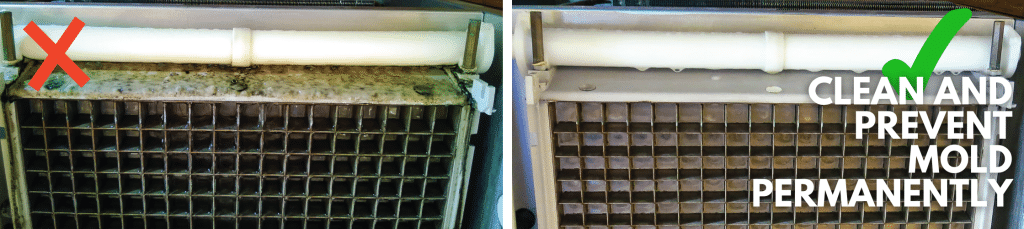
- Discolored surfaces: Pink, green, black, or brown spots inside the machine or bin.
- Slimy texture: Surfaces feel slippery or sticky when you touch them.
- Unusual smells: Musty, sour, or dirty odors coming from the ice or machine.
- Cloudy ice: Clear ice is normal; cloudy, soft, or misshapen ice can mean contamination.
- Floating particles: Small bits in the ice or water reservoir.
It’s a good habit to look inside your ice machine every week. Shine a flashlight and check corners, seams, and the ice chute—slime often starts in hidden spots.
The Best Cleaning And Sanitizing Schedule
Cleaning your ice machine once a year is not enough. Here’s a proven schedule that works for most businesses and homes:
| Cleaning Task | Recommended Frequency | Who Should Do It |
|---|---|---|
| Visual inspection | Weekly | Staff/Owner |
| Wipe exterior surfaces | Weekly | Staff/Owner |
| Empty and deep clean bin | Monthly | Staff/Owner |
| Sanitize water system | Quarterly | Professional/Trained Staff |
| Replace water filter | Every 6 months | Professional/Trained Staff |
| Full machine disassembly/clean | Annually | Professional Service |
For machines in high-use areas (restaurants, bars, hotels), clean more often—sometimes every two weeks. If you notice slime growing faster, increase cleaning until you find the cause.
Step-by-step Guide To Cleaning Your Ice Machine
Regular, correct cleaning is the best way to stop slime. Here’s a safe, effective process:
- Turn off and unplug the machine. This prevents accidents.
- Remove all ice. Throw away any ice from a dirty machine.
- Take out removable parts. Shelves, bins, scoops, and trays can be washed separately.
- Use the right cleaner. Use a food-safe cleaner designed for ice machines. Never use bleach unless the manufacturer says it’s safe.
- Scrub inside surfaces. Use a soft brush or cloth for all surfaces, including corners and seams.
- Clean removable parts. Wash with hot water and cleaner, rinse well.
- Sanitize. After cleaning, use a sanitizer approved for ice machines. Follow the label instructions for mixing and contact time.
- Rinse. Rinse all surfaces with clean water to remove chemicals.
- Let dry. Leave the machine open to air dry before restarting.
- Restart and discard first batch of ice. The first ice may contain cleaner residue.
Practical Cleaning Tips
- Always wear gloves and eye protection.
- Use a dedicated ice scoop—never use hands or glass.
- Label and store cleaning tools for ice machine use only.
- Keep a cleaning log for proof and reminders.
Choosing The Right Cleaning Products
Not all cleaners are safe for ice machines. Look for:
- NSF-certified or food-safe cleaners and sanitizers
- Acid-based cleaners for mineral buildup (but only as directed)
- No strong scents or flavors (to avoid taste problems)
- Clear instructions and dilution rates
Avoid household cleaners, bleach (unless specified), or products with strong perfumes. They can damage the machine, leave toxic residue, or ruin your ice.
Water Filtration: Your Secret Weapon Against Slime
Many owners miss this step. Water filters remove not just dirt and chemicals, but also nutrients that feed slime. A good filter makes a big difference in how often you need to clean.
Types Of Filters
| Filter Type | Removes | Change Frequency |
|---|---|---|
| Carbon | Chlorine, taste, odor | 6 months |
| Sediment | Dirt, rust, particles | 6 months |
| Scale inhibitor | Mineral deposits | 6-12 months |
| Combination | Multiple contaminants | 6 months |
Check your filter every month and change it at least every six months, or sooner if ice output drops or slime appears quickly.
Controlling Humidity And Airflow
Humidity feeds slime. Place your ice machine in a cool, dry, well-ventilated area. Avoid tight closets, hot kitchens, or near dishwashers. Make sure air vents are clear and fans work properly.
If your location is very humid, consider using a dehumidifier nearby. Good airflow reduces condensation, making it harder for slime to grow.
Preventing Cross-contamination
Often, slime starts because germs are brought from somewhere else. Here’s how to avoid it:
- Never store food, drinks, or cleaning chemicals near the ice machine.
- Always use a clean, dedicated ice scoop—never hands or glasses.
- Clean the scoop daily and store it outside the ice bin in a holder.
- Staff should wash hands before handling ice.
Small habits like these make a big difference over time.
Handling High-risk Situations
Some environments make slime more likely:
- Bars: Alcohol, juice, and garnishes nearby attract bacteria and mold.
- Kitchens: Food particles and heat increase risks.
- Outdoor machines: Exposure to pollen, dust, and bugs.
If your machine is in one of these places, check it twice as often and clean more aggressively. For example, in a busy bar, wipe down surfaces every night, not just weekly.
Common Mistakes That Cause Slime
Even well-meaning owners make errors that invite slime:
- Skipping regular cleaning: Even “self-cleaning” machines need manual scrubbing.
- Using the wrong cleaner: Bleach or soap can damage machines and harm health.
- Reusing dirty tools: Don’t use the same cloth for ice and other kitchen areas.
- Ignoring water filters: Dirty filters feed bacteria and mold.
- Poor scoop storage: Storing scoops inside the bin spreads germs.
- Forgetting hard-to-reach areas: Slime often starts in corners and seams.
- Not emptying unused ice: Old ice can harbor bacteria, so discard if not used for days.
Avoid these mistakes to keep your ice safe and your machine working well.
The Role Of Staff Training
Machines don’t clean themselves—people do. Staff must know how to spot slime, clean correctly, and report problems. A short training every few months keeps everyone aware.
Key topics to cover:
- Why slime is dangerous
- How to inspect and clean the machine
- How to use cleaning products safely
- What to do if slime is found
- How to document cleaning
A cleaning checklist in the break room or kitchen can help remind staff of their duties.
Using Technology For Monitoring
Some modern ice machines have smart sensors that alert you when cleaning is needed or when water quality drops. These features can help you catch problems early. If your machine is older, set reminders on your phone or calendar to keep cleaning on schedule.
Professional Maintenance: When And Why
Even with good cleaning, have a professional check your ice machine once a year. They can:
- Deep clean parts you can’t reach
- Check for leaks, worn parts, or mold inside tubing
- Service the refrigerant and fans
- Test water quality and output
Professional service pays for itself by preventing breakdowns and keeping your ice safe.
Natural And Eco-friendly Cleaning Options
If you want a more natural approach, some companies make eco-friendly cleaners for ice machines. These use citric acid or plant-based ingredients. They’re safer for staff and the environment but still need to be food-safe and approved for your machine.
Never try homemade cleaners like vinegar or baking soda unless your manufacturer says it’s safe—they can harm the machine or void your warranty.
Real-world Case Studies
Case 1: Restaurant Slime Outbreak
A popular restaurant in Florida had several customers complain of “funny-tasting” ice and upset stomachs. An inspection found pink and black slime inside the ice bin. The cause? The owner had skipped cleaning for six months, and staff used the same scoop for ice and food.
They fixed the problem by deep cleaning, changing habits, and setting up a strict cleaning schedule. Complaints stopped, and ice quality improved.
Case 2: Hospital Ice Machine
A hospital noticed patients getting sick after surgery. The investigation traced the source to dirty ice machines. The machines looked clean outside but had hidden slime inside. After professional cleaning and better water filtration, patient illness rates dropped.
Case 3: Office Break Room
An office found their ice machine clogged and slow. A technician discovered a thick layer of slime blocking the water line. The fix was simple: regular monthly cleaning and a new water filter.
These real cases show that slime problems are common—but preventable with the right habits.
Comparing Ice Machine Brands For Slime Prevention
Some ice machines are easier to clean and keep slime-free than others. Here’s a comparison of popular brands and their cleaning features:
| Brand | Self-Cleaning Feature | Tool-Free Disassembly | Recommended Cleaning Interval |
|---|---|---|---|
| Manitowoc | Yes | Yes | 2-6 months |
| Scotsman | Yes | No | 1-3 months |
| Hoshizaki | No | No | 1 month |
| Ice-O-Matic | Yes | Yes | 3-6 months |
| Follett | No | Yes | 1-3 months |
Machines with self-cleaning cycles still need manual cleaning but can help between deep cleans. Tool-free disassembly makes it easier for staff to clean all parts.
Two Insights Most People Miss
1. Slime Grows Fast After A Power Outage
Even a short power cut warms up the inside of your ice machine. As the ice melts, water pools, and bacteria quickly multiply. Always check and clean your ice machine after power is restored, especially if the outage lasted more than a few hours.
2. Seasonal Spikes In Slime Growth
During hot, humid months, slime grows much faster. Increase your cleaning frequency in summer or rainy seasons, not just in winter. Watch for higher risk after events, holidays, or busy weekends when the machine is used more.

Credit: www.pentair.com
Quick-reference: Your Slime Prevention Checklist
- Inspect weekly for slime or odor
- Clean and sanitize monthly (or more often if needed)
- Change water filters every six months
- Train staff and keep a cleaning log
- Store ice scoop outside the bin
- Use only food-safe cleaners
- Keep machine area dry and ventilated
These habits, when followed, make slime almost impossible to grow.
Frequently Asked Questions
What Causes Slime To Form In My Ice Machine?
Slime forms because of bacteria, mold, or algae growing in the moist, dark parts of your ice machine. Warm temperatures, dirty water, and poor cleaning habits make it worse.
Is Slime In The Ice Machine Dangerous?
Yes, it can be. Slime often contains germs that can make people sick. Eating or drinking ice with slime can cause stomach problems and other illnesses.
How Often Should I Clean My Ice Machine?
For most machines, clean at least once a month. If you notice slime or are in a busy area, clean every two weeks. Always follow the manufacturer’s instructions.
Can I Use Bleach To Clean My Ice Machine?
Only use bleach if your machine’s manual says it’s safe. Some machines can be damaged by bleach. It’s better to use a food-safe, ice-machine-approved cleaner or sanitizer.
What Is The Best Way To Prevent Slime From Returning?
Set up a regular cleaning schedule, use a good water filter, train staff, and keep the machine in a dry, cool area with good airflow. These steps work together to stop slime before it starts.
If you want more in-depth guidance, the U.S. Food & Drug Administration offers detailed rules for safe ice handling. You can read more on their official website.
Keeping your ice machine slime-free is not difficult, but it does take attention and consistency. With the right habits, you’ll always have clean, safe, and great-tasting ice for everyone to enjoy.
Credit: biozonescientific.com