
If your ice maker suddenly stops working, the problem might be a frozen ice maker tube. This is a common issue, but it can be very frustrating—especially if you rely on your ice maker for daily use. Ice builds up in the fill tube, blocking water flow and causing your ice maker to stop producing ice.
You may notice smaller ice cubes, slow production, or no ice at all. Understanding why this happens and how to prevent it can save you time, money, and hassle.
In this guide, you’ll learn why the ice maker tube freezes, how to fix it, and, more importantly, how to keep it from freezing again. These practical steps work for most refrigerator brands, including Whirlpool, GE, Samsung, LG, and Frigidaire.
You’ll get clear instructions, common mistakes to avoid, and real solutions that make a lasting difference. By the end, you’ll have the knowledge and confidence to keep your ice maker running smoothly all year round.
Why Does The Ice Maker Tube Freeze?
Before you can solve the problem, it’s important to know why the ice maker tube freezes in the first place. Several factors can cause this issue, and sometimes more than one is involved.
Common Causes Of Tube Freezing
1. Temperature Set Too Low
If your freezer is colder than necessary, water can freeze in the tube before it reaches the ice tray. Most freezers should be set between 0°F and 5°F (-18°C to -15°C). Anything lower increases the risk of freezing the tube.
2. Water Inlet Valve Problems
A weak or faulty water inlet valve may let water leak into the tube even when it shouldn’t. This slow drip can freeze over time, eventually blocking the tube.
3. Low Water Pressure
If your home’s water pressure is below 20 psi, the valve may not open or close properly, leading to leaks and freezing.
4. Clogged Or Dirty Water Filter
A blocked filter reduces water flow, causing water to move slowly and freeze inside the tube.
5. Poor Door Sealing
If the freezer door gasket is damaged or dirty, warm air can enter. This causes frost buildup, which may block the tube.
6. Ice Maker Not Used Often
When the ice maker isn’t used for a while, standing water in the tube can freeze.
7. Improper Installation
Twisted or bent water supply lines make it harder for water to flow. This can lead to cold spots where water freezes.
Real-world Example
A Whirlpool refrigerator owner set their freezer to -5°F, thinking it would keep food fresher longer. Instead, the ice maker tube froze every few weeks. Adjusting the freezer to 2°F solved the problem.
How To Identify A Frozen Ice Maker Tube
Knowing the symptoms of a frozen tube helps you act fast. Here’s what to look for:
- No ice production or very small ice cubes
- Ice maker makes noise but no ice appears
- Water leaks inside the freezer
- Frost buildup around the ice maker or fill tube
- Clicking or humming sounds from the ice maker
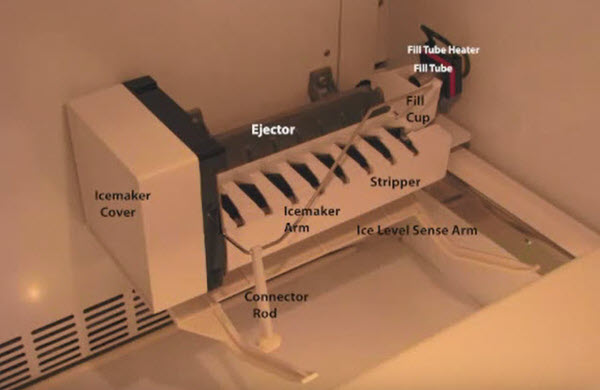
To confirm the problem, unplug the fridge and gently check the ice maker tube for ice. If it feels solid or you see frost, the tube is likely frozen.
Credit: www.subzero-wolf.com
Steps To Fix A Frozen Ice Maker Tube
If your tube is already frozen, don’t worry. You can fix it yourself with a few household tools. Here are the steps:
1. Unplug The Refrigerator
Always disconnect the power before working on appliances.
2. Remove The Ice Maker Cover
Most covers pop off with gentle pressure or a screwdriver. Set it aside safely.
3. Locate The Fill Tube
The tube usually enters from the back or top of the ice maker.
4. Melt The Ice
Use a hair dryer on low heat or a turkey baster with warm (not hot) water. Move slowly to avoid damaging plastic parts.
5. Check For Blockages
After melting, gently push a flexible pipe cleaner through the tube to clear leftover ice.
6. Dry Everything
Wipe down the area to prevent new ice from forming.
7. Plug In And Test
Reconnect power and run a test cycle. Watch for leaks or other issues.
Tip: Never use sharp objects to chip ice. You could damage the tube or the ice maker mechanism.
12 Proven Ways To Keep The Ice Maker Tube From Freezing
Now that you’ve fixed the problem, it’s time to prevent it from happening again. These proven methods work for most refrigerators and can help you avoid costly repairs.
1. Set The Freezer Temperature Correctly
Keep your freezer between 0°F and 5°F. Lower temperatures make it more likely for the ice maker tube to freeze. Use a reliable thermometer to check, as some built-in displays can be inaccurate.
2. Inspect And Replace The Water Inlet Valve
A faulty water inlet valve often causes slow leaks that freeze in the tube. If you notice water dripping when the ice maker isn’t running, the valve may need replacement. This part is usually found at the back of your fridge, where the water line connects.
Pro insight: Even if the valve seems fine, mineral buildup inside can cause tiny leaks. Replace it every few years, especially if you have hard water.
3. Check Home Water Pressure
Low water pressure (below 20 psi) prevents the inlet valve from closing tightly. Use a water pressure gauge on your kitchen faucet to test. If pressure is low, consult a plumber or your water provider.
Non-obvious tip: Some homes experience pressure drops during peak usage hours. Test at different times for accurate results.
4. Change The Water Filter Regularly
Most manufacturers recommend replacing the water filter every 6 months. A clogged filter slows water flow, making freezing more likely.
Beginner mistake: Forgetting to flush the new filter with several gallons of water can leave air pockets, which may also cause freezing.
5. Keep The Freezer Door Sealed
A tight door seal keeps warm air out and prevents frost. Clean the gasket regularly with mild soap and water. If the seal is cracked, replace it.
Data point: Energy Star estimates that a broken gasket can increase energy use by up to 20%.
6. Use The Ice Maker Frequently
Regular use keeps water moving and prevents it from sitting long enough to freeze. Even if you don’t need much ice, run a test cycle or empty the tray every few days.
7. Insulate The Ice Maker Fill Tube
Special insulating sleeves are available for ice maker tubes. These covers prevent cold air from freezing water inside the tube. You can also use foam pipe insulation from a hardware store.
Insider tip: Secure insulation with zip ties, but don’t over-tighten, as this can restrict water flow.
8. Make Sure The Ice Maker Is Level
If your fridge or ice maker is tilted, water might not flow smoothly. Use a bubble level to check. Adjust the feet of your refrigerator until it is even.
Non-obvious insight: Uneven placement can also cause other problems, like noisy operation and poor cooling.
9. Check For Kinks In The Water Line
A bent or twisted water line slows water flow and increases freezing risk. Inspect the line from the wall to the fridge, especially where it bends.
Pro tip: Replace old plastic lines with flexible braided stainless steel for fewer kinks and longer life.
10. Upgrade To A Heated Fill Tube
Some refrigerators, especially in cold climates, offer heated fill tube kits. These keep the tube just warm enough to prevent freezing but not enough to melt ice or use excess energy.
Example: Many GE models have aftermarket heated tube kits that can be installed in under an hour.
11. Avoid Overpacking The Freezer
Too much food blocks airflow, causing cold spots where water can freeze. Leave space around the ice maker and vents for air to circulate.
Practical tip: Organize food in bins to allow cold air to move freely.
12. Schedule Regular Maintenance
Every few months, check all parts of your ice maker system. Look for signs of leaks, frost, or strange noises. Early detection is the best way to prevent freezing problems.
Non-obvious insight: Keeping a simple maintenance log can help you spot patterns and prevent repeat issues.
Comparing The Most Effective Solutions
Some solutions are easier and more effective than others. Here’s a quick comparison of the top methods for preventing a frozen ice maker tube:
| Solution | Cost | Difficulty | Effectiveness |
|---|---|---|---|
| Adjust Freezer Temp | Free | Easy | High |
| Replace Inlet Valve | Medium | Moderate | High |
| Insulate Fill Tube | Low | Easy | Medium |
| Change Water Filter | Low | Easy | Medium |
| Heated Tube Kit | High | Moderate | Very High |
Real-life Case Studies
Learning from real situations can help you avoid mistakes. Here are two examples:
Case Study 1: The Busy Family’s Fridge
The Smith family noticed their ice maker stopped working every winter. After several service calls, a technician found the freezer temperature was set to -10°F. Adjusting it to 2°F and adding insulation to the fill tube solved the problem for good.
Case Study 2: The Vacation Home Dilemma
A homeowner in Colorado left their vacation home empty for weeks. The unused ice maker tube froze solid. After thawing it, they installed a heated fill tube kit and set a reminder to run the ice maker every few days during winter, even when away. No more frozen tubes.
How To Insulate The Ice Maker Tube (step-by-step)
Insulating the fill tube is one of the easiest and most effective solutions. Here’s how:
1. Buy Foam Pipe Insulation
Choose a size that fits snugly around the tube.
2. Unplug The Refrigerator
Safety first.
3. Expose The Fill Tube
Remove any covers or panels blocking access.
4. Cut The Insulation To Length
Wrap it completely around the tube.
5. Secure With Zip Ties Or Tape
Make sure it’s snug but not too tight.
6. Replace Covers And Plug In
Run a test cycle to check for leaks.
Extra tip: For very cold climates, use double layers or a heated insulation product for extra protection.
The Role Of Water Quality
Many people overlook water quality. Hard water (with lots of minerals) can cause buildup in the valve and tube, making freezing more likely.
Solutions:
- Use a high-quality water filter
- Clean the ice maker system regularly
- Consider a whole-home water softener if you have hard water
Fact: According to the US Geological Survey, about 85% of US homes have hard water.

Credit: www.youtube.com
Common Mistakes To Avoid
Even experienced homeowners make mistakes when trying to stop the ice maker tube from freezing. Avoid these errors:
- Setting the freezer too cold, thinking it will make ice faster
- Forgetting to replace the water filter
- Using the wrong type of insulation
- Ignoring small leaks or drips
- Using sharp objects to clear ice blockages
Pro insight: One overlooked mistake is not checking the water line behind the fridge after moving it. Even a small kink can cause freezing weeks later.
When To Call A Professional
Sometimes, the problem is more serious than it looks. Call an appliance technician if you notice:
- Repeated freezing even after trying all the above steps
- Water leaks inside or under the fridge
- Electrical issues, burning smells, or sparks
- You don’t feel comfortable working with electrical appliances
A pro can check for hidden problems, such as a failing control board or broken heater.
Quick Reference: Troubleshooting Guide
Here’s a handy summary for quick troubleshooting.
| Symptom | Possible Cause | Fix |
|---|---|---|
| No ice production | Frozen tube, faulty valve, low water pressure | Thaw tube, replace valve, check pressure |
| Small ice cubes | Partially frozen tube, clogged filter | Thaw and insulate, replace filter |
| Water leaks | Faulty valve, loose connections | Tighten or replace parts |
| Frost buildup | Door not sealing, overpacking | Clean/replace gasket, organize freezer |
Extra Tips For Long-term Prevention
- Keep the area behind the fridge clean and free of dust for better airflow.
- Label the date on your water filter when you install it.
- Once a year, check the water line for mineral buildup or leaks.
- If you live in a very cold area, check your ice maker system in late fall before winter sets in.
Expert Resources
For more details on ice maker maintenance and advanced troubleshooting, you can visit the Family Handyman website. They offer step-by-step guides and videos for DIY repairs.
Frequently Asked Questions
Why Does My Ice Maker Tube Freeze Even After I Set The Freezer Temperature Correctly?
Several things can still cause freezing, such as a faulty water inlet valve, low water pressure, or a clogged water filter. Check all parts of the system, not just the temperature.
How Often Should I Replace The Water Filter To Prevent Freezing?
Replace the water filter every 6 months, or sooner if you notice reduced water flow or poor ice quality. Always flush the new filter before use.
Can I Use Regular Pipe Insulation For The Ice Maker Tube?
Yes, foam pipe insulation from hardware stores usually works well. Choose the right diameter and secure it loosely. For extra protection, consider products made specifically for ice makers.
Is A Heated Fill Tube Kit Worth The Investment?
If you live in a cold climate or have recurring freezing problems, a heated fill tube kit is very effective. It’s a one-time investment that can save you from repeated repairs.
What Should I Do If I Can’t Fix The Frozen Tube Myself?
If you’ve tried all the steps and still have problems, contact a professional appliance technician. They can check for deeper issues like faulty electronics or hidden leaks.
Keeping your ice maker tube from freezing is easier when you understand the causes and use the right prevention methods. Regular maintenance, correct temperature settings, and quick action when problems appear will keep your ice maker working reliably for years. Now, you can enjoy ice-cold drinks without the worry of a frozen ice maker tube slowing you down.

Credit: www.reddit.com