
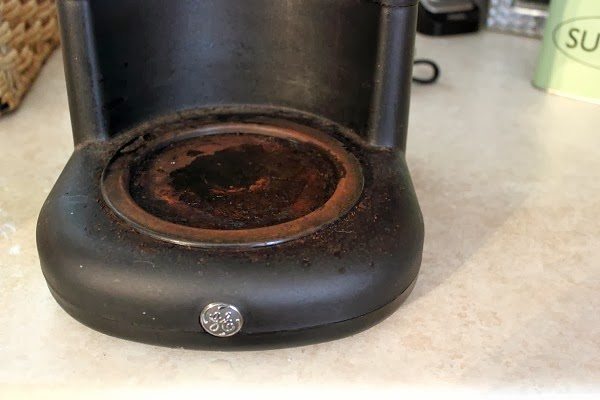
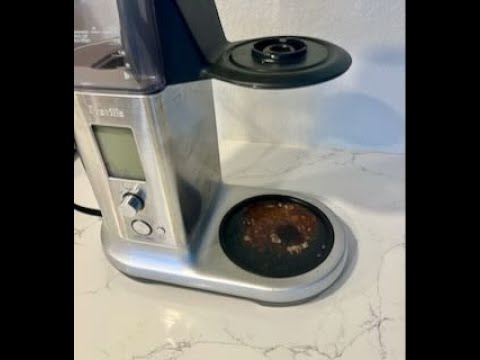
If you love your morning cup of coffee, you probably use your coffee maker every day. Over time, you might see brown or orange spots forming on the hot plate under your carafe. These spots are rust, and they not only look bad but can also affect the taste of your coffee and the life of your coffee maker. Removing rust from a coffee maker hot plate is important for both cleanliness and machine performance.
Many coffee lovers don’t realize how easy it is to get rid of rust and prevent it from coming back. Some try to scrape it off, but this can scratch the surface and even make rust form faster next time.
Others just wipe it, but the rust remains. The good news is, with the right methods and a little patience, you can get your hot plate looking clean and shiny again. This guide will show you how, step by step.
Why Does Rust Form On Coffee Maker Hot Plates?
Most coffee maker hot plates are made of metal, often with a thin coating to protect against rust. But with daily use, steam, spills, and even cleaning with the wrong products can damage this coating. When water sits on metal, oxidation occurs. This is a chemical reaction between iron, water, and oxygen that creates rust.
Here are some common reasons why rust appears:
- Water Spills: Frequent spills that are left to dry can lead to rust.
- Acidic Liquids: Coffee is naturally acidic. Spills or drips that aren’t cleaned quickly can break down the protective coating.
- Scratches: Using rough sponges or metal tools can scratch the surface, exposing metal underneath.
- Humidity: High humidity in your kitchen can speed up rusting, especially if the coffee maker is left wet.
Knowing these causes helps you not only remove rust but also prevent it in the future.
Is It Safe To Use A Coffee Maker With A Rusty Hot Plate?
Many people wonder if it’s okay to keep using their coffee maker when the hot plate has rust. In most cases, a bit of rust won’t make your coffee dangerous, but it can give your drink a metallic taste and may eventually damage the machine.
Here’s why you should remove rust:
- Taste: Rust can cause a metallic, unpleasant flavor in your coffee.
- Safety: Large amounts of rust flakes can end up in your coffee pot.
- Machine Damage: Rust can spread and weaken the hot plate, leading to cracks or electrical problems.
- Looks: Rusty spots make your kitchen look less clean.
For these reasons, it’s always better to keep your coffee maker hot plate rust-free.
Tools And Materials You Will Need
Before starting, gather everything you’ll need. This makes the job easier and safer.
Must-have items:
- Soft sponge or cloth
- Old toothbrush
- Baking soda
- White vinegar
- Lemon juice (optional)
- Fine steel wool (#0000 grade)
- Mild dish soap
- Small bowl
- Gloves (optional)
- Paper towels or a dry cloth
Avoid:
- Metal scrapers
- Harsh chemicals (like bleach)
- Coarse steel wool (can scratch the plate)
Using the right tools helps you remove rust without harming the coffee maker.
Step-by-step: How To Remove Rust From Coffee Maker Hot Plate
Removing rust is not difficult, but you need to do it carefully. Let’s look at the safest and most effective methods.
1. Unplug And Cool Down
Always unplug your coffee maker before starting. Wait until the hot plate is completely cool. This prevents burns and electrical accidents.
2. Wipe Away Loose Debris
Use a dry cloth to wipe off any loose coffee grounds, dust, or bits of rust. This helps you see the real problem areas.
3. Make A Baking Soda Paste
Baking soda is a gentle, natural cleaner that removes rust without scratching.
- Mix 2 tablespoons of baking soda with enough water to make a thick paste.
- Spread the paste over the rusty spots.
- Let it sit for 30 minutes. The baking soda will loosen the rust.
4. Scrub Gently
After 30 minutes, use a soft sponge or an old toothbrush to scrub the area. For stubborn spots, use fine steel wool (#0000 grade) with light pressure. Do not scrub too hard; you don’t want to scratch the plate.
5. Use White Vinegar For Tough Rust
If baking soda isn’t enough, try white vinegar:
- Soak a cloth in vinegar and lay it over the rust for 15 minutes.
- Remove the cloth and scrub again with the sponge or toothbrush.
Vinegar is acidic and breaks down the rust without harming the metal.
6. Try Lemon Juice For Extra Power
Lemon juice works like vinegar but is a bit milder. If you prefer a fresh smell, use lemon juice instead of vinegar. You can even mix baking soda and lemon juice to make a fizzing paste.
7. Wash Off Residue
Once the rust is gone, clean the hot plate with a cloth and mild dish soap. Wipe with a damp cloth to remove any cleaner left behind.
8. Dry Thoroughly
Rust forms when metal stays wet. Use a dry cloth or paper towels to dry the hot plate completely. Leave the lid open for a few minutes to let any hidden moisture evaporate.
9. Inspect And Repeat If Needed
Some rust stains are stubborn. If you see rust after cleaning, repeat the process. Never use sharp tools or harsh chemicals, as they can damage the hot plate.
Important Insight: Many people forget to dry the hot plate fully after cleaning. Even a little moisture can cause rust to return quickly.
Comparing Rust Removal Methods
To make things clearer, here’s a comparison of the most common rust removal methods for coffee maker hot plates:
| Method | Strengths | Risks | Best For |
|---|---|---|---|
| Baking Soda Paste | Gentle, non-toxic, cheap | May need repeat applications | Light to moderate rust |
| White Vinegar | Effective, easy to find | Strong smell, may need ventilation | Moderate to stubborn rust |
| Lemon Juice | Pleasant scent, safe | Slower than vinegar | Light rust, maintenance |
| Fine Steel Wool | Removes tough rust | May scratch if used hard | Heavy rust (with care) |
Natural Vs. Chemical Rust Removers
Some people use commercial rust removers, but these are often too strong for a coffee maker hot plate. They can leave behind chemicals that are not safe for food contact. Natural cleaners like baking soda and vinegar are safer and just as effective for small household jobs.
Here’s a look at the pros and cons:
| Type | Advantages | Disadvantages |
|---|---|---|
| Natural (Baking Soda, Vinegar, Lemon) | Safe, cheap, eco-friendly | May require repeated use |
| Chemical (Commercial Removers) | Fast-acting, strong | Toxic, not food-safe, can damage plate |
Non-obvious insight: Even “food-safe” chemical removers may leave traces that affect taste or health. Always stick to simple, natural ingredients for anything that touches your coffee.
How To Prevent Rust From Returning
It’s easier to prevent rust than to remove it. Here are some simple habits that keep your hot plate clean and rust-free:
- Wipe Spills Immediately: Whenever you spill coffee or water, wipe it up right away.
- Dry After Cleaning: Always dry the hot plate after cleaning or after the brewing cycle.
- Use Soft Cloths: Clean with a soft cloth or sponge, never abrasive pads.
- Keep the Lid Open: After brewing, leave the lid open for a few minutes to let steam escape.
- Store in a Dry Place: If you don’t use the coffee maker every day, unplug it and keep it in a dry spot.
- Check for Scratches: If you notice scratches, be extra careful with spills, as these spots rust faster.
- Monthly Cleaning: Do a deep clean every month, even if you don’t see rust.
Practical tip: Some people place a small piece of dry paper towel between the hot plate and carafe overnight to absorb any hidden moisture.
What If The Rust Won’t Go Away?
If you’ve tried all the natural methods and rust keeps coming back, it might be time to check the condition of your coffee maker hot plate.
- Deep Scratches or Pitting: If the surface is deeply scratched or pitted, rust will keep forming. At this point, it might be safer to replace the coffee maker, especially if you see rust flakes in your coffee.
- Flaking Coating: If the protective layer is peeling off, rust will spread quickly.
- Electrical Safety: If rust has reached the edges of the plate or near the wiring, stop using the machine and consult the manufacturer or a technician.
For most people, regular cleaning and careful use will keep the hot plate in good shape for years.
Common Mistakes To Avoid When Cleaning Rust
Many coffee lovers make these errors, which can actually make the problem worse:
- Using strong chemicals (like bleach or oven cleaners)
- Scrubbing with metal tools (screwdrivers, knives, or coarse steel wool)
- Not unplugging the machine before cleaning
- Leaving moisture behind after cleaning
- Ignoring small rust spots until they grow larger
By avoiding these mistakes, you protect both your coffee maker and your health.
How To Tell If It’s Time For A New Coffee Maker
No coffee maker lasts forever. If you’re struggling with rust all the time, here are signs that you might need a new one:
- The hot plate surface is rough or pitted, making it impossible to clean fully.
- Rust forms again within days after cleaning.
- You see rust flakes in your coffee pot.
- The coffee tastes metallic, even after cleaning.
- The machine is more than 5-7 years old and other problems are starting.
Buying a new coffee maker is a last resort, but sometimes it’s safer and saves you time in the long run.
Credit: www.creeklinehouse.com
How To Choose A Rust-resistant Coffee Maker
If you decide to buy a new coffee maker, look for one with a nonstick-coated or stainless steel hot plate. These resist rust much better than basic metal plates.
- Stainless steel is naturally rust-resistant and easy to clean.
- Nonstick coatings prevent rust, but must be handled gently to avoid scratches.
- Removable hot plates are easier to clean and dry.
Ask about the warranty and cleaning advice before buying. Some brands offer better protection against rust, so do a little research or check reviews for real-world results.
Extra Tip: If you have hard water, use filtered water in your coffee maker. This reduces mineral deposits that can scratch and weaken the hot plate, leading to rust.
Do’s And Don’ts For Long-term Care
Here’s a quick summary for keeping your coffee maker hot plate rust-free:
Do:
- Clean spills as soon as possible
- Use gentle, natural cleaners
- Dry the hot plate thoroughly after each use
- Inspect for early signs of rust
Don’t:
- Use harsh abrasives or chemicals
- Let water or coffee sit on the hot plate
- Scrub with metal tools
- Ignore small rust spots
By following these habits, you’ll avoid most rust problems before they start.
Professional Cleaning Services: Are They Worth It?
Some people wonder if they should pay for a professional to clean or repair their coffee maker hot plate. In most cases, this is not necessary. Home methods are safe, cheap, and effective for most rust problems. Professionals may help if the hot plate is heavily rusted or if you’re worried about damaging your machine.
However, the cost can be higher than buying a new coffee maker, especially for basic models.
If your coffee maker is expensive or has sentimental value, check with the manufacturer for recommended service centers.
How Rust Affects The Life Of Your Coffee Maker
Rust is more than just a cosmetic issue. It can shorten the life of your machine in several ways:
- Weakened metal: Rust eats away at the hot plate, making it thin and more likely to crack.
- Electrical risk: If rust reaches the wiring, it can cause shorts or even fires.
- Poor heating: Rust can act as a barrier, making the hot plate heat unevenly and affecting brewing quality.
Regular cleaning and prevention can help your coffee maker last longer and keep your coffee tasting great.
Environmental Impact Of Cleaning Choices
When you clean with natural products like baking soda and vinegar, you protect not only your coffee maker but also the environment. Chemical cleaners can create waste and pollution. Simple household ingredients are biodegradable and safe for the drain.
If you choose to replace your coffee maker, recycle the old one if possible. Some cities offer electronics recycling programs to keep metal and plastic out of landfills.
Real-world Example: A Case Study
Let’s look at how one coffee lover solved their rust problem:
Sarah used her drip coffee maker every day. She started to notice brown spots on the hot plate. At first, she ignored them. After a month, the spots spread, and her coffee started to taste funny. She tried to scrub with a rough sponge, but this only made scratches and more rust.
Sarah found advice on using baking soda and vinegar. She unplugged the machine, made a baking soda paste, and let it sit for 30 minutes. She then scrubbed gently with a sponge. Most of the rust came off, but a few tough spots remained.
She soaked a cloth in vinegar, placed it on the rust for 15 minutes, then scrubbed again. The hot plate looked much better.
Now, she wipes spills right away and dries the hot plate after each use. Six months later, she hasn’t seen rust again.
Insight: Many people try to fix rust with the wrong tools at first, making things worse. Using gentle cleaners and patience works better.
Credit: www.youtube.com
Comparing Hot Plate Materials For Rust Resistance
Choosing the right hot plate material can make a big difference. Here’s a quick comparison:
| Material | Rust Resistance | Maintenance Level | Cost |
|---|---|---|---|
| Uncoated Steel | Poor | High | Low |
| Stainless Steel | Excellent | Low | Medium |
| Nonstick Coated | Very Good (if undamaged) | Medium | Medium to High |
If you’re buying a new coffee maker, stainless steel or nonstick coated hot plates are better choices for long-term use.
Frequently Asked Questions
How Often Should I Clean My Coffee Maker Hot Plate?
Clean the hot plate once a week with a damp cloth, and do a deep rust check and cleaning once a month. If you spill coffee or water, clean it immediately to prevent rust.
Can I Use Wd-40 Or Other Oils To Remove Rust From My Coffee Maker?
No, you should avoid WD-40 or similar oils on your coffee maker hot plate. These products are not food-safe and can leave residues that affect taste and health. Stick with natural cleaners like baking soda and vinegar.
Is It Safe To Use Steel Wool On My Hot Plate?
You can use fine steel wool (#0000 grade) for stubborn rust, but only with light pressure. Coarse steel wool or hard scrubbing can scratch the plate and make rust return faster.
Does Using Filtered Water Help Prevent Rust On The Hot Plate?
Yes, filtered water reduces mineral deposits that can scratch the hot plate and make rust more likely. It also improves coffee taste and keeps your machine cleaner overall.
Where Can I Learn More About Safe Rust Removal For Kitchen Appliances?
You can find more tips and guidelines from trusted sources like the EPA Safer Choice program, which explains how to clean safely with less impact on your health and the environment.
A clean coffee maker hot plate keeps your coffee tasting fresh and your kitchen looking good. With the right methods, you can remove rust easily and prevent it from coming back. Remember, a few simple habits make a big difference in the long run.

Credit: www.reddit.com