
Many people love the convenience of a dishwasher, but not the noise that comes with it. A noisy dishwasher can disturb family dinners, late-night study sessions, or even your sleep if your kitchen is close to your bedroom. If your dishwasher is making more noise than you like, you are not alone.
The good news is, there are clear steps you can take to make your dishwasher quieter—without spending a fortune on a new machine.
This guide will show you practical, step-by-step methods to reduce dishwasher noise. You will learn why dishwashers get loud, how to find the real source of the problem, and which solutions work best for your home. Some tips are simple and quick, while others need a bit more work—but all are designed to help you enjoy a quieter kitchen.
Even if you are not a DIY expert, you can follow these steps with confidence.
Let’s explore how to make your dishwasher quieter and improve the comfort of your home.
Why Are Dishwashers So Noisy?
Before you fix the noise, it’s important to know where it comes from. Many people think all dishwashers sound the same, but that is not true. Dishwasher noise usually comes from a few main sources:
- The pump and motor inside the machine
- Water spraying onto dishes and the tub
- Vibrations moving through the kitchen cabinets or floor
- Loose parts or worn-out components
Older dishwashers tend to be louder because they use less sound insulation and older technology. Even newer models can get noisy if something is wrong or if they are installed poorly.
Noise levels are measured in decibels (dB). Most modern dishwashers are between 44 dB (very quiet) and 60 dB (noticeable). For comparison, normal conversation is about 60 dB. If your dishwasher is above 50 dB, you will probably hear it in the next room.
Understanding these basics will help you choose the right solution later.
Step 1: Identify The Type And Source Of Noise
Not all dishwasher noise is the same. Start by listening carefully. Is it a loud humming, rattling, knocking, or just water splashing? Knowing the type of sound will help you find the real problem faster.
- Humming or buzzing: Often comes from the motor, pump, or water inlet valve.
- Rattling or vibrating: Usually from loose parts, dishes, or the machine touching the cabinet.
- Clicking or knocking: May be caused by the spray arm hitting dishes, or something stuck inside.
- Loud water sounds: Common during the wash or drain cycles but can be louder if water pressure is too high.
You can run the dishwasher with no dishes inside and listen for changes. Open the door mid-cycle (if your machine allows) and see if the noise stops immediately or fades slowly. This helps you narrow down the source.
An important tip: Sometimes the loudest noise comes from vibrations going into your cabinets, not the dishwasher itself.
Credit: www.reddit.com
Step 2: Check For Simple Fixes First
Before you open the toolbox or buy anything, try these easy steps. Many people are surprised how much noise they can reduce with just a few minutes of effort.
Load Dishes The Right Way
Incorrectly loaded dishes can cause the spray arms to hit, making knocking or banging sounds.
- Place large items on the sides or back.
- Avoid putting utensils or pots in a way that blocks spray arms.
- Do not overload racks—leave space for water to flow.
Check For Loose Items
Small items, like spoons or plastic lids, may fall into the bottom of the dishwasher and rattle during the cycle. Always check the bottom before starting a wash.
Level Your Dishwasher
If your dishwasher is not level, it can vibrate against the floor or cabinets. Use a spirit level on top of the machine. Adjust the legs or feet until the machine is completely flat.
Tighten Mounting Screws
Dishwashers are held in place by screws at the top or sides. Over time, these can loosen, making the machine rattle or shake. Open the door and check the screws—tighten them gently if needed.
Step 3: Install Or Upgrade Sound Insulation
One of the most effective ways to make your dishwasher quieter is by adding or improving sound insulation. Many older or budget models have only a thin layer of insulation, or none at all.
Add A Sound Blanket
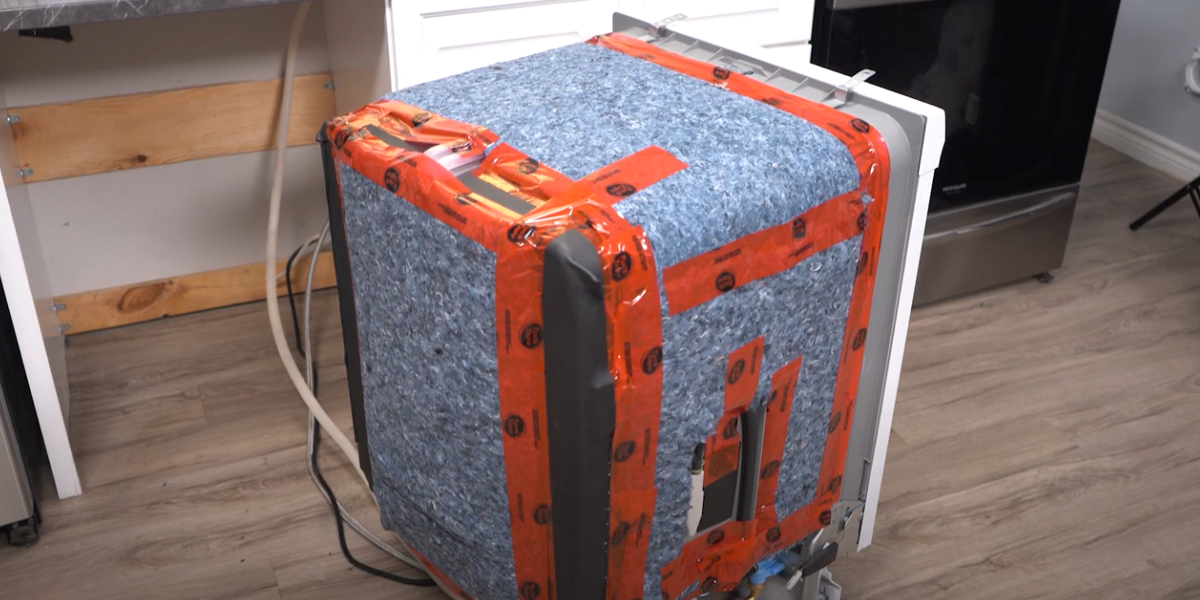
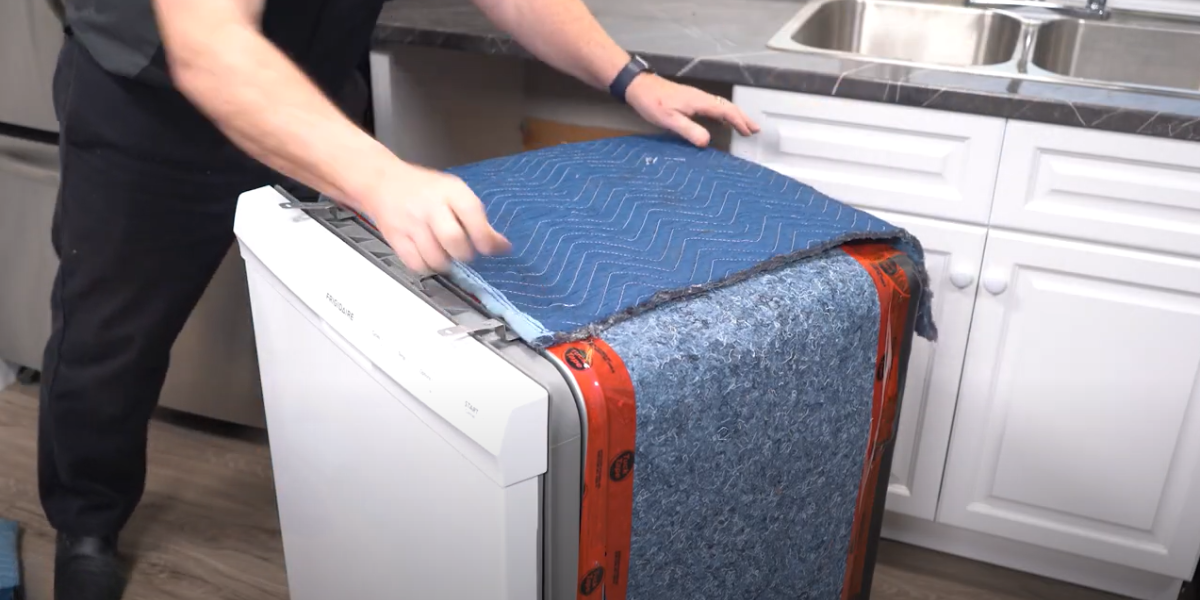
A sound blanket is a thick, fire-safe material that wraps around the outside of the dishwasher (not inside). You can buy one made for your model, or use a universal type.
- Turn off the power and water before removing the dishwasher from the cabinet.
- Wrap the blanket tightly around the machine, especially at the top and sides.
- Cut holes for wires, pipes, or vents as needed.
- Slide the dishwasher back in and reconnect.
A good sound blanket can reduce noise by 3–6 decibels—enough to make a big difference in how your kitchen sounds.
Insulate The Cabinet
If your dishwasher sits inside a wooden cabinet, sound can travel through the wood. Adding foam insulation to the inside of the cabinet or the underside of your countertop can block this path.
- Use closed-cell foam or mass loaded vinyl (MLV) for best results.
- Make sure not to block any vents or access panels.
Seal Gaps And Openings
Even small gaps around the edge of your dishwasher let noise escape. Use weatherstripping or foam tape around the sides and top (but not the bottom—this area is for air flow).
These insulation steps are especially helpful for dishwashers near living rooms or bedrooms.
Step 4: Inspect And Replace Worn Parts
Older dishwashers get louder as parts wear out. Some components are cheap and easy to replace. Regular maintenance can prevent bigger problems later.
Check The Spray Arms
Spray arms can loosen or get blocked by food debris. If they wobble or make clicking noises:
- Remove and clean the spray arms under running water.
- Look for cracks or damage.
- Replace if they are bent, cracked, or do not spin smoothly.
Inspect The Water Inlet Valve
A noisy water inlet valve can make a loud buzzing or hammering sound. If you hear this at the start of the cycle, the valve may be clogged or failing. Replacing it can reduce noise and prevent leaks.
Replace Worn Pump Or Motor
The pump and motor do most of the work. When they get old, they may hum, grind, or rattle. These are more expensive parts, but replacing them is usually much cheaper than a new dishwasher.
Signs the pump or motor is bad:
- Loud humming or grinding during the whole cycle
- Water not draining properly
- Leaks under the machine
If you are not comfortable with this repair, call a professional.
Tighten Or Replace Door Latch
If the dishwasher door rattles, the latch may be loose or worn. A tight seal is important for both noise and leaks. Adjust the latch or replace it if it feels loose.
Step 5: Reduce Vibration Transmission
Some dishwasher noise is not from the machine itself, but from vibrations that travel into the floor, cabinets, or countertop.
Add Anti-vibration Pads
Place rubber pads or small anti-vibration feet under the dishwasher’s legs. These absorb movement and stop it from becoming noise in the rest of your kitchen.
Use Padding Between Cabinet And Dishwasher
Add thin foam or rubber strips between the dishwasher and the sides of the cabinet. This stops hard surfaces from touching each other and reduces rattling.
| Vibration Reduction Method | Effectiveness (1–5) | Estimated Cost |
|---|---|---|
| Anti-vibration pads | 4 | $10–$20 |
| Foam strips | 3 | $5–$15 |
| Leveling machine | 5 | Free |
Step 6: Adjust Dishwasher Settings For Quieter Operation
Some dishwashers have features or settings that can reduce noise, but many people do not use them.
Use Delay Start
If your dishwasher has a delay start feature, you can set it to run at night or when you are out of the house. This does not reduce noise, but it makes it less of a problem.
Choose A Quiet Cycle
Many newer dishwashers have special cycles labeled “Eco”, “Silent”, or “Night”. These use less water pressure and slower pumps, which means less noise. Check your manual or the control panel.
Lower The Water Pressure
High water pressure can make your dishwasher much louder. You can lower the pressure at the water supply valve behind the machine. Do not reduce it too much—just enough to lower noise without affecting cleaning.
Step 7: Upgrade To A Quieter Dishwasher (if Needed)
If your dishwasher is very old (more than 10–12 years), or none of the above steps help, it may be time to consider a new model. Modern dishwashers are much quieter than older types, and you can choose based on decibel rating.
How To Choose A Quiet Dishwasher
Look for these features:
- Decibel rating: Models rated at 44 dB or lower are very quiet.
- Stainless steel tub: Quieter than plastic tubs.
- Multiple insulation layers: More insulation means less noise.
- Brushless motor: Runs smoother and quieter.
Compare Noise Ratings
Below is a sample comparison of different dishwasher noise levels:
| Noise Level (dB) | What You Hear | Typical Use Case |
|---|---|---|
| 38–44 dB | Almost silent | Open-plan homes, night use |
| 45–50 dB | Soft hum, hardly noticeable | Most kitchens |
| 51–60 dB | Clearly audible | Older models, budget dishwashers |
A dishwasher rated at 44 dB is about four times quieter than one at 60 dB, because every 10 dB increase is perceived as twice as loud by the human ear.
Avoid Common Buyer Mistakes
- Do not trust “quiet” claims—always check the decibel rating.
- Stainless steel tubs are worth the extra cost for quietness and durability.
- Avoid models with only basic insulation if noise is a concern.
- If possible, see (and hear) a dishwasher running in a store before buying.
For more details on how decibel levels work, see this Wikipedia article on decibels.
Step 8: Professional Help And When To Call An Expert
Most soundproofing steps are safe to do yourself, but some dishwasher noises signal a bigger problem.
When To Call A Technician
- Loud grinding or scraping sounds that start suddenly
- Water leaks or error codes on the display
- Burning smells or electrical problems
- If the machine is still noisy after replacing basic parts
A professional can check the motor, pump, and internal components. Sometimes, a worn part deep inside the dishwasher is the cause, and fixing it early can prevent water damage or a breakdown.
What To Expect
A basic inspection costs $50–$100, and most repairs are under $300. Replacing the whole motor/pump unit can cost more, so always ask for an estimate before work starts.
Step 9: Maintenance Tips For A Quieter Dishwasher
Regular maintenance not only keeps your dishwasher running smoothly, but it also prevents new noises from starting.
Clean Filters Monthly
A clogged filter forces the pump to work harder and get louder. Take out and rinse the filter at least once a month.
Check And Tighten Fittings
Every few months, check all screws, brackets, and hoses. Tighten anything that is loose to prevent rattling.
Run Empty With Vinegar
Running an empty cycle with a cup of white vinegar helps remove build-up inside the dishwasher. This keeps spray arms and pumps quieter.
Replace Worn Seals
The rubber seal around the door can get hard or cracked with age. Replace if you notice leaks or if the door does not seal tightly.
Step 10: Non-obvious Insights For A Quieter Kitchen
Here are some less-known facts that beginners often miss:
- Kitchen acoustics: Hard floors and bare walls bounce sound. Adding rugs, curtains, or wall panels can help absorb noise, not just from the dishwasher but all appliances.
- Vent location matters: Some dishwashers vent steam from the front or top. Blocking these vents with insulation can cause moisture problems or even damage, so always leave vents clear.
- Water hammer arrestors: If you hear a loud “bang” when the water starts or stops, you may need a special device called a water hammer arrestor on your plumbing.
Step 11: Compare Diy Solutions Vs. Buying A New Dishwasher
It’s smart to weigh the costs and benefits before you spend time or money.
| Solution | Approximate Cost | Noise Reduction | Time Needed | Skill Level |
|---|---|---|---|---|
| Add sound blanket | $25–$50 | Moderate | 1 hour | Beginner–Intermediate |
| Replace motor/pump | $100–$300 | High | 2–3 hours | Advanced/Pro |
| Buy new dishwasher | $400–$1,500 | Very high | 2–4 hours | Pro install suggested |
For most people, trying the DIY steps first is the best value. Save the “buy new” option for when your dishwasher is old, very loud, or unreliable.
Step 12: Mistakes To Avoid When Soundproofing Your Dishwasher
It’s easy to make mistakes that actually make your dishwasher louder, or even cause damage.
- Blocking air vents: This can cause overheating and shorten machine life.
- Using the wrong insulation: Only use fire-rated insulation. Do not use old blankets or foam that can melt or burn.
- Over-tightening screws: This can crack the cabinet or strip threads, making the problem worse.
- Forgetting to check plumbing: Sometimes the noise is from pipes, not the machine. Check for loose or banging pipes.
Step 13: When Silence Isn’t Possible—what To Expect
Even with the best efforts, some dishwashers will always make some noise. Water moving, pumps running, and dishes clinking together are part of the process. The goal is to reduce noise to a level that is comfortable, not total silence.
Many families learn to run the dishwasher at times when it won’t disturb them. If you share walls with neighbors, a quieter dishwasher can make a big difference in your relationship with them.
Credit: www.fix.com
Final Thoughts
A noisy dishwasher does not have to be part of your life. By understanding the sources of noise and using smart solutions—from simple loading tips to adding sound insulation—you can enjoy a quieter kitchen without spending a lot of money.
If your dishwasher is old or broken, investing in a new, quieter model might be the best choice. But for most people, basic DIY steps will solve the problem.
A calm kitchen means more than comfort—it can improve your mood, your sleep, and the feeling of your home. Don’t wait for the noise to get worse. Try these steps, and enjoy the peace you deserve.
Frequently Asked Questions
Why Is My Dishwasher Suddenly So Loud?
A sudden increase in noise usually means something has changed inside the dishwasher. Common causes are a blocked spray arm, a loose part, a failing pump or motor, or something stuck in the filter. Check for anything new or different since your last use.
If the noise is very loud or sounds like grinding, stop the machine and inspect it before running again.
How Many Decibels Is Considered A Quiet Dishwasher?
A quiet dishwasher is rated at 44 decibels or less. For comparison, normal conversation is about 60 dB, and a quiet library is 40 dB. Many new dishwashers are between 38–44 dB. Always check the decibel rating before buying.
Can I Make My Old Dishwasher As Quiet As A New One?
You can reduce noise in an old dishwasher by adding insulation, replacing worn parts, and adjusting installation. However, you may not reach the quiet levels of the newest models, which use advanced technology and better insulation from the factory. If silence is very important to you, upgrading may be worth it.
Is It Safe To Use Soundproofing Materials Around A Dishwasher?
Yes, but only use materials rated for high heat and fire safety, like dishwasher sound blankets or closed-cell foam. Do not use regular foam, cardboard, or old blankets, as these can catch fire or melt. Always keep vents and access panels clear.
Should I Repair Or Replace My Noisy Dishwasher?
If your dishwasher is more than 10–12 years old, uses a lot of water, or needs expensive repairs, replacing it with a quieter, more efficient model is often a better investment. If the machine is newer and works well, repairing or upgrading parts is usually the smarter choice.
—
By following these steps and insights, you can find the best way to make your dishwasher quieter—no matter your budget or skill level. Enjoy a more peaceful kitchen and a better home environment.
Credit: www.fix.com