
A dishwasher makes life easier, but even the best machine needs a good cleaning. Over time, dishwashers collect limescale, grease, and food residue. These can cause bad smells, cloudy dishes, and even affect how well your dishwasher works. If you have noticed white spots on your glasses, a strange odor, or just want to keep your appliance running like new, cleaning it with citric acid is a smart move. Citric acid is natural, effective, and much safer than using harsh chemicals. This guide will show you everything you need to know about using citric acid to clean your dishwasher, with step-by-step instructions, tips, and answers to common questions.
Why Dishwashers Need Regular Cleaning
Many people think dishwashers clean themselves because they use soap and hot water. But this is not true. Over time, small bits of food, grease, and hard water minerals build up inside the machine. This can cause many problems:
- Bad smells: Old food and grease can make your dishwasher smell.
- Poor cleaning results: Dishes may come out dirty or with white spots.
- Shorter appliance life: Mineral buildup can damage parts and make the machine work harder.
- Higher energy use: A dirty dishwasher may need more energy to clean dishes.
Regular cleaning keeps your dishwasher working well, saves money on repairs, and helps your dishes shine. Citric acid is one of the best ways to do this.
What Is Citric Acid And Why Use It?
Citric acid is a natural acid found in lemons, limes, and other citrus fruits. It is often used in food, cleaning products, and even beauty items. For dishwashers, citric acid is popular because:
- It removes limescale better than most home remedies.
- It is safe for most dishwasher parts.
- It is eco-friendly and breaks down easily.
- It neutralizes bad smells and leaves a fresh scent.
Unlike vinegar or commercial cleaners, citric acid does not leave a strong smell and is gentle on your machine. It dissolves hard water deposits and helps get rid of stains.
Signs Your Dishwasher Needs A Citric Acid Clean
You may not always see the buildup inside your dishwasher. However, there are some clear signs that it is time for a deep clean:
- Cloudy glasses and dishes: White spots or streaks are a sign of mineral deposits.
- Unpleasant odors: A musty, sour, or rotten smell often means food or mold is stuck inside.
- Visible limescale: White chalky film on the heating element or walls.
- Dishwasher not draining well: Buildup can block filters and hoses.
- Dishes are not getting clean: Greasy or dirty plates after a cycle.
If you notice any of these issues, cleaning with citric acid can help.
Preparing For Dishwasher Cleaning With Citric Acid
Before you start, you need to get a few things ready. Preparation is important for safety and for getting the best results.
What You Will Need
- Citric acid powder (usually found in the baking aisle or online)
- Measuring spoons (for accurate dosing)
- A small bowl (for mixing if needed)
- Gloves (optional, for sensitive skin)
- Soft cloth or sponge
- Old toothbrush (for scrubbing small parts)
- Dishwasher-safe container (optional)
How Much Citric Acid To Use
The right amount depends on your dishwasher size and how dirty it is. For most standard machines:
- 2–4 tablespoons of citric acid powder for a normal clean
- 5–7 tablespoons for heavy buildup or visible limescale
Using more than needed is not dangerous, but it can be wasteful. If you are cleaning for the first time or the dishwasher is very dirty, start with more.
Where To Buy Citric Acid
You can find citric acid in most supermarkets, health food stores, or online. Look for food-grade powder. Avoid liquid citric acid or products with added chemicals.

Credit: www.nytimes.com
Step-by-step: How To Clean Your Dishwasher With Citric Acid
Cleaning your dishwasher with citric acid is simple, but doing it properly makes a big difference. Here is a step-by-step guide.
1. Empty The Dishwasher
Remove all dishes, utensils, and racks if possible. Cleaning is most effective when the dishwasher is empty.
2. Check And Clean The Filter
Most dishwashers have a filter at the bottom. Twist or pull it out (see your manual if unsure). Rinse the filter under warm water and scrub off any debris with a brush. Replace the filter before the next step.
3. Wipe Down The Door And Seals
Use a soft cloth or sponge to clean the door edges and rubber seals. Pay attention to corners where grime can build up. For stubborn spots, dip the cloth in a bit of citric acid mixed with water.
4. Add Citric Acid Powder
Sprinkle the measured citric acid powder directly onto the bottom of the dishwasher. Spread it evenly, but do not worry about perfect coverage.
5. Run A Hot Cycle
Choose the hottest, longest cycle on your dishwasher (usually called “Heavy” or “Pots & Pans”). Do not add detergent or dishes. Let the machine run a full cycle.
6. Inspect And Repeat If Needed
After the cycle, check for any remaining stains or deposits. If you still see buildup, repeat the process one more time. For very tough limescale, some people run two cycles back-to-back.
7. Final Wipe Down
When the cycle is finished, use a clean cloth to wipe down the inside walls, racks, and seals. This removes any leftover powder or loosened grime.
8. Clean The Exterior (optional)
Wipe the outside of the dishwasher with a damp cloth. Use a little citric acid water for tough spots, but rinse well.
How Citric Acid Cleans And Why It Works
Citric acid is a chelating agent. This means it grabs onto minerals like calcium and magnesium, which cause limescale. When you run a hot wash with citric acid, it dissolves these minerals and helps break up grease and soap scum. This makes it much more effective than just running hot water or using regular dish soap.
Citric Acid Vs. Other Cleaning Methods
Here’s a quick look at how citric acid compares to other popular dishwasher cleaning options:
| Cleaner | Removes Limescale | Removes Odor | Safe for Parts | Cost |
|---|---|---|---|---|
| Citric Acid | Excellent | Excellent | Yes | Low |
| Vinegar | Good | Good | Can damage rubber | Low |
| Baking Soda | Fair | Good | Yes | Low |
| Commercial Cleaners | Excellent | Excellent | Usually safe | High |
Citric acid stands out for its power and safety. Unlike vinegar, it does not risk harming rubber seals.

Credit: www.nytimes.com
How Often Should You Clean With Citric Acid?
For most households, cleaning with citric acid every 1–3 months is enough. If you have hard water, a large family, or notice buildup often, monthly cleaning is better. People living in soft water areas or using the dishwasher less can clean every 2–3 months.
Factors That Affect Cleaning Frequency
- Water hardness: Hard water causes more limescale.
- Dishwasher use: More loads mean more buildup.
- Dishwasher model: Some machines have self-cleaning features.
- Type of detergent: Some detergents reduce limescale.
Dos And Don’ts When Cleaning With Citric Acid
There are some important things to remember for safe and effective cleaning.
Dos
- Do read your dishwasher’s manual. Some brands list cleaning advice.
- Do use food-grade citric acid. It’s safe and effective.
- Do clean the filter regularly. This prevents clogs and bad smells.
- Do run an empty cycle. Never mix dishes with a cleaning cycle.
- Do use gloves if you have sensitive skin.
Don’ts
- Don’t mix citric acid with bleach or strong chemicals. This can create toxic fumes.
- Don’t use too much powder. A large amount is not always better.
- Don’t skip wiping seals and corners. These spots collect grime.
- Don’t use liquid citric acid with unknown additives.
Common Mistakes And How To Avoid Them
Even a simple cleaning routine can go wrong. Here are some mistakes beginners often make—and how to fix them:
- Using the wrong cycle: Always choose the hottest, longest cycle for best results.
- Forgetting the filter: Cleaning only the inside but not the filter leads to repeated smells and poor performance.
- Using too little citric acid: Not enough powder means poor cleaning.
- Not rinsing after cleaning: Sometimes, powder can stick to the walls. Always wipe down after the cleaning cycle.
- Ignoring seals and corners: Grime hides here and can cause odors even after cleaning.
A useful tip: If you have never cleaned your dishwasher before, do two cycles back-to-back for a deep clean.
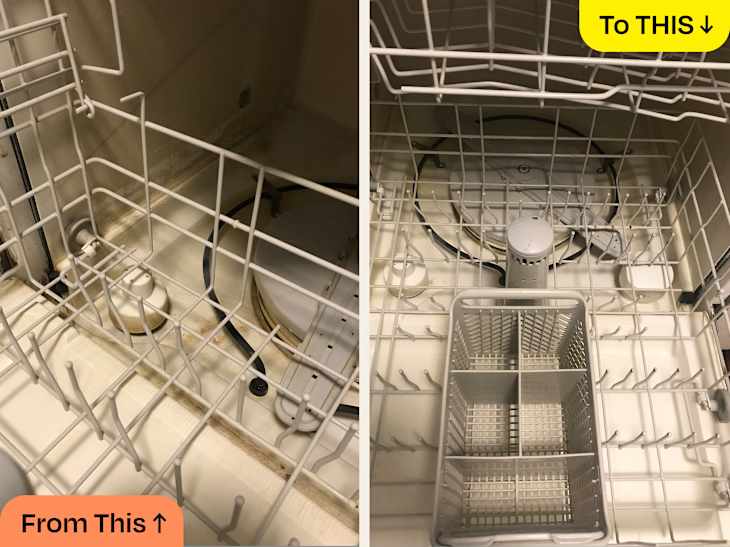
What To Expect: Before And After Results
After a proper clean with citric acid, you should notice:
- No more bad smells inside the machine
- Cleaner, shinier dishes, especially glasses
- No visible white spots or limescale
- Faster draining and better water flow
- Quieter operation
Below is a comparison of typical before and after results:
| Feature | Before Citric Acid Cleaning | After Citric Acid Cleaning |
|---|---|---|
| Glassware | Cloudy, white spots | Clear, shiny |
| Dishwasher Odor | Musty, unpleasant | Fresh, neutral |
| Interior Walls | Limescale and stains | Smooth, clean |
| Drainage | Slow, sometimes clogged | Fast, efficient |
Safety Tips When Using Citric Acid
Citric acid is generally safe, but it is still an acid. A few safety tips:
- Store in a cool, dry place, away from children and pets.
- Avoid contact with eyes and open cuts.
- Do not breathe in the powder—open the package carefully.
- Use gloves if your skin is sensitive.
- Rinse hands after use.
If you get citric acid in your eyes, rinse immediately with cool water.
Eco-friendly Benefits Of Citric Acid
Unlike many commercial cleaners, citric acid is biodegradable and does not harm the environment when washed down the drain. It is made from natural sources and breaks down quickly in water. Choosing citric acid over chemical cleaners helps keep your home and the planet safer.
How To Maintain A Clean Dishwasher Between Deep Cleans
Even after using citric acid, daily habits can make a difference. Here are some quick ways to keep your dishwasher fresh:
- Rinse food scraps off dishes before loading.
- Run hot water in your sink before starting the dishwasher. This ensures the machine fills with hot water right away.
- Leave the door open for a short time after a cycle. This lets the inside dry and stops mold.
- Wipe the seals and door once a week with a damp cloth.
- Check and clean the filter every 2–4 weeks.
These small steps help prevent buildup and reduce how often you need deep cleaning.
Citric Acid Cleaning: Is It Safe For All Dishwashers?
Most dishwashers, including stainless steel, plastic tubs, and modern models, are safe for citric acid cleaning. However, there are rare exceptions:
- Older machines: Some very old dishwashers have parts that can be sensitive to acids. Check your manual or do a test clean with less powder.
- Dishwashers with aluminum parts: Citric acid can dull bare aluminum. Most modern machines do not have exposed aluminum inside.
- Special coatings: Some high-end dishwashers have unique coatings. Check the manual to be sure.
If you are unsure, start with a small amount and see how your machine reacts.
Comparing Citric Acid To Commercial Dishwasher Cleaners
Many brands sell special dishwasher cleaning tablets or liquids. Are they better than citric acid? Here is a quick comparison:
| Feature | Citric Acid | Commercial Cleaner |
|---|---|---|
| Price | Very low (few cents per use) | Higher (often $2–$5 per use) |
| Effectiveness | Excellent for limescale and odor | Very good, designed for dishwashers |
| Eco-friendliness | Biodegradable, natural | Depends on brand; some contain harsh chemicals |
| Availability | Supermarkets, online | Supermarkets, online |
| Safety | Safe if used as directed | Some contain strong chemicals |
Citric acid is a smart choice for people who want simple, cheap, and safe cleaning. Commercial cleaners are convenient but cost more.
Advanced Tips For Experienced Users
If you are already comfortable with citric acid cleaning, try these advanced tips:
- Combine with baking soda: After a citric acid cycle, sprinkle ½ cup baking soda on the bottom and run a short hot cycle. This helps with odor and scrubbing.
- Use a dishwasher-safe bowl: Fill a cup or bowl with citric acid solution and place it upright on the top rack. Run a hot cycle for targeted cleaning.
- Clean the spray arms: Remove and soak spray arms in hot water with citric acid for 30 minutes if you notice clogs.
- Descale other appliances: Citric acid also works for coffee makers, kettles, and washing machines.
One insight many people miss: Cleaning with citric acid will not fix mechanical problems. If your dishwasher is not working, check for clogs, broken pumps, or call a professional.
The Science Behind Citric Acid Cleaning
Citric acid works by lowering the pH and binding to mineral ions. This makes hard water scale dissolve and float away. It also breaks down grease and some bacteria, making your dishwasher not only cleaner but also more hygienic.
Surprisingly, citric acid can also help prevent rust by keeping the inside dry and free of mineral spots. This can add years to your dishwasher’s life.
For more about the science of citric acid and cleaning, you can visit the Wikipedia page on citric acid.
Cost Savings: Why Citric Acid Is The Budget Option
A small bag (about 1 pound or 450 grams) of citric acid powder often costs less than $10 and can last for 20–40 cleaning cycles. Compare this with commercial cleaners, which often cost $2–$5 per use. Over a year, the savings can add up to $40–$80 for regular users.
Troubleshooting: When Citric Acid Doesn’t Seem To Work
Sometimes, you may try citric acid and still notice problems. Here’s what to check:
- Filter not clean: Double-check you cleaned the filter before running the cycle.
- Water temperature too low: The cleaning works best with very hot water.
- Extreme buildup: If your dishwasher has never been cleaned, you may need 2–3 cycles.
- Machine damage: If parts are broken, even the best cleaning will not help.
- Wrong product: Make sure you used pure citric acid, not a mix.
If issues remain, consult your dishwasher manual or contact a technician.
Frequently Asked Questions
What If I Accidentally Use Too Much Citric Acid?
Using too much citric acid is not dangerous, but it may leave a powdery residue inside the dishwasher. Simply run another rinse cycle with no powder to remove any leftover citric acid. If you notice any dullness on metal racks, wipe them with a damp cloth.
Can I Use Lemon Juice Instead Of Citric Acid Powder?
You can use lemon juice, but it is much less concentrated than citric acid powder. You would need about one cup of lemon juice for the same effect as 2–4 tablespoons of powder. Lemon juice is also messier and more expensive for regular cleaning.
Is Citric Acid Safe For Septic Systems?
Yes, citric acid is safe for septic systems. It breaks down quickly and does not harm the bacteria that keep your septic system working well.
Will Citric Acid Remove Mold And Mildew?
Citric acid can help reduce some surface mold and mildew, especially in damp corners and seals. For serious mold problems, use a special mold cleaner or call a professional. Citric acid is best for removing mineral deposits and odors.
Does Cleaning With Citric Acid Void My Dishwasher Warranty?
No, in most cases, cleaning with citric acid does not void your warranty. Many manufacturers even recommend it. However, always check your user manual for specific advice about cleaning products for your model.
Keeping your dishwasher clean with citric acid is simple, safe, and powerful. With these tips and steps, you can enjoy sparkling dishes and a fresh-smelling kitchen every day. Regular care with citric acid helps your dishwasher last longer, saves money, and is kinder to the environment than harsh chemicals.
Try it once, and you’ll see the difference for yourself.
Credit: www.thekitchn.com