
Many people dream of a beautiful, seamless kitchen. But sometimes, one thing stands out and ruins the look: the kitchen vent pipe. These pipes are important for removing smoke, steam, and smells, but they can look ugly if left exposed. If you are designing a new kitchen or updating an old one, you may wonder how to hide kitchen vent pipes. The good news is there are many creative and practical ways to make these pipes disappear or blend with your style.
This guide will show you everything you need to know about hiding kitchen vent pipes. You will learn simple tricks, smart design ideas, and common mistakes to avoid. Whether you want a modern, classic, or cozy kitchen, you will find solutions that fit your space and budget.
By the end, you will have the confidence to turn your kitchen into a place you love – without worrying about exposed pipes.
Why Hide Kitchen Vent Pipes?
Exposed vent pipes can make even the best kitchens look unfinished. There are several reasons to hide them:
- Aesthetics: A clean look makes your kitchen feel more comfortable and modern.
- Value: A neat kitchen can increase your home’s resale value.
- Easy cleaning: Hidden pipes collect less dust and grease.
- Safety: Covered pipes are less likely to be damaged or touched by accident.
But before you start, it’s important to understand your pipe type and location. This will affect which solution works best.
Know Your Kitchen Vent Pipe
Kitchen vent pipes come in different shapes and materials. Some are round metal ducts, while others are rectangular or flexible. The most common places you’ll find them are:
- Above the stove, connecting to the range hood
- Running along the wall or ceiling
- Leading to an outside wall or roof
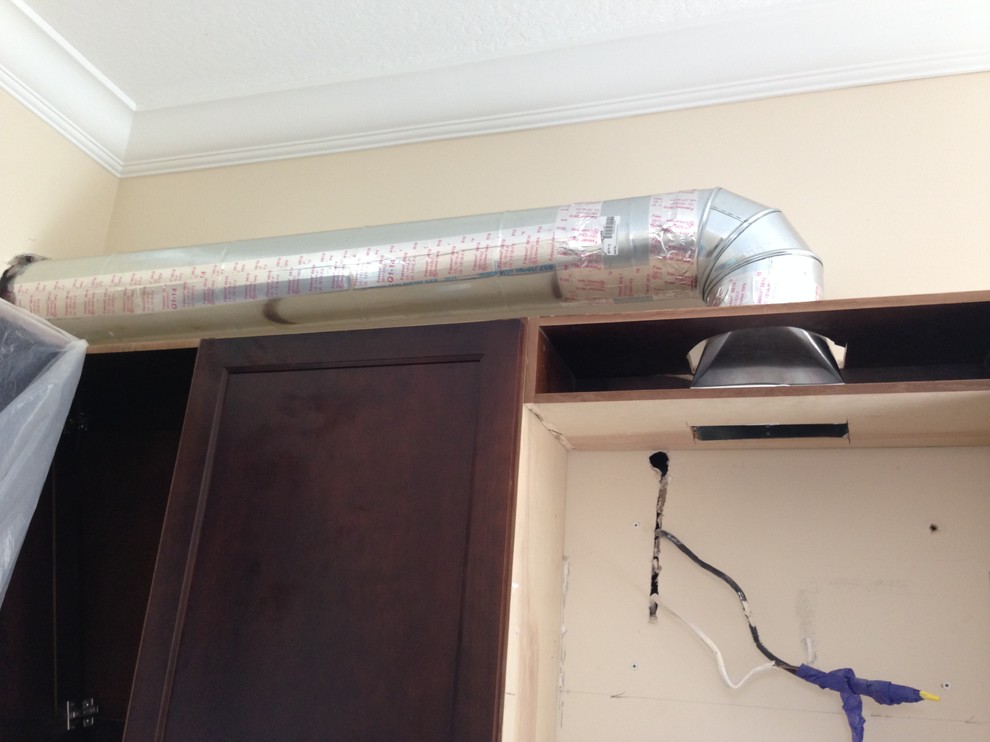
Some kitchens have visible pipes as a design choice, but most people prefer them hidden. Measure your pipe’s length, width, and location before starting. This helps you choose the right method and avoid expensive mistakes.

Credit: www.reddit.com
Methods To Hide Kitchen Vent Pipes
There are many ways to hide a kitchen vent pipe. Some are simple and affordable, while others require more planning or professional help. Here are the most effective and popular options:
1. Build A Custom Soffit
A soffit is a box-like structure built around the pipe. It can be made from drywall, wood, or MDF. Soffits blend with the ceiling or cabinets, making the pipe disappear.
How To Build A Simple Soffit
- Measure the pipe’s length, width, and height.
- Use wood or metal framing to outline the soffit.
- Cover the frame with drywall or MDF panels.
- Tape, sand, and paint the surface to match your walls or ceiling.
- Add trim or crown molding for a finished look.
Soffits are best for pipes running along walls or ceilings. You can use them to add indirect lighting or display shelves for extra style.
2. Extend Your Kitchen Cabinets
If your vent pipe runs above the cabinets, extend the cabinets up to the ceiling. This hides the pipe behind closed doors and gives you more storage.
Steps To Extend Cabinets
- Measure the distance between the cabinet top and ceiling.
- Buy matching cabinet boxes or build custom ones.
- Install the boxes above your existing cabinets.
- Add doors, molding, or panels for a seamless look.
This method is great for modern kitchens. It also stops dust from gathering on top of cabinets.
3. Use Decorative Covers Or Panels
You can buy or make special pipe covers that blend with your kitchen. These come in wood, metal, or even fabric designs.
- Wooden panels can match your cabinets.
- Stainless steel covers look good in modern kitchens.
- Painted MDF panels can hide pipes in any color.
These covers are easy to remove for cleaning or repairs.
4. Create A Feature Wall
Instead of hiding the pipe, turn it into a design feature. Paint the pipe a bold color or wrap it in stylish material.
- Use high-heat paint for metal pipes.
- Wrap with faux brick, stone, or wood.
- Add LED lights for a modern effect.
This works best in industrial or artistic kitchens. It’s a bold choice, but it can make your kitchen unique.
5. Install A Bulkhead
A bulkhead is similar to a soffit but usually larger and runs across the whole room. It’s useful if you have several pipes or wires to hide.
- Build with wood framing and drywall.
- Paint to match your ceiling or walls.
- Use the bulkhead for recessed lighting or speakers.
Bulkheads are perfect for open-plan kitchens with exposed beams or multiple ducts.
6. Use Open Shelving
Open shelves can distract the eye and hide pipes behind dishes or decorations.
- Install shelves below or in front of the pipe.
- Fill with plants, jars, or cookbooks.
- Choose shelves that match your kitchen style.
This method is affordable and adds storage. Be careful not to block airflow or make cleaning difficult.
7. Drop The Ceiling
If your ceiling is high, you can lower it with a dropped ceiling or suspended panels. This hides pipes above the new ceiling line.
- Use a metal grid and ceiling tiles.
- Install LED panels for soft lighting.
- Choose washable tiles for easy cleaning.
Dropped ceilings are common in modern apartments or basements.
8. Move The Pipe Inside The Wall
If you are remodeling, consider moving the pipe inside the wall or ceiling. This is the most permanent solution but also the most expensive.
- Hire a professional to reroute the pipe.
- Check local building codes and safety rules.
- Repair and repaint the wall after installation.
This method is best for new builds or major renovations.
9. Add A Faux Beam
A faux beam is a hollow, decorative beam that hides pipes inside. These beams come in wood, MDF, or lightweight materials.
- Measure the pipe and choose a beam with enough space inside.
- Install the beam over the pipe with brackets.
- Stain or paint the beam to match your kitchen.
Faux beams add a rustic or classic look.
10. Install A False Back In Cabinets
If the pipe runs inside or behind cabinets, add a false back. This is a thin panel that sits in front of the pipe.
- Use MDF or plywood cut to size.
- Paint or cover with contact paper.
- Attach with removable clips for easy access.
You lose a little space, but the cabinet looks clean and tidy.
11. Box With Drywall Or Wood
If the pipe runs up a wall, box it in with drywall or wood. This method works like a mini wall next to your cabinets.
- Frame the pipe with 2×2 wood strips.
- Cover with drywall or plywood.
- Tape and paint the box to blend with the wall.
You can add artwork or tiles to the box for a stylish finish.
12. Hide With Plants Or Decor
Tall plants, artwork, or wall hangings can cover pipes in open kitchens.
- Use tall indoor plants in pots.
- Hang a large painting or framed print.
- Drape fabric or macramé wall art over the pipe.
This is a fast and cheap way to hide pipes, but not as neat as building covers.
Comparing Popular Methods
To help you choose, here’s a side-by-side look at the most common solutions:
| Method | Cost | Difficulty | Best For | Permanent? |
|---|---|---|---|---|
| Custom Soffit | $$ | Medium | Pipes along wall/ceiling | Yes |
| Extend Cabinets | $$$ | Hard | High-ceiling kitchens | Yes |
| Decorative Covers | $ | Easy | Quick fixes | No |
| Feature Wall | $ | Easy | Modern/Industrial style | No |
| Bulkhead | $$$ | Hard | Open-plan kitchens | Yes |
| Open Shelving | $ | Easy | Small kitchens | No |
| Drop Ceiling | $$$ | Medium | High ceilings | Yes |
| Move Pipe | $$$$ | Hard | Major renovations | Yes |
| Faux Beam | $$ | Medium | Rustic/classic style | No |
| False Back | $ | Easy | Cabinet interiors | No |
| Box with Drywall | $$ | Medium | Wall-mounted pipes | Yes |
| Plants/Decor | $ | Easy | Temporary solution | No |
Credit: www.houzz.com
Pros And Cons Of Each Method
Every solution has its strengths and weaknesses. Here is a quick overview:
| Method | Pros | Cons |
|---|---|---|
| Soffit | Neat, blends in, durable | Reduces ceiling height, needs skill |
| Extend Cabinets | Extra storage, seamless look | Expensive, hard to match old cabinets |
| Decorative Covers | Easy, cheap, removable | May look temporary, less durable |
| Feature Wall | Unique style, low cost | Not for everyone, bold look |
| Bulkhead | Hides many pipes, adds lighting | Major work, reduces headroom |
| Open Shelving | Extra space, quick solution | May show pipe from some angles |
| Drop Ceiling | Modern look, hides all pipes | Expensive, less ceiling height |
| Move Pipe | Perfect finish, long-term fix | Very costly, needs professional |
| Faux Beam | Decorative, easy to install | May not suit all styles |
| False Back | Fast, cheap, easy to remove | Reduces cabinet space |
| Box with Drywall | Blends with walls, simple | May look bulky, needs finishing |
| Plants/Decor | Instant, creative, low cost | Not a real cover, can block access |
Step-by-step Guide: Building A Simple Soffit
Let’s look at building a soffit, one of the most popular ways to hide a kitchen vent pipe. This method works for most home kitchens.
What You Need
- Tape measure
- Pencil and level
- 2×2 wood strips or metal framing
- Drywall or MDF board
- Screws or nails
- Drywall tape and joint compound
- Sandpaper
- Paint or finish to match your kitchen
Steps
- Measure the Pipe: Carefully measure the length, width, and height needed to cover the pipe, plus a little extra space for framing.
- Mark the Ceiling and Wall: Use a pencil and level to mark where the soffit will go.
- Build the Frame: Attach 2×2 wood strips or metal framing to the ceiling and wall, forming a box around the pipe.
- Install Panels: Cut drywall or MDF to size and screw it onto the frame.
- Tape and Finish: Use drywall tape and joint compound to cover seams. Let dry, then sand smooth.
- Paint or Decorate: Paint the soffit to match your walls or ceiling. Add trim or molding for a polished look.
Pro Tips
- Always leave a small access panel for future repairs.
- Use moisture-resistant materials near the stove.
- Check for code requirements if you plan to enclose a vent.
Many DIYers forget to plan for access or forget to check building codes. These mistakes can cause problems later.
Common Mistakes To Avoid
Even small mistakes can make your kitchen look messy or cause problems. Here are some things beginners often miss:
- Not planning access: Always make sure you can reach the pipe for cleaning or repair.
- Blocking airflow: Covers or boxes must not block the vent’s air movement.
- Using the wrong materials: Use heat- and moisture-resistant boards near cooking areas.
- Not matching finishes: Painted covers or boxes should match your kitchen color.
- Ignoring code rules: Some areas have rules for vent pipes. Check before you build.
- Making covers too bulky: Oversized boxes or soffits can make your kitchen feel smaller.
- Skipping insulation: If your pipe sweats, add insulation before boxing it in.
Cost Breakdown
The cost to hide a kitchen vent pipe depends on the method and your kitchen’s size. Here’s a rough guide:
- DIY decorative cover: $10–$50
- Custom soffit or bulkhead: $150–$400 (materials only)
- Cabinet extension: $400–$1,000+ (depends on cabinet type)
- Dropped ceiling: $500–$2,000
- Professional reroute: $800–$2,500+
- Faux beam: $100–$300
Labor costs can double or triple these numbers if you hire a contractor. Always get quotes and compare options.

Credit: insideandoutpropertyinspectors.com
When To Hire A Professional
Some methods are easy to DIY, but others need expert help:
- Moving or rerouting pipes (code and safety risks)
- Building large bulkheads or dropped ceilings
- Extending custom cabinets
- Electrical work (lighting, outlets)
If you’re not sure, ask a contractor or designer for advice. A professional can help you avoid expensive mistakes and get a flawless finish.
Creative Ideas For Any Kitchen Style
No two kitchens are the same. Here are some creative ideas to match different styles:
- Modern: Use sleek, flat panels in white or black. Add LED strip lights for a clean effect.
- Farmhouse: Try wood beams or shiplap boxes. Paint in soft, natural colors.
- Classic: Add crown molding to soffits or bulkheads. Use raised panels for a traditional look.
- Industrial: Leave the pipe exposed but paint it matte black or metallic. Add brick or concrete details.
- Minimalist: Use simple, smooth covers with no extra trim.
Mix and match these ideas to create a kitchen you love.
Two Non-obvious Insights
- Hidden vent pipes can improve resale value: Homes with neat, covered pipes often sell faster and for more money. Buyers want kitchens that look finished and easy to clean.
- Some vent pipes need regular inspection: Flexible or older pipes can collect grease inside. If you box them in, plan for easy access to avoid fire hazards.
Maintenance Tips
Once your vent pipe is hidden, don’t forget to:
- Clean the vent filter and pipe every 6–12 months.
- Check for leaks or grease build-up.
- Repaint or touch up covers as needed.
- Inspect for pests or moisture if the pipe runs through an outside wall.
A well-hidden pipe is out of sight, but should not be out of mind.
Real-world Example
Anna wanted a modern kitchen but hated the metal vent pipe above her stove. She built a simple soffit using MDF and painted it the same color as her ceiling. She added crown molding and LED lights underneath for extra style.
The project cost $200 and took a weekend. Her kitchen now looks clean and bright, and the pipe is out of sight.
Resource For More Inspiration
If you want more design ideas, see Architectural Digest for kitchen remodel inspiration and expert advice.
Frequently Asked Questions
What Is The Easiest Way To Hide A Kitchen Vent Pipe?
The easiest way is to use decorative covers or panels. You can buy them ready-made or make your own from MDF or wood. This method is fast, cheap, and easy to remove if needed.
Can I Paint My Kitchen Vent Pipe?
Yes, you can paint most vent pipes. Use high-heat paint for metal pipes, especially near the stove. Clean the pipe well before painting and use a primer for the best results.
Is It Safe To Box In A Kitchen Vent Pipe?
It is usually safe if you leave enough space for airflow and access. Use fire-resistant materials, and always check your local building codes before boxing in a vent pipe.
How Do I Hide A Vent Pipe In A Small Kitchen?
In small kitchens, consider open shelving, a simple soffit, or a false back in cabinets. Avoid bulky covers that make the space feel crowded.
Does Hiding A Vent Pipe Affect Its Function?
If done correctly, hiding a vent pipe will not affect its function. Do not block airflow or make access for cleaning difficult. Always keep safety in mind when building covers or boxes.
Transforming your kitchen is possible, even with a visible vent pipe. With the right method, you can create a beautiful, practical space that fits your style and budget. Take your time, measure carefully, and don’t be afraid to ask for help.
Soon, your kitchen will be the heart of your home – with the vent pipe out of sight and out of mind.